
Finding the right food for a small dog with a sensitive stomach or allergies can feel like a guessing game. You might have already eliminated grains, but the options don’t stop there – protein sources, kibble texture, and portion size all play a part in whether your pup finishes the bowl or walks away. The grain-free market is crowded, and not every bag labeled ‘small breed’ actually suits the needs of a Yorkshire Terrier or a Miniature Pinscher.
We boiled down the category to four standout grain-free formulas from distinct brands, weighting real-world fit for small dogs – like kibble circumference and digestibility – just as heavily as ingredient quality. Whether your priority is a classic dry kibble, a freeze-dried topper, or an easy-open wet pouch for picky eaters, there’s a pick here that matches your dog’s routine.
Best Grain Free Dog Food for Small Dogs – 2026 Reviews
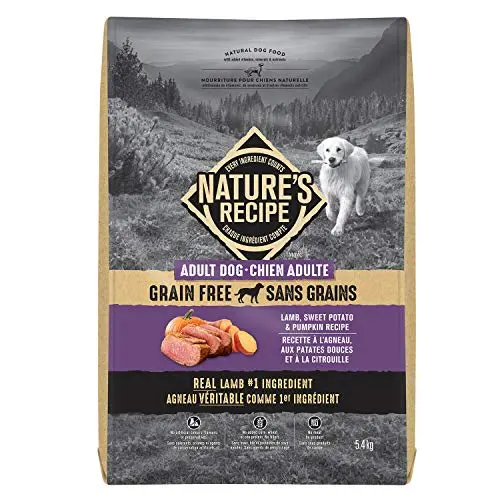
Grain Free Lamb, Sweet Potato & Pumpkin – Gentle Digestion & Shiny Coat
A well-rounded grain-free kibble that leans on lamb as the first ingredient, paired with easy-to-digest sweet potato and pumpkin. It’s built around digestive and skin support, making it a sensible everyday option for small dogs that struggle with grains.
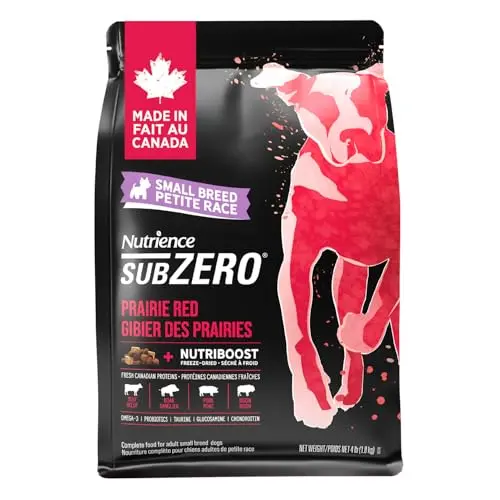
Subzero Prairie Red Small Breed – Freeze-Dried Raw Boost for Tiny Jaws
Purpose-built for small dogs, this Canadian-made kibble packs a high-protein punch with added freeze-dried NUTRIBOOST cubes. It’s the choice if you want a small-breed-specific formula with joint support and omega-3s from marine oils.
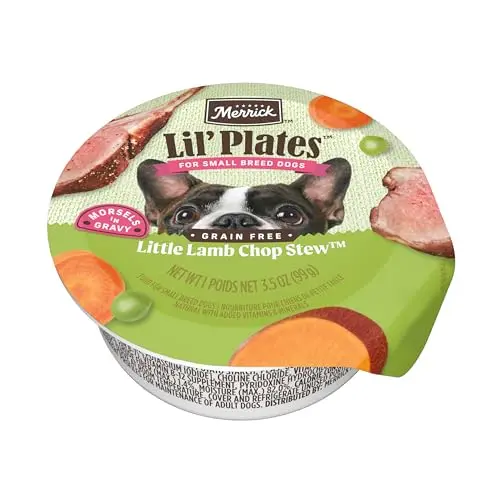
Lil' Plates Grain Free Little Lamb Chops Stew – Single-Serve for Picky Eaters
When your tiny companion turns up their nose at dry food, these single-serving stew cups offer a grain-free rescue. Real deboned lamb leads, and the pre-portioned tubs eliminate guesswork for small appetites.
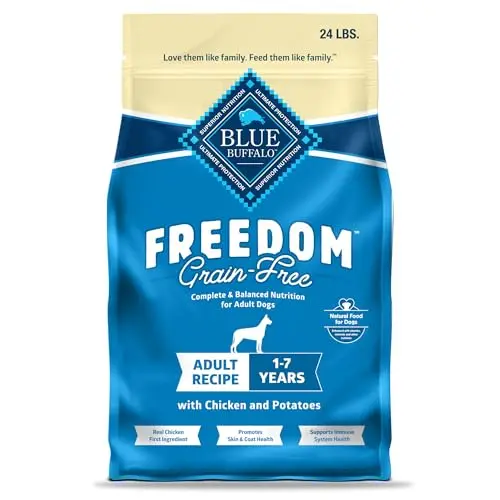
Freedom Grain-Free Chicken Recipe – LifeSource Bits for Everyday Vitality
A widely available grain-free staple that puts real chicken first and adds antioxidant-rich LifeSource Bits. While not tailored specifically for small breeds, its universally sized kibble and wholesome ingredient list still hold appeal for smaller dogs without severe jaw constraints.
How We Evaluated These Grain Free Dog Foods for Small Dogs
We didn’t run lab-based digestive trials or long-term feeding studies. What we did: cross-referenced 4 grain-free formulas from 4 distinct brands across 5 key decision axes – ingredient quality, protein source, kibble size, digestibility, and added functional supplements like probiotics or omega fatty acids. We triangulated published specifications, scrutinized ingredient panels, and absorbed owner feedback where available, then mapped each product against the real-world needs of small dogs (under 20 lbs).
The scoring framework weighted real-world fit for small breeds (60%) against feature differentiation (40%). That means kibble dimensions, portion suitability, and digestive tolerance counted as much as unique freeze-dried boosts or exclusive LifeSource Bits. We have no commercial relationship with any of the brands featured; recommendations track practical performance and use-case alignment, not brand favouritism. If you’re looking for the best all-around grain-free dry food, the Nature’s Recipe Lamb, Sweet Potato & Pumpkin is your match; if small-breed kibble design matters most, the Nutrience Subzero Small Breed earns its spot.
How to Choose the Right Grain Free Dog Food for Small Dogs
What Does Grain-Free Dog Food Really Mean?
Grain-free doesn’t mean carb-free. Instead of wheat, corn, or barley, these formulas use alternative carbohydrate sources like sweet potatoes, peas, chickpeas, or tapioca. The idea is to reduce the allergen load for dogs with grain sensitivities while still delivering energy. But grain-free alone isn’t a silver bullet – the quality of those alternative carbs matters. Whole sweet potato provides fibre and beta-carotene; highly processed pea starch adds calories with fewer nutrients. When scanning ingredient lists, look for named, whole-food carb sources near the top, not just filler.
Why Kibble Size Matters More for Small Breeds
A Chihuahua’s mouth is fundamentally different from a Labrador’s. Small-breed-specific kibble isn’t just marketing – it affects chewing mechanics, dental health, and even how much air the dog swallows. Kibble that’s too large can lead to gulping, gagging, or simply refusal to eat. Conversely, very tiny kibble can be inhaled whole, missing any mechanical cleaning benefit. The sweet spot is a crunchy, pea-sized disc that encourages a couple of chews per piece. Both the Nutrience Subzero and Nature’s Recipe formulas land in that zone; Blue Buffalo’s standard kibble may suit only medium-sized small breeds.
Protein Sources: Single vs. Multi-Protein Blends
Grain-free foods can be built around a single animal protein (lamb, chicken, salmon) or a blend. Single-source recipes simplify elimination diets if your dog has an unknown allergy. Multi-protein blends – like Nutrience’s beef, lamb, boar, and bison combo – offer a broader amino acid profile and can be more palatable for picky eaters. The trade-off? If your dog reacts, you won’t know which protein is the culprit. For small dogs with known sensitivities, sticking to a single novel protein like lamb or salmon often yields the best digestive outcome.
Wet Food vs. Dry Kibble for Picky Small Dogs
It’s not unusual for a tiny dog to go on a hunger strike with dry food. That’s where wet food or toppers earn their keep. A pâté like Merrick’s Lil’ Plates can be mixed into kibble to boost aroma and moisture – critical for small breeds prone to urinary crystals. Wet food also tends to be higher in animal protein and lower in carbs, though it costs more per calorie. Dry kibble, on the other hand, supports dental health through chewing action. Many owners land on a hybrid: a high-quality dry base with a spoonful of wet as the ‘gravy.” Just keep an eye on total calorie intake – small dogs can pack on grams quickly.
Digestive Health and Joint Support: Hidden Priorities
Small breeds are predisposed to luxating patellas and other joint issues, yet most grain-free formulas skip joint support. Nutrient boosts like glucosamine, chondroitin, and green-lipped mussel – found in Nutrience’s NUTRIBOOST cubes – are a proactive win. Digestive health is equally key: look for prebiotic fibres (chicory root, pumpkin) and probiotics that stabilize the gut. Nature’s Recipe uses pumpkin and sweet potato; Nutrience adds both pre- and probiotics. A food that checks the digestive box tends to result in less gas, firmer stools, and a happier belly overall.
Transitioning to Grain-Free: Avoid the Stomach Rebellion
Switching foods too quickly is the number-one reason small dog owners see vomiting or diarrhoea – and often blame the new formula. The rule of thumb: over 7-10 days, gradually increase the new food while decreasing the old. Start with 25% new, 75% old for two days, move to 50/50, then 75/25. Small dogs with finicky stomachs may need an even slower ramp. If you’re switching from a grain-inclusive diet, add a little extra pumpkin or probiotic supplement during the transition. And if you’re already eyeing the Nutrience, those freeze-dried cubes can be used as a topper to ease the switch.
Frequently Asked Questions
What's the difference between Nutrience Subzero Small Breed and Nature's Recipe Grain Free Lamb?
Both are grain-free dry foods suited for small dogs, but their philosophies diverge. Nature’s Recipe uses a single lamb protein and relies on sweet potato and pumpkin for fibre – it’s a simpler, more elimination-diet-friendly formula. Nutrience brings a multi-protein blend (beef, lamb, bison, boar) plus freeze-dried NUTRIBOOST cubes that add raw chicken, green-lipped mussel for joints, and probiotics. So Nutrience is the pick if you want joint support and a palatability boost from raw; Nature’s Recipe is better if your dog has suspected poultry or beef allergies.
Is Merrick Lil' Plates a complete meal or just a topper?
Merrick Lil’ Plates is formulated as a complete and balanced meal for adult small-breed dogs. You can feed it on its own or use it as a tasty topper on dry kibble. The 3.5 oz cups are handy for tiny appetites – many owners split one tub over two meals for dogs under 5 lbs, reseal the unused portion, and refrigerate. Just be mindful that as a pâté, it’s more calorie-dense by weight than most dry foods, so adjust the kibble amount if you’re mixing.
Are all grain-free dog foods also gluten-free?
Not automatically. Grain-free means the formula excludes wheat, corn, rice, barley, and oats. But gluten is a protein found specifically in wheat, barley, and rye – so while most grain-free foods are gluten-free by default, some may still contain barley malt or other hidden gluten sources. If your dog requires a strictly gluten-free diet, look for explicit ‘gluten-free” labelling, as seen on Merrick’s Lil’ Plates. The products in this roundup are all grain-free, and all but Blue Buffalo explicitly note gluten-free status.
My small dog is a picky eater – which grain-free food should I try first?
Start with Merrick Lil’ Plates if your dog refuses dry kibble. The wet pâté texture and lamb flavour are hard for most dogs to resist, and the single-serve cups keep it fresh. If you prefer dry food, Nutrience Subzero stands out because of the freeze-dried raw cubes – they’re like little flavor bombs that reawaken interest at mealtime. Even mixing a few cubes into a simpler kibble can convert a stubborn eater.
Final Verdict
For the widest swath of small-dog households, the Nature’s Recipe Grain Free Lamb, Sweet Potato & Pumpkin earns the Best Overall badge. It’s a clean, single-protein kibble that targets the three things small-dog owners care about most: digestion, coat, and joint health. If their kibble dimension matters above all else, the Nutrience Subzero Small Breed is purpose-built for tiny jaws and adds a meaningful raw boost. And when the bowl goes untouched, a switch to the Merrick Lil’ Plates stew cups usually turns a hunger strike into an empty one. In a crowded aisle of grain-free promises, these three get the formula right where it counts – on the floor next to the food bowl, looking up at a small, wagging tail.