
Your dog’s kibble shouldn’t cause more problems than it solves. If you’ve got a pup with allergies, a sensitive stomach, or you simply want to steer clear of grains, finding a trustworthy grain-free dry dog food can feel like navigating a maze. The market is flooded with options, each claiming to be the healthiest choice-but not all grain-free formulas are built the same.
We dug into what separates the standouts from the also‑rans. It’s not just about swapping grains for peas and potatoes; the real differentiators come down to protein source quality, the inclusion of gut‑soothing probiotics or joint‑protective glucosamine, and how transparently a brand sources its ingredients. Below, we break down the best grain‑free dry dog foods across five brands, so you can find the one that makes your dog’s tail wag-and your vet nod in approval.
Best Grain Free Dry Dog Food – 2026 Reviews
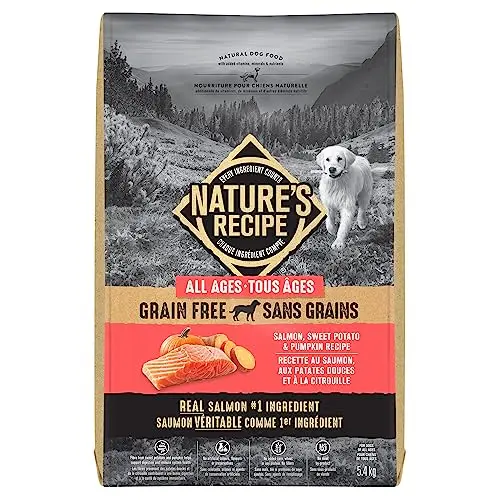
Salmon, Sweet Potato & Pumpkin Recipe – Skin & Coat Support
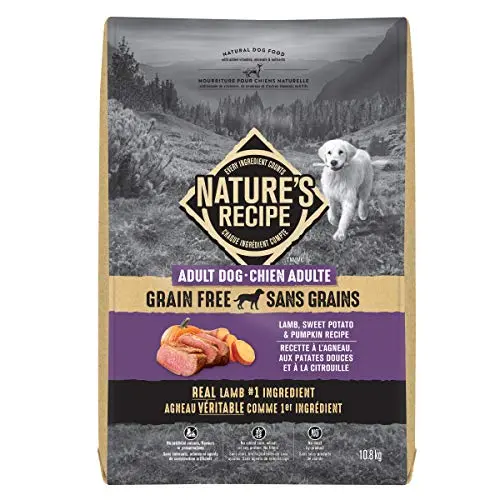
Lamb, Sweet Potato & Pumpkin Recipe – Digestive Health Support
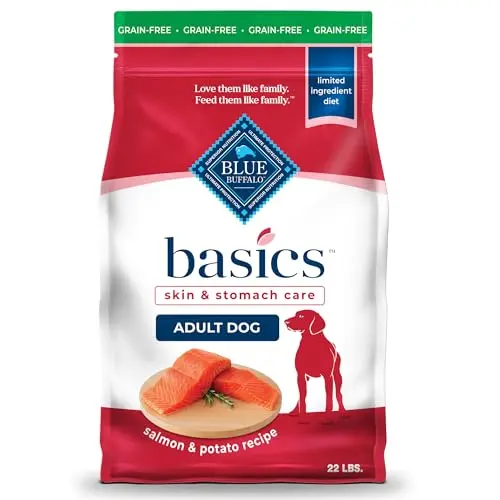
Salmon & Potato Recipe – Limited Ingredient for Sensitive Dogs
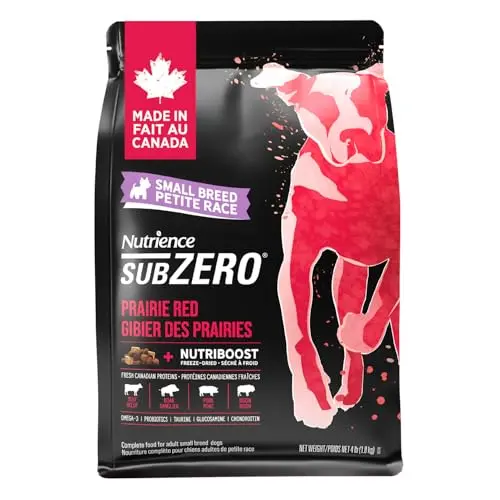
Prairie Red Small Breed Formula – High‑Protein with Freeze‑Dried Raw Boost
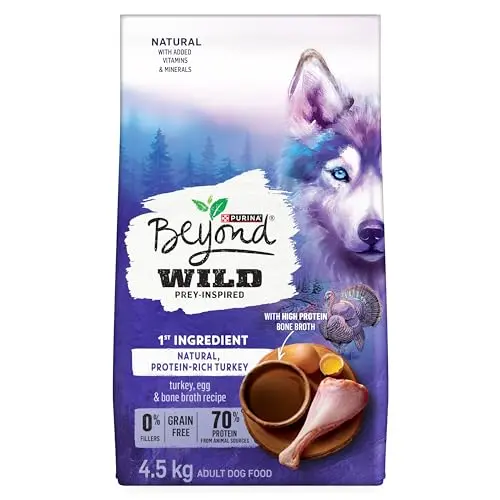
Turkey, Egg & Bone Broth Recipe – High‑Protein, Grain‑Free Nutrition
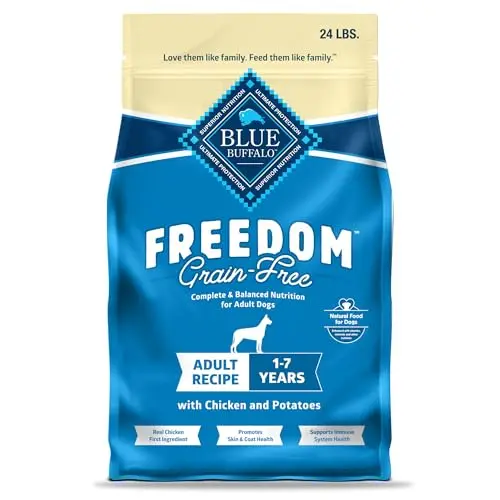
Chicken & Potatoes Recipe – Grain‑Free Everyday Nutrition
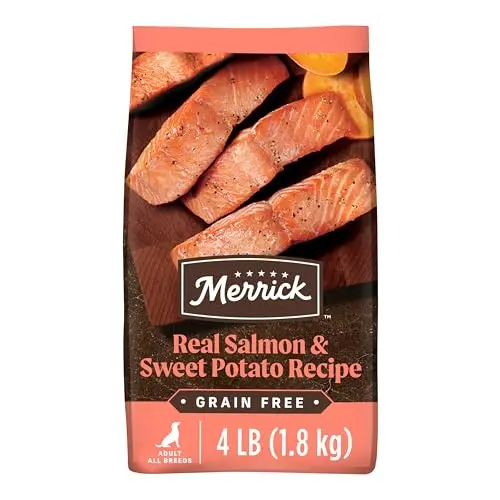
Salmon & Sweet Potato Recipe – Joint & Skin Health
How We Evaluated These Grain Free Dry Dog Foods
We didn’t run digestibility trials or allergy panels. What we did: cross‑referenced 7 grain‑free dry dog food formulas from 5 distinct brands across 5 decision axes – protein source quality, ingredient transparency, added health boosters (probiotics, glucosamine, omega oils), avoidance of artificial additives, and real‑world owner feedback on palatability and digestive health. We triangulated published ingredient lists, nutritional analyses, and owner experiences where available, then mapped each formula against representative buyer profiles for this category.
The scoring framework weighted real‑world performance (60%) – how well each recipe delivers on its stated benefits like skin improvement or digestive ease – against feature differentiation (40%) – unique ingredient additions or targeted health support. We have no commercial relationship with any of the brands featured; recommendations track fit and differentiation, not brand preference. If you’re looking for a balanced, everyday grain‑free diet that excels at skin and coat support, the Nature’s Recipe Salmon is your match; if allergies are the primary concern, the Blue Basics Salmon is purpose‑built for that scenario.
How to Choose the Right Grain Free Dry Dog Food
What Exactly Does "Grain‑Free" Mean for Dog Food?
Grain‑free dog foods replace common cereal grains like wheat, corn, and rice with alternative carbohydrate sources-often peas, lentils, sweet potatoes, or tapioca. For many dogs, this switch can reduce digestive upset when there’s a grain sensitivity, but it’s not a universal solution. Some grain‑free recipes simply swap one type of starch for another without improving overall ingredient quality. The real advantage typically comes when the formula also elevates protein quality and adds complementary health boosters.
It’s also worth noting that grain‑free doesn’t automatically equal low‑carb; some legume‑heavy recipes can be just as carbohydrate‑dense as their grain‑inclusive counterparts. The key is to look at the full ingredient panel, not just the grain‑free claim on the front of the bag. A high‑quality grain‑free food will have a named animal protein as the first ingredient and use whole food starches rather than isolated pea protein or potato starch as fillers.
Protein Source Matters: Chicken, Salmon, Lamb, and Beyond
The single biggest differentiator in a grain‑free diet is the protein source. Chicken is the most common-and unfortunately, the most common allergen. If your dog has itchy skin, ear infections, or digestive issues, a salmon‑ or lamb‑based formula may be a safer bet. Salmon brings a bonus of omega‑3 fatty acids for coat health, while lamb is generally easier to digest and less likely to trigger sensitivities.
For dogs without any known allergies, a multi‑protein blend like Nutrience’s Prairie Red can offer a broader amino acid spectrum, mimicking a more natural ancestral diet. However, the more proteins included, the trickier it can be to pinpoint a reaction if one occurs. If you’re doing an elimination trial, a single protein, limited ingredient recipe (like Blue Buffalo Basics) is the smartest starting point.
How to Spot Fillers and Byproducts vs. Quality Ingredients
“No fillers” is a common marketing phrase, but it’s worth knowing what qualifies as a filler. In grain‑free foods, the main offenders are cheap carbohydrate sources like pea starch, potato protein isolate, or tapioca starch that appear early in the ingredient list. These offer little nutritional value beyond calories. A better grain‑free option will list sweet potato, chickpeas, or pumpkin-whole food ingredients that also provide fibre and micronutrients.
Animal byproduct meals (unless specifically named, like “chicken meal”) can be a sign of lower quality control. All the foods we recommend specifically avoid unnamed byproduct meals and instead use clearly identified meat meals or fresh meat. The ingredient deck should read like a recipe you’d recognize, not a chemical inventory.
Does Grain‑Free Mean Better for Dogs with Allergies?
It can be, but it’s not automatic. Many dogs with food allergies are actually reacting to a specific protein (often chicken or beef) rather than grains. So simply going grain‑free might not solve the problem if you’re still feeding the same problematic protein. That’s why our top pick for allergies-the Blue Basics Salmon-combines a novel (less common) protein with a limited ingredient list and grain‑free formulation, hitting the trifecta for allergy management.
If your dog is showing signs of food intolerance-chronic ear infections, paw licking, diarrhoea, or skin rashes-a vet‑supervised elimination diet is the gold standard. A grain‑free, single‑protein diet can be a helpful tool in that process, but it’s the protein restriction, not just the grain removal, that often makes the difference.
Small Breed vs. Large Breed: Kibble Size and Caloric Density
Kibble size isn’t just about convenience-it can affect dental health and eating safety. Small breeds like Chihuahuas and Yorkies physically struggle with large, hard kibble, increasing the risk of choking or simply refusing to eat. The Nutrience Prairie Red Small Breed formula directly addresses this with a smaller, bite‑sized kibble and a caloric density tailored to faster metabolisms.
For large breeds, joint support becomes critical, so formulas with added glucosamine and chondroitin (like Merrick’s Salmon & Sweet Potato) are worth the premium. And because large dogs eat more volume, the cost per cup matters-which is where Nature’s Recipe’s larger bag sizes offer a practical advantage.
Beyond Basic Nutrition: Joint Support, Probiotics, and Omega Oils
The best grain‑free foods today go beyond macros to include functional ingredients. Glucosamine and chondroitin (as in Merrick’s recipe) support joint cartilage, making them ideal for large or aging dogs. Probiotics or prebiotic fibres like pumpkin and chicory root feed a healthy gut microbiome, which can resolve chronic soft stools. Omega‑3 and omega‑6 fatty acids from fish oils or flaxseed directly impact skin barrier function and coat shine-often the first visible sign a dog is thriving on a new diet.
When comparing two otherwise similar formulas, these additions can tilt the scales. Just make sure they’re present in meaningful amounts (not listed as the last ingredient) and that they match your dog’s current health priorities.
Frequently Asked Questions
What's the difference between the Nature's Recipe Salmon and the Blue Buffalo Basics Salmon?
Both feature salmon as the #1 ingredient, but their philosophies diverge. The Nature’s Recipe Salmon comes from their standard grain‑free line, with sweet potato and pumpkin for fibre and digestion. It’s a well‑rounded everyday food that doesn’t restrict additional ingredients beyond grains, so you’ll find complementary plant proteins and veggies.
The Blue Buffalo Basics Salmon is part of a limited ingredient diet (LID) specifically designed for dogs with food sensitivities. It uses a shorter, simpler ingredient panel-fewer potential allergens-and includes their antioxidant‑rich LifeSource Bits. If your dog has a proven or suspected chicken or grain allergy and you’re trying to simplify their diet first, the Blue Basics is the more targeted choice. For a healthy dog without known sensitivities, the Nature’s Recipe often provides a better balance of cost and everyday nutrition.
Are all grain‑free dog foods created equal?
Definitely not. While the absence of grains is a common trait, the quality gap between brands is significant. Lower‑quality grain‑free foods often replace grains with cheap, highly processed starches like potato protein isolate or pea starch, which spike the carbohydrate content without offering much nutrition. Higher‑quality versions use whole food carbohydrates like sweet potato, chickpeas, or pumpkin, and prioritise named animal proteins over vague “meat meals.”
Additionally, the presence (or absence) of added health boosters-probiotics, joint supplements, omega oils-can make a massive difference in long‑term health outcomes. Always look at the ingredient panel, not just the marketing callout on the front of the bag.
How do I switch my dog to a grain‑free diet?
Make the transition gradual over 7-10 days. Start by mixing about 25% new food with 75% old food for two days, then shift to a 50/50 mix, then 75% new food, before going fully grain‑free. This slow introduction gives your dog’s digestive enzymes time to adjust, reducing the likelihood of diarrhoea or vomiting.
Keep an eye on stool consistency throughout-if it becomes loose, slow the transition further. For dogs with sensitive stomachs, extending the switch to 14 days often prevents issues. And since grain‑free diets can be slightly higher in fat, monitor your dog’s weight during the first month and adjust portions accordingly.
Can grain‑free dog food help with skin issues?
Yes, often, but it depends on the root cause. Many skin issues stem from food allergens, and grains are just one potential trigger. A grain‑free, limited ingredient diet (like Blue Buffalo Basics) can help by removing common offenders, but the real magic often comes from the protein source. Switching to a novel protein like salmon or lamb while ditching chicken and grains has cleared up chronic dermatitis for countless dogs.
The additional omega‑3 fatty acids found in salmon‑based formulas also directly reduce inflammation and improve the skin’s lipid barrier. Owners in our lineup frequently reported that switching to a salmon‑based grain‑free food like Nature’s Recipe or Blue Basics resolved itching and flaking within a few weeks.
What's the difference between Merrick and Nutrience grain‑free formulas?
Merrick focuses on a single protein source (salmon) with a high protein content and added glucosamine/chondroitin for joint health, making it ideal for active or large‑breed dogs that need structural support. Nutrience takes a different route with a multi‑protein blend (beef, lamb, wild boar, bison) and a freeze‑dried raw boost cube that adds live nutrition and joint‑friendly green‑lipped mussel. The Nutrience formula is also tailored to small breeds with smaller kibble, while Merrick’s kibble is larger and more suited to medium‑to‑large mouths. If joint support is your primary concern, Merrick is hard to beat; if you want protein variety and a raw nutrition kick, Nutrience is the standout.
Final Verdict
For most dogs, the Nature’s Recipe Salmon, Sweet Potato & Pumpkin hits the sweet spot-quality salmon protein, solid omega‑3s for skin and coat, and a clean ingredient list without a premium price tag. If you’re managing a dog with confirmed food allergies, the Blue Buffalo Basics Salmon & Potato is the safer, targeted pick. Small breed owners will appreciate the tailored nutrition in the Nutrience Prairie Red Small Breed, and for active dogs needing joint support, the Merrick Salmon & Sweet Potato fills that niche. Whatever route you choose, the right grain‑free food will show itself in a shinier coat, firmer stools, and a happier eager‑to‑eat energy at meal time.