
A small dog with a big personality needs fuel that matches – that’s where a high-protein diet comes in. Tiny bodies often have faster metabolisms and higher energy demands per kilo than their larger cousins, so the right food can make a real difference in muscle tone, coat condition, and overall vitality. But not every high-protein kibble is built for a Chihuahua’s tiny mouth or a Yorkie’s sensitive stomach. The challenge is finding a formula that packs concentrated nutrition into a bite-sized, digestible package.
That’s why we focused specifically on high-protein dry foods tailored for small breeds. We compared protein sources, kibble design, and owner experiences to cut through the marketing noise. Whether you’re dealing with a picky eater, a dog with skin sensitivities, or just want a quality Canadian-made option, we’ve sorted the top performers to help you pick the right match.
Best High Protein Dog Food for Small Dogs – 2026 Reviews
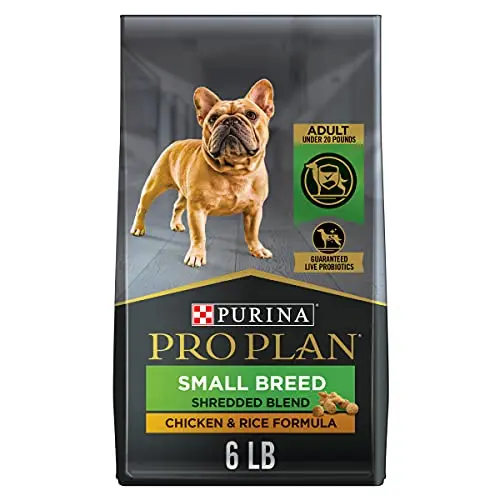
Savor Shredded Blend Small Breed – High-Protein Chicken & Rice Formula
A high-protein small breed formula that combines crunchy kibble with tender shredded pieces for a texture most dogs love. Real chicken is the first ingredient, and the recipe is fortified with live probiotics to support digestive and immune health. The bite-sized pieces are perfectly proportioned for miniature jaws, making it easy for small dogs to pick up and chew.
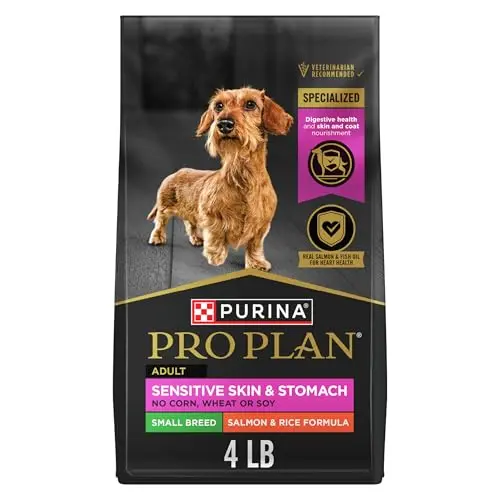
Sensitive Skin & Stomach Small Breed – Salmon & Rice
Designed for small dogs with delicate digestion or itchy skin, this formula uses real salmon as the primary protein source – a lean, easily digestible option. Sunflower oil delivers omega-6 fatty acids for a healthy coat, while oatmeal provides gentle, soluble fibre. It’s high in protein to meet the energy needs of active little dogs, and the kibble is sized for small mouths.
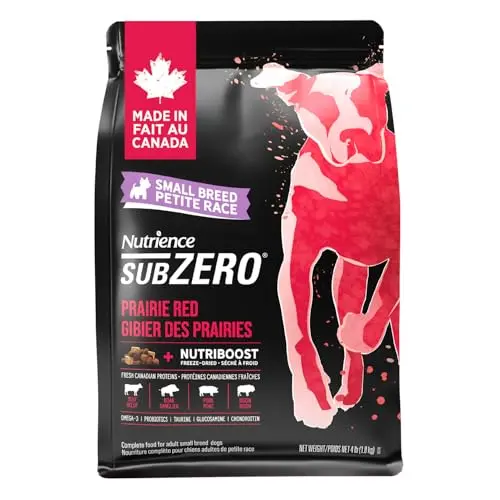
Grain Free Subzero Small Breed – Canadian Prairie Red Formula
Made in Canada with a multi-protein blend of beef, lamb, wild boar, pork, and bison, this grain-free recipe delivers high-quality protein plus a unique NUTRIBOOST freeze-dried raw cube for extra nutrition. The kibble is designed for small mouths and includes joint-supporting glucosamine, probiotics, and marine-sourced omega-3s.
How We Evaluated These High Protein Dog Foods for Small Dogs
We didn’t run lab protein assays or long-term feeding trials. What we did: cross-referenced 3 high-protein small breed formulas from 2 distinct brands across 5 decision axes – protein source and percentage, kibble size and texture, digestive support, skin and coat additives, and ingredient quality. We compared each product’s published specifications, examined ingredient lists, and aggregated owner feedback where available to build a clear picture of how these foods perform in real homes.
The scoring framework weighted real-world performance for small dogs (60%) – palatability, stool quality, coat condition, and ease of feeding – against feature differentiation (40%) – unique inclusions like probiotics, freeze-dried raw pieces, or targeted skin support. We have no commercial relationship with the brands; recommendations are driven by fit for small breed needs. If you’re looking for an everyday high-protein kibble that most small dogs love, the Pro Plan Savor is the place to start. If digestive sensitivity is your main concern, the Pro Plan Sensitive Skin & Stomach steps in as the gentle alternative.
How to Choose the Right High Protein Dog Food for Small Dogs
Why High Protein Matters for Small Dogs
Small dogs have a higher metabolic rate per kilogram than larger breeds, which means they burn through energy quickly. A diet rich in animal-based protein supports lean muscle maintenance and supplies essential amino acids that might otherwise be lacking in a lower-protein food. Look for formulas where a named meat, poultry, or fish appears first on the ingredient list – this indicates the protein comes primarily from whole sources rather than plant-based fillers. While exact percentages can vary, a dry food with at least 30% protein is generally considered high-protein and fitting for an active small dog.
Kibble Size and Texture: A Small Dog Essential
Even the best recipe won’t do much if your dog struggles to pick it up. Kibble size and shape are critically important for tiny jaws. Bite-sized pieces reduce the risk of choking and encourage proper chewing. Some brands, like Pro Plan, also incorporate varying textures – mixing crunchy kibble with soft shredded bits – to boost palatability. If you’re transitioning from a larger-breed food, you’ll likely notice less mess around the bowl and less hesitation at mealtime with a small-breed-specific kibble.
Ingredient Quality: What to Look For
Whole-food ingredients should be easy to recognize. Real animal proteins (chicken, salmon, bison) are preferable to vague “meat meal” unless the meal is specifically named. Look for whole grains or grain-free carbohydrates like brown rice, oatmeal, or legumes, and beneficial extras like omega-3s from fish oil or flaxseed for coat health. Avoid artificial colours, flavours, and preservatives – these offer no nutritional value and can sometimes trigger sensitivities. A high-quality small breed food will also often include digestive aids such as probiotics or prebiotic fibre.
Grain-Free vs. Grain-Inclusive: Does it Matter?
Grain-free diets use alternative carbohydrates like peas or lentils, and they can be helpful for the minority of dogs with grain allergies or intolerances. However, for most dogs, high-quality grains – oatmeal, brown rice, barley – provide gentle, digestible energy. The recent rise of grain-free options has been linked to a small increase in dilated cardiomyopathy (DCM) in some studies, though the connection isn’t fully understood. Unless your vet recommends a grain-free diet, a grain-inclusive high-protein food like the Pro Plan Savor is a safe bet. The Nutrience Subzero is a great grain-free choice if needed.
How to Switch Your Small Dog to a New Food
Small dogs can have delicate digestive systems, so a gradual transition is key. Mix about 25% new food with 75% old for two days, then 50/50 for two days, then 75% new for two days before fully switching. Watch for loose stools or excessive scratching during the transition; if issues persist beyond a week, the protein source might not agree with your dog. The salmon-based Pro Plan Sensitive script is often gentler for these transitions due to its single-novel protein approach.
Purina Pro Plan vs Nutrience: Which Small Breed Formula Wins?
Both brands offer credible high-protein small breed options, but they cater to slightly different priorities. Purina Pro Plan relies on decades of feeding trials and targets broad small-breed needs – texture, protein, and digestive health – with formulas like Savor and Sensitive Skin & Stomach. Nutrience appeals to owners who value Canadian sourcing, grain-free recipes, and the added raw freeze-dried boost. If your dog has a settled stomach and you want a conventional, widely available food, Pro Plan is hard to beat. If you’re drawn to novel proteins and a more ancestral approach, Nutrience is a compelling pick.
Frequently Asked Questions
What's the difference between Purina Pro Plan Savor and Sensitive Skin & Stomach small breed formulas?
The Savor formula uses chicken as its primary protein and features a shredded blend texture with crunchy kibble and tender pieces – designed for picky eaters. It includes live probiotics for digestion and is best for generally healthy small adults who need a tasty, everyday high-protein food. The Sensitive Skin & Stomach version swaps chicken for salmon and includes oatmeal as a gentle carbohydrate, making it ideal for dogs with itchy skin or digestive upset. It also contains sunflower oil for added omega-6 fatty acids. Both are excellent; the choice comes down to whether your dog has any sensitivities.
Is Nutrience Subzero better than Purina Pro Plan for small dogs?
‘Better” depends on your priorities. Nutrience Subzero is grain-free, made in Canada, and includes a unique freeze-dried raw NUTRIBOOST cube for extra joint, gut, and immune support. It uses multiple novel proteins like bison and wild boar, which can be great for dogs with chicken allergies. Purina Pro Plan offers more conventional protein sources and has extensive research behind its formulas, plus it’s often more affordable and easier to find. If you want a grain-free, raw-boosted diet and don’t mind a premium price, Nutrience is a winner. For broad small-breed reliability, Pro Plan remains a top choice.
Can I feed large-breed high-protein food to my small dog?
It’s not ideal. Large-breed foods are formulated with different calcium and phosphorus ratios and often have larger kibble sizes that are difficult for small mouths. Small breeds have faster metabolisms per kilo and need more energy-dense nutrition, so their foods are typically higher in fat and protein per gram. While a large-breed food might not be harmful short-term, it’s best to stick with a small-breed-specific formula to ensure the right nutrient balance and kibble size for your tiny dog.
Final Verdict
For the vast majority of small adult dogs, the Pro Plan Savor Shredded Blend earns our top recommendation. It delivers high protein and irresistible texture in a bite-sized package that even picky little eaters gobble up. If your dog struggles with frequent itching or tummy troubles, the Pro Plan Sensitive Skin & Stomach offers a gentle salmon-based alternative that really works. And for owners who prioritize grain-free, Canadian-made quality with a raw boost, the Nutrience Subzero Small Breed is a purpose-built powerhouse. Whichever you choose, you’re giving your small dog the fuel it needs to live big.