
Your dog sprints across the yard, muscles rippling under a glossy coat – that’s the power of protein at work. But with so many bags lining the pet store aisles, each claiming to fuel your pup’s best life, how do you choose a genuinely high-protein kibble that delivers? It’s not just about the percentage on the label; the source and quality of that protein matter just as much.
We dug into the details to separate the marketing hype from the formulas that actually pack a protein punch. Whether your canine companion is a couch-loving cuddler, a weekend warrior, or has a sensitive stomach, there’s a high-protein dry food that fits. Here’s our roundup of the five standouts across different brands – each earning its spot for a different reason.
Best High Protein Dry Dog Food – 2026 Reviews
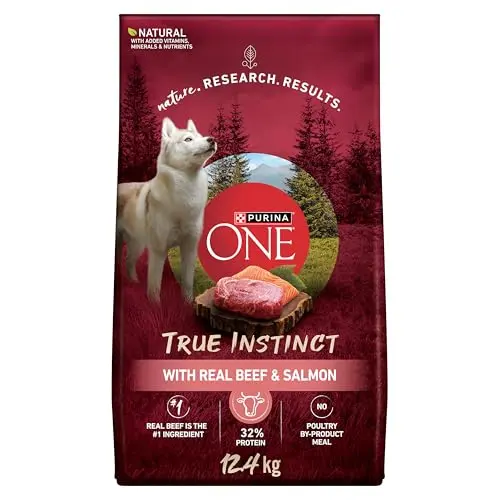
True Instinct Beef & Salmon – 32% Protein Powerhouse
With 32% protein from real beef and salmon, this nutrient-dense formula supports strong muscles and a healthy heart. Antioxidants from four sources help bolster the immune system, while natural ingredients deliver vet-recommended nutrition without breaking the bank.
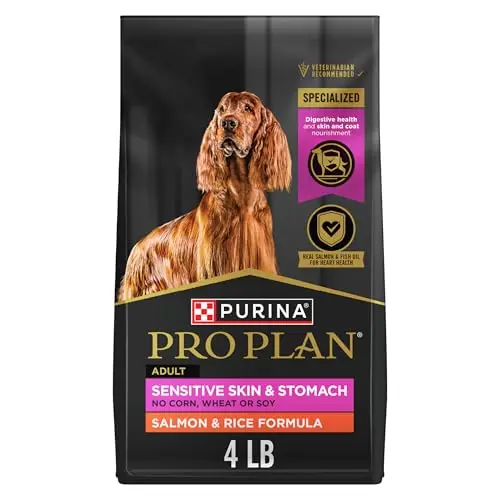
Sensitive Skin & Stomach Salmon – Gentle High-Protein Relief
Real salmon leads a high-protein recipe designed for dogs with delicate digestion. Omega-3 and -6 fatty acids from fish oil and sunflower oil soothe skin issues, while easily digestible oatmeal and prebiotic fibre calm the gut.
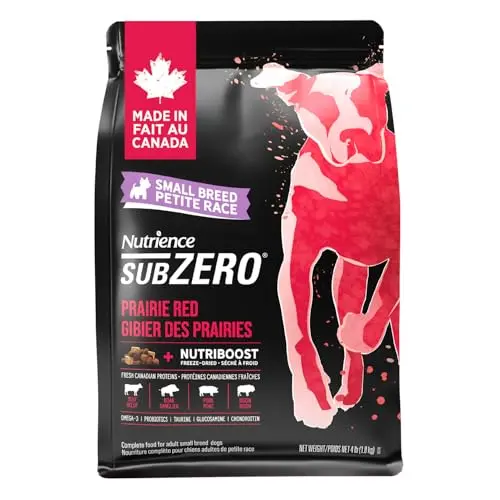
Subzero Small Breed Prairie Red – Grain-Free with Freeze-Dried Raw Boosts
A grain-free, high-protein kibble featuring a buffet of Canadian-sourced meats – beef, lamb, wild boar, bison. Each batch includes NUTRIBOOST freeze-dried raw cubes packed with green-lipped mussels for joints, pumpkin for digestion, and omega-3s.
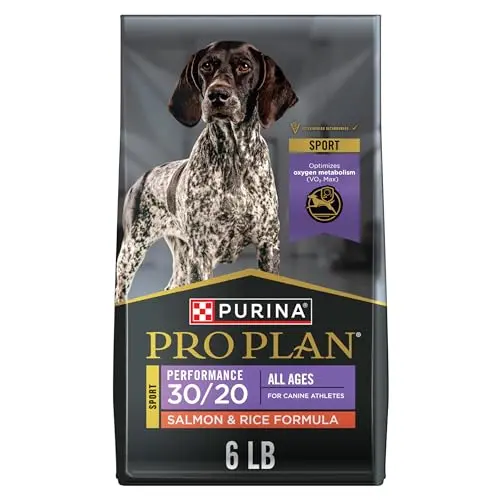
Sport 30/20 Salmon & Rice – Fuel for the Active Dog
30% protein and 20% fat create a dense energy formula tailored for athletic dogs. Real salmon, fortified with live probiotics, supports muscle repair and digestive health – so your dog can keep up on the trail or in the ring.
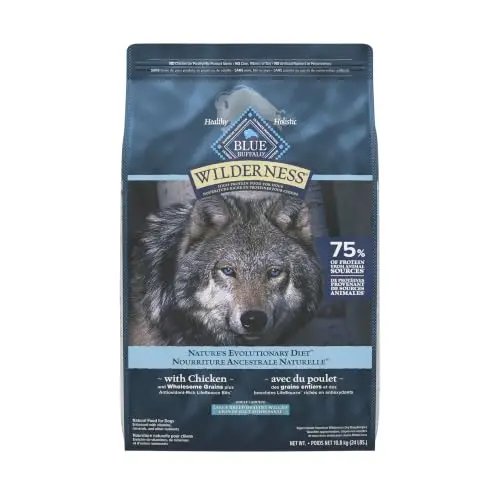
Wilderness Large Breed Chicken – High Protein for Weight-Conscious Big Dogs
28% protein helps large breeds maintain lean muscle while managing weight. Exclusive LifeSource Bits deliver a cold-formed antioxidant blend to support immune health, and the formula skips poultry by-products, corn, wheat, and soy.
How We Evaluated These High Protein Dry Dog Foods
We didn’t run controlled metabolic studies or analyze every amino acid in a lab. What we did: cross-referenced 5 high-protein dry dog food formulas from 4 distinct brands – Purina ONE, Pro Plan, Blue Buffalo, and Nutrience – across 6 critical decision axes: protein content and percentage, protein source quality (real meat vs. meals), additional functional ingredients (probiotics, joint support, omega fatty acids), target dog profile (active, sensitive, large breed), ingredient transparency, and overall value positioning. We triangulated published nutritional data, ingredient decks, and aggregated owner feedback where available to understand real-world performance.
The scoring framework weighted real-world fit and protein quality (60%) – how well each formula delivers usable protein for the intended dog – against feature differentiation (40%) – unique technical advantages like freeze-dried raw boosts, specialized probiotic blends, or grain-free formulations. We have no commercial relationship with any of the brands featured; our top picks landed where they did because of formula integrity and owner satisfaction, not brand preference. If you’re after a straightforward, high-protein all-rounder, the Purina ONE True Instinct Beef & Salmon is your match; if sensitive digestion is the priority, the Pro Plan Sensitive Skin & Stomach steps in.
How to Choose the Right High Protein Dry Dog Food
What Actually Makes a Dog Food 'High Protein'?
Not all “high protein” labels are created equal. In Canada, a dry dog food is generally considered high protein when it sits above 27-28% protein on an as-fed basis. The formulas we reviewed range from 28% to 32%, which puts them squarely in that territory. But percentages don’t tell the whole story – a 30% protein food using low-quality plant proteins won’t fuel your dog the same way a 28% food built on real meat will. Look for a whole meat or meat meal as the first ingredient, and check that the protein sources are clearly named (like salmon, beef, or chicken) rather than vague “poultry” or “animal” descriptors. When in doubt, the ingredient panel is more honest than the marketing copy.
Protein Sources: Meat, Meal, and By-Products Explained
The protein in your dog’s bowl can come from named meat, meat meal, or by-product meals. Whole meats (like “deboned chicken”) contain water, so they’re heavier but contribute less protein density by weight than a meat meal (like “chicken meal”), which is rendered, dried, and protein-concentrated. Quality matters: a named meal (e.g., “salmon meal”) is a great concentrated protein source, while generic “meat meal” raises red flags. By-product meals can be nutritious if they’re from named species and processed cleanly, but they often lack transparency. The best high-protein foods use a combination of whole meat for flavour appeal and named meat meals for amino acid heft – the Purina ONE and Pro Plan Sport formulas do this well.
Matching Protein Levels to Your Dog's Lifestyle
A couch-potato Chihuahua has vastly different protein needs than a border collie that runs agility courses three times a week. Active dogs require more protein per pound of body weight to repair muscle and sustain energy, which is why the Pro Plan Sport pushes 30% protein with higher fat. For average adult dogs, a maintenance level of 25-28% is sufficient, but if your dog is a working breed or loses weight quickly, stepping up to 30%+ can make a visible difference. Conversely, large breeds prone to joint issues (like Labs or Great Danes) benefit from a moderate high-protein food like the Blue Buffalo Wilderness Large Breed, which keeps protein elevated but calories controlled to protect growing joints.
Digestibility and Sensitive Stomach Considerations
Some dogs need high protein but have stomachs that revolt at rich meals. If your dog has loose stools, gas, or skin flare-ups, look for formulas that pair high-quality protein with digestible carbohydrates like oatmeal or rice, plus prebiotic fibres. The Pro Plan Sensitive Skin & Stomach excels here, using salmon as a single protein source and oatmeal as a gentle fibre. Avoid foods with multiple novel proteins if your dog has a known sensitivity – stick to one protein type until you’ve ruled out allergies. A gradual 7-10 day transition is non-negotiable when switching to high protein; it gives the gut bacteria time to adjust.
The Grain-Free vs. Grain-Inclusive Debate in High-Protein Formulas
The grain-free trend in high-protein dog food stems from the idea that dogs have limited ability to digest grains. While it’s true that some dogs thrive on grain-free diets, recent research has linked certain grain-free foods to dilated cardiomyopathy (DCM) in dogs, though the exact cause remains under investigation. The Nutrience formula we reviewed is grain-free and uses legumes and potatoes instead, which can be fine for dogs with confirmed grain allergies. However, most dogs do well on grain-inclusive high-protein foods that use wholesome grains like rice, barley, or oatmeal for energy and fibre. Don’t automatically dismiss a grain-inclusive option – the presence of brown rice or oatmeal doesn’t dilute protein quality; it often improves digestibility.
Reading Beyond the Protein Number: Other Key Nutrients
Protein grabs the headline, but a high-quality dog food needs a strong supporting cast. Essential fatty acids (omega-3 and -6) keep skin and coat healthy – look for fish oil, flaxseed, or sunflower oil. Antioxidants from ingredients like blueberries, spinach, or added vitamin E protect cells from oxidative damage, which is especially important in active dogs. Joint-supporting compounds like glucosamine and chondroitin are a bonus for large breeds or seniors. The Purina ONE and Pro Plan formulas both incorporate immune-boosting antioxidants, while the Nutrience packs joint support directly into its freeze-dried cubes. Always scan the full ingredient list, not just the protein number.
Frequently Asked Questions
How do I know if a high-protein dog food is right for my dog?
High-protein diets are generally safe for most adult dogs, but they’re especially beneficial for dogs with high energy demands: working breeds, pregnant or nursing females, and dogs recovering from illness or surgery. If your dog is otherwise healthy and has no kidney issues (a common myth – high protein doesn’t cause kidney disease in healthy dogs), a protein level around 28-30% is a great benchmark. Puppies need even more, but their food must be specifically labelled for growth. Watch your dog’s body condition: if they’re gaining unwanted weight, the high protein is probably paired with too many calories, and you might need a leaner option like the Blue Buffalo Wilderness Large Breed.
What's the difference between Purina ONE True Instinct and Pro Plan Sport?
Both are high-protein, but they serve different dogs. The Purina ONE True Instinct Beef & Salmon is a maintenance formula with 32% protein, aimed at everyday adult dogs. It’s packed with antioxidants and uses beef and salmon as primary proteins. The Pro Plan Sport 30/20 is a performance formula with 30% protein and 20% fat, designed for athletes. It includes live probiotics for digestive health under stress and has a specific amino acid profile for muscle repair. If your weekends involve the couch, the Purina ONE is plenty; if your dog is chasing frisbees for hours, the Pro Plan Sport’s extra fat and endurance-targeted nutrients win out.
Can high-protein food cause digestive problems?
Yes, if you switch too quickly. A sudden change to a rich, high-protein food can overwhelm the gut, leading to loose stools, gas, or even vomiting. Always transition over 7-10 days by gradually mixing increasing amounts of the new food with the old. Some dogs with true food sensitivities may also react to specific protein sources (like beef or chicken). In those cases, a limited-ingredient high-protein food with a novel protein like salmon – such as the Pro Plan Sensitive Skin & Stomach – can deliver the protein without the trouble. Always consult your vet if digestive issues persist beyond the transition period.
Is Nutrience Subzero better than Blue Buffalo Wilderness for grain-free dogs?
Nutrience Subzero emphasizes protein variety and freeze-dried raw boosts for a more ancestral-feeding philosophy, while Blue Buffalo Wilderness focuses on a balanced grain-free formula with antioxidant-rich LifeSource Bits. The Nutrience includes novel red meats (bison, boar) that can be beneficial for dogs with common protein allergies, and the raw cubes add an extra layer of nutrition and palatability. Blue Buffalo’s formula is more straightforward, with chicken as the main protein and no exotic ingredients. If your dog is a fussy eater or has chicken allergies, the Nutrience is the better bet; if you want a trusted grain-free brand with a simpler recipe, the Blue Buffalo works well. Both avoid corn, wheat, and soy.
Should I choose a food based on protein percentage alone?
No. Protein quality, source, and the surrounding nutrient profile matter just as much. A food could be 32% protein but derive much of it from plant sources, which are less bioavailable to dogs. Real meat, meat meal, and fish meal are superior because they provide complete amino acid profiles. Also, protein percentage is listed on an “as-fed” basis, which includes moisture – a canned food might show lower protein but actually provide more on a dry matter basis. Look at the ingredient list: if a whole meat is first, followed by meat meal, that’s a good sign. And don’t ignore healthy fats and antioxidants; they help your dog actually use that protein effectively.
Final Verdict
For the average adult dog, the Purina ONE True Instinct Beef & Salmon nails the high-protein brief without overcomplicating things. It offers 32% protein from real beef and salmon, solid antioxidant support, and broad owner satisfaction – all at a price that doesn’t feel like a punishment. If your dog has a sensitive stomach or skin issues, the Pro Plan Sensitive Skin & Stomach Salmon is the specialist that brings relief while keeping protein high. Grain-free seekers will find their match in the Nutrience Subzero, and high-octane athletes belong on the Pro Plan Sport. Whatever your dog’s protein profile, there’s a formula here that’ll keep that tail wagging.