
Bringing home a new puppy is equal parts joy and responsibility, and one of the first big decisions you’ll make is what to feed them. The right nutrition during those critical early months lays the foundation for healthy growth, strong bones, and a sharp mind. But with so many bags and cans claiming to be the best, how do you actually tell which ones deliver genuinely high-quality puppy food? That’s where we come in.
We’ve cross-shopped the market to identify formulas that go beyond basic fillers, focusing on real-meat-first ingredients, brain-boosting DHA, digestive support, and breed-specific tweaks where they actually matter. Whether you’ve got a tiny Yorkie with a delicate stomach or a growing Labrador who’ll need joint support from day one, the right chow exists-and it’s probably not the one with the flashiest ad campaign.
Our picks span multiple brands because real quality isn’t about one label; it’s about what’s in the bag and how it serves your pup’s specific needs. Below, you’ll find our favourite high-quality puppy foods, broken down by what they do best. No guesswork, just practical guidance for one of the most important purchases you’ll make this year.
Best High-Quality Puppy Food – 2026 Reviews
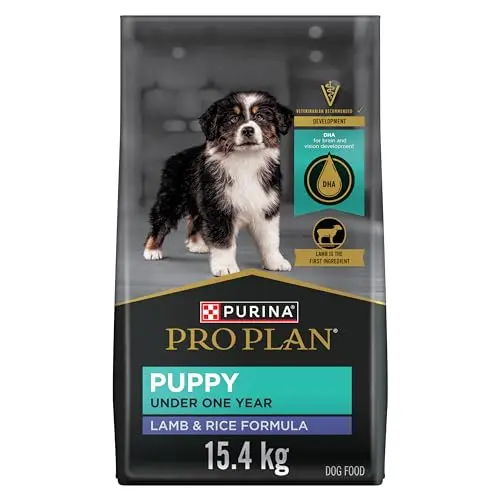
Development Lamb & Rice – High-Protein Large-Bag Puppy Formula
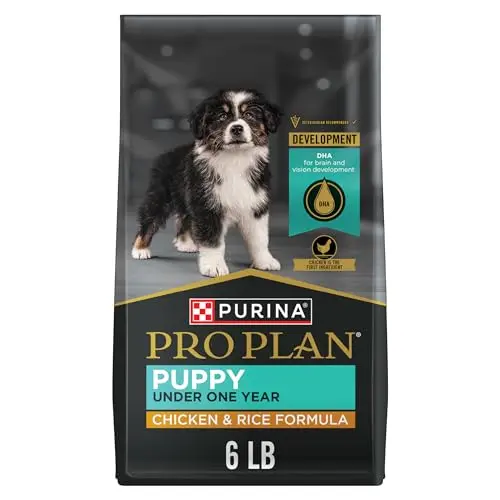
Chicken & Rice Formula – Brain & Vision Support for Puppies
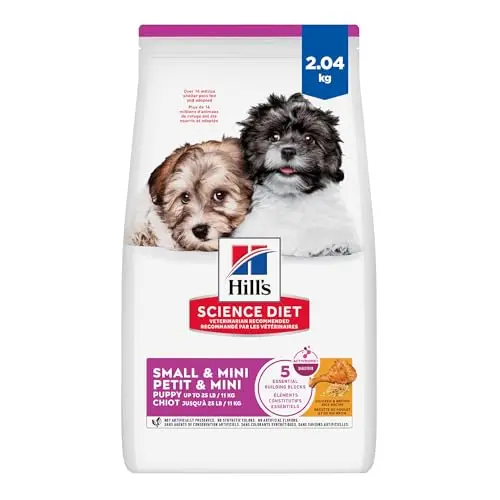
Small & Mini Chicken & Brown Rice – Tiny Kibble for Toy Breeds
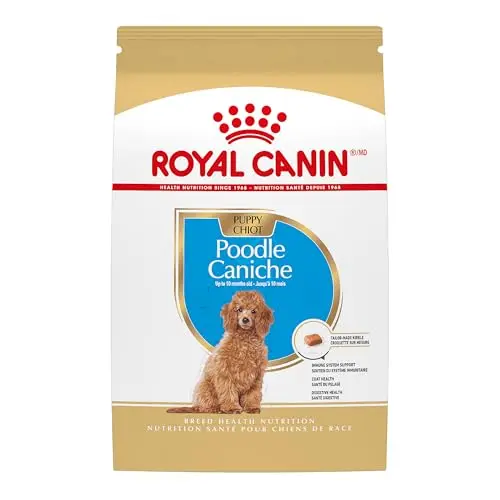
Poodle Puppy – Breed-Specific Nutrition for Curly Coats
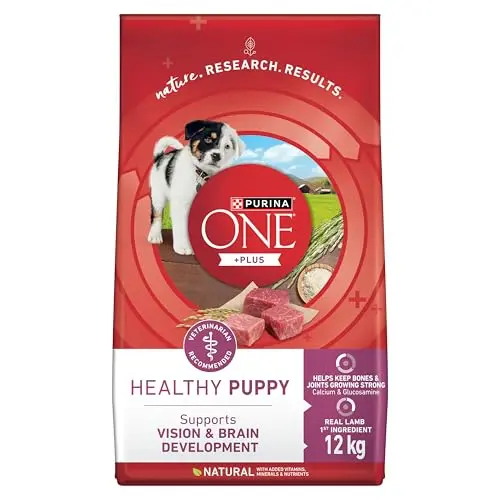
+Plus Healthy Puppy Lamb – DHA for Brain Development
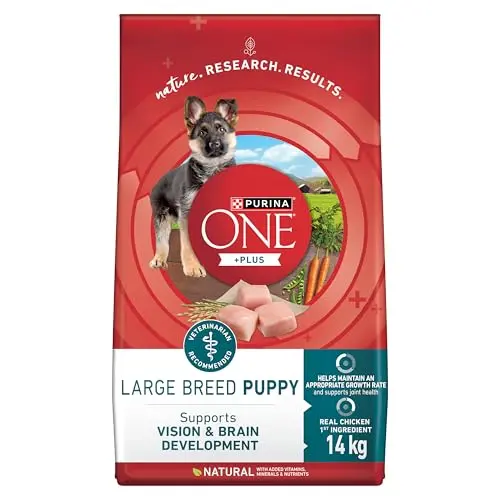
+Plus Large Breed Chicken – Joint Support for Growing Giants
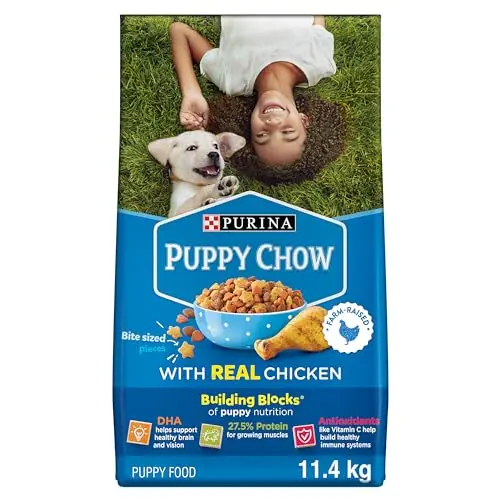
Complete with Chicken – Budget-Friendly, Brain-Boosting Nutrition
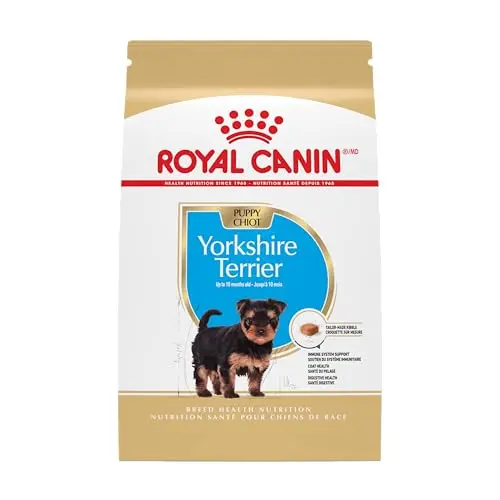
Yorkshire Terrier Puppy – Breed-Specific Formula for Yorkies
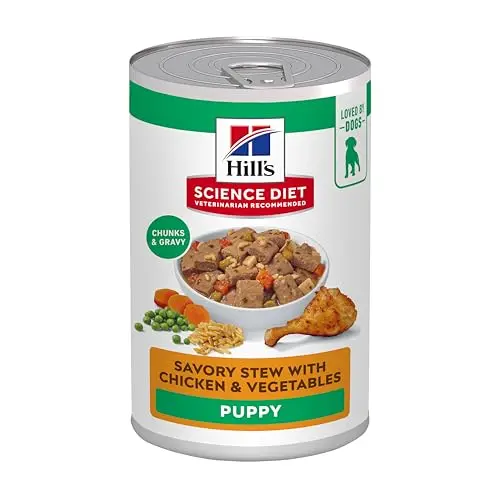
Savory Stew with Chicken & Vegetables – Wet Food for Picky Eaters
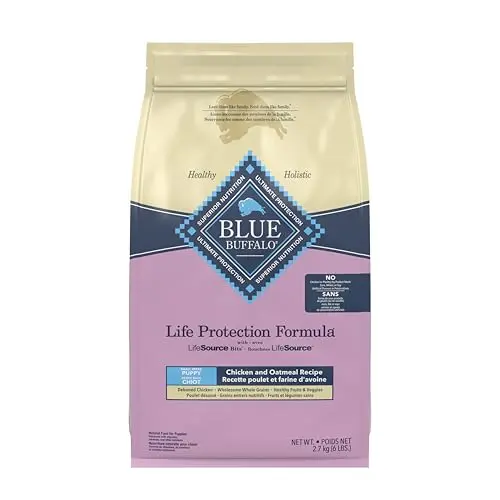
Life Protection Small Breed Chicken & Oatmeal – Natural with LifeSource Bits
How We Evaluated These High-Quality Puppy Foods
We didn’t raise a kennel of puppies on these foods. What we did: cross-referenced 10 dry and wet puppy food models from 6 distinct brands-Pro Plan, Science Diet, Royal Canin, Blue Buffalo, Purina ONE, and Puppy Chow-across 5 key nutritional axes: protein quality and source, DHA and omega fatty acid content, inclusion of digestive aids like probiotics, breed-size suitability, and ingredient transparency. We triangulated published formulations, aggregated owner feedback where available, and assessed use-case fit for different puppy profiles (toy breeds, large breeds, picky eaters). The scoring framework weighted real-world nutritional fit (60%) against feature differentiation (40%)-like probiotic inclusion or breed-specific kibble design. We have no commercial relationship with any of the brands; our picks track what each formula does best, not brand loyalty. If you’re looking for an all-around, high-protein champion, the Purina Pro Plan Development Lamb & Rice is our top pick; for a chicken-based alternative with strong brain support, the Pro Plan Chicken & Rice is a close runner-up.
How to Choose the Right High-Quality Puppy Food
What Makes a Puppy Food 'High-Quality'?
High-quality puppy food starts with real, named meat as the first ingredient-look for ‘chicken,’ ‘lamb,’ or ‘salmon,’ not vague ‘meat meal.’ It also avoids artificial colours, flavours, and fillers like corn gluten. Added DHA and omega fatty acids are a must for brain and eye development, and probiotics or prebiotic fibre signal digestive care. The best formulas have balanced calcium and phosphorus for steady bone growth, especially crucial for large breeds. When you see these markers, you’re paying for nutrition that actively supports development rather than just filling a bowl.
Key Nutrients Every Puppy Food Should Have
Beyond protein, a high-quality puppy food delivers DHA (from fish oil) for cognitive and vision development, antioxidants (like Vitamin E) to support the immune system, and omega-3 and omega-6 fatty acids for a shiny coat. Calcium and phosphorus in the right ratio build strong bones, while glucosamine is a bonus for large breeds prone to joint issues. Live probiotics are increasingly common and can make a real difference in stool quality and overall gut health. If a food lists these nutrients and backs them with specific, measurable amounts, it’s a strong contender.
Dry vs. Wet Puppy Food: Which Is Best?
Dry kibble is convenient, supports dental health through chewing, and often provides better cost-per-serving. It’s the most popular choice for a reason. Wet food, on the other hand, can be a lifesaver for picky eaters or puppies with small mouths struggling with hard kibble. The stew-like texture and stronger aroma entice reluctant appetites, and the higher moisture content can aid hydration. Many owners mix wet and dry to get the best of both worlds. For a top wet option, the Hill’s Science Diet Savory Stew is our go-to for its palatable chunks and DHA inclusion.
Does Breed Size Matter When Choosing Puppy Food?
Absolutely. Large breed puppies (like Labs, Shepherds, and Great Danes) need controlled calcium and phosphorus levels to avoid too-rapid bone growth that can lead to joint disorders later. They benefit from glucosamine and chondroitin for developing joints, and larger kibble that encourages chewing. Small breeds burn energy faster and need calorie-dense, small-bite kibble they can manage with tiny mouths. Toy breeds like Yorkies and Chihuahuas often require micro-kibble just to eat comfortably. Our Hill’s Science Diet Small & Mini is purpose-built for the littlest pups, while the Purina ONE Large Breed adds joint-smart glucosamine.
Purina Pro Plan vs. Hill's Science Diet: Which Brand Wins?
Both are vet-recommended heavyweights, but they shine in different ways. Pro Plan tends to offer higher protein levels and live probiotics, making it ideal for active, growing pups needing digestive support. Its formulas like Development Lamb & Rice are all about building lean muscle. Science Diet leans into gentle, balanced nutrition with a focus on small kibble for tiny mouths and a strong veterinary heritage. The Small & Mini recipe is unmatched for teacup breeds. In practice, choose Pro Plan for a performance-oriented, probiotic-rich diet and Science Diet for small breeds or sensitive stomachs.
Common Mistakes When Buying Puppy Food
The biggest mistake? Assuming all ‘natural’ or ‘premium’ labels equal quality. Turn the bag over and check the first ingredient-if it’s a vague meat meal or grain, keep looking. Another common pitfall is ignoring breed size: feeding a generic puppy food to a large breed can cause joint problems, while giving small breeds big kibble leads to frustration and under-eating. Also, switching foods too quickly can upset a puppy’s stomach; always transition over 7-10 days. Finally, don’t buy in bulk until you’re sure your pup actually likes the flavour-even the fanciest food is wasted if it ends up on the floor.
Frequently Asked Questions
What's the difference between Purina Pro Plan and Hill's Science Diet for puppies?
Both are excellent, but Pro Plan typically packs more protein and includes live probiotics in many formulas, which can be a boon for muscle development and gut health. Science Diet emphasizes balanced, gentle nutrition and is a go-to for small breeds because of its tiny kibble size. In terms of flavour, Pro Plan tends to be richer, while Science Diet offers simpler, highly digestible recipes. If your priority is digestive support and high protein, go Pro Plan; for small mouths and a vet-developed pedigree, Science Diet takes the lead.
Should I choose wet or dry food for my puppy?
It depends on your pup. Dry kibble is more economical and helps scrub teeth, making it the default choice for most. Wet food has higher moisture content, a stronger smell, and a softer texture, which can entice picky eaters or puppies with dental issues. Many owners mix both: dry for the dental benefits and wet for flavor and hydration. Our top wet pick, Hill’s Science Diet Savory Stew, works beautifully as a topper or a standalone meal for puppies who turn up their noses at kibble.
How do I know if a puppy food is truly high quality?
Start by reading the ingredient list: the first item should be a named meat like chicken, lamb, or fish. Look for DHA (an omega-3 fatty acid) listed explicitly for brain development, antioxidants like Vitamin E, and probiotics or prebiotic fibre for digestion. Avoid artificial preservatives (BHA, BHT) and generic ‘animal by-products.’ A high-quality food will also state its calcium-to-phosphorus ratio-around 1.2:1 is ideal-and be formulated to meet AAFCO standards for growth.
When should I switch my puppy to adult food?
The right timing depends on your dog’s breed size. Small breeds can often switch around 9-12 months, while medium breeds may transition at 12 months. Large and giant breeds, however, should stay on puppy food until 12-18 months to allow for controlled, steady growth that supports joint health. Watch for signs like levelling off in weight gain or a noticeable decrease in energy needs. Always transition slowly over a week to avoid digestive upset.
Can large breed puppies eat regular puppy food?
They can, but it’s not ideal. Regular puppy foods may have higher calcium and phosphorus levels that can cause rapid bone growth, increasing the risk of hip dysplasia and other joint issues in large breeds. A dedicated large breed puppy formula-like the Purina ONE Large Breed Puppy-manages mineral balance and adds glucosamine for joint development. If you’re raising a Lab, Shepherd, or any dog expected to top 50 lbs, the large breed version is a safer investment in their long-term mobility.
Final Verdict
For most puppies, the Purina Pro Plan Development Lamb & Rice is the answer-it delivers high protein, live probiotics, and DHA in a generously sized bag that keeps up with a growing pup. If you prefer a chicken-based formula or want a smaller trial size, the Pro Plan Chicken & Rice is a near-identical standout. Tiny breeds deserve the Hill’s Science Diet Small & Mini for its matchless kibble size, while large breed guardians should reach for the Purina ONE Large Breed for joint-smart nutrition. And if your budget is tight but you won’t compromise on chicken-first nutrition, the Purina Puppy Chow is the clear value winner. Whatever you choose, your puppy’s bowl should fuel a lifetime of healthy wags-and these picks get it right.