
Watching your dog scratch, lick, or suffer from chronic ear infections is heartbreaking – and pinning down the culprit often leads straight to the food bowl. For many dogs, the most common allergens are proteins like chicken, beef, or dairy. That’s why choosing the right meat-based dog food – one built around a novel protein your pup hasn’t been exposed to – can make all the difference.
In this buyer’s guide, we break down 10 top contenders across 7 brands, from vet-recommended dry kibble to freeze-dried raw toppers, all with real meat as the first ingredient and formulas designed for sensitive digestion. Whether you’re navigating an elimination diet or just looking for a cleaner, simpler bowl, here’s what to look for – and where each option fits.
Best Meat Dog Foods for Food Allergies – 2026 Reviews
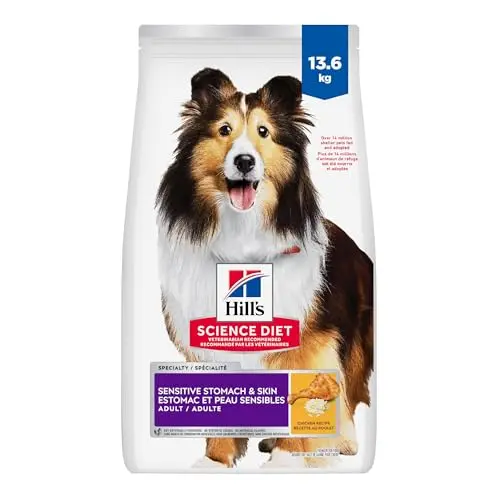
Sensitive Stomach & Skin Chicken Recipe – Gentle Digestion Support
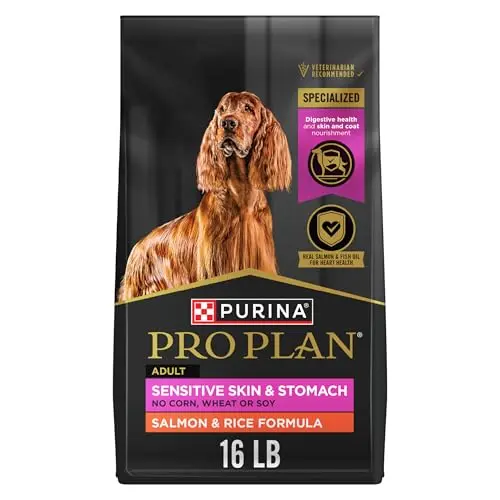
Sensitive Skin & Stomach Salmon & Rice – Novel Protein Powerhouse
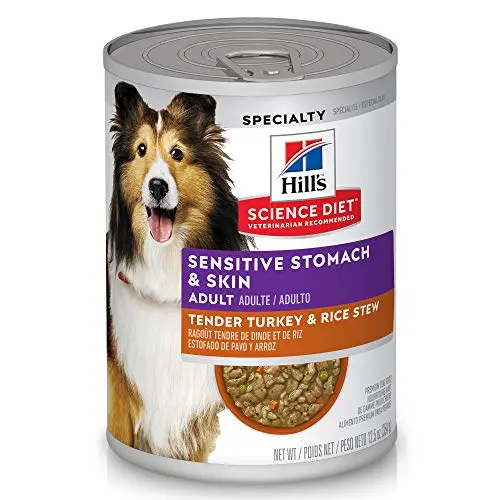
Sensitive Stomach & Skin Turkey & Rice Stew – Wet Food Comfort

Superfood Blend Salmon, Egg & Pumpkin – Limited Ingredient Simplicity
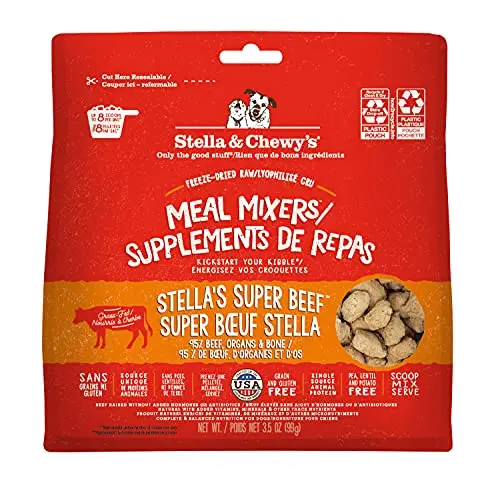
Super Beef Meal Mixer – Freeze-Dried Raw Boost

True Instinct Beef & Salmon – High-Protein Muscle Support
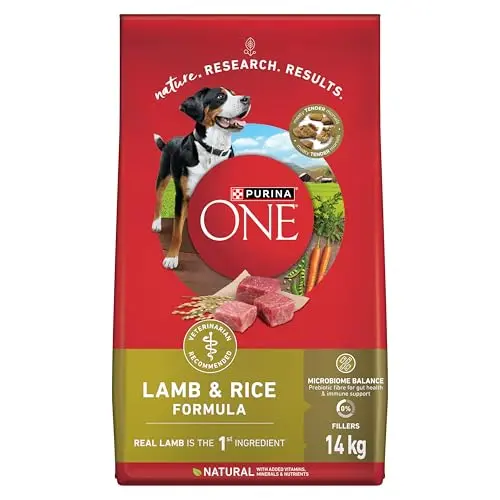
Microbiome Balance Lamb & Rice – Affordable Gut Health
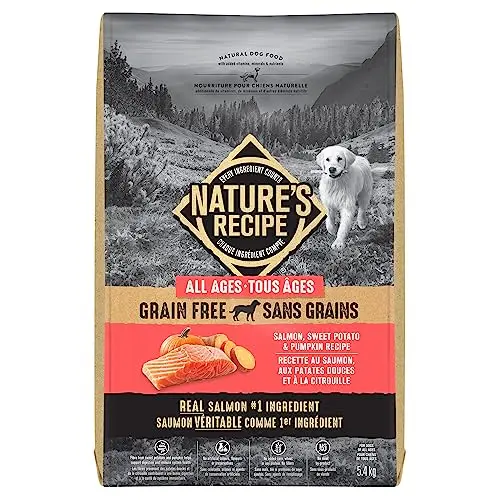
Salmon, Sweet Potato & Pumpkin Recipe – Grain-Free Clean Eating
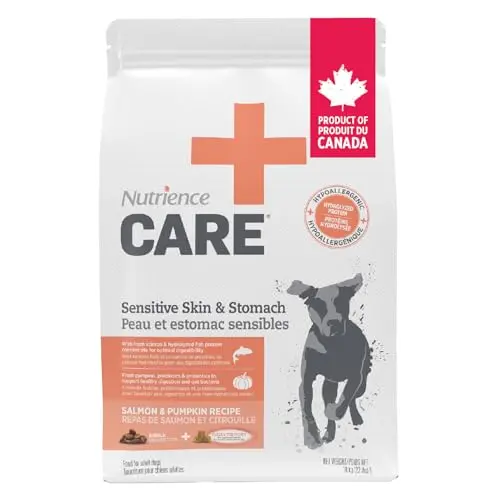
Care Sensitive Skin & Stomach Salmon – Targeted Allergy Relief

Remarkable Red Meat Dinner Patties – Raw Novel Protein Plate
How We Evaluated These Meat Dog Foods for Food Allergies
We didn’t run veterinary elimination diet trials. What we did: cross-referenced 10 meat-based dog food models from 7 distinct brands across 5 decision axes – protein novelty and source quality, digestibility support (prebiotics, probiotics), ingredient transparency, customer-reported outcomes for allergies, and overall nutritional balance. We triangulated published specifications, ingredient lists, and aggregated owner feedback where available against representative allergy-related scenarios like itchy skin, ear infections, and digestive upset.
The scoring framework weighted real-world allergy management (60%) – how well each formula uses novel proteins and digestive aids to reduce symptoms – against feature differentiation (40%) – unique attributes like raw format, specific prebiotic blends, or omega profiles. We have no commercial relationship with any of the brands featured; recommendations track fit and differentiation, not brand preference. If you’re navigating a suspected chicken allergy, the Pro Plan Salmon & Rice is your clear starting point; if your dog simply has a sensitive stomach without a confirmed protein trigger, the Hill’s Science Diet Chicken remains a vet-trusted staple.
How to Choose the Right Meat Dog Food for Food Allergies
Why Novel Proteins Matter for Food Allergies
The most common canine food allergens are chicken, beef, dairy, and wheat. If your dog has been eating a chicken-based diet for years and develops itching, ear infections, or loose stools, the immune system may have become sensitized to that protein. Switching to a novel protein – one your dog has never eaten – gives the body a break. Salmon, lamb, turkey, and venison are popular choices, though some dogs react to lamb if previously exposed.
When selecting a food, look for a single animal protein source listed first on the ingredient panel. Avoid vague terms like ‘meat meal” or ‘poultry by-product.” If you’re unsure which protein triggers your dog, an elimination diet trial under veterinary guidance is the gold standard. The Nutrience Care Salmon is purpose-built for this scenario.
Dry vs. Wet vs. Raw: Which Form Is Best?
Dry kibble is convenient, shelf-stable, and often the most budget-friendly. Many sensitive-stomach formulas now include prebiotic fibres and coated probiotics for digestive support. Wet food adds moisture, which helps dogs with urinary or hydration issues, and its aroma can entice picky eaters. Freeze-dried raw offers a minimally processed alternative with high meat content; it’s excellent for dogs who need a palatable boost but still want the simplicity of scoop-and-serve.
For allergy management, wet and raw foods often use fewer fillers, but they’re pricier. A middle ground is to rotate between dry and topper: use a limited-ingredient kibble as a base and add a spoonful of freeze-dried raw like the Stella & Chewy’s Super Beef Meal Mixer for variety.
How to Identify Quality Meat-Based Ingredients
Start with the named protein: ‘salmon,” ‘lamb,” ‘beef” should be the first ingredient, ideally followed by a named meal (e.g., ‘salmon meal”) for concentrated protein. Avoid foods where plant proteins (pea, lentil) dominate the top spots. Check for digestive aids like pumpkin, chicory root (inulin), or probiotics – these support the gut microbiome, which is often disrupted in allergic dogs. Omega fatty acids from fish or coconut oil also help repair the skin barrier.
Watch for hidden allergens: many ‘grain-free” recipes substitute wheat or corn with peas or potatoes, which can occasionally cause their own sensitivities. If your dog’s symptoms persist, try a formula that strips out even common vegetables, like a true limited-ingredient diet.
Limited Ingredient Diets and Elimination Trials
A limited-ingredient diet (LID) contains the fewest possible components to minimize the chance of a reaction. They typically feature one protein and one carbohydrate source, plus essential vitamins. When conducting an elimination trial, feed only the LID for 8-12 weeks with no treats, table scraps, or flavoured medications. If symptoms improve, you’ve likely found a safe protein. The Beyond Superfood Blend is a practical entry-level LID.
Keep in mind that an LID doesn’t have to be permanent. Once you’ve identified safe ingredients, you can gradually reintroduce other foods. The goal is a balanced diet that keeps your dog symptom-free and excited about mealtime.
Rotational Feeding for Allergy Management
Rotating between two or three novel proteins can prevent future food sensitivities from developing. By giving the immune system a break from any single protein, you lower the risk of sensitization. For example, you might feed a salmon-based kibble for three months, then switch to a lamb-based one. Both the Purina ONE Lamb & Rice and Nature’s Recipe Salmon are affordable rotation partners. Just transition gradually over 7-10 days to avoid digestive upset.
Rotation also keeps mealtime interesting. Freeze-dried toppers like the Stella & Chewy’s Red Meat Patties can introduce a new protein without committing to a full bag. The key is variety within a controlled, safe framework.
Frequently Asked Questions
What's the difference between Hill's Science Diet and Pro Plan for sensitive dogs?
Both are vet-recommended, but they take slightly different approaches. Hill’s Science Diet Sensitive Stomach & Skin (chicken or turkey) relies on highly digestible ingredients and prebiotic beet pulp to soothe the gut, making it excellent for general digestive sensitivity and mild skin issues. Pro Plan Sensitive Skin & Stomach uses salmon as a novel protein, plus oatmeal and omega-3s, which makes it a stronger choice when you suspect a specific protein allergy to chicken. If your dog has firm stools but constant itching, Pro Plan is often the better fit. If loose stools are the main complaint, either can work, but Hill’s has a longer track record in that area.
Is lamb or salmon better for dogs with food allergies?
It depends on what your dog has been exposed to. Salmon is considered a novel protein for most dogs because it’s rarely used in standard pet foods, making it an excellent choice for elimination trials. Lamb was once a go-to novel protein but is now more common; some dogs may already have a sensitivity to it if they’ve eaten lamb-based formulas before. If you’re starting from scratch with no known safe proteins, salmon-based foods like the Pro Plan Salmon have a higher likelihood of success. If lamb is new to your dog, the Purina ONE Lamb & Rice is a budget-friendly option.
Can I feed a raw diet to a dog with food allergies?
Yes, and many owners find raw diets helpful because they’re naturally limited in ingredients. Freeze-dried raw options like Stella & Chewy’s allow you to feed a raw meat formula without handling fresh raw meat daily. However, the same allergen rules apply: choose a novel protein your dog hasn’t eaten before. Raw diets are also typically free of synthetic additives and fillers, which reduces the total number of potential triggers. Start with a small bag as a topper before committing to a full raw regimen.
How do I transition my dog to a new protein for allergies?
Transition over 7-10 days by mixing the new food with the old, gradually increasing the ratio. Start with 25% new, 75% old for two days, then 50/50 for three days, then 75% new, 25% old for two days before going 100% new. For an elimination diet, stop all treats, table scraps, and flavoured chews during this period. If your dog has a known severe allergy, consult your vet – they may recommend a faster switch under monitoring. Watch for improvement in symptoms within 4-6 weeks.
Final Verdict
For most dogs with food allergies, the Pro Plan Sensitive Skin & Stomach Salmon & Rice is the answer – it combines a proven novel protein with skin-soothing omegas and digestive prebiotics in a formula that handles the allergy trifecta: itching, ears, and gut. If your dog’s issues are more digestive than allergic, the Hill’s Science Diet Chicken remains a vet-trusted workhorse. Budget-conscious owners get a lot of allergy relief from the Purina ONE Lamb & Rice, and if you need a therapeutic-level solution, the Nutrience Care Salmon is purpose-built for elimination diets. Choose the one that matches your dog’s specific triggers – and your budget – and you’ll be on the path to a calmer, happier pup.