
If your dog is scratching non-stop, dealing with chronic ear infections, or struggling with digestive upset, you’ve probably had the food allergy conversation with your vet more than once. The search for a hypoallergenic diet can feel endless – and when you’re already committed to a plant-based lifestyle, finding a formula that checks both boxes is even trickier.
That’s where plant-based hypoallergenic dog foods step in. By ditching animal proteins (the most common canine allergen) and leaning on novel plant proteins, these recipes aim to calm the immune system while still providing complete nutrition. But not every bag is created equal: the protein source, carbohydrate quality, and added superfoods all play a role in how well your dog actually thrives.
We compared the leading plant-based and vegetarian hypoallergenic formulas across multiple brands to help you cut through the noise. Whether you need a vet-strength solution for severe allergies or a sustainable kibble for everyday sensitivity, here’s what actually works.
Best Plant-Based Dog Food for Hypoallergenic Needs – 2026 Reviews
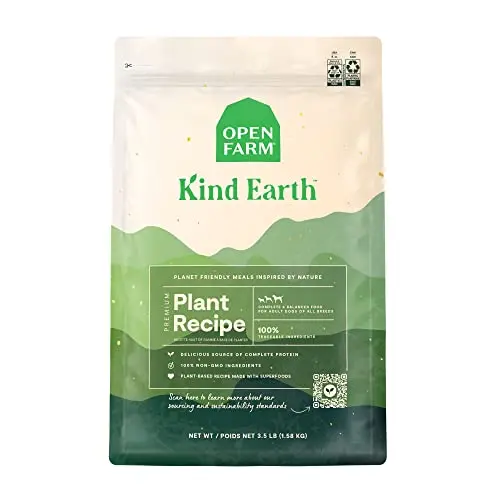
Kind Earth Dry Kibble – Hypoallergenic & Planet-Friendly
The Open Farm Kind Earth kibble delivers a vet-formulated, plant-based diet that’s gentle on sensitive stomachs. With non-GMO ancient grains, pumpkin, and coconut oil, it’s built for dogs with food allergies while keeping things eco-friendly.
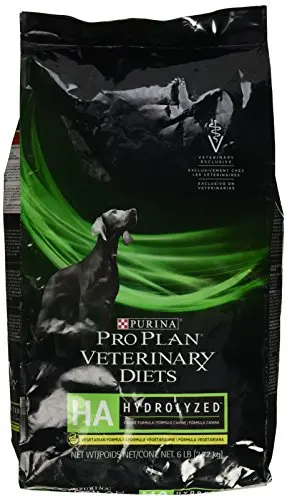
HA Hypoallergenic Vegetarian Formula – Vet-Strength Allergy Relief
A veterinary diet that uses hydrolyzed protein to eliminate allergic reactions, perfect for dogs with severe food sensitivities. It’s a vegetarian, science-backed solution for long-term digestive health.

Kind Earth Plant-Based Pâté – Hypoallergenic Wet Food
A velvety pâté that serves as a complete meal or topper, free from meat, dairy, and soy. It’s a tasty way to add variety to your dog’s hypoallergenic diet.
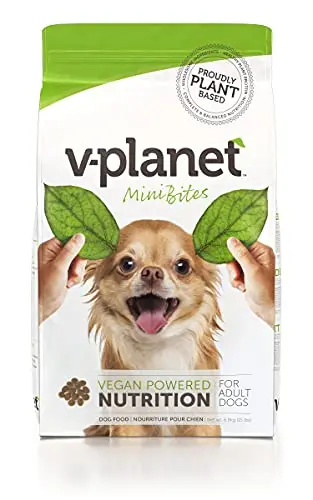
Vegan Mini Bites – Plant-Powered Hypoallergenic Kibble
A vegan kibble that’s entirely plant-based and hypoallergenic, using human-grade ingredients and skipping common allergens like wheat and soy. It’s a solid choice for eco-conscious pet parents.
How We Evaluated These Plant-Based Dog Foods for Hypoallergenic Needs
We didn’t conduct long-term feeding trials or allergy testing. What we did: cross-referenced 4 plant-based formulas from 3 distinct brands across 5 decision axes – protein source and quality, carbohydrate allergens, added functional ingredients (omega-3s, prebiotics), format (dry vs. wet), and eco-credentials. We triangulated published specifications, owner feedback where available, and use-case fit against representative hypoallergenic needs.
The scoring framework weighted real-world allergy management (60%) – how effectively each formula eliminates common triggers and supports digestive health – against feature differentiation (40%) – unique advantages like hydrolyzed protein, wet food texture, or vegan ingredient sourcing. We have no commercial relationship with any of the brands featured; recommendations track fit and differentiation, not brand preference. If your dog needs a complete plant-based kibble that’s both effective and gentle, the Kind Earth Kibble is your match; if you’re dealing with severe, diagnosed allergies, the Pro Plan HA is the science-backed choice.
How to Choose the Right Plant-Based Dog Food for Hypoallergenic Needs
What Makes a Dog Food Plant-Based?
The term ‘plant-based’ means the formula derives its protein, fat, and carbohydrates from fruits, vegetables, grains, and legumes – not meat, poultry, or fish. Some plant-based foods are vegan (like V-Planet and Open Farm), while others are vegetarian (like Pro Plan HA, which may include milk products in the hydrolyzed protein). For hypoallergenic needs, a plant-based diet removes the most common canine allergens: beef, chicken, and dairy. Instead, it relies on novel protein sources like lentils, peas, and quinoa that most dogs haven’t been exposed to, reducing the risk of an immune reaction.
How Plant-Based Diets Help Hypoallergenic Dogs
Food allergies in dogs are almost always triggered by proteins – most often animal proteins. By switching to a plant-based formula, you’re sidestepping those triggers entirely. In addition, many plant-based recipes are limited ingredient by nature, making it easier to isolate and avoid specific allergens. For instance, the Open Farm Kind Earth kibble uses ancient grains and pumpkin, both gentle on the gut, while V-Planet relies on lentils and quinoa. The key is finding a protein source your dog hasn’t encountered before; that’s why hydrolyzed vegetarian diets like Pro Plan HA are so effective – the protein is broken into particles too small to trigger an allergy.
Key Protein Sources in Plant-Based Dog Food
Look for legume-based proteins (lentils, peas, chickpeas) or ancient grains (quinoa, amaranth) – they offer a complete amino acid profile when combined. Avoid formulas heavy on soy or corn gluten meal, as these can still be allergens for some dogs. The Open Farm dry food uses a blend of quinoa, chia, and pumpkin, while V-Planet leans on lentils, peas, and quinoa. Both are excellent choices. If you need a veterinary option, the Pro Plan HA’s hydrolyzed soy protein is safe even for extreme cases.
Wet vs. Dry: Which Format Suits Your Dog?
Dry kibble is convenient, cost-effective, and helps with dental health through chewing. It’s the go-to for everyday feeding. The Open Farm Kind Earth kibble and V-Planet mini bites both fall into this category. Wet food, on the other hand, is higher in moisture – beneficial for dogs with urinary issues or those who don’t drink enough water. The Open Farm pâté makes an excellent topper or full meal for picky eaters, though it’s pricier per serving. Many hypoallergenic dogs do well on a mix of both, with wet food used as a daily topper.
Transitioning to a Hypoallergenic Diet
Switching to any new food – especially a plant-based one – should take 7 to 10 days. Start with 25% new food mixed into the old, gradually increasing the ratio. Keep an eye out for any digestive upset (loose stool, gas) and slow down if needed. Because plant-based diets are often higher in fiber, some dogs may experience minor bloating initially. Adding a probiotic supplement can help. Once fully transitioned, most dogs show improvement in skin, coat, and stool quality within a month.
Frequently Asked Questions
Can plant-based dog food really help with allergies?
Absolutely. Since most canine food allergies are triggered by animal proteins (beef, chicken, dairy), removing them from the diet and replacing them with novel plant proteins can eliminate the reaction. Plant-based formulas often have a shorter ingredient list, making it easier to avoid common allergens. Many owners see significant improvement in itching, ear infections, and digestive issues within weeks of switching. That said, if your dog has a known allergy to a specific plant ingredient (like soy or wheat), you’ll still need to read labels carefully.
What's the difference between Open Farm Kind Earth Kibble and V-Planet Vegan Kibble?
Both are complete plant-based kibbles that are hypoallergenic, but they have different protein and ingredient profiles. Open Farm’s Kind Earth uses ancient grains like quinoa and chia, plus pumpkin and turmeric, in a larger kibble size suitable for all breeds. It’s not certified vegan but is entirely plant-based, with an emphasis on eco-friendly sourcing. V-Planet is explicitly vegan and cruelty-free, using lentils, peas, and quinoa in a mini-bite size ideal for small to medium dogs. V-Planet also avoids corn, wheat, and soy entirely. In terms of allergen control, both perform well, but Open Farm may edge ahead in digestibility thanks to its added prebiotic fibers.
How does Pro Plan HA compare to plant-based hypoallergenic foods?
Pro Plan HA is a veterinary therapeutic diet, meaning it’s designed for the most severe food allergies. Unlike standard plant-based kibbles, it uses hydrolyzed protein – protein broken down so the immune system can’t recognize it as an allergen. This makes it much more effective for dogs who still react to whole plant proteins. The trade-off: it’s prescription-only, significantly pricier, and less appealing to some dogs. If a store-bought plant-based food like Open Farm or V-Planet works, that’s usually the more economical and convenient choice. If not, the HA formula is the next logical step.
Are all plant-based dog foods also hypoallergenic?
Not necessarily. While plant-based diets eliminate the most common animal protein allergens, some can still contain allergenic plant ingredients like soy, wheat, or corn. A truly hypoallergenic plant-based dog food will explicitly avoid these and often carry a ‘hypoallergenic’ claim on the label. Look for formulas with limited ingredients and a single or novel plant protein source. The Open Farm and V-Planet recipes we reviewed are both formulated to be hypoallergenic, but always check the label if your dog has a known sensitivity.
Final Verdict
For the vast majority of dogs with food sensitivities, the Open Farm Kind Earth Kibble is the all-around winner. It delivers complete plant-based nutrition with exceptional digestibility and eco-friendly credentials, all without a prescription. If your dog’s allergies are severe and standard diets haven’t helped, the Pro Plan HA Hydrolyzed Formula is the veterinary-grade solution worth the investment. Prefer a wet food or need a topper? The Open Farm Plant-Based Pâté is a tasty, moisture-rich addition. And for vegans seeking a fully animal-free, hypoallergenic kibble, V-Planet’s Vegan Mini Bites hold their own. Wherever you land, a plant-based hypoallergenic diet is a game-changer for your itchy, uncomfortable pup.