
That fluffy, blue-eyed Siberian Husky puppy tearing through your living room needs fuel that supports rapid growth and boundless energy. Puppyhood is a critical window – the nutritional choices you make now shape bone density, brain development, and long-term health. With so many bags on the shelf, picking the right one can feel overwhelming.
We set out to cut through the noise. We cross-referenced ingredient panels, bioavailable nutrients, and real-world owner feedback across major brands to zero in on puppy foods that genuinely serve a Husky’s needs. Whether you’re hunting for a budget-friendly staple or a breed-specific formula, our guide will point you to a food your pup will thrive on.
Best Puppy Food for Siberian Huskies – 2026 Reviews
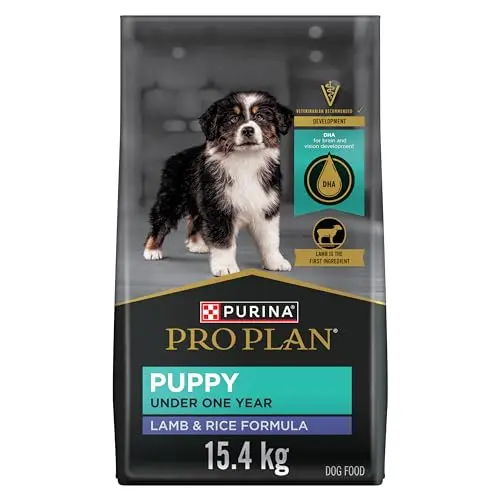
Pro Plan Development Lamb & Rice – Brain & Digestive Support
A puppy food that prioritizes lean muscle growth with real lamb as the first ingredient, plus DHA for brain development and live probiotics for digestive health.
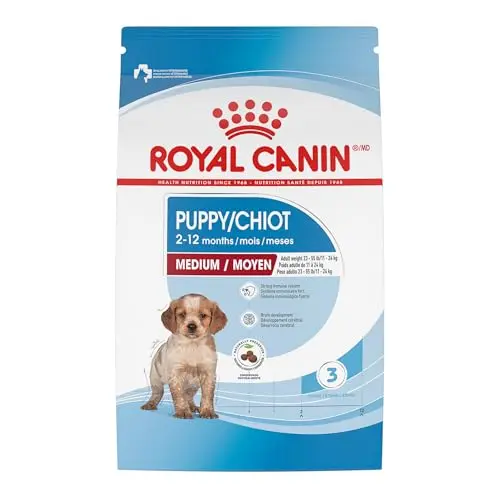
Medium Puppy – Breed-Specific Nutrition for Your Husky
Designed precisely for puppies that will mature between 23‑55 lbs, this food offers targeted growth support with DHA, antioxidants, and a crunchy kibble that supports oral health.
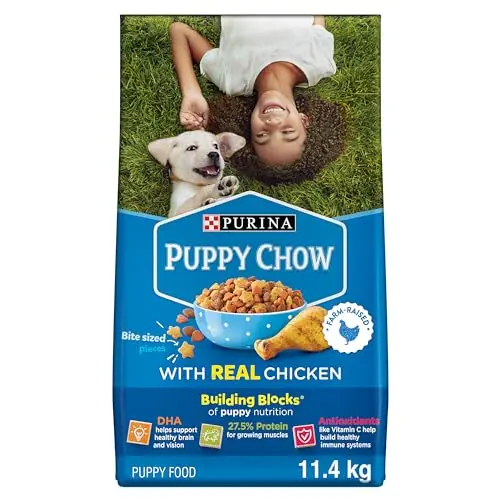
Puppy Chow Complete – High-Protein Value Pick
Delivering solid nutrition with real chicken and a high protein content, this puppy food offers exceptional value for growing active breeds.
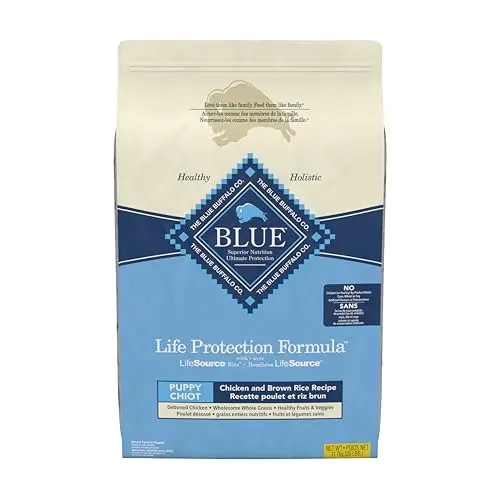
Life Protection Formula Puppy – Balanced Nutrition with LifeSource Bits
A natural puppy food that combines high‑quality chicken with antioxidant‑rich LifeSource Bits to support immune health and cognitive development.
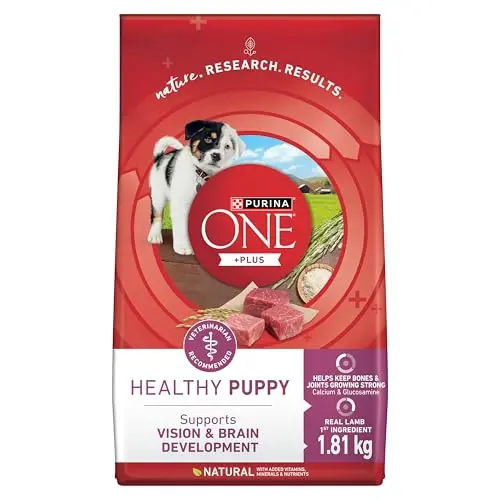
+Plus Healthy Puppy Lamb – Gentle Digestion & Value
With real lamb and easily digestible grains, this formula is gentle on puppy tummies and provides essential DHA at a very accessible price.
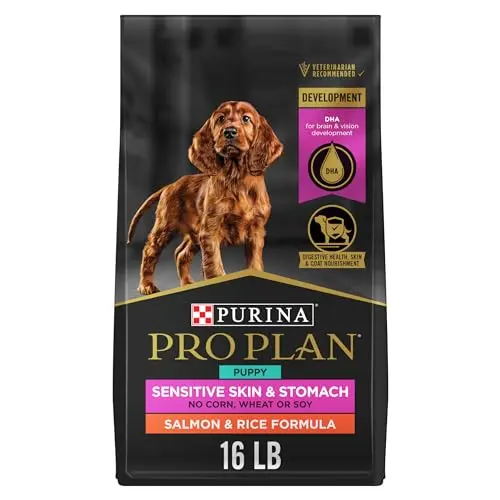
Sensitive Skin & Stomach – Gentle Salmon Formula
Specially formulated with salmon as the first ingredient and prebiotics, this food is a lifesaver for Husky puppies with digestive or skin sensitivities.
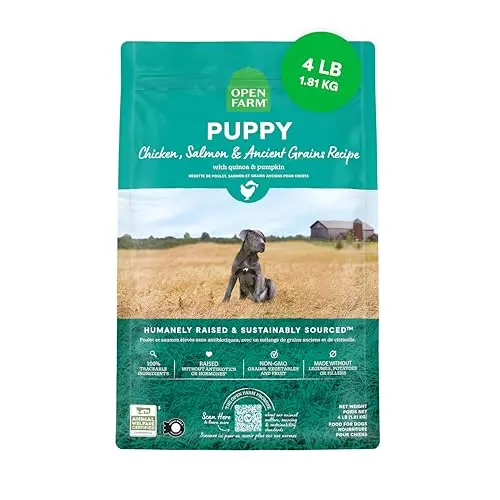
Ancient Grains Puppy – Premium, Traceable Nutrition
For owners who want full transparency and premium ingredients, this food blends chicken and salmon with ancient grains and superfoods, free from common fillers.
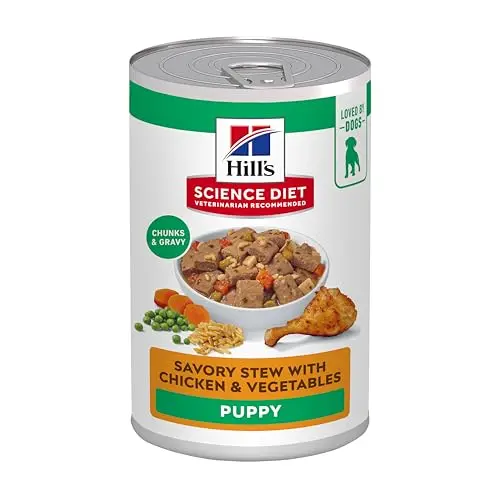
Savory Stew Canned – Tasty Wet Food Topper
A wet food option packed with DHA and minerals, perfect as a topper or to entice finicky Husky puppies.
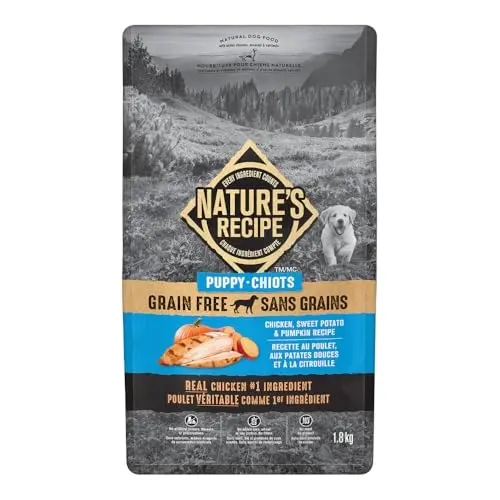
Grain Free Puppy – Simple, Limited Ingredients
A grain‑free formula with limited ingredients, ideal for Huskies with grain sensitivities, though not necessary for all.
How We Evaluated These Puppy Foods for Siberian Huskies
We didn’t conduct a long-term feeding trial across a kennel of Husky puppies. What we did: cross-referenced 9 puppy food models from 8 distinct brands across 5 decision axes – protein source and quality, DHA and cognitive support, breed-specific sizing, digestive health provisions, and ingredient transparency. We triangulated published nutritional profiles, aggregated owner feedback where available, and use-case fit against the growth demands of a medium‑large, high‑energy breed like the Siberian Husky.
The scoring framework weighted real-world performance (60%) – how well each formula supports lean muscle, brain development, and digestive comfort in Husky puppies – against feature differentiation (40%) – unique advantages like breed‑specific formulations, novel proteins, or probiotic boosts. We have no commercial relationship with any of the brands featured; recommendations track fit and differentiation, not brand preference. If you’re feeding a typical, healthy Husky, the Purina Pro Plan Development Lamb & Rice is your match; if you want a formula dialled in to the exact weight range of a Husky, Royal Canin Medium Puppy serves you better.
How to Choose the Right Puppy Food for Siberian Huskies
What to Look for in a Puppy Food for Siberian Huskies
A growing Siberian Husky needs at least 25% protein from named animal sources (chicken, lamb, salmon) to fuel muscle development. Look for DHA from fish oil – this omega‑3 is critical for neurological maturation in the first year. Avoid generic labels like ‘meat meal”; the first ingredient should be a specific animal protein. A balance of calcium and phosphorus guards against joint issues common in medium‑large breeds.
Digestive health matters too. A formula with prebiotics, probiotics, or easily digestible grains (rice, oatmeal) can prevent the diarrhoea that often plagues Husky puppies. Finally, kibble size should be large enough to encourage chewing but not so large that it intimidates a young pup – a medium‑sized pellet usually fits the bill.
Why Breed‑Specific Formulas Matter for Your Husky
Huskies are not small dogs, but they aren’t giants either. A medium‑breed puppy formula targets that sweet spot of controlled growth to avoid putting excessive strain on developing joints. Foods like Royal Canin Medium Puppy are calibrated for an adult weight of 23‑55 lbs – precisely where a Husky lands. They adjust calorie density, mineral levels, and even kibble shape to match a medium‑sized jaw.
Generic ‘all life stages” or ‘large breed” foods can miss this calibration. Too much calcium can accelerate bone growth awkwardly; too little protein can leave a Husky listless. If your breeder or vet recommends a breed‑specific approach, it’s worth the extra thought.
Grain‑Free vs. Grain‑Inclusive Diets: What's Best for Siberian Huskies?
Unless your Husky has a confirmed grain allergy – rare in the breed – a grain‑inclusive recipe is often the safer bet. Grains like oats and rice provide steady energy and are gentle on the stomach. Several grain‑free diets have been linked to dilated cardiomyopathy (DCM) in dogs, though the science is still evolving. For a growing puppy, the risk isn’t worth it without a specific veterinary recommendation.
That said, if your dog genuinely reacts to grains, a limited‑ingredient option like Nature’s Recipe Grain Free can be a fit. But for most husky pups, the whole‑grain approach – like the oatmeal in Purina One – is nutritionally sound and more stomach‑friendly.
Protein and Fat Needs for Active Husky Puppies
A Husky’s legendary sprint demands a diet that keeps up. Aim for a protein floor of 26% and a fat content around 15-16% in dry matter – enough to support growth without over‑gramming calories. Real meat as the first ingredient (lamb, chicken, or salmon) is non‑negotiable; it provides the amino acid profile for lean muscle.
Watch out for fat sources too. Chicken fat is digestible and calorie‑dense, while sunflower oil (found in Purina Pro Plan Sensitive Skin & Stomach) adds omega‑6 for coat health. Avoid foods that list generic ‘animal fat” – you want to know what you’re feeding.
Understanding Puppy Food Ingredient Labels
Ingredients are listed by pre‑cooked weight. The first three tell the story. Look for named meats (chicken, lamb, salmon) and avoid vague terms (‘poultry by‑product meal”). Whole grains like brown rice or oatmeal beat ‘corn gluten meal” handily. Avoid artificial colours, flavours, and preservatives – they serve no nutritional purpose.
Don’t be swayed by fancy‑sounding superfoods if they crowd out protein. A short, clean ingredient panel often signals a food that’s easier on a puppy’s digestive system. And remember: ‘meal” (like chicken meal) is a concentrated protein source and is perfectly acceptable – it’s not the same as a by‑product.
When Wet Food Makes Sense for a Husky Puppy
Kibble is the backbone, but wet food can be a powerful tool. During teething, a soft stew like Hill’s Science Diet Savory Stew encourages a sore‑mouthed puppy to eat. It also adds moisture, which helps if your Husky is a reluctant drinker.
Use it sparingly, though – it’s messier, perishable, and tends to be pricier per calorie. Mix a spoonful into dry food as a appetite stimulant, not as the sole meal unless your vet advises.
Frequently Asked Questions
What's the difference between Purina Pro Plan Development Lamb & Rice and Royal Canin Medium Puppy?
Both are top‑tier but take different paths. Purina Pro Plan leans on real lamb as its protein anchor, adds live probiotics for digestive health, and comes in a large, cost‑effective bag. Royal Canin Medium Puppy is breed‑size specific, calibrated precisely for the 23‑55 lb adult weight that includes Huskies; it includes taurine and marine microalgae oil that Pro Plan doesn’t. If you want a generalist powerhouse, go Pro Plan; if you prefer a formula that feels tailor‑made for your Husky’s growth curve, Royal Canin is the pick.
How does Purina Puppy Chow compare to Purina ONE for Husky puppies?
Both come from the Purina family but target different budgets. Puppy Chow packs 27.5% protein and real chicken, beating many pricier foods on raw protein numbers. Purina ONE uses lamb and digestible rice/oatmeal, often seeing fewer tummy upsets. Puppy Chow is the value champion – you get a massive bag at a very low per‑serving cost. Purina ONE offers a slightly gentler ingredient list and is available in smaller trial sizes. For healthy Huskies, Puppy Chow works; if your pup shows sensitivity, ONE is the safer entry point.
Is puppy food for large breeds suitable for Siberian Huskies?
Not ideally. Large‑breed formulas control calcium and calories to slow growth and prevent joint stress, but a Husky is medium‑large, not giant. Switching to a large‑breed food can inadvertently under‑deliver on protein and energy that a Husky’s metabolic rate craves. Stick with a medium‑breed puppy food that matches their adult weight – unless your vet explicitly recommends large‑breed due to a family history of hip dysplasia.
Can I feed my Siberian Husky puppy a grain‑free diet?
You can, but proceed with caution. Grain‑free kibbles replace grains with potatoes, peas, or legumes – ingredients that have been associated with dilated cardiomyopathy (DCM) in some studies. Unless your Husky shows clear grain intolerance (chronic itching, ear infections, loose stools), a grain‑inclusive food is generally safer and better‑studied. If you must go grain‑free, pick a trusted brand like Nature’s Recipe and involve your vet in the decision.
How often should I feed a Siberian Husky puppy?
Young Husky pups (8‑12 weeks) do best with four smaller meals a day to steady blood sugar and reduce the risk of bloat. From 3‑6 months, drop to three meals, and by 12 months, most Huskies transition to two meals daily. Always measure portions by the bag’s feeding chart based on projected adult weight, and adjust if you see ribs – Huskies should have a visible but not prominent waist during growth.
Final Verdict
For most Siberian Husky puppies, the Purina Pro Plan Development Lamb & Rice lands as our top overall pick – it delivers high‑quality protein, brain‑building DHA, and digestive probiotics in a large, cost‑friendly bag. If you’re after a formula that feels custom‑built for your Husky’s expected adult weight, the Royal Canin Medium Puppy is purpose‑made for the job. On a tighter budget? The Purina Puppy Chow Complete punches way above its price with real chicken and a generous protein percentage. And if tummy troubles strike, Purina Pro Plan Sensitive Skin & Stomach is your rescue remedy. Whatever you choose, pair it with fresh water, a consistent schedule, and those famous Husky hugs – you’re set.