
Your puppy’s itchy ears, constant scratching, or upset stomach might be trying to tell you something: a food allergy. It’s a frustrating start to your life together, but the right diet can make all the difference. We’ve sifted through the ingredient lists and owner experiences to find puppy foods that steer clear of common triggers without skimping on the nutrition your growing pup needs.
Not every ‘puppy food’ is created equal when allergies are in play. Chicken and grains are among the top culprits for many dogs, so we looked beyond the label to uncover formulas that prioritize novel proteins and gentle digestion. Whether your pup needs a lamb-based diet, a grain-aware option, or extra digestive support, this guide will help you choose with confidence.
Best Puppy Foods for Allergies – 2026 Reviews
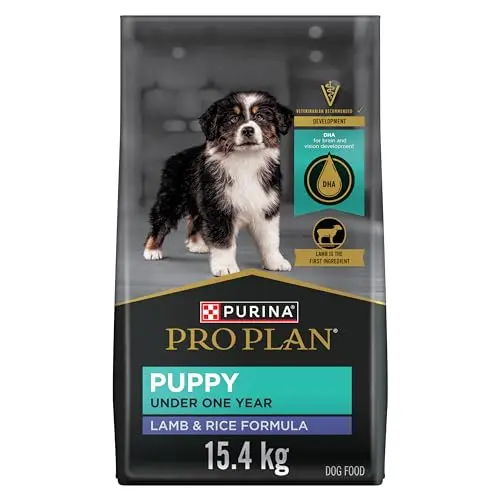
Development Lamb & Rice – Gentle on Allergies
A lamb-based puppy food that’s perfect for pups with chicken allergies. The first ingredient is real lamb, providing high-quality protein for lean muscle development, and it’s fortified with probiotics and DHA for digestive and immune health.
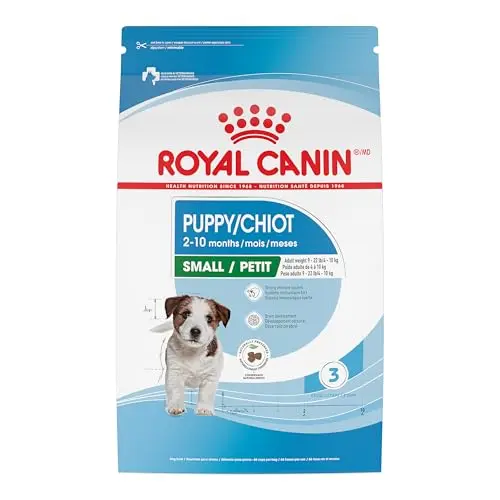
Small Puppy Formula – Tailored Nutrition for Little Ones
Royal Canin’s small breed puppy formula is engineered for puppies expected to weigh 9-22 lbs. The tiny kibble size and precise nutrient balance cater to their high energy needs while supporting a developing immune system.
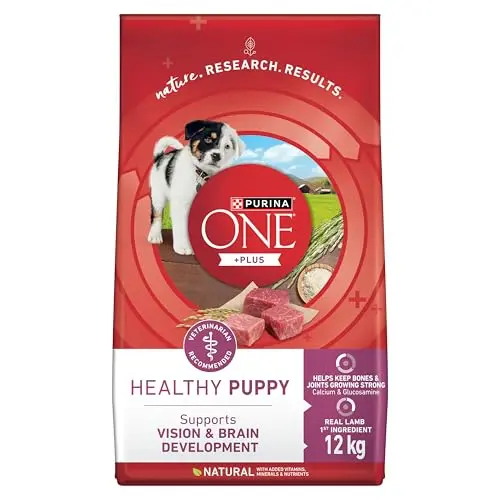
+Plus Healthy Puppy Lamb Formula – Great Value for Allergic Pups
With real lamb as the top ingredient, this affordable formula is a smart pick for owners seeking to avoid chicken without breaking the bank. The easily digestible grains help soothe sensitive stomachs while DHA supports cognitive development.
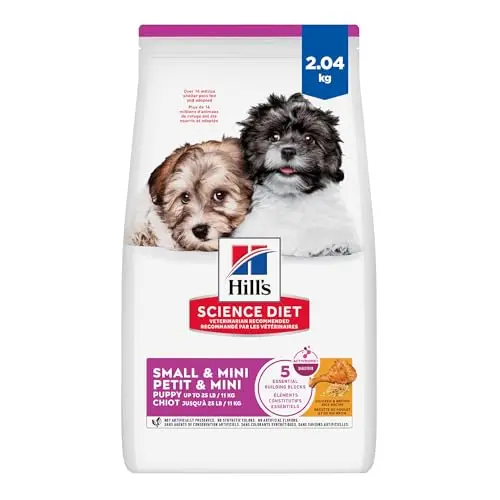
Small & Mini Chicken & Brown Rice – Vet-Recommended Foundation
Hill’s Science Diet’s small breed puppy food is formulated with high-quality chicken and brown rice, delivering balanced nutrition with a focus on immune support and brain development. It’s a reliable choice backed by extensive research.
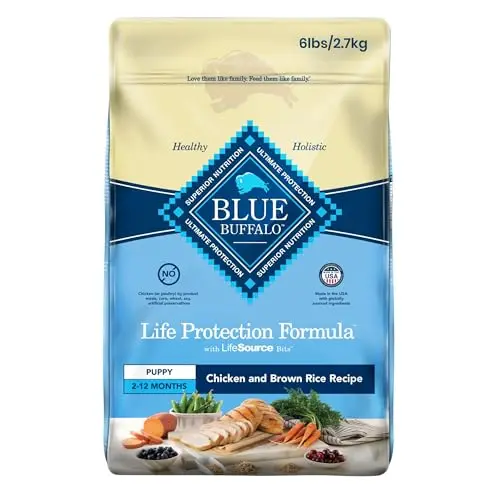
Life Protection Chicken & Brown Rice – Immune Bits & Clean Grains
Blue Buffalo’s puppy formula features real chicken and antioxidant-rich LifeSource Bits. It excludes corn, wheat, and soy, making it a good starting point for pups with grain-related sensitivities, while still providing whole grains for steady energy.
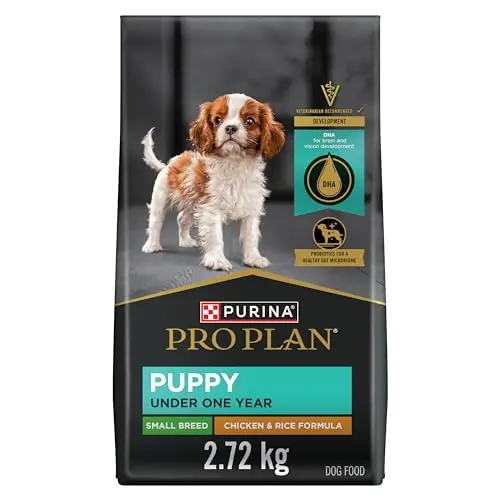
Small Breed Chicken & Rice – High-Protein for Tiny Athletes
Purina Pro Plan’s small breed formula delivers concentrated nutrition for highly active toy and small dogs. With real chicken and guaranteed live probiotics, it’s designed to support their rapid growth and high metabolism.
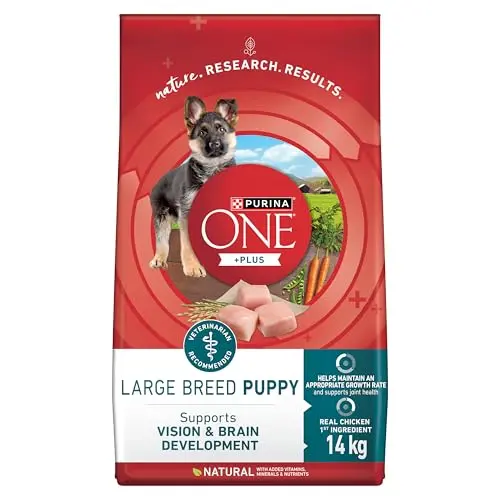
Large Breed Chicken – Joint Support for Big Pups
Specifically formulated for large breed puppies, this Purina ONE recipe adds natural glucosamine sources to support healthy joints during rapid growth. It’s a well-rounded diet with high protein and DHA.
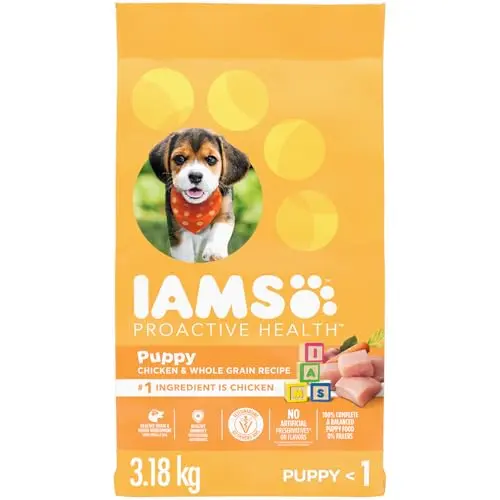
Proactive Health Chicken & Whole Grain – Budget-Friendly Starter
IAMS offers an affordable puppy food with easily digestible ingredients and 22 nutrients that mirror mother’s milk. It’s a complete and balanced option for small to medium breeds without artificial preservatives.
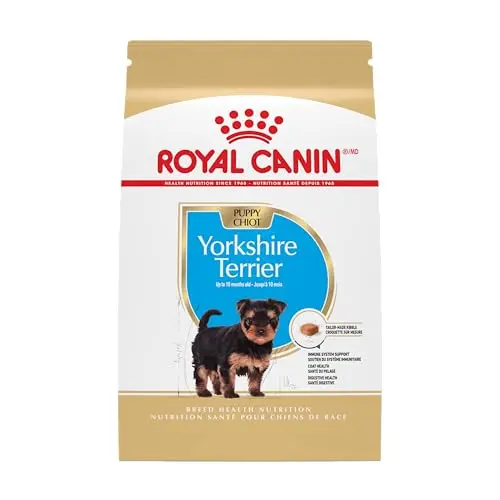
Yorkshire Terrier Puppy – Breed-Specific Nutrition
Tailored for Yorkshire Terrier puppies, this Royal Canin formula addresses the breed’s unique needs with a specialized kibble shape and nutrients for coat health and growth.
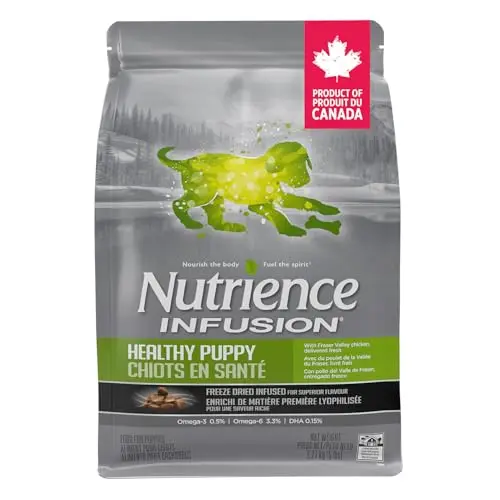
Infusion Healthy Puppy – Freeze-Dried Chicken Boost
Nutrience Infusion combines dry kibble with freeze-dried chicken liver for enhanced flavor and nutrition. It’s crafted in Canada with local ingredients and includes salmon oil for brain development.
How We Evaluated These Puppy Foods for Allergies
We didn’t conduct feeding trials or allergy testing on live puppies. What we did: cross-referenced 10 puppy food formulas from 7 distinct brands across five critical decision axes – ingredient quality, protein source suitability for allergies, digestive support, puppy-specific nutrients (DHA, probiotics), and owner-reported experiences. We triangulated published ingredient lists, nutritional profiles, and aggregated owner feedback where available to assess each formula’s real-world fit for allergy-prone pups.
The scoring framework weighted real-world allergy suitability (60%) – how effectively each food avoids common triggers while meeting a puppy’s growth demands – against feature differentiation (40%) – unique advantages like breed-specific kibble, novel proteins, or added gut-health support. We have no commercial relationship with any of the brands featured; recommendations track fit and differentiation, not brand preference. If your puppy needs a lamb-based diet, the Purina Pro Plan Lamb & Rice stands out as the top pick, while the Royal Canin Small Puppy excels for tiny breeds.
How to Choose the Right Puppy Food for Allergies
Understanding Puppy Food Allergies
Puppy food allergies typically show up as itchy skin, ear infections, or digestive upset. The most common triggers are chicken, beef, dairy, and wheat. If you suspect a food allergy, your vet can help you identify the culprit through an elimination diet. The goal is to find a food that avoids the problematic ingredient while still providing complete nutrition for growth.
How to Identify Problem Ingredients
Start by reading the ingredient list carefully. The first few ingredients usually make up the bulk of the food. If your puppy reacts to chicken, look for novel proteins like lamb, salmon, or venison. Check for hidden sources: ‘animal fat’ or ‘poultry meal’ can be chicken-based. Grain allergies are less common but possible; corn, wheat, and soy are the usual suspects.
The Role of Protein in Allergy-Friendly Diets
When avoiding chicken, lamb and rice formulas are a popular starting point because they’re widely available and well-tolerated by many pups. The Purina Pro Plan Lamb & Rice uses real lamb as the first ingredient and includes probiotics for digestion. However, some dogs are allergic to lamb as well, so you might need to try a hydrolyzed protein diet under veterinary guidance.
Whole Grains vs. Grain-Free: What's Best for Allergies?
Grain-free diets have gained popularity, but true grain allergies are rare in dogs. If your puppy is allergic to a specific grain like wheat, a corn-free, wheat-free, soy-free option like the Blue Buffalo Life Protection formula can help. However, remember that many grain-free foods still use chicken, which is a more common allergen. Always focus on the primary protein source first.
Probiotics and Digestive Health for Sensitive Puppies
Puppies with food allergies often have sensitive stomachs. Look for foods with added probiotics (like the Pro Plan Lamb & Rice) or prebiotic fibers (found in Hill’s Science Diet) to support gut health. A healthy digestive system can better tolerate minor ingredient variations and reduce the severity of allergic reactions.
Transitioning Your Puppy to a New Food Safely
Switching foods abruptly can cause stomach upset, especially in allergic puppies. Mix the new food with the old over 7-10 days, gradually increasing the proportion. Watch for any signs of itching or loose stools. If you’re unsure where to start, the Purina ONE Lamb Formula offers a budget-friendly entry point that’s easy on sensitive systems.
Frequently Asked Questions
What's the difference between Purina Pro Plan Lamb & Rice and Purina ONE Lamb Formula?
Both use real lamb as the first ingredient and are chicken-free, making them suitable for chicken allergies. The Pro Plan version includes guaranteed live probiotics for digestive health and DHA from fish oil, aimed at brain development. It’s generally a more premium option with a larger bag size. The Purina ONE formula contains easily digestible rice and oatmeal and is more budget-friendly. Both have similar nutritional profiles, but Pro Plan’s probiotics give it an edge for dogs with sensitive stomachs.
How does Blue Buffalo compare to Hill's Science Diet for puppies with grain sensitivities?
The Blue Buffalo Life Protection formula avoids corn, wheat, and soy, using brown rice and oatmeal instead, which can be a better fit for grain-sensitive pups. It also includes antioxidant-rich LifeSource Bits. Hill’s Science Diet uses a veterinary diet approach with prebiotic fiber for digestive health, but it contains wheat, so it’s not ideal for wheat allergies. For a grain-aware option, Blue Buffalo is the stronger choice.
My puppy has a chicken allergy-what are the best alternatives?
If your puppy can’t tolerate chicken, look for lamb-based formulas like the Pro Plan Lamb & Rice or the Purina ONE Lamb. Always check the label for ‘chicken meal’ or ‘poultry fat’, which can be hidden sources. For severe allergies, your vet might recommend a hydrolyzed protein diet, which is not covered among these retail options.
Are there any truly hypoallergenic puppy foods?
No food is 100% hypoallergenic, but limited ingredient diets can minimize the risk. The products reviewed here are not marketed as hypoallergenic, but some, like the lamb-based formulas, avoid the most common allergen (chicken). For a truly hypoallergenic approach, veterinary diets with hydrolyzed proteins are the gold standard.
Final Verdict
For most puppies with food allergies, the Purina Pro Plan Development Lamb & Rice is the answer – it nails the allergy-friendly lamb protein source without compromising on the probiotics and DHA puppies need. If you’re raising a tiny breed, the Royal Canin Small Puppy gets you targeted nutrition in an easy-to-chew kibble. Budget-conscious buyers will appreciate the value of the Purina ONE Lamb Formula, and for grain-sensitive pups who can still handle chicken, the Blue Buffalo Life Protection is purpose-built. Whatever you choose, pair it with patience and a slow transition – your puppy’s comfort is worth it.