
Raising a Bernedoodle puppy is an adventure-and getting their nutrition right from day one sets the stage for a lifetime of tail wags and healthy growth. These fluffy crossbreeds can range from compact miniatures to sturdy standards pushing 90 pounds, so choosing a puppy food that matches their size trajectory and supports joints, brain development, and digestion is key.
We surveyed the market to find the best puppy foods for Bernedoodles, crossing brands and formulas to pinpoint the ones that deliver real lamb, chicken, or salmon as a first ingredient, include DHA for cognitive development, and offer the right blend of nutrients without unnecessary fillers. Whether you’re looking for a large-breed growth formula or a gentle option for a sensitive tummy, this guide will help you make a confident choice.
Best Puppy Foods for Bernedoodles – 2026 Reviews
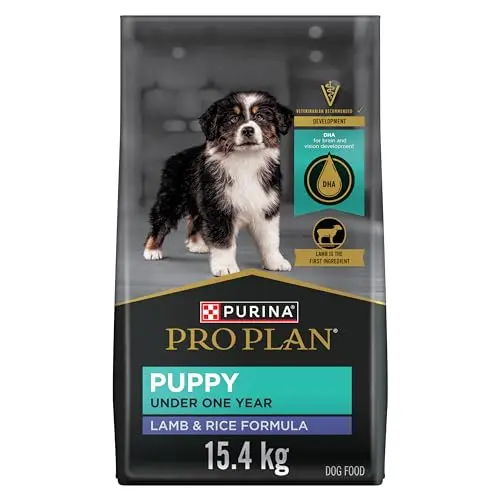
Development Lamb & Rice – All Breed Puppy Nutrition
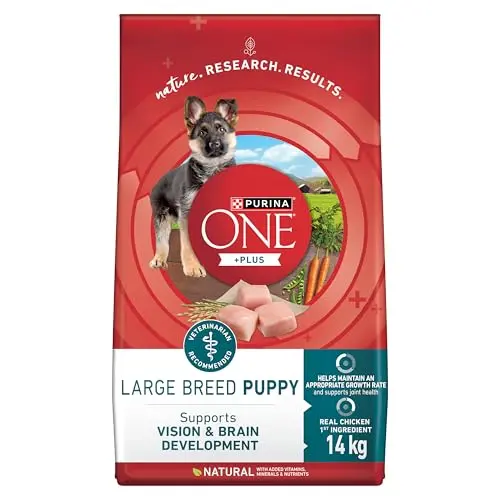
+Plus Large Breed Puppy Chicken – Joint Support & Growth
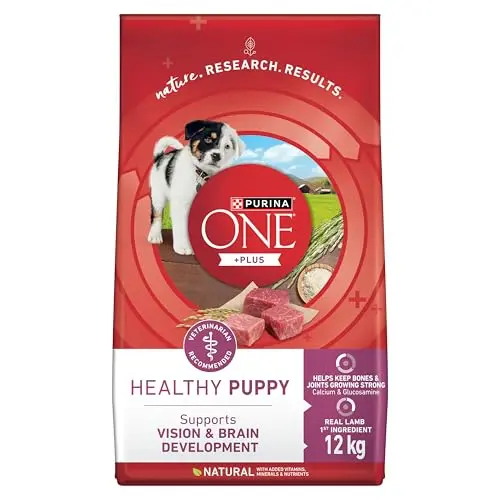
+Plus Healthy Puppy Lamb – Gentle Digestion Formula
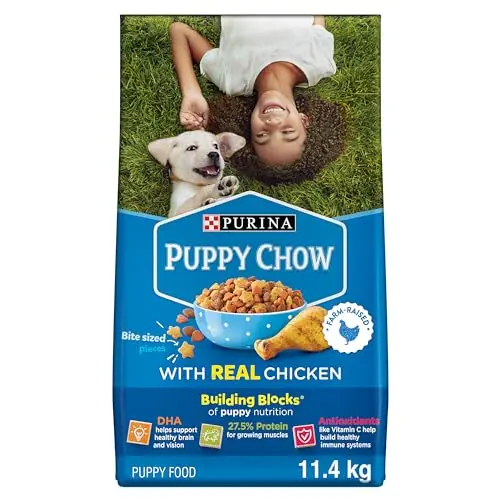
Complete with Real Chicken – Budget-Friendly Nutrition
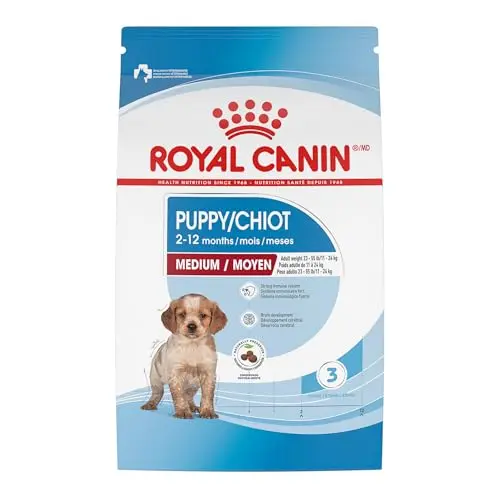
Medium Puppy – Tailored Nutrition for Medium Breeds
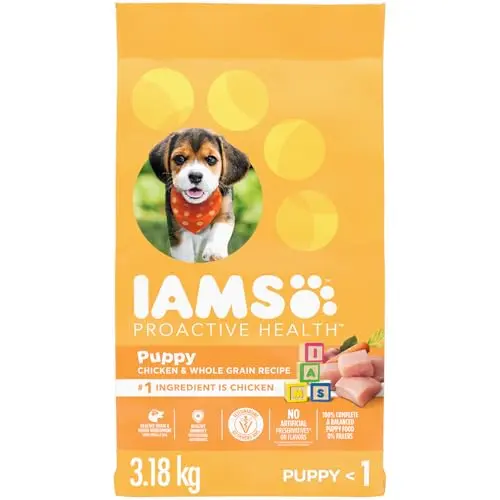
Proactive Health Puppy Chicken & Whole Grain – Everyday Value
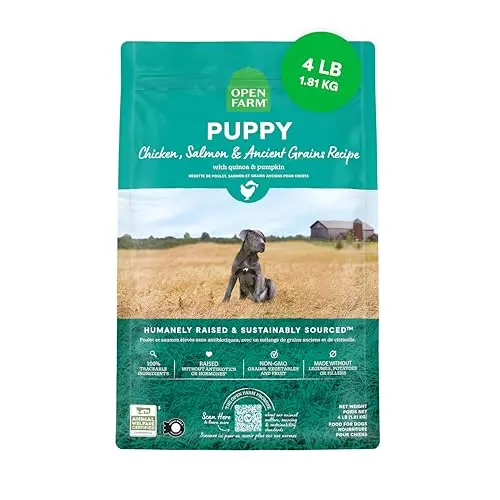
Ancient Grains Puppy Chicken & Salmon – Premium Ingredient Recipe
How We Evaluated These Puppy Foods for Bernedoodles
We didn’t conduct veterinary feeding trials or long-term health monitoring. What we did: cross-referenced 7 puppy foods from 6 distinct brands across 5 decision axes-breed size suitability, protein source and DHA content, joint support (glucosamine and omega-3s), ingredient transparency, and owner feedback. We triangulated published nutritional analyses, ingredient lists, and aggregated owner experiences to evaluate how well each food meets the growth demands of a Bernedoodle puppy.
The scoring framework weighted real-world performance (60%)-nutrient profile, breed fit, and digestive acceptance-against feature differentiation (40%)-unique additives like probiotics or ethical sourcing, and use-case specificity. Our recommendations track fit and differentiation, not brand preference; we have no commercial relationship with any featured brand. If your Bernedoodle is projected to be large, the Purina ONE Large Breed is purpose-built; for an all-size champion, the Pro Plan Lamb & Rice remains our top overall pick.
How to Choose the Right Puppy Food for Your Bernedoodle
What to Look for in a Puppy Food for Bernedoodles
Bernedoodle size can vary dramatically, so the first checkpoint is whether the formula is appropriate for your pup’s expected adult weight. A standard Bernedoodle (50-90 lbs) benefits from a large breed puppy food, which is lower in fat and contains controlled calcium and phosphorus levels to prevent too-rapid bone growth. For minis or mediums (under 50 lbs), an all-breed or medium-breed recipe works well. Beyond size, prioritise real animal protein as the first ingredient (chicken, lamb, salmon), and look for DHA to support brain and vision development-critical in these intelligent crossbreeds.
Large Breed vs. All Breed Formulas: Which Is Right for Your Bernedoodle?
If your Bernedoodle’s parents were a standard Poodle and a Bernese Mountain Dog, you’re likely looking at a 70+ pound adult. In that case, a large breed formula is a wise investment. These foods often include glucosamine and chondroitin to support developing joints and are calorie-controlled to promote steady, lean growth. The Purina ONE Large Breed Puppy is a standout here. If you’re unsure of your pup’s final size-or you have a mini Bernedoodle-an all-breed formula like the Pro Plan Lamb & Rice offers flexibility without sacrificing nutrition.
Understanding Protein Sources and DHA in Puppy Diets
Puppies need high-quality protein to build muscle, so look for named meats (lamb, chicken, salmon) rather than vague ‘meat meal’. DHA is an omega-3 fatty acid found in mother’s milk; it continues to support cognitive development after weaning. Most premium puppy foods now include DHA from fish oil or marine algae. The Open Farm recipe even combines chicken and wild-caught salmon for a dual-protein, high-DHA punch, though it comes at a higher cost.
The Role of Joint Support: Glucosamine and Omega-3s
Bernedoodles can inherit hip and elbow issues from their parent breeds, so joint-friendly nutrients matter even in puppyhood. Large breed formulas often include natural glucosamine from chicken meal or added supplements. Omega-3 fatty acids from fish oil also help reduce inflammation. If your chosen food doesn’t explicitly contain joint support-like the all-breed Pro Plan Lamb & Rice-you might consider a separate supplement as your pup grows, though many owners find the balanced nutrition sufficient for healthy joints.
Grain-Free vs. Grain-Inclusive: What's Better for Your Puppy?
Recent concerns about grain-free diets and canine heart disease have made many owners cautious. Unless your puppy has a diagnosed grain allergy, grain-inclusive recipes using oats, rice, or barley are generally safe and provide valuable carbohydrates and fibre. The Open Farm Ancient Grains option uses quinoa and oats, while most Purina formulas rely on rice and oatmeal. Avoid foods with a long list of legumes or potatoes if you’re grain-free-curious; instead, consult your vet for the latest guidance.
Budget-Friendly Puppy Foods That Don't Sacrifice Quality
You don’t need to spend a fortune to feed a Bernedoodle well. Purina Puppy Chow and IAMS Proactive Health both deliver over 27% protein from real chicken, include DHA, and are backed by decades of formulation research. While they lack the premium frills (probiotics, exotic grains), they provide complete and balanced nutrition that has raised countless healthy litters. The key is to check the guaranteed analysis on the label: look for protein above 25%, fat around 15%, and DHA listed in the ingredient deck.
Transitioning Your Bernedoodle to a New Food
Switching foods abruptly can upset a puppy’s stomach, leading to diarrhoea or refusal to eat. Over the course of 7-10 days, slowly mix increasing amounts of the new food with the old. Start with 25% new, 75% old and adjust every couple of days. Pay attention to stool quality-if it becomes too loose, slow the transition. Always have fresh water available, and if your puppy has a sensitive stomach, the Purina ONE Lamb recipe’s digestible rice formulation can make the switch smoother.
Frequently Asked Questions
What's the difference between Purina Pro Plan Lamb & Rice and Purina ONE Large Breed Puppy?
The Pro Plan Lamb & Rice is an all-breed formula with live probiotics and real lamb; it’s a premium, versatile pick suitable for any Bernedoodle size. The Purina ONE Large Breed is specifically tailored for puppies expected to exceed 50 pounds, with glucosamine for joint health and a chicken-first recipe. Choose Pro Plan if you want maximum digestive support and breed flexibility; go with Purina ONE if you’re certain your dog will be large and want targeted bone and joint care.
How does Royal Canin Medium Puppy compare to Purina ONE Large Breed for a Bernedoodle?
Royal Canin Medium is designed for dogs topping out between 23 and 55 lbs, making it a great fit for a mini Bernedoodle but a poor choice for a standard one. It includes prebiotics and specific kibble texture to encourage chewing. Purina ONE Large Breed, meanwhile, is built for dogs over 50 lbs and emphasises joint support. If your pup’s parents weren’t huge, Royal Canin offers precise nutrition; for the larger Bernedoodle, Purina ONE is the safer bet.
Is grain-free food safe for Bernedoodle puppies?
Current veterinary consensus leans toward grain-inclusive diets for puppies, unless a specific allergy is confirmed. The FDA has investigated a potential link between grain-free foods and dilated cardiomyopathy (DCM) in dogs. If you prefer to avoid grains, look for formulas that use sweet potatoes or peas as carbohydrate sources rather than legumes, but always discuss with your vet. Our recommended picks-like Pro Plan and Purina ONE-all use wholesome grains like rice and oatmeal.
What is the best puppy food for a Bernedoodle with a sensitive stomach?
For digestive sensitivity, the Purina ONE Lamb & Rice is formulated with easily digestible oatmeal and rice, and real lamb as a single animal protein. Open Farm Ancient Grains also works well due to its limited ingredient list and gentle ancient grains. Both avoid common irritants like artificial colours and fillers. Start with a small bag to see how your pup responds before committing to a large size.
How much should I feed my Bernedoodle puppy?
Feeding amounts depend on the food’s calorie density and your pup’s age, weight, and activity level. Always follow the feeding guide on the bag, which typically provides daily amounts based on expected adult weight. As a rough rule, standard Bernedoodle pups may need 2-4 cups per day split into 3-4 meals, while minis need less. Monitor body condition and adjust portions to keep your puppy lean-you should be able to feel but not see the ribs.
Final Verdict
For most Bernedoodle puppies, the Purina Pro Plan Lamb & Rice is the all-around winner-it delivers top-tier nutrition with probiotics, DHA, and a lamb-first recipe that suits any size. If you’re raising a standard Bernedoodle and want targeted joint support, the Purina ONE Large Breed is a purpose-built alternative at a slightly lower price. On a tighter budget? Purina Puppy Chow proves you can raise a healthy pup without overspending. And for those who prioritise ethical sourcing above all, the Open Farm Ancient Grains is worth the splurge. Whatever you choose, your Bernedoodle’s wagging tail will thank you.