
Raising a Blue Heeler puppy is a whirlwind of energy, intelligence, and that signature herding instinct. All that drive means they need fuel that supports rapid growth, sharp minds, and sturdy joints – not just any bag of puppy chow will do. The right food can make the difference between a pup who thrives and one who just gets by.
We’ve combed through the market to find options that match the Blue Heeler’s unique demands: high-quality protein for lean muscle, DHA for brain development, and digestible ingredients for sensitive stomachs. Below, six standout puppy foods from six brands, each evaluated against what a Blue Heeler actually needs – because a working-breed pup deserves a diet that works as hard as they do.
Best Puppy Food for Blue Heeler – 2026 Reviews
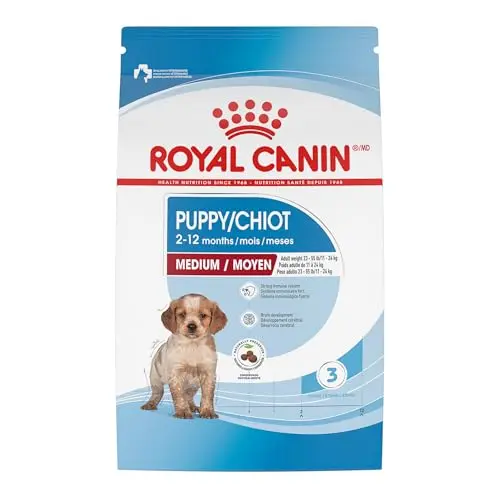
Size Health Nutrition Medium Puppy – Tailored Medium-Breed Growth
Royal Canin’s Medium Puppy formula is purpose-built for pups like the Blue Heeler, with an expected adult weight of 23-55 lbs. The crunchy kibble encourages chewing, and the recipe packs antioxidants, prebiotics, and DHA to support immune, digestive, and cognitive development through the first year.
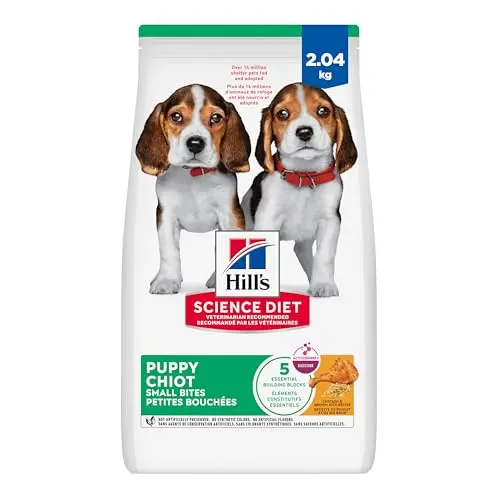
Puppy Small Bites Chicken & Brown Rice – Tiny Kibble, All-Breed Formula
Don’t let the ‘Small Bites’ name fool you – this all-breed puppy food works for any pup that prefers a smaller kibble. Hill’s packs DHA, prebiotic fibres, and balanced minerals into a formula backed by veterinary research and a strong reputation for digestive health.
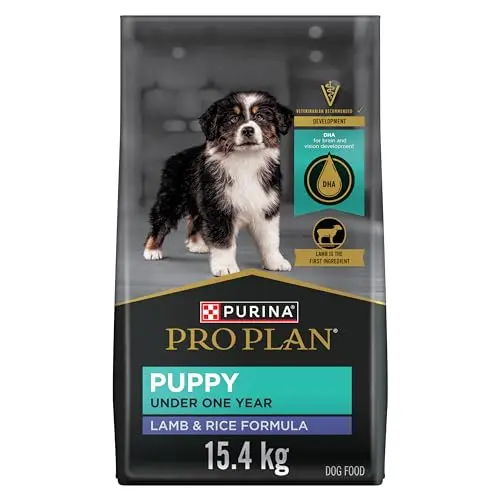
Development Lamb & Rice – Probiotic-Powered Puppy Nutrition
Purina Pro Plan’s lamb and rice formula uses real lamb as the first ingredient and adds guaranteed live probiotics for digestive and immune health. The 15.4 kg bag offers a bulk-buy option for families who plan ahead.
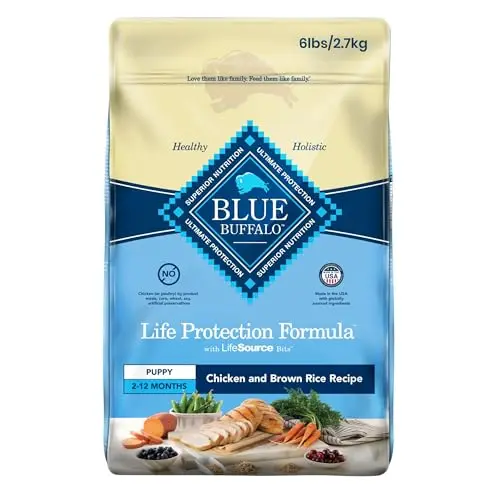
Life Protection Chicken & Brown Rice – Antioxidant-Rich Puppy Foundation
Blue Buffalo’s Life Protection formula targets medium breeds with real chicken, whole grains, and their exclusive LifeSource Bits – a cold-formed blend of antioxidants, vitamins, and minerals. It’s a holistic approach to early development.

+Plus Healthy Puppy Lamb – Digestible Mid-Range Nutrition
Purina ONE’s lamb formula leans on easily digestible rice and oatmeal, with real lamb leading the ingredient list. It’s a no-frills, all-breed puppy food that delivers solid nutrition for growing pups without artificial fillers or flavours.
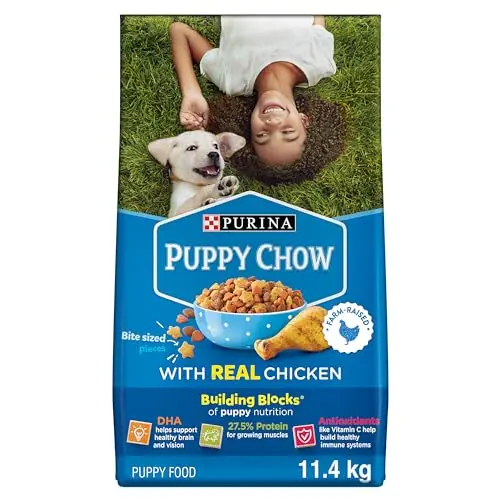
Complete Chicken – Affordable All-Breed Starter
Purina Puppy Chow Complete offers a budget-friendly entry point with real chicken, 27.5% protein, and DHA. The 11.4 kg bag stretches far for growing puppies, and the formula covers all the nutritional bases without extras.
How We Evaluated These Puppy Foods for Blue Heelers
We didn’t run controlled feeding trials or long-term growth studies. What we did: cross-referenced 6 puppy food models from 6 distinct brands across 5 decision axes – protein quality and source, inclusion of brain-supporting nutrients (DHA/ARA), digestive health ingredients like probiotics and prebiotics, kibble size and texture for a medium breed, and breed-tailored formulation. We triangulated published specifications, aggregated owner feedback where available, and use-case fit against what a Blue Heeler puppy actually needs during its first year.
The scoring framework weighted real-world performance and suitability for the breed (60%) – how well each food supports steady growth, digestion, and energy – against feature differentiation (40%) – unique ingredients like live probiotics, antioxidant delivery methods, and specific medium-breed targeting. No brand paid for placement; our recommendations follow fit and differentiation, not brand loyalty. For most Blue Heeler puppies, the Royal Canin Medium Puppy is the gold standard; if your pup prefers tiny kibble or has a delicate stomach, the Hill’s Small Bites is a worthy alternative.
How to Choose the Right Puppy Food for a Blue Heeler
Nutritional Demands of Blue Heeler Puppies
Blue Heelers are medium-sized, high-energy working dogs. Their puppyhood demands a diet rich in quality animal protein to build the lean muscle they’ll use for herding and play. Look for a minimum of 25% protein from named sources like chicken, lamb, or fish. DHA (docosahexaenoic acid) is critical for brain and vision development, especially during the first six months – most premium puppy foods now include it from fish oil or marine algae. The calcium-to-phosphorus ratio should land near 1.2:1 to support safe skeletal growth without risking developmental joint issues.
Digestive Health: Probiotics and Fibre
Heeler pups can have sensitive stomachs, and a sudden food switch often triggers loose stools. Formulas with guaranteed live probiotics – like those in the Pro Plan Lamb formula – actively support gut flora and can ease the transition. Prebiotic fibres, such as beet pulp or chicory root, feed beneficial bacteria and promote regular digestion. Oatmeal and rice are gentle carbohydrate sources that help firm up stool without causing spikes in energy. If your puppy struggles with gas or inconsistent stool, prioritize a food with these digestive helpers.
Kibble Size and Texture for a Medium Breed
Blue Heeler puppies start with small mouths but quickly grow into strong jaws. A medium-sized kibble encourages chewing and slows down fast eaters – Royal Canin’s Medium Puppy kibble is designed for this. However, some young pups struggle with larger pieces; Hill’s Science Diet Small Bites offers a tiny alternative that still delivers complete nutrition. Texture matters too: a crunchy kibble can help with dental health as adult teeth come in. Avoid over-soaking unless your pup has had recent dental work; a little warm water can soften the first few meals of a new food.
Breed-Specific vs. All-Breed Formulas
Many puppy foods are labelled ‘all breed’ or ‘all life stages,’ which means they meet AAFCO minimums but may not optimize for a specific size. Medium-breed formulas like Royal Canin’s or Blue Buffalo’s account for the moderate growth rate of a Blue Heeler – too-fast growth can stress developing joints. All-breed options like Hill’s Small Bites or Purina ONE Lamb still work, especially if you monitor body condition and adjust portions. The key is to avoid large-breed formulas (which restrict calcium too much for a heeler) and small-breed formulas (which pack more calories per cup than a medium pup needs).
Ingredient Quality and What to Avoid
Read the first five ingredients – they tell you the bulk of the recipe. A named meat meal (like chicken meal or lamb meal) is more protein-dense than whole meat, which contains water. Whole grains like brown rice and oatmeal are preferable to corn or wheat, which can be harder to digest for some dogs. Avoid artificial colours, flavours, and preservatives – Blue Buffalo and Hill’s Science Diet both shun them. While poultry by-product meals aren’t inherently bad (they’re organ meats, which are nutrient-rich), many owners prefer cleaner labels. For a Blue Heeler, the ingredient list should support muscle, not just fill the bowl.
Budget and Bag Size Considerations
Puppy food runs the gamut from premium to economical. If you’re feeding one Blue Heeler, a smaller bag may keep the food fresher but costs more per pound. Budget options like Purina Puppy Chow offer complete nutrition at a fraction of the price, which can be a lifesaver if you’re raising multiple dogs. Mid-range picks like Purina ONE Lamb strike a balance. Remember that switching foods down the road isn’t free in terms of digestive upset, so choosing a food you can sustain for the first year matters as much as the price tag on day one.
Frequently Asked Questions
What's the difference between the Royal Canin Medium Puppy and Hill's Science Diet Small Bites?
Royal Canin Medium Puppy is breed-size-specific, with a calcium-to-phosphorus ratio and calorie density calibrated for a medium dog’s growth. The Hill’s Small Bites is an all-breed formula – still excellent, but not tailored to a particular growth curve. Kibble size also differs: Royal Canin’s is larger and crunchy; Hill’s is tiny, which can help puppies who are picky or wolf down food. If you want a set-it-and-forget-it option for your Blue Heeler’s first year, the Royal Canin is the more targeted pick. If your pup has a sensitive stomach or you want a food that works for multiple dog sizes in the household, Hill’s is a safe bet.
What's the difference between the Blue Buffalo Life Protection and Pro Plan Lamb & Rice?
Both are solid for Blue Heelers, but they differ in protein source and extras. Blue Buffalo relies on chicken and its proprietary LifeSource Bits for antioxidant delivery, while Pro Plan uses lamb and live probiotics. The Pro Plan has a higher protein density (you’ll feed less by volume) and the probiotics actively support gut health. Blue Buffalo adds ARA alongside DHA for brain development and avoids corn, wheat, and soy. Choose Pro Plan if gut health is a priority; Blue Buffalo if you prefer a holistic chicken-based recipe with no artificial preservatives.
Do Blue Heeler puppies need grain-free food?
No – and in most cases, grain-inclusive is a better fit. Blue Heelers are active and burn through energy, and whole grains like brown rice and oatmeal provide steady, digestible carbohydrates. Grain-free diets have been linked to dilated cardiomyopathy in dogs not prone to it, and unless your pup has a diagnosed grain allergy, there’s no benefit to cutting grains. All the foods we evaluated here contain wholesome grains for a reason: they support digestion and sustained energy for a breed that doesn’t slow down.
How do I transition my Blue Heeler puppy to a new food?
Gradually, over 7-10 days. Mix about 25% new food with 75% old for two days, then 50/50 for two days, then 75/25 for two days, before switching fully. Blue Heeler pups can have sensitive digestion, so rushing this process often leads to diarrhoea. If you see loose stool, slow the transition. Probiotic-rich foods (like the Pro Plan Lamb) can buffer the change. Always have your pup’s current food on hand when you start a new bag, and don’t introduce new treats at the same time.
Final Verdict
For most Blue Heeler puppies, the Royal Canin Size Health Nutrition Medium Puppy is the clear winner – it nails the breed-specific nutrient balance without guessing. If your heeler turns up their nose at larger kibble or has a sensitive stomach, the Hill’s Science Diet Small Bites delivers the same quality in an easy-to-eat form. And when budget leads the conversation, the Purina Puppy Chow Complete keeps a growing pup well-fed without cutting nutritional corners. These three cover the spectrum – so whether you’re training for the yard or the trial ring, one of them will power your Blue Heeler’s early months.