
If you’re tired of the endless poop-scooping that comes with raising a puppy, you’re not alone. While it’s a natural part of the gig, the volume and consistency of your pup’s waste can tell you a lot about their diet. The right food can lead to smaller, firmer stools and less time on pick-up duty.
We scoured the market for puppy formulas that emphasize digestibility-ingredients that are easy on a developing digestive system and promote efficient nutrient absorption. Fewer undigested leftovers means less waste. From prebiotic fibres to live probiotics, we looked for foods that genuinely help firm things up, while still supporting growth. After evaluating 10 leading options across seven brands, here are the ones that stood out for keeping your lawn-and your sanity-cleaner.
Best Puppy Food for Less Poop – 2026 Reviews
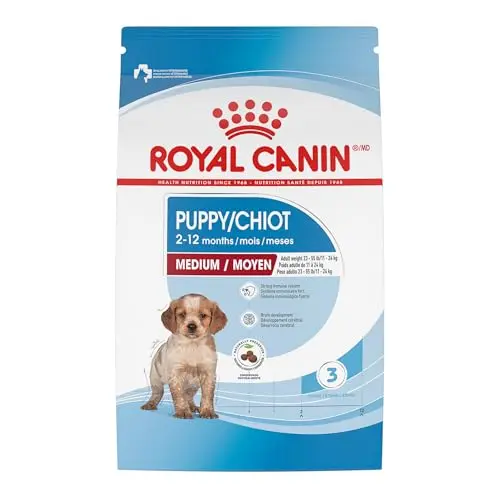
Medium Puppy Formula – Digestive & Immune Health
A tailored diet for medium-breed puppies that puts digestive wellness front and centre. With a blend of prebiotics and highly digestible proteins, it aims to support optimal stool quality while building a strong immune system.
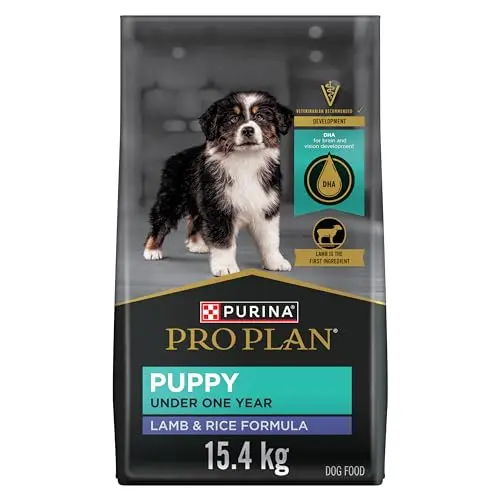
Lamb & Rice Formula – Probiotics for Digestive Health
A lamb-first recipe enriched with live probiotics and omega-rich fish oil. It’s built to nourish brain development while helping maintain a healthy gut, all in a larger bag for multi-pup households or extended feeding.
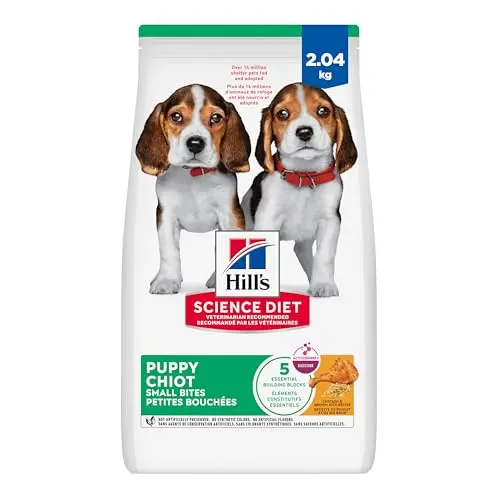
Puppy Small Bites Chicken & Brown Rice – Prebiotic Digestive Support
Small-breed puppies get a custom kibble size and a prebiotic fibre blend that specifically targets gut health. DHA and antioxidants round out a formula designed for smooth digestion and firmer stools.
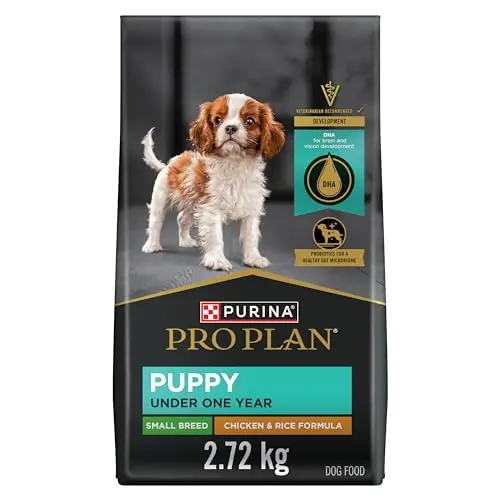
Small Breed Chicken & Rice – Live Probiotics for Digestive Health
A chicken-first small-breed formula fortified with guaranteed live probiotics and DHA. The bite-sized kibble is tailored for smaller jaws, and the nutrient blend is designed to keep digestion on track from the start.
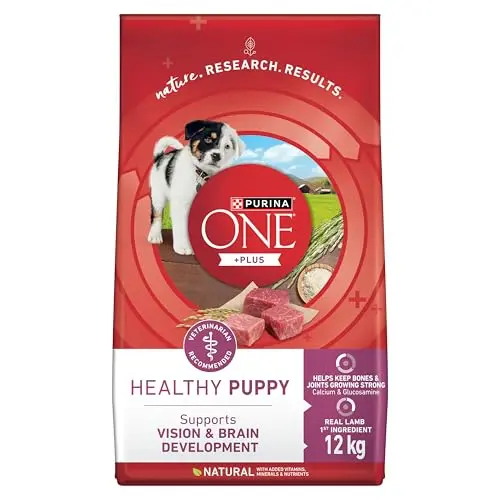
Healthy Puppy Lamb & Oatmeal – Gentle Digestion
Lamb and oatmeal combine for an easily digestible recipe that’s gentle on developing stomachs. No fillers or artificial flavours, just smart ingredients to support brain development and waste reduction.
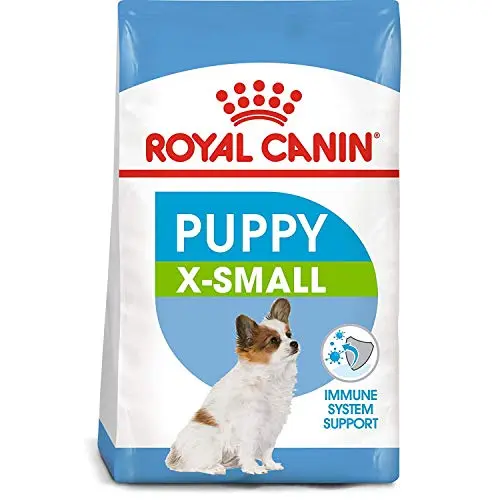
X-Small Breed Formula – Tailored for Toy Breeds
Precision nutrition for the tiniest puppies, with an expected adult weight under 8 lbs. Prebiotics and highly digestible proteins work together to promote ideal stool consistency and immune health.
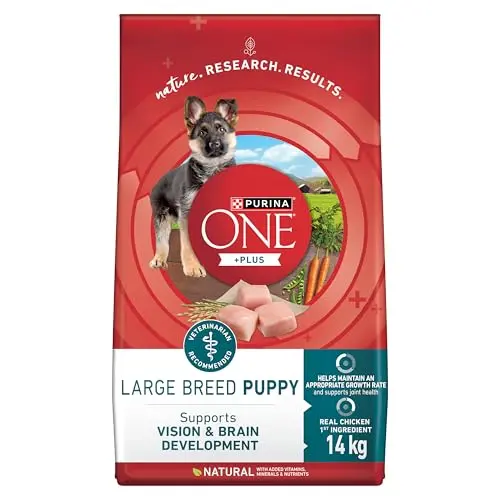
Large Breed Chicken – Joint & Digestive Support
A large-breed chicken formula with easily digestible rice and natural glucosamine. Designed for puppies who need joint care alongside a happy gut.
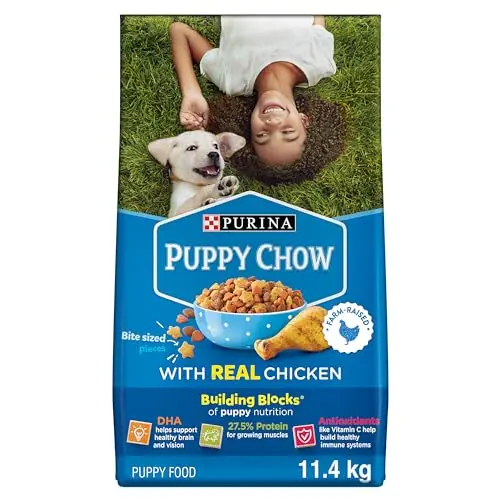
Complete Chicken Formula – Everyday Nutrition
An affordable, no-fuss chicken-based diet that covers all the puppy basics. It doesn’t have the digestive bells and whistles of premium options, but it does deliver reliable nutrition.
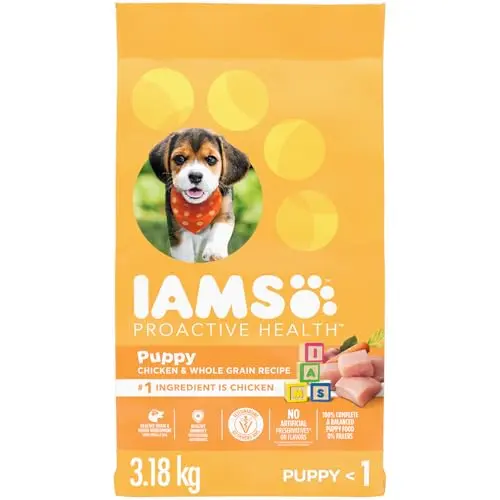
Proactive Health Puppy Chicken & Whole Grain – Promotes Firm Stools
The only food in our lineup that puts a ’10-day optimal poop” promise on the bag. A chicken and whole grain recipe designed from the ground up to improve stool quality.
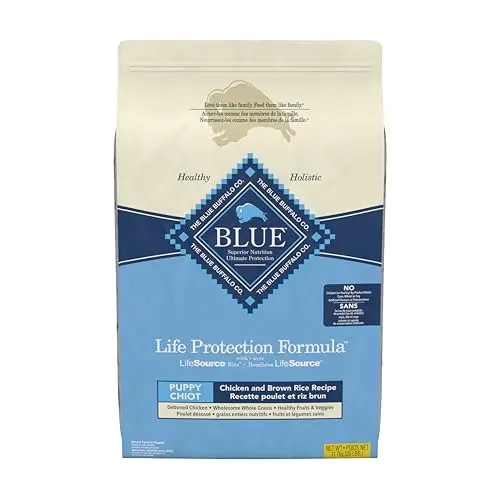
Life Protection Formula Chicken & Brown Rice – DHA & ARA for Development
A clean-ingredient chicken and brown rice recipe with LifeSource Bits for immune health. High-quality ingredients are the star, but stool-specific benefits aren’t a focal point.
How We Evaluated These Puppy Foods for Less Poop
We didn’t send samples to a lab for nutrient absorption analysis or run long-term stool trials. Instead, we cross-referenced 10 models from 7 brands across five key decision axes: protein digestibility, inclusion of gut-health boosters (prebiotics and probiotics), ingredient quality, breed-specific tailoring, and owner-reported stool quality. We mapped published specifications and formulation claims against real-world feedback, giving heavier weight to foods that explicitly address stool consistency-like IAMS’s 10-day optimal poop promise. Our scoring leaned 60% on real-world fit and performance (how well the food supports smaller, firmer waste) and 40% on feature differentiation (unique digestive aids or breed-specific design). We have no commercial relationship with any brand; our picks are based on which food best marries digestive science with puppyhood needs. If you’ve got a medium-breed pup, the Royal Canin Medium Puppy is engineered for gut health; if you want a formula that puts stool quality in writing, the IAMS Proactive Health drops a clear gauntlet.
How to Choose the Right Puppy Food for Less Poop
More Than Just Less Clean-Up: What Your Puppy's Poop Says About Their Diet
Waste isn’t just a yard nuisance-it’s a direct reflection of how well your puppy is digesting their food. A diet that’s highly digestible leaves behind fewer undigested residues, resulting in smaller, firmer stools. Conversely, cheap fillers and low-quality protein can lead to larger, looser poops. Pay attention to the ingredients that specifically target digestive efficiency-they’re the real heroes behind a cleaner lawn.
Ingredients That Actually Reduce Waste: Prebiotics, Probiotics, and Protein Quality
Look for foods that list named protein sources (chicken, lamb, fish) as the first ingredient. These are more bioavailable than vague ‘meat meals” and break down more completely. Prebiotic fibres (like beet pulp or chicory root) feed good gut bacteria, while live probiotics directly introduce beneficial microbes. Both pave the way to firmer stools. Avoid formulas overloaded with corn, wheat, or soy-they can act as cheap binders but often result in bulkier waste.
Why Lamb-Based Formulas Can Be a Gentler Choice
Some puppies have sensitive stomachs that rebel against common proteins like chicken. Lamb is often considered a ‘novel” protein that’s easier on the digestive system and less likely to trigger gut inflammation. Combined with oatmeal or rice-which provide a gentle, binding effect-lamb recipes can significantly reduce loose stools. The Purina ONE Lamb & Oatmeal is a prime example of this approach.
Does Breed Size Matter for Digestibility?
Absolutely. Toy and small breeds have faster metabolisms and tinier digestive tracts, so they benefit from nutrient-dense, easy-to-digest foods with small kibble. Large breeds need controlled growth to avoid joint stress, but their larger guts can handle more fibre. Breed-specific formulas like Hill’s Science Diet Small Bites or Purina ONE Large Breed are tailored to these unique needs, often leading to better digestion and less waste.
Transitioning Your Puppy to a New Food Without Upsetting Their Stomach
A sudden switch can cause diarrhoea-exactly the opposite of what you’re after. Introduce the new food gradually over 7-10 days, mixing increasing amounts with the old food. Watch for firmer stools as the new digestive aids take hold. If you’re chasing a ’10-day poop promise” like IAMS’s claim, stick to the schedule and give the prebiotics and probiotics time to work.
Is a Grain-Free Diet Better for Stool Quality?
Not necessarily. Grain-free diets often replace grains with legumes or potatoes, which can be harder to digest for some puppies and actually increase stool volume. Unless your vet has diagnosed a grain allergy, a whole-grain inclusive formula (like brown rice or oatmeal) usually supports steadier digestion and firmer poops.
Frequently Asked Questions
Can switching food really reduce my puppy's poop volume?
Yes, and often dramatically. Foods with high-quality protein and added prebiotics or probiotics increase the proportion of nutrients your puppy absorbs, leaving less undigested material to pass through. This translates to smaller, firmer stools. IAMS even backs their formula with a clinical promise of optimal poop within 10 days. Just remember that results can vary by breed and individual gut health.
What's the difference between Hill's Science Diet Small Bites and IAMS Proactive Health for stool quality?
Both target digestion but in different ways. Hill’s Small Bites uses a prebiotic fibre blend to feed existing gut bacteria, while IAMS Proactive Health relies on a precise nutrient mix (including omega-3 DHA) and explicitly promises firmer stools. Hill’s kibble is smaller, making it better for truly tiny mouths, but IAMS puts its stool-improvement claim front and centre. If you want a guaranteed digestive focus, IAMS delivers; if you need small-breed precision with solid digestive support, Hill’s is the stronger fit.
How does Royal Canin Medium Puppy compare to Purina Pro Plan Lamb for digestion?
Both are excellent, but Royal Canin’s medium-breed formula leans heavily on prebiotics and breed-specific kibble design, which many owners say leads to consistently firm stools. Purina Pro Plan Lamb brings the added punch of guaranteed live probiotics, which can give an extra digestive edge, especially during transitions. If your puppy has a finicky gut, the Pro Plan might be the better first try; if you’re prioritizing breed-tailored nutrition with solid gut support, Royal Canin edges ahead.
Are there any downsides to foods with live probiotics?
For most puppies, live probiotics are a net positive, but a small percentage may experience temporary loose stools when first introduced as the gut microbiome adjusts. This usually settles within a few days. The benefits-stronger immunity, better nutrient absorption, and firmer poops-far outweigh the brief adaptation period.
My puppy has runny stools-will any of these foods help?
Many of these formulas are designed to combat loose stools. Start with one that emphasizes easily digestible ingredients like lamb, oatmeal, and rice-such as Purina ONE Lamb & Oatmeal. Ensure you transition slowly. If runny stools persist, consult your vet, as it could signal a food intolerance or underlying health issue.
Final Verdict
For most medium-breed puppies and owners fed up with excess waste, the Royal Canin Medium Puppy is our top recommendation. It balances breed-centric nutrition with a genuine dedication to gut health. If you’re caring for a tiny pup, the Hill’s Science Diet Small Bites offers a different yet equally effective approach with prebiotic fibres perfectly sized for small mouths. And when you want the most direct promise for firmer stools, the IAMS Proactive Health puts it right on the bag. Whichever you choose, transitioning slowly is key to letting those digestive aids do their work.