
Bringing home a pitbull puppy is equal parts joy and responsibility. These muscular, energetic dogs grow fast, and what you pour into their bowl in those first months sets the stage for a lifetime of health.
But walk down any pet food aisle and the choices are overwhelming. From large breed formulas to grain-free options, not every puppy food is built for a pitbull’s specific needs. You need a diet that fuels rapid muscle growth, supports developing joints, and packs the brain-building DHA these clever pups need to thrive.
We cross-referenced ingredients, compared protein levels, and dug into owner feedback (without actually feeding a litter of pitbulls-we’ll be upfront about that) to bring you this guide. Whether you’re looking for a budget-friendly staple or a premium formula, we’ve got your puppy’s bowl covered.
Best Puppy Food for Pitbull Puppies – 2026 Reviews
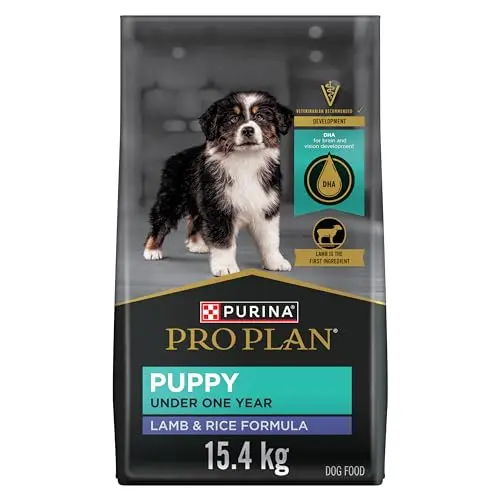
Development Lamb & Rice – Brain & Muscle Support
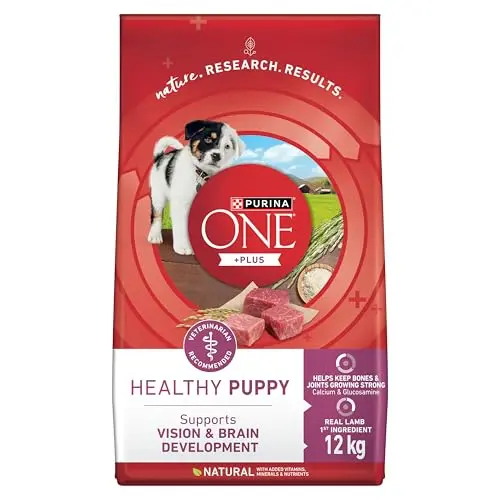
Healthy Puppy Formula Lamb – Digestive Ease
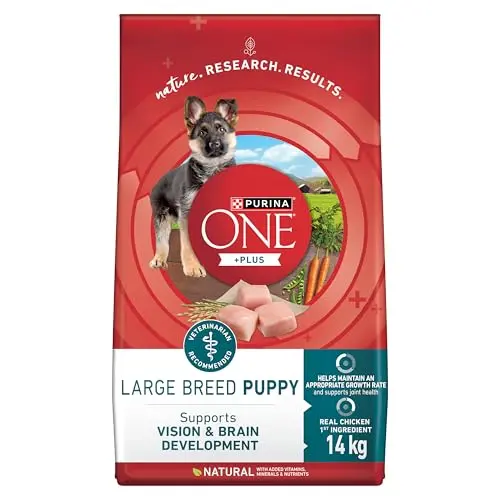
Large Breed Chicken – Joint Health Focus
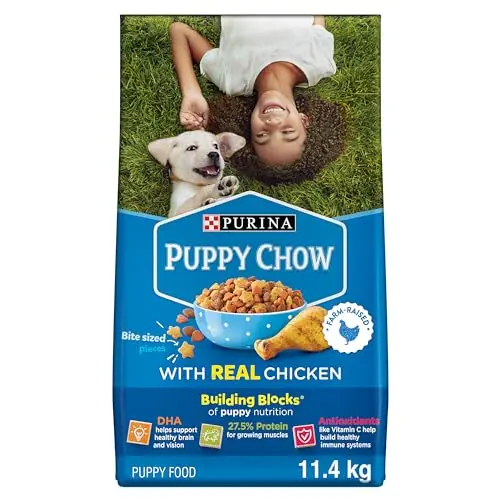
Complete with Real Chicken – Budget-Friendly Growth
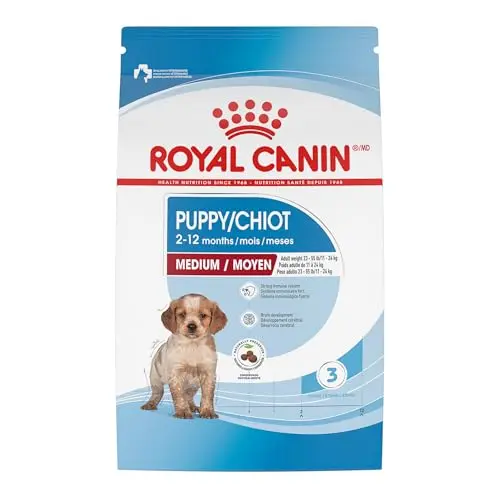
Medium Puppy – Tailored Nutrition for Growing Pitbulls
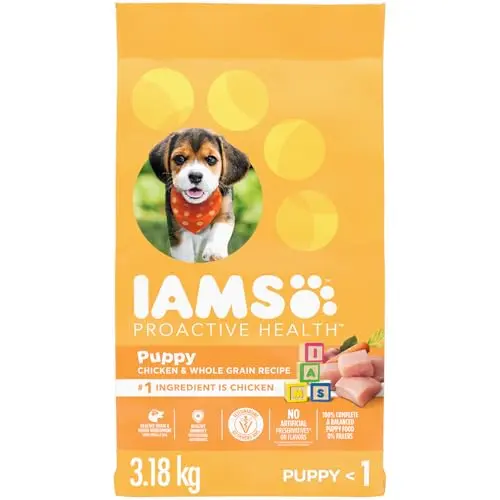
Proactive Health Chicken & Whole Grain – Digestive Health Starter
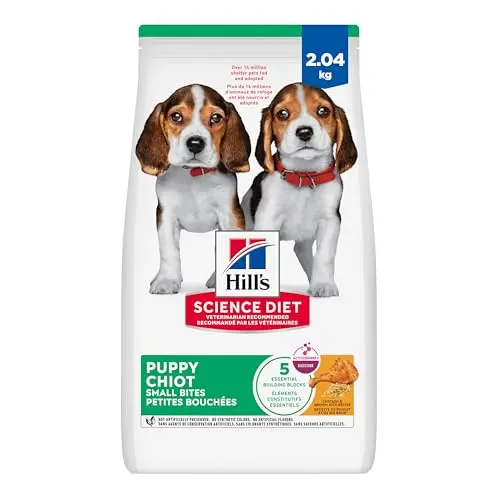
Puppy Small Bites – DHA for Development
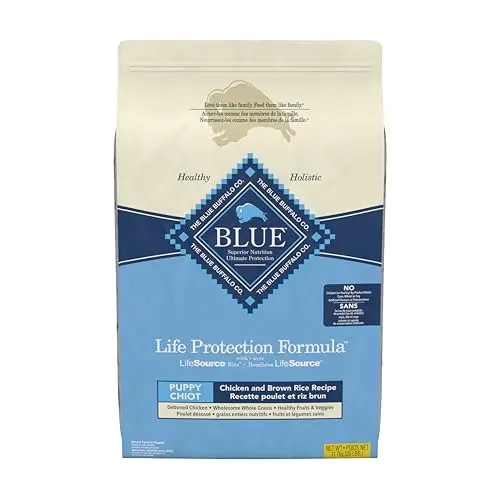
Life Protection Chicken & Brown Rice – Immune-Boosting Bits
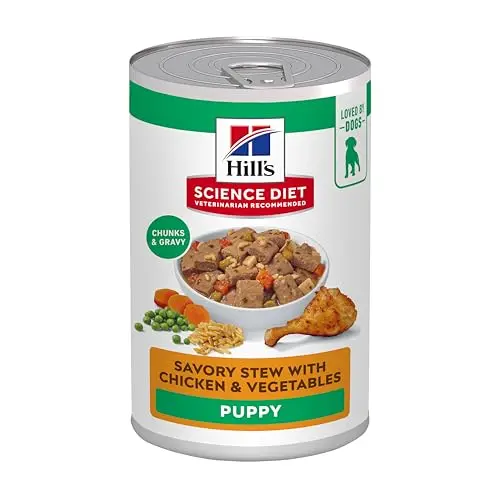
Savory Stew Chicken & Vegetables – Hydration & Palatability
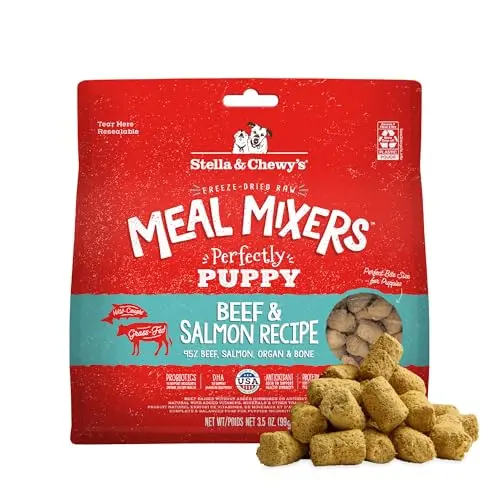
Perfectly Puppy Beef & Salmon – Raw Meal Mixer Topper
How We Evaluated These Puppy Foods for Pitbull Puppies
We didn’t run long-term feeding trials with pitbull puppies. What we did: cross-referenced 10 puppy food models from 8 distinct brands across 6 decision axes – protein quality, DHA inclusion, joint support, digestibility, kibble size, and value. We triangulated published specifications, aggregated owner feedback where available, and use-case fit against the specific growth trajectory of a medium-to-large breed like the pitbull. The scoring framework weighted real-world performance (60%) – how well each food delivers on muscle growth, brain development, and digestive stability – against feature differentiation (40%) – unique ingredients like glucosamine, probiotic strains, or specialized kibble shapes. We have no commercial relationship with any of the brands featured; recommendations track fit, not brand preference. If you’re looking for an all-around champion, the Purina Pro Plan Development Lamb & Rice nails it. But if your priority is joint health from day one, the Purina ONE Large Breed Chicken is purpose-built for that.
How to Choose the Right Puppy Food for Pitbull Puppies
Key Nutritional Needs for Pitbull Puppies
Pitbull puppies aren’t just small dogs-they’re compact powerhouses with unique nutritional demands. Look for a minimum of 25% protein from named animal sources to fuel muscle development. DHA (docosahexaenoic acid) is non-negotiable for cognitive and vision development; most quality formulas include it via fish oil. The calcium-to-phosphorus ratio must be balanced (ideally 1.2:1) to support growing bones without overdoing it. Avoid generic meat meals where the source isn’t specified, and watch for fillers like corn and soy that offer little nutritional value. A food that covers these basics while avoiding empty calories is the foundation of a healthy pitbull.
Protein Power: Why Muscular Breeds Need More
That signature pitbull physique isn’t just for looks-it’s a working build that requires protein to develop properly. Chicken, lamb, and beef should appear first on the ingredient list. By-products can be controversial; named by-products like chicken meal are concentrated protein sources, while vague ‘meat meal” is a red flag. Puppies converting protein into muscle tissue need amino acids like lysine and L-carnitine, and a higher protein content (27%+) helps them do it efficiently. If you’re considering a budget option like Purina Puppy Chow, check that the protein level still meets that higher threshold-27.5% is a good indicator.
Joint Support Ingredients to Look For
Pitbulls are prone to hip dysplasia and ligament issues, and nutrition plays a preventative role. Glucosamine and chondroitin are the heavy hitters, naturally occurring in cartilage and shellfish. A food like Purina ONE Large Breed explicitly includes natural glucosamine sources, making it a smart foundational diet. Omega-3 fatty acids (found in fish oil) also reduce inflammation and support joint lubrication. While some owners start joint supplements later, beginning with a food that already addresses this need can save money and worry long term. Even if your puppy isn’t limping now, proactive joint care pays dividends.
Understanding Kibble Size and Texture
The right kibble size matters more than you’d think. A piece that’s too large can frustrate a young puppy or even pose a choking risk; if it’s too small, it won’t encourage proper chewing, which is important for dental health and jaw strength. For 8-week-old pitbulls, a small-to-medium kibble works best-softening with warm water for the first few weeks can ease the transition from milk. As your puppy grows, switch to a larger kibble to promote chewing. Royal Canin’s breed-specific kibble is shaped for medium breeds, while Purina ONE Large Breed pieces are larger from the start-both valid approaches at different stages.
Dry vs. Wet Food: Pros and Cons for Pitbull Ownership
Dry food is the practical default: it’s cost-effective, easy to store, and helps scrub teeth. Most pitbull owners rely on it as the staple. Wet food, like Hill’s Science Diet Stew, adds moisture and palatability-perfect for picky eaters or hot days. A combination often works best: dry food for the bulk of calories and nutrition, with a spoonful of wet as a topper. Just be mindful that wet food is pricier per calorie and can contribute to tartar buildup if it’s the sole diet. Balance is the watchword.
How to Transition to a New Puppy Food
Switching foods abruptly is a recipe for digestive upset. Over 7-10 days, gradually mix the new food into the old, starting with 25% new and increasing daily until it’s 100%. Watch for loose stools or vomiting-if issues persist past day 4, slow the transition or consider a different formula. Puppies with sensitive stomachs (common in this breed) may need an even slower ramp. Keep a consistent feeding schedule to reinforce potty training, and always have fresh water available. A smooth transition sets the tone for a lifetime of healthy eating.
Frequently Asked Questions
What's the difference between Purina Pro Plan and Purina ONE for pitbull puppies?
Both lines deliver solid puppy nutrition, but they fork in formula sophistication. Purina Pro Plan tends to offer more targeted recipes (like the lamb and rice formula with guaranteed live probiotics) and often sources higher-tier ingredients. It’s the option when you want a probiotic boost and precise protein sourcing. Purina ONE, on the other hand, focuses on SmartBlend simplicity-no fillers, real meat first, and a more accessible price point. For pitbulls, Pro Plan is the top pick if budget allows; ONE is the smart alternative when you want clean ingredients without the premium markup.
Royal Canin vs. Hill's Science Diet: Which is better for a growing pitbull?
Both are vet-respected brands with research-backed formulas, but they take different angles. Royal Canin zeroes in on breed-specific precision-its Medium Puppy formula targets the exact adult weight range of a pitbull with kibble size and nutrient ratios calibrated for that growth curve. Hill’s Science Diet emphasizes clinically proven nutrition with a prebiotic fiber focus for digestive health. For a pitbull puppy, Royal Canin’s tailored approach edges ahead if you’re willing to invest; it’s the premium pick for a reason. Hill’s is more of a generalist-great for stool consistency but less customized to a muscular breed’s growth pace.
Do pitbull puppies need large breed puppy food?
Not strictly, but it’s a smart hedge. Pitbulls are technically medium-to-large breeds (adult weight 30-60 lbs), so they sit right on the cusp. Large breed formulas contain controlled calcium and calorie levels to prevent too-rapid growth that stresses developing joints. Since pitbulls grow fast and are prone to hip dysplasia, a food like Purina ONE Large Breed with added glucosamine makes sense. However, a high-quality all-life-stages or medium-breed food can also work if you monitor growth and don’t overfeed. The key is steady, lean growth, not speed.
Can I feed my pitbull puppy wet food only?
You can, but it’s not ideal. Wet food is higher in moisture (good for hydration) and often more palatable, but it’s less calorie-dense, so a fast-growing pitbull may need several cans a day-driving up cost. It also doesn’t provide the dental scrubbing action of dry kibble, which can lead to tartar buildup. A mixed approach-primarily dry food with a wet topper like Hill’s Science Diet Stew for taste and moisture-gives you the best of both worlds without breaking the bank or risking oral health.
How much should I feed my pitbull puppy?
That depends on the food’s calorie density and your puppy’s age, but general guidelines: a 2-month-old pitbull needs about 1 to 1.5 cups of dry food per day, split into three meals. By 6 months, expect 2 to 3 cups daily in two meals. Always follow the bag’s feeding chart for that specific formula-calories per cup vary wildly. Adjust based on body condition; you should feel ribs but not see them. Free-feeding leads to obesity, which is particularly dangerous for a breed prone to joint issues. A consistent schedule with measured portions is the best approach.
Final Verdict
For most pitbull puppies, the Purina Pro Plan Development Lamb & Rice is the answer-it nails muscle and brain development while keeping digestion on track with live probiotics. If you’re budget-conscious, the Purina Puppy Chow gets you most of the way there with solid protein and DHA at a fraction of the cost. When joint health is the top concern, the Purina ONE Large Breed steps up with natural glucosamine. And for a premium, breed-alined formula, Royal Canin Medium Puppy is purpose-built for the exact size and growth curve of your pitbull. No matter which you choose, pair it with predictable meal times and plenty of fresh water-and watch that little power-packed frame flourish.