
Bringing home a tiny toy breed puppy is like welcoming a whirlwind of energy in a pint-sized package. Those little paws and even tinier stomachs come with big nutritional needs – they burn through calories fast, they’re building bone and brain at a dizzying pace, and their itty-bitty mouths can’t handle regular-sized kibble. Getting the food right from day one sets the stage for a lifetime of healthy growth, a shiny coat, and that signature toy breed bounce.
Not all puppy chows are created equal, and the gap between a solid option and a meh one is especially wide for teacup-sized diners. You’re looking at a triangle of must-haves: kibble size they can actually crunch, nutrient density that fuels without overfeeding, and digestibility that keeps those delicate tummies happy. We’ve sorted through the options to spotlight the ones that really deliver for toy breeds like Chihuahuas, Yorkies, toy Poodles, and their petite pals.
Whether you’re leaning toward a breed-specific formula or a wider small‑breed pick, we’ve got you covered with a market‑level guide that puts your puppy’s needs first – not any one brand’s marketing.
Best Puppy Food for Toy Breeds – 2026 Reviews
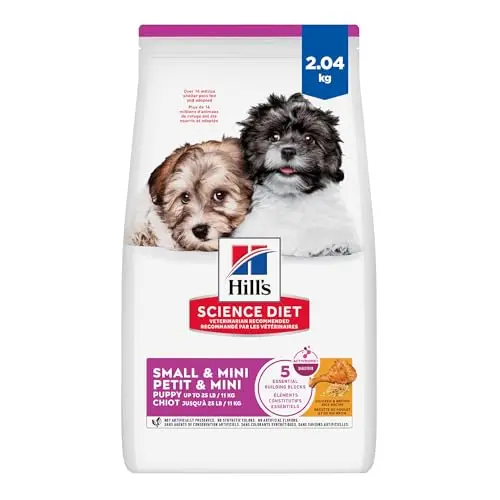
Small & Mini Puppy Food – Tiny Kibble Nutrition
Hill’s Science Diet Puppy Small & Mini is built around a thoughtful blend of DHA from fish oil for brain development, high‑quality protein for lean muscle, and a prebiotic fiber mix that’s easy on tiny digestive systems. The kibble is genuinely small – easy for even the most miniature mouths to grab and chew.
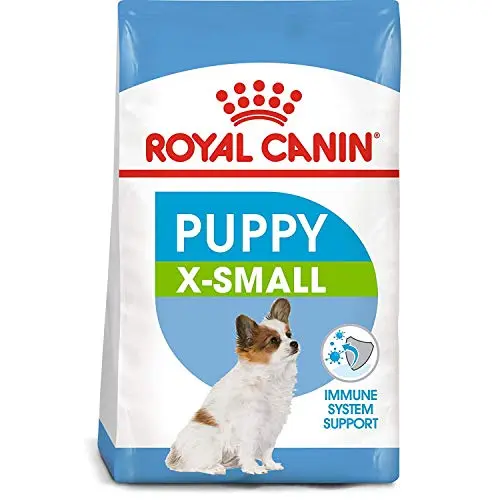
X-Small Puppy Food – Tailored for Toy Breeds
Royal Canin X‑Small Breed Puppy Food is explicitly designed for puppies whose adult weight won’t top 8 lbs. The crunchy kibble is custom‑sized for tiny jaws, and the antioxidant blend supports developing immune systems while prebiotics keep digestion steady.
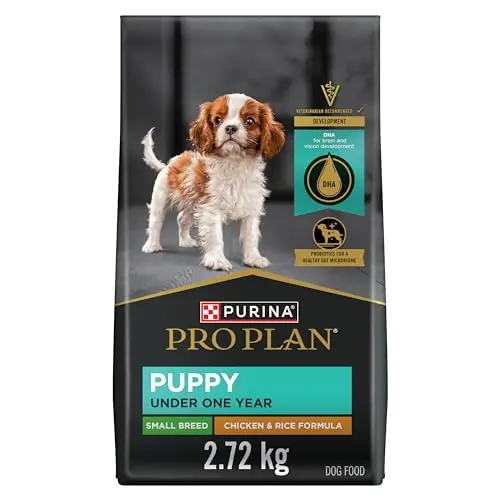
Small Breed Chicken & Rice – Probiotic‑Powered Growth
Purina Pro Plan Small Breed uses real chicken as the #1 ingredient and adds guaranteed live probiotics for digestive and immune health. DHA from fish oil supports brain and vision development, all in a bite‑sized kibble that small mouths can manage.
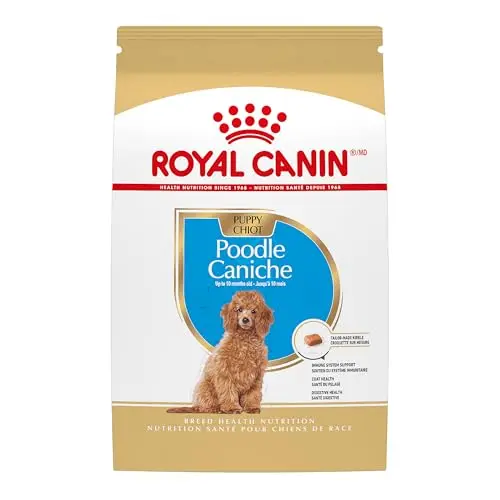
Poodle Puppy Formula – Curly Coat Support
Royal Canin’s Poodle‑specific puppy food gets granular: a unique kibble shape tailored for a Poodle’s pick‑up style, plus EPA and DHA from fish oil to nourish that developing curly coat, and a digestive blend to keep stools firm.
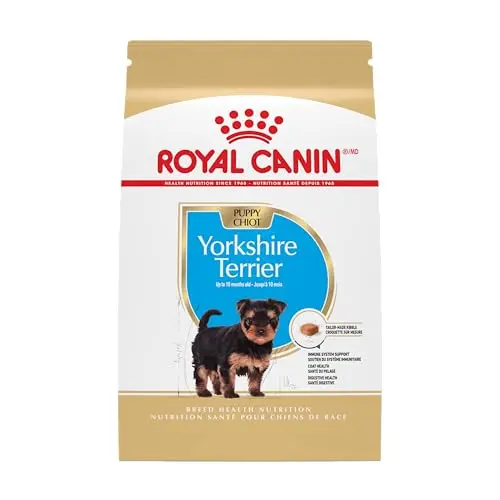
Yorkshire Terrier Puppy Food – Short Muzzle Friendly
Designed exclusively for Yorkie puppies, this Royal Canin formula uses a specialised kibble shape and texture for a short muzzle, plus omega‑3, omega‑6, and biotin for that signature silky coat.
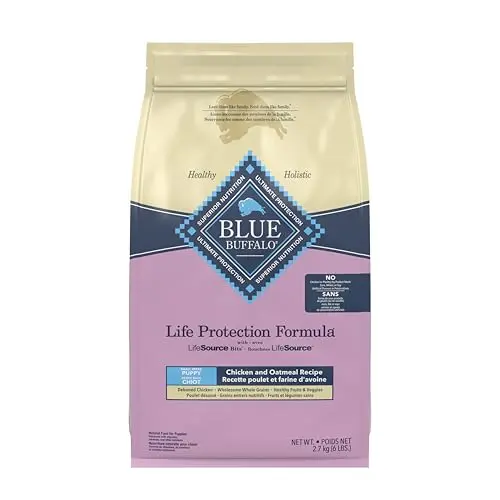
Small Breed Puppy Chicken & Oatmeal – Antioxidant‑Rich Start
Blue Buffalo’s small‑breed puppy recipe combines real chicken with wholesome grains like oatmeal and barley, plus LifeSource Bits – a precise blend of antioxidants, vitamins, and minerals cold‑formed to preserve potency.
How We Evaluated These Puppy Foods for Toy Breeds
We didn’t run long‑term feeding trials or have a vet check in on every puppy. What we did: cross‑referenced 6 puppy food models from 4 distinct brands across five decision axes – kibble size and shape, DHA and brain‑support nutrients, digestive‑health ingredients (prebiotics and probiotics), protein quality and source, and breed‑specific tailoring. We triangulated published specifications, aggregated owner feedback where available, and mapped each formula against the real‑world needs of toy breed puppies from weaning to 10-12 months.
The scoring framework weighted real‑world toy‑breed fit (60%) – how well a food actually performs for tiny mouths, fast metabolisms, and sensitive stomachs – against feature differentiation (40%) – whether a formula brings unique advantages like live probiotics, breed‑specific kibble engineering, or cold‑formed antioxidant bits. We have no commercial relationship with any of the brands featured; recommendations track fit and differentiation, not brand preference. If you need one kibble that works for most toy pups, the Hill’s Science Diet Small & Mini is our top recommendation; if your pup is under 5 lbs, the Royal Canin X‑Small was purpose‑built for that challenge.
How to Choose the Right Puppy Food for Toy Breeds
Why Kibble Size Matters for Toy Breeds
Toy breed puppies have tiny mouths, small jaws, and little teeth, so kibble size isn’t a minor detail – it’s a dealbreaker. If the pieces are too big, your puppy may struggle to grab or chew them, leading to frustration, undereating, or even a choking hazard. The best foods for toy breeds feature extra‑small kibble that’s easy to pick up and crunch. Royal Canin’s breed‑specific formulas take this a step further by tailoring the shape and texture to a breed’s bite pattern – flatter kibble for Yorkies, a unique graspable shape for Poodles – while Hill’s and Pro Plan keep it universally small. A simple test: you should be able to pinch a piece between your thumb and forefinger and barely feel it – that’s toy‑breed ready. Softer kibble can also help during the teething phase, so don’t be afraid to check moisture content or consider mixing with a little warm water at first.
Essential Nutrients for Tiny Puppy Development
All puppies need a complete and balanced diet, but toy breeds metabolise food faster and finish growing sooner, so nutrient density is key. Look for DHA from fish oil – it’s a structural fat in the brain and retina, and puppy foods that include it are directly supporting cognitive and vision development. High‑quality animal protein (chicken, lamb, or fish) should be the first ingredient to fuel lean muscle growth, and the formula should include calcium and phosphorus in the right ratio for bone strength without spurring too-rapid growth, which can stress tiny joints. Prebiotics and probiotics are especially valuable for toy breeds, many of which are prone to digestive upsets; they help maintain a balanced gut flora and firm stools. Antioxidants like vitamin E and vitamin C support the developing immune system, which is still learning the ropes in a puppy’s first year. The best foods bundle all of these into a small‑kibble format.
Breed‑Specific vs. All‑Breed Puppy Food: When Does It Pay Off?
Not every toy breed needs a dedicated formula, but if you own a Poodle, Yorkie, or another breed with a very distinct jaw structure or coat needs, breed‑specific foods can be worth the premium. Royal Canin’s Poodle and Yorkie lines, for instance, engineer kibble shape around documented breed traits – a Poodle’s narrow muzzle and a Yorkie’s short one. They also tweak the fatty‑acid profile for breed‑typical coat challenges. For mixed‑breed toy pups or those without strong breed‑specific quirks, a well‑rounded small‑breed or all‑breed formula like Hill’s Science Diet Small & Mini or Pro Plan Small Breed will often do an excellent job. The key is matching the food to your individual puppy’s appetite and digestion, not the label. If you try a breed‑specific food and your pup turns up its nose, don’t force it – cross over to a high‑quality small‑breed option instead.
Grain‑Free vs. Grain‑Inclusive: What Toy Breed Owners Should Know
Grain‑free diets gained popularity for dogs with suspected grain allergies, but true grain allergies are rare in puppies. For most toy breeds, wholesome grains like brown rice, oatmeal, and barley provide steady energy and support digestive regularity without causing issues. The concern arises when grain‑free recipes replace grains with high levels of peas, lentils, or potatoes, which in some cases have been linked to dilated cardiomyopathy (DCM) in dogs – though research is ongoing. Unless your veterinarian recommends a grain‑free diet for a confirmed allergy or sensitivity, a grain‑inclusive puppy food from a reputable brand is a safe, nutritionally sound choice. Blue Buffalo’s Small Breed formula, for example, intentionally includes oatmeal and barley. We didn’t include any grain‑free options in this lineup because the data suggests that for toy breed puppies, the risk‑reward balance isn’t compelling – and the grain‑inclusive formulas here already offer excellent digestibility.
Transitioning Your Puppy to a New Food Without Tummy Trouble
Switching foods abruptly is one of the fastest ways to upset a tiny stomach. A gradual, 7‑to‑10‑day transition gives your puppy’s digestive system time to adapt. Start with 75% old food and 25% new food for two to three days, then go 50/50, then 25/75, before finally serving 100% new. For particularly sensitive toy breeds like Yorkies or teacup Poodles, you can stretch the timeline to two weeks. During the transition, keep an eye on stool quality – a little softness is normal, but prolonged looseness or refusal to eat is a sign to slow down or consult a vet. Also, stick to measured portions; toy breeds are masters at looking hungry, but overfeeding during growth can stress joints. The feeding guide on the bag is a starting point, not a rule – adjust based on your vet’s advice and your puppy’s body condition.
Frequently Asked Questions
What's the difference between Hill's Science Diet Small & Mini and Royal Canin X‑Small Puppy Food?
Both are excellent for tiny pups, but they come at the challenge from slightly different angles. Hill’s Science Diet Small & Mini uses a prebiotic fiber blend to support gut health and leans on DHA for brain development, with a kibble that’s small but not sculpted to a specific breed shape. Royal Canin X‑Small, on the other hand, is explicitly formulated for dogs that will weigh under 8 lbs as adults – the kibble is scaled even smaller and the energy density is tuned for ultra‑light bodies. Royal Canin also tends to be more palatable for the pickiest eaters, while Hill’s has a slight edge in digestive consistency across a broader range of toy breeds. If your pup is a teacup variety (4 lbs full‑grown), Royal Canin X‑Small’s tailored approach might win; for a 6‑7‑lb toy breed, Hill’s is a fantastic all‑rounder.
How does Purina Pro Plan Small Breed compare to Blue Buffalo Small Breed for puppies?
Purina Pro Plan brings guaranteed live probiotics to the table, which can be a game‑changer for a puppy with tummy troubles – and it’s often more budget‑friendly. Blue Buffalo focuses on whole grains (oatmeal, barley) and its LifeSource Bits, a cold‑formed antioxidant pack that adds visual and nutritional variety. In practice, both use real chicken as the first ingredient and offer small kibble. The biggest gap is feedback depth: Pro Plan has a longer track record with small‑breed puppies, so we know more about its stool consistency and palatability across breeds. Blue Buffalo is a solid choice if you’re specifically looking for a corn/wheat/soy‑free formula with an antioxidant emphasis, but be aware that some puppies pick out the LifeSource Bits. If you’re value‑conscious and want proven probiotic support, go Pro Plan; if ingredient‑list aesthetics matter more, Blue Buffalo delivers.
Is grain‑free food necessary for toy breed puppies?
For the vast majority of toy breed puppies, no – grain‑free is not necessary and may even introduce risks. True grain allergies are uncommon, and whole grains like rice and oatmeal provide digestible carbohydrates that support steady energy and gut motility. Many grain‑free formulas replace grains with legumes and potatoes, which have been associated with dilated cardiomyopathy (DCM) in dogs in some studies. Unless your veterinarian has diagnosed a specific grain allergy or intolerance, a high‑quality grain‑inclusive puppy food is a safer, well‑rounded choice. All the foods in our roundup are grain‑inclusive for that reason. If you’re still keen on grain‑free, have a detailed conversation with your vet and monitor your puppy’s heart health regularly.
Can I feed my toy breed puppy regular puppy food if I break it up?
Breaking up larger kibble is better than nothing, but it’s not ideal for two reasons. First, crushing kibble creates dust and uneven pieces, which can lead to your puppy inhaling fine particles or only eating the smaller bits and leaving the rest – not a balanced meal over time. Second, the nutrient density and calorie concentration in a food designed for medium or large breeds won’t match a toy breed’s fast metabolism. You’d have to feed more volume to hit the same nutrient intake, which isn’t practical for a tiny stomach. A properly sized small‑breed puppy food is the cleaner, more nutritionally accurate solution.
Final Verdict
For the wide majority of toy breed puppies – Chihuahuas, Yorkies, toy Poodles, papillons, and their pint‑sized cousins – Hill’s Science Diet Small & Mini is the pick. It delivers brain‑boosting DHA, a prebiotic blend that keeps digestion smooth, and a truly tiny kibble that’s easy on small mouths, all in a formula that works across a range of toy breeds. If your puppy is on the extra‑small side (under 5 lbs adult weight), Royal Canin X‑Small is the most purpose‑built option – its kibble and energy density are calibrated for the tiniest of diners. For cost‑conscious owners who still want top‑tier probiotics and DHA, Purina Pro Plan Small Breed is tremendous value. And if you share your home with a notoriously picky Poodle, the breed‑specific Royal Canin Poodle formula routinely wins over the fussiest eaters. Whichever you choose, your tiny puppy’s nutritional foundation starts here – and with one of these in their bowl, you’re off to a great start.