
Your dog’s tail-wagging anticipation at treat time is one of the small joys of pet ownership, but not all snacks are created equal. From dental chews that scrub teeth to training morsels that motivate even the most stubborn pup, the quality of what we hand over between meals matters just as much as what’s in their bowl.
We combed through ingredient lists, nutritional claims, and real-world owner experiences to surface a handful of standout treats that deliver on both taste and function. Whether you’re reinforcing a recall or just want something healthier than table scraps, this guide maps out the options across brands and treat types so you can pick with confidence.
Best Quality Dog Treats – 2026 Reviews
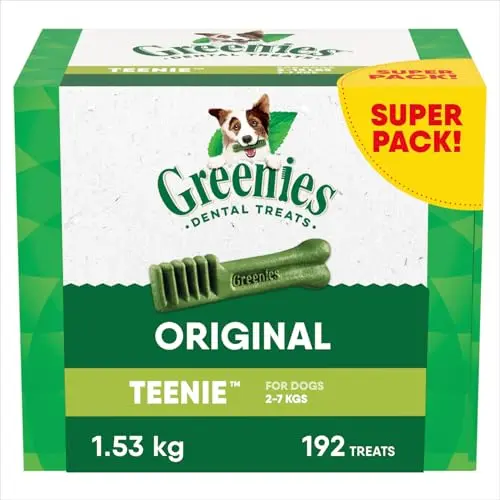
Original Teenie Dental Treats – Vet-Recommended Breath & Teeth Cleaning
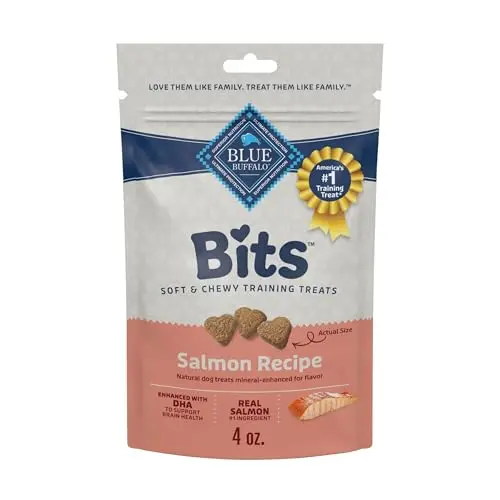
BLUE Bits Salmon Training Treats – DHA-Infused Morsels for Smart Snacking
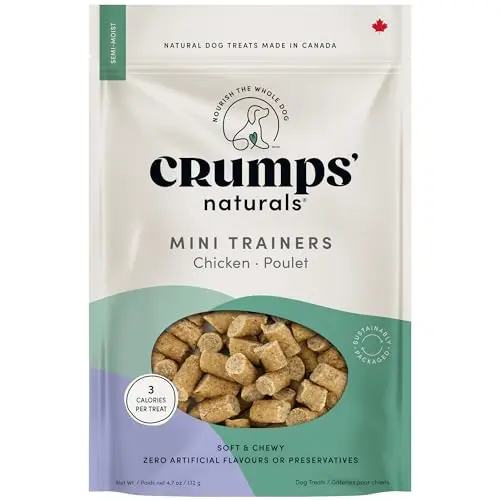
Semi Moist Chicken Mini Trainers – Low-Cal, Canadian-Made Training Bites
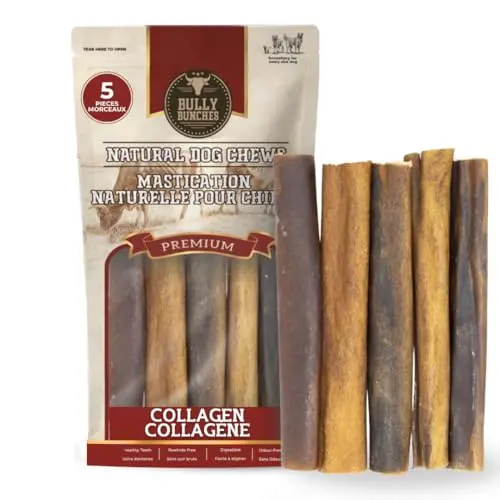
Premium Beef Collagen Chews – Joint-Friendly, Long-Lasting Dental Stick
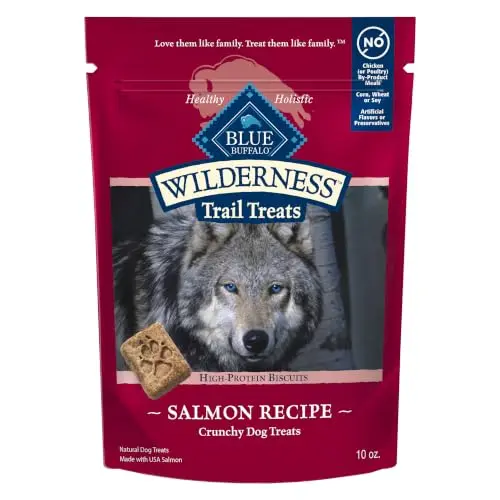
Wilderness Trail Treats Salmon Biscuits – Grain-Free Crunch with Real Meat
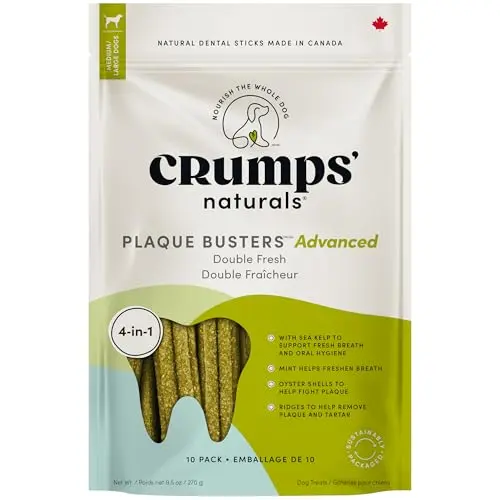
Plaque Busters Advanced Dental Sticks – Double-Fresh Breath & Plaque Removal
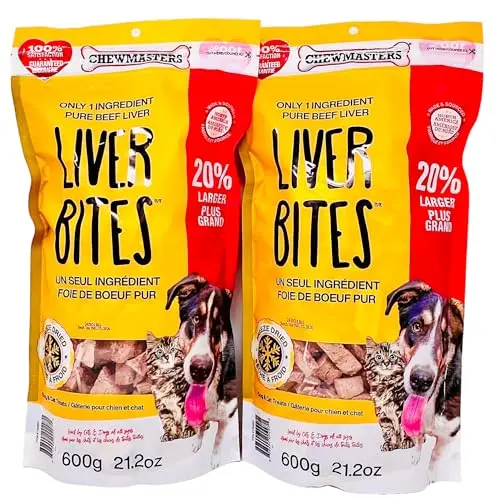
Freeze Dried Beef Liver Bites – Pure Protein from a Single Source
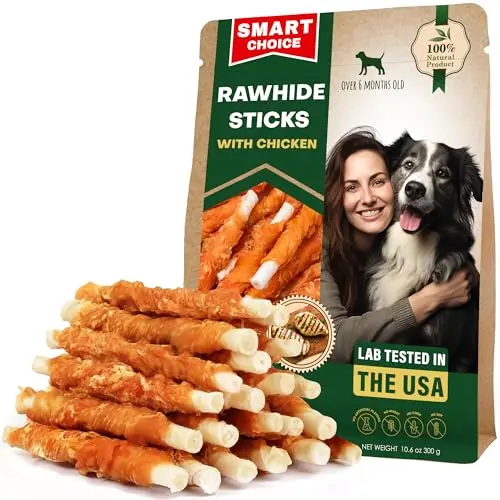
Rawhide Sticks Wrapped with Chicken – Long-Lasting Chew for Poultry Lovers
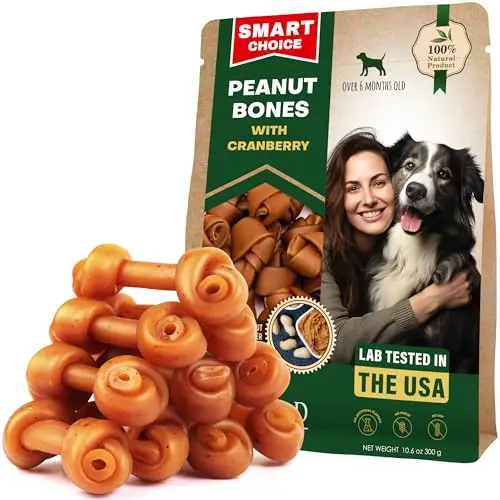
Peanut Butter Bones with Cranberry – Rawhide-Free, Grain-Free Chew
How We Evaluated These Quality Dog Treats
We didn’t run controlled feeding trials or vet-led dental exams on these treats. What we did: cross-referenced 9 treat models from 6 distinct brands across 6 decision axes – ingredient quality, nutritional benefit density, texture and training suitability, dental health support, digestibility, and owner feedback where available. We triangulated published specifications, aggregated real-world experiences, and use-case fit against common dog profiles: the everyday snacker, the training enthusiast, and the oral-care-oriented owner.
The scoring framework weighted real-world performance (60%) – how well each treat delivers on its core claim, whether that’s training motivation or plaque removal – against feature differentiation (40%) – unique ingredient stories, breed-specific sizing, or innovative designs that set a treat apart. We have no commercial relationship with any brand featured; these picks reflect cross-brand comparison, not brand preference. If your priority is a daily dental habit, the Greenies Original Teenie is your match; if you’re focused on training with a nutritional boost, the Blue Buffalo Bits leads the pack.
How to Choose the Right Quality Dog Treat
Ingredient Quality: What to Look For
A quality treat starts with its ingredient panel. Ideally, a named protein source (like salmon, chicken, or beef liver) appears first, not a vague ‘meat meal’ or corn. Look for whole-food ingredients you recognize and avoid artificial colours, flavours, and preservatives like propylene glycol. Treats can also pull double duty – for instance, DHA-enriched training treats support brain development in puppies, while chews with sea kelp and mint tackle bad breath. If your dog has allergies, limited-ingredient treats like freeze-dried liver simplify the trial-and-error process.
Types of Treats: Training, Dental, Chews, and More
The treat aisle can be overwhelming, but it helps to break it down by purpose. Soft training treats like Blue Buffalo Bits are designed for quick, repetitive rewards during sessions. Crunchy biscuits satisfy a need to chew while providing a longer-lasting treat. Dental chews are texturally engineered to scrape teeth – think Greenies’ ridges or Crumps’ Plaque Busters’ flower design. Then there are long-lasting chews (collagen, rawhide alternatives) for dogs who need an activity. Matching the treat type to the moment – training, distraction, or daily ritual – ensures you’re getting the most out of each bite.
Size and Texture for Different Breeds
A treat that’s perfect for a Great Dane can be a choking hazard for a Chihuahua. Pay attention to breed size recommendations: Greenies, for instance, offers in petite, small, and large sizes. Texture matters too: semi-moist treats are easier for seniors or small mouths, while big chewers need something firm enough to last. If you’re using treats for training, bite-sized morsels prevent overfeeding and keep the pace brisk. For peanut butter bones or biscuits, you can break them into smaller pieces, but the initial hardness should still be manageable for your dog’s jaw strength.
Natural vs. Rawhide: What's the Difference?
Rawhide gets a bad rap, but it’s not inherently harmful – the risk lies in digestibility and choking. Many owners now prefer rawhide-free alternatives like collagen chews or peanut butter bones, which break down more easily in the stomach. If you do choose rawhide, supervise the session and pick appropriately sized sticks. Highly digestible chews are generally a safer bet for dogs who swallow large chunks. Beloved Pets’ rawhide sticks, for example, are wrapped in real chicken for appeal, but you’ll want to watch for any signs of distress.
How to Read a Treat Label
Don’t be swayed by buzzwords – ‘all-natural’ doesn’t automatically mean healthy. Flip to the ingredient list and look for named proteins and grain-free claims that are backed by listed ingredients. Check the calorie content per treat if weight control is a concern; even low-cal options can add up if you’re generous. For dental chews, labels often highlight clinical trial results or vet-recommendation seals – not essential, but a signal of investment in efficacy. And always note the life stage: some treats are fortified for puppies, others for seniors with joint support.
Frequently Asked Questions
What's the difference between GREENIES and Crumps' Plaque Busters for dental care?
Both aim to reduce plaque and freshen breath, but they take different approaches. Greenies are vet-recommended and rely on a chewy, soluble texture that scrubs teeth as the dog gnaws. They come in breed-specific sizes and have a long track record. Crumps’ Plaque Busters, meanwhile, use a flower ridge design to physically scrape hard-to-reach spots and incorporate sea kelp and mint for a one-two punch against bacteria and odour. They’re made in Canada with no artificial ingredients, appealing to owners who want a more natural feel. For daily, proven dental maintenance, I’d lean toward the Greenies; for a natural, design-forward option with a fresh kick, the Plaque Busters are worth a try.
Blue Buffalo Bits vs Crumps' Mini Trainers: which is better for training?
It comes down to your training goals. Blue Buffalo Bits are softer, smellier (in a good way for dogs), and include DHA for cognitive development, making them ideal for puppies or high-intensity sessions where you need a dog’s full attention. They’re also free of poultry by-products. Crumps’ Mini Trainers are lower in calories, Canadian-made, and semi-moist with a clean ingredient list – better if you’re managing weight or want a more affordable, everyday reward. If your dog is food-motivated but needs a calorie cap, go with Crumps’. If you’re teaching new commands or working with a pup, Blue Buffalo Bits are the high-value pick.
Are freeze-dried treats like Chewmasters Liver healthier than baked treats?
Freeze-drying preserves more nutrients than baking, so treats like Chewmasters Beef Liver Bites retain higher levels of protein, vitamins, and minerals. With just one ingredient, they’re also a clean option for dogs with food sensitivities. Baked treats, on the other hand, often contain carbohydrates from flour or grains and may have lower nutrient density per bite. However, healthiness also depends on your dog’s overall diet and calorie needs. A freeze-dried liver treat is excellent as a high-value reward but should still be fed in moderation due to its richness.
My dog has allergies; what treats should I look for?
The safest route is a limited-ingredient treat with a single novel protein source. Freeze-dried liver (beef, chicken, or even exotic proteins) eliminates fillers and common allergens like wheat, corn, and soy. Check labels for hidden triggers: some treats use mixed tocopherols (vitamin E) as preservatives, which are generally safe, but avoid artificial preservatives if possible. Chewmasters Liver Bites are a great starting point because they have just one ingredient. Grain-free biscuits like Blue Buffalo Wilderness Trail Treats also work well, as long as your dog tolerates the protein source.
Can I use dental chews as my dog's main source of treats?
In moderation, yes – and many owners do just that. Most dental chews are formulated to be given daily, but they shouldn’t replace a balanced diet or account for more than 10% of your dog’s daily calories. Since they’re often calorie-dense (check the label), adjust meal portions accordingly. The Greenies line, for example, suggests one treat per day, which simplifies oral care without overdoing it on calories.
Final Verdict
For the majority of dogs, the Greenies Original Teenie Dental Treats are the pick – they turn a daily habit into real oral health benefits, and dogs genuinely love them. If your focus is training, the Blue Buffalo Bits offer unmatched motivation with a nutritional edge. When you need a low-calorie, all-natural option that still performs, Crumps’ Mini Trainers are the go-to. And for sensitive pups or simplicity seekers, the single-ingredient Chewmasters Liver Bites are a clean, high-value reward. Whatever treat you reach for, your dog will thank you – and that’s the best quality of all.