
Bringing home a small breed puppy is equal parts joy and worry. Those tiny mouths need tiny kibble, and their fast metabolisms demand nutrient-dense meals – but pick the wrong food, and you’re dealing with messy digestion or a picky eater who turns up their nose. We’ve surveyed the field to cut through the confusion.
The best puppy food for small breeds isn’t just a scaled-down version of an adult diet. It balances bite-sized pieces, high-quality proteins for lean muscle, DHA for brain development, and gentle ingredients that won’t upset a sensitive stomach. This guide compares real options across brands so you can choose with confidence, not guesswork.
From breed-specific formulas to grain-free picks, we’ve mapped the standout performers. Whether your puppy is a teacup Chihuahua or a feisty French Bulldog, there’s a match here. Let’s dig in.
Best Puppy Food for Small Breeds – 2026 Reviews
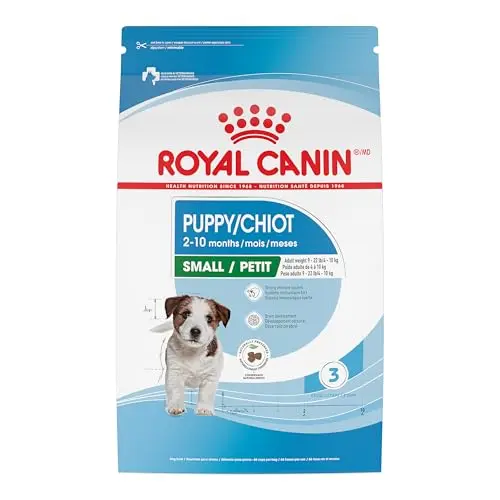
Small Puppy Formula – Tailored Nutrition for Growing Small Breeds
Royal Canin’s Small Puppy formula is purpose-built for breeds expected to weigh 9-22 lbs as adults. The crunchy kibble is engineered for small jaws, and the nutrient profile supports rapid growth, brain development, and immune health. It’s a no-guesswork pick that’s widely trusted.
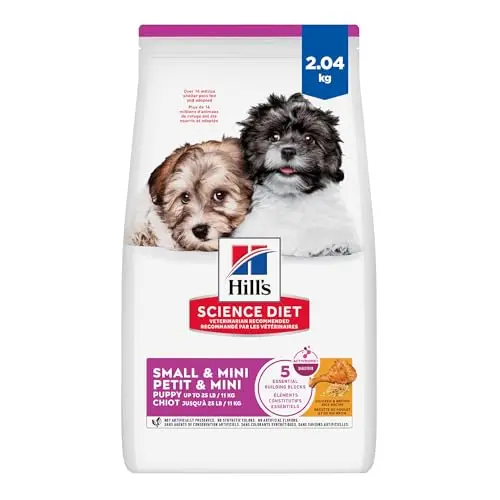
Small & Mini Breed Puppy Food – Brain & Eye Development Support
Hill’s Science Diet takes a research-driven approach with this small and mini breed formula. It emphasizes DHA from fish oil, high-quality protein, and a prebiotic fibre blend – all in a small kibble size that’s easy for tiny dogs to handle.
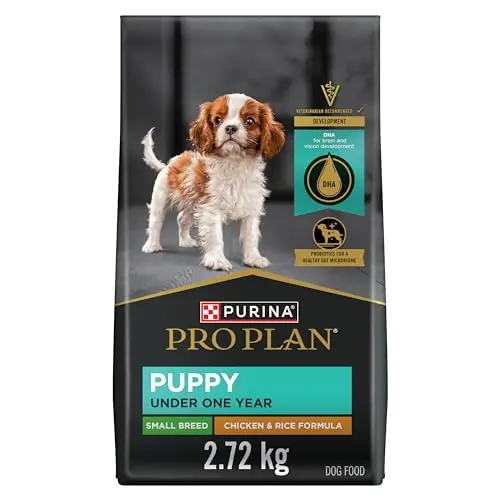
Development Small Breed Chicken & Rice – High Protein for Active Pups
Purina Pro Plan’s small breed recipe is high in protein and fortified with live probiotics and DHA. It’s built for the energy levels of little dogs with big personalities.
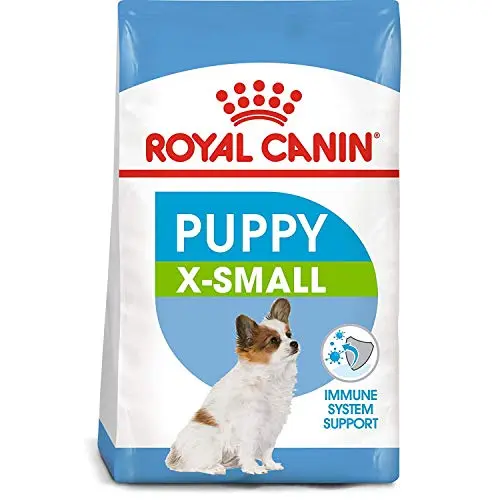
X-Small Breed Puppy Food – Specialized Kibble for Tiny Mouths
For puppies expected to stay under 8 lbs, Royal Canin’s X-Small formula delivers ultra-tiny kibble and focused nutrition for the tiniest of breeds.
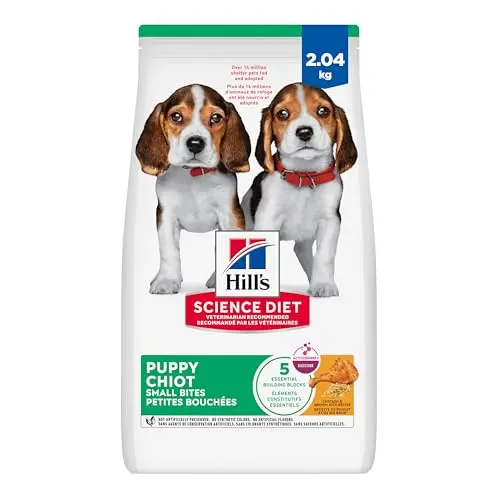
Puppy Small Bites – Easy-to-Chew Small Kibble
A sister formula to the Small & Mini version, Hill’s Science Diet Small Bites focuses on easy chewing and digestibility, with DHA for brain development and a prebiotic blend for gut health.
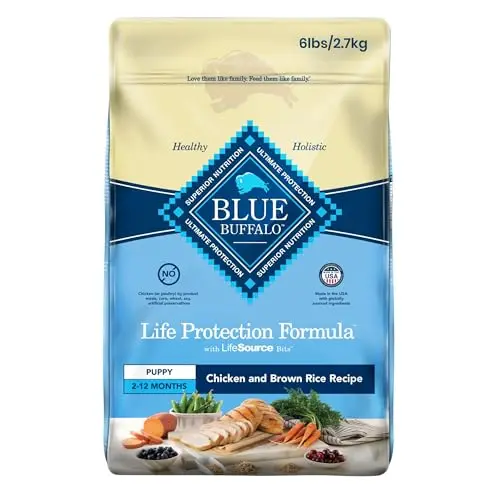
Life Protection Puppy Chicken & Brown Rice – Antioxidant-Rich Bits
Blue Buffalo’s puppy formula combines real chicken, wholesome grains, and their signature LifeSource Bits for a nutrient-packed meal that supports overall puppy growth.
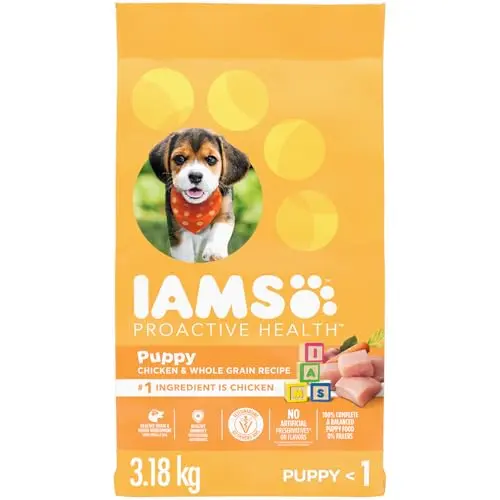
Proactive Health Puppy – DHA for Brain Development
IAMS offers a budget-friendly puppy food that doesn’t skimp on DHA or essential nutrients. It’s formulated for small-to-medium breeds and aims for optimal stool quality.
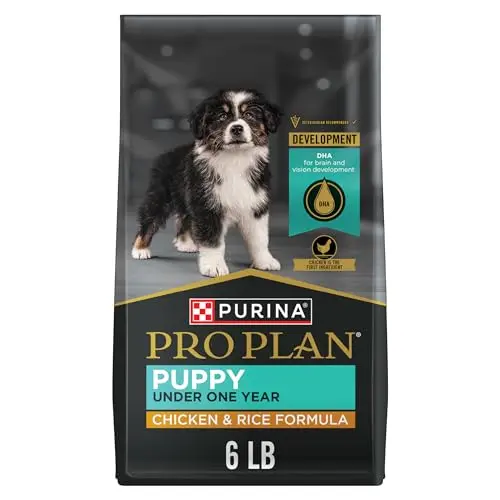
High Protein Chicken & Rice Puppy – Whole Body Health
This all-breed puppy formula from Purina Pro Plan delivers high protein and DHA in a widely available recipe. It’s a versatile option that works well for many small breed puppies too.
How We Evaluated These Puppy Foods for Small Breeds
We didn’t run controlled feeding trials or laboratory nutrient analyses. What we did: cross-referenced 8 puppy food models from 5 distinct brands across 6 decision axes – kibble size, nutritional density, DHA and brain support, digestive health features, ingredient quality, and real-world owner feedback where available. We triangulated published specifications, aggregated owner experiences, and use-case fit against what small breed puppies genuinely need during their critical growth months.
The scoring framework weighted real-world performance and suitability for small breeds (60%) – how well each food supports the rapid growth, tiny jaws, and sensitive stomachs typical of smaller dogs – against feature differentiation (40%) – unique advantages like live probiotics, LifeSource Bits, or breed-specific kibble engineering. We have no commercial relationship with any of the brands featured; recommendations track fit and differentiation, not brand preference. If you’re looking for an all-around top performer, the Royal Canin Small Puppy is the standout; if your budget is tighter or your puppy is a super-active fireball, the Purina Pro Plan Small Breed is a compelling alternative.
How to Choose the Right Puppy Food for Small Breeds
Kibble Size: Why It Matters for Tiny Mouths
Small breed puppies have little jaws and tiny teeth, so kibble size is non-negotiable. Pieces that are too big can cause choking or turn mealtime into a frustrating exercise. Look for formulas explicitly designed for small, mini, or toy breeds – these will have appropriately sized pieces. Royal Canin’s Small Puppy and X-Small formulations are excellent examples of size-specific engineering. Even some all-breed puppy foods can work if the kibble is described as “small bites” – just check the actual dimensions or reviews.
DHA and Brain Development: The Omega-3 Advantage
DHA (docosahexaenoic acid) is an omega-3 fatty acid critical for nervous system and eye development. Puppies get a head start from mother’s milk, but after weaning, they need it in their diet. Many quality puppy foods highlight DHA sourced from fish oil or marine algae. Look for it on the guaranteed analysis or ingredient list. Products like Hill’s Science Diet and Purina Pro Plan prominently feature DHA, and it’s a big reason they’re recommended – properly nourishing the brain during the first year pays lifelong dividends.
Probiotics and Digestive Health for Sensitive Stomachs
Small breeds often have more sensitive digestion, so formulas with digestive aids are a boon. Prebiotic fibres (like fructooligosaccharides) and live probiotics support a healthy gut microbiome and can reduce gas, diarrhoea, and messy stools. Purina Pro Plan’s small breed recipe is a standout here because it includes guaranteed live probiotics – many owners report firmer stools quickly. If your puppy is prone to tummy troubles, prioritize a food with these gut-friendly additions.
Ingredient Quality: Chicken First, Fillers Last
High-quality animal protein (real chicken, chicken meal) should top the ingredient list. Avoid foods where corn, wheat, or soy appear early – these are often fillers with less nutritional value for growing puppies. Brands like Blue Buffalo and Nature’s Recipe avoid these entirely, while others like IAMS still keep them low in the list. Whole grains (brown rice, oatmeal) can be beneficial for energy, but if you prefer grain-free, ensure the recipe still uses quality carbohydrate sources like sweet potatoes or peas.
Wet vs. Dry Food: Should You Mix?
Dry food is convenient and helps with dental health, but small breed puppies can benefit from mixed feeding. Adding a little wet food (like Royal Canin’s thin slices in gravy) can increase hydration and palatability for picky eaters. It’s also easier for teething puppies to handle. Just remember to adjust quantities to avoid overfeeding – small breeds pack on extra weight quickly.
Grain-Free vs. Grain-Inclusive: Which Is Right?
The grain-free trend isn’t always necessary for small breeds. Unless your puppy has a diagnosed grain allergy, grain-inclusive recipes can provide valuable fibre and nutrients. However, high-quality grain-free options (like Nulo or Nature’s Recipe) use lentils and sweet potatoes, which can be gentler on some stomachs. Discuss with your vet, as recent studies have raised questions about grain-free diets and heart health. For most puppies, a well-balanced grain-inclusive food like Hill’s Science Diet is perfectly fine.
Frequently Asked Questions
What's the difference between Royal Canin Small Puppy and Hill's Science Diet Small & Mini for small breeds?
Both are excellent, but they take slightly different approaches. Royal Canin tailors its formula with breed- and size-specific kibble engineering and includes a blend of prebiotics and highly digestible proteins to minimize digestive upset. Its X-Small variant is unmatched for toy breeds. Hill’s Science Diet emphasizes a broader antioxidant blend and has a longer track record of veterinary research behind its prebiotic fibre blend. In practice, if your puppy is especially tiny or has a finicky stomach, Royal Canin’s precise size targeting often wins. If you want a well-rounded, science-backed diet with a focus on immunity, Hill’s is a safe bet. Many owners rotate between the two with success.
Is grain-free puppy food better for small breeds?
Not necessarily. Grain-free diets can be helpful for pups with specific grain allergies, but such allergies are uncommon. Most small breed puppies thrive on grain-inclusive recipes that use wholesome grains like brown rice and oatmeal, which provide digestible energy. Some grain-free formulas substitute legumes and potatoes, which have been scrutinized in connection with canine dilated cardiomyopathy (DCM). Unless your veterinarian recommends it, a grain-inclusive option like Blue Buffalo Life Protection or Hill’s Science Diet is a generally safer and nutritionally complete choice.
How often should I feed my small breed puppy?
Small breed puppies have fast metabolisms and small stomachs, so they typically need three to four meals a day until about six months of age. After that, you can transition to twice-daily feeding. Always follow the feeding guidelines on the bag based on your puppy’s age and expected adult weight, but adjust based on body condition – you should be able to feel (but not see) the ribs. Overfeeding is a common mistake; small breeds can become overweight quickly, which stresses developing joints.
Can I switch my small breed puppy to adult food early?
Patience pays off. Most small breeds reach physical maturity between 9 and 12 months, but their nutritional needs during the growth phase are distinct. Stay on a puppy-specific formula until at least 10-12 months to ensure they get enough protein, calcium, and DHA for proper development. Switching too early can lead to nutrient deficiencies that affect bone density and cognitive function. When you do transition, do it gradually over 7-10 days by mixing old and new food.
Purina Pro Plan Small Breed vs. Royal Canin Small Puppy: Which offers better value?
That depends on your puppy’s needs. Purina Pro Plan Small Breed often comes at a slightly lower price per pound and includes guaranteed live probiotics, which can be a game-changer for digestive consistency. Royal Canin Small Puppy typically carries a premium for its breed-specific kibble design and research, but it delivers exceptionally precise nutrition. If your puppy is active and you’re on a moderate budget, Purina Pro Plan is a standout. If you prioritize tailored kibble size and are willing to spend a bit more, go with Royal Canin. Both are top-tier options.
Final Verdict
For most small breed puppies, the Royal Canin Small Puppy formula is the clear winner – it delivers breed-specific kibble engineering, strong digestive support, and targeted nutrition that takes the guesswork out of feeding. If you’re looking for an equally excellent alternative with a focus on immunity and a longer research pedigree, the Hill’s Science Diet Small & Mini is a superb runner-up. For high-energy pups that need that extra protein and probiotic kick, the Purina Pro Plan Small Breed won’t disappoint. Whichever you choose, you’re giving your tiny companion a strong start.