
You’ve probably noticed the shift. More dog owners are ditching the traditional kibble for raw food diets that promise shinier coats, better digestion, and a return to what canines evolved to eat. But raw isn’t one-size-fits-all – and the explosion of freeze-dried, dehydrated, and air-dried options makes it easy to get overwhelmed. The difference between a good raw food and a great one often comes down to protein quality, processing method, and how well it fits your dog’s specific needs.
We’ve cross‑referenced the market’s leading raw dog foods to help you pick the right one. Whether you need a complete meal, a nutritious topper, or a gentle option for a sensitive stomach, this guide lays out what matters – and which products actually deliver. No brand hype, just a practical look at what works for real dogs.
Best Raw Foods for Dogs – 2026 Reviews
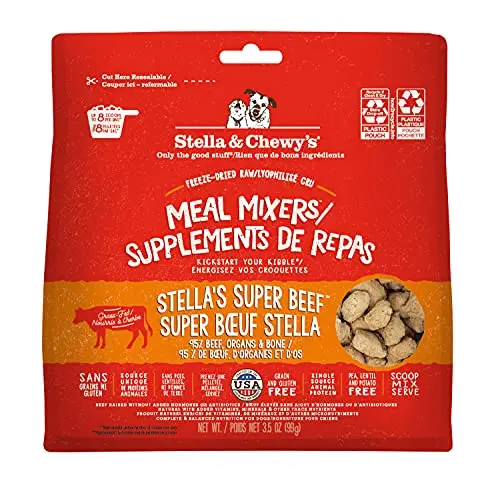
Super Beef Meal Mixer – Raw Boost for Kibble or Full Meal
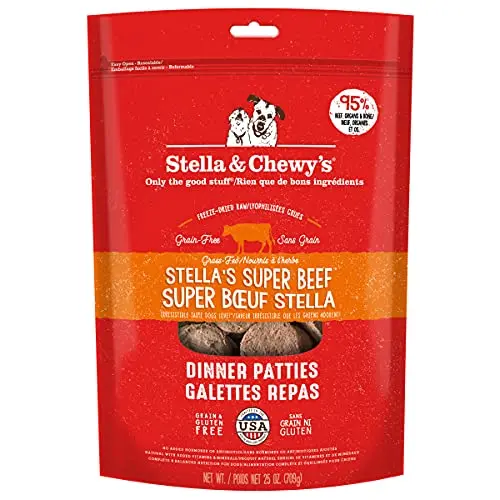
Super Beef Dinner Patties – Complete Raw Meal for All Breeds
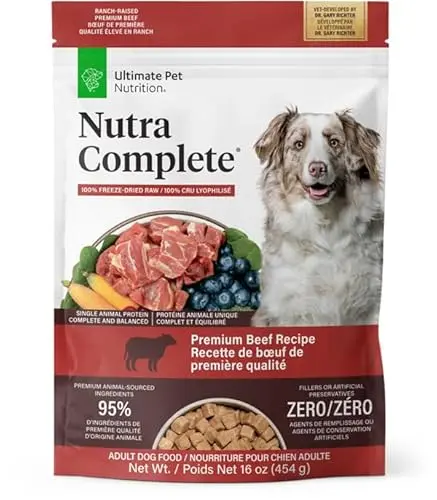
Nutra Complete Beef – Vet‑Formulated Freeze‑Dried Raw Chunks
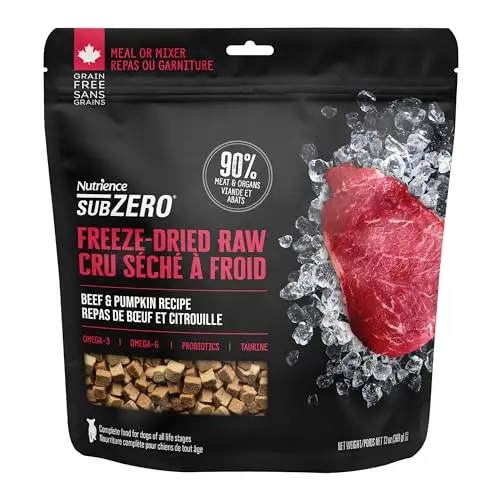
Subzero Beef & Pumpkin – Canadian Freeze‑Dried Raw with Probiotics
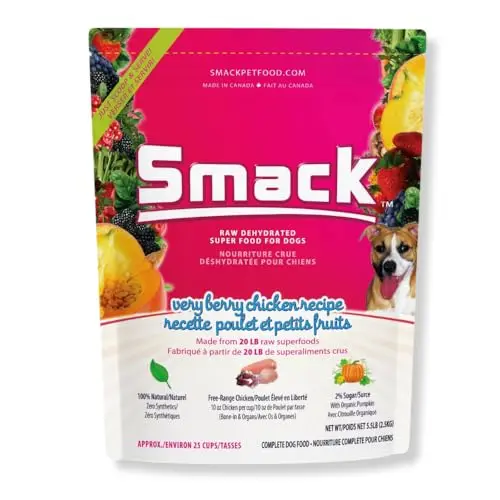
Very Berry Chicken – Organic Superfood Blend for Joint & Coat Health
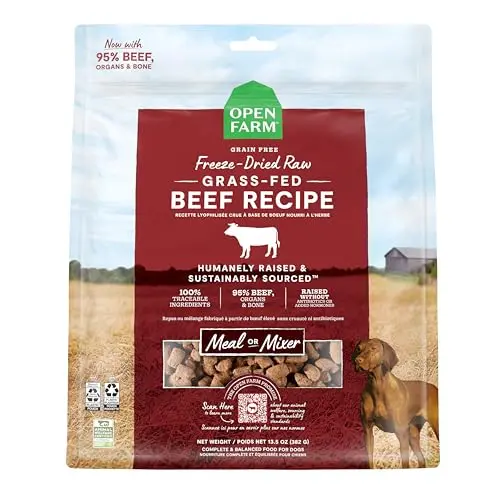
Grass‑Fed Beef Morsels – Freeze‑Dried Raw Meal or Topper
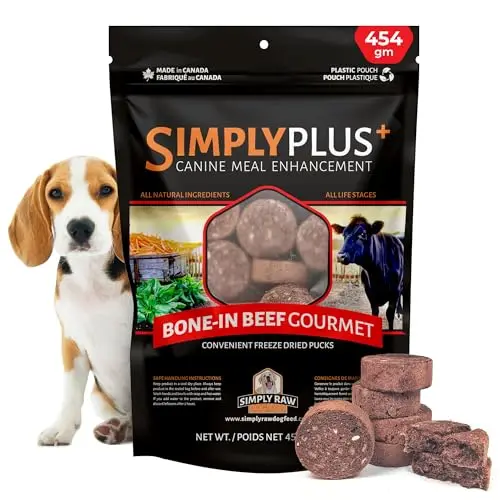
Bone‑in Beef Gourmet Pucks – Human‑Grade Freeze‑Dried Raw
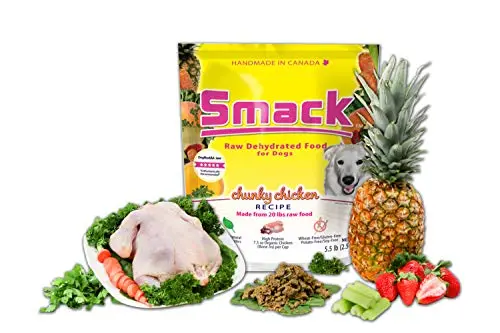
Chunky Chicken – Organic Dehydrated Raw with Superfoods
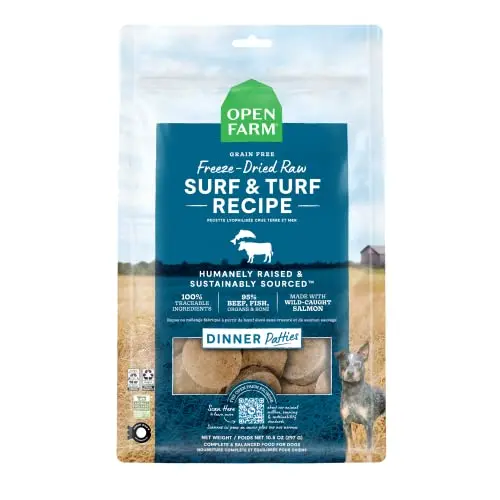
Surf & Turf Patties – Wild Salmon & Grass‑Fed Beef Blend
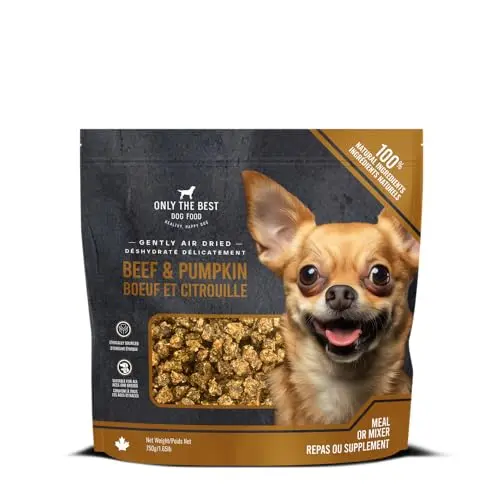
Beef with Pumpkin Air‑Dried – Raw Alternative, Grain‑Free
How We Evaluated These Raw Foods for Dogs
We didn’t run these through controlled feeding trials or lab nutrient panels. What we did: cross‑referenced 10 raw dog foods from 8 distinct brands across 5 decision axes – protein quality and source, processing method (freeze‑dried, dehydrated, air‑dried), ingredient transparency, digestibility, and use‑case versatility (meal vs. topper). We triangulated published specifications, ingredient lists, and aggregated owner feedback where available, and mapped each product against real‑world feeding scenarios – from picky eaters to sensitive stomachs to large‑breed meals.
The scoring framework weighted real‑world performance (60%) – how well each option delivers on its stated use case – against feature differentiation (40%) – unique processing, superfood inclusion, and formulation extras. We have no commercial relationship with any of the brands featured; recommendations track fit and differentiation, not brand preference. If you’re looking for a versatile everyday raw, the Stella & Chewy’s Meal Mixer is the one to beat; if you need a complete, no‑fuss meal, the Dinner Patties have you covered.
How to Choose the Right Raw Food for Your Dog
Understanding Raw Dog Food: Freeze‑Dried vs. Dehydrated vs. Air‑Dried
Not all raw is created equal, and the processing method is the first thing to check. Freeze‑dried raw removes moisture at extremely low temperatures, preserving nearly all the nutrients and giving you a product that rehydrates easily. It’s the closest you’ll get to fresh raw without the freezer. Dehydrated raw uses slightly higher heat over a longer period, which can reduce some vitamins but still retains a solid nutrient profile. Air‑dried raw is a newer category – think of it as a middle ground between kibble and raw, with a shelf‑stable, kibble‑like texture but fewer nutrients than freeze‑dried.
If convenience is king, air‑dried gets points for no mess and no rehydration. But if you’re chasing maximum nutrition, freeze‑dried is the clear winner. Dehydrated sits in between – often a good value pick that still beats processed kibble. Choose based on how much effort you’re willing to put into prep and storage.
Protein Sources: Beef, Chicken, Salmon and What Matters Most for Your Dog
Dogs thrive on animal protein, and raw foods deliver it in spades. Beef is the most common base – it’s rich in iron and B vitamins, and most dogs find it irresistible. Chicken is lighter and often easier to digest, making it a safer bet for sensitive stomachs. Salmon adds omega‑3s for coat and joint health, but watch for fish‑sourced ethoxyquin (a preservative) – the brands here that use wild‑caught salmon explicitly state they’re free of it.
Rotation is key. If your dog can tolerate multiple proteins, alternating between beef, chicken, and fish helps prevent allergies and boredom. The Surf & Turf patty from Open Farm, for example, builds variety right into a single meal.
Key Ingredients to Look For (and Avoid) in Raw Foods for Dogs
Flip the bag over. A quality raw food starts with a named meat (like ‘grass‑fed beef” or ‘wild‑caught salmon”), not a vague ‘meat meal.” Organ meats like liver or tripe are a huge plus – they mimic a wild diet and supply vitamins you won’t get from muscle meat alone. Organic fruits and veggies (blueberries, spinach, carrots) add antioxidants and fibre, but they should never crowd out the protein. Probiotics, like those in Nutrience’s Subzero, are a bonus for gut health.
What to avoid: grain fillers (corn, wheat, soy), artificial preservatives (BHA, BHT, ethoxyquin), and sweeteners. Peas and lentils aren’t inherently bad, but some dogs struggle to digest them – pea‑free options like Nutrience exist if your dog reacts.
How to Pick the Right Texture: Patties, Morsels, Pucks, and Chunks
Texture isn’t just about preference – it affects feeding speed, dental health, and even hydration. Patties (like Stella & Chewy’s Dinner Patties) are easy to portion and rehydrate into a pâté‑like consistency, which older or toothless dogs appreciate. Morsels and chunks are better for dogs who like to crunch or for use as training treats. Pucks (Simply Raw’s offering) are denser and often contain bone, giving teeth a workout. If you’re mixing with kibble, smaller, crumbly pieces like the Meal Mixer work better because they distribute evenly.
Stella & Chewy's vs. Open Farm vs. Nutrience: Which Brand Fits Your Dog?
These three brands represent different philosophies. Stella & Chewy’s goes all‑in on high meat content (95%) and uses freeze‑drying for maximum nutrient retention – ideal for raw purists. Open Farm leans into ethical sourcing and transparency, with certifications for humane treatment and organic produce; choose them if you care deeply about animal welfare. Nutrience takes a practical, Canadian‑focused approach, adding probiotics and skipping common allergens like peas – perfect for dogs with dietary restrictions.
There’s no universal winner. Match the philosophy to your dog’s needs and your own values.
Frequently Asked Questions
What's the difference between Stella & Chewy's Meal Mixer and Dinner Patties?
The main difference is intent and size. The Meal Mixer is designed as a topper first – small, pellet‑like pieces you can sprinkle over kibble – but it’s also nutritionally complete enough to be a meal. It comes in a small 99g bag, making it great for sampling or small dogs. The Dinner Patties are full‑size portions meant to be rehydrated as a complete meal. They’re larger, come in a 708g bag, and include added probiotics and taurine for heart health. If you want to fully switch to raw, go patties; if you want to enhance kibble or test raw, start with the mixer.
Is freeze‑dried raw food safe for dogs?
Yes, when sourced from reputable brands. Freeze‑drying eliminates moisture that bacteria need to grow, so shelf‑stable raw foods are generally very safe. The brands featured here all use high‑pressure processing or sourcing standards that minimize contamination risk. Still, practice normal food safety: wash your hands after handling, use clean bowls, and don’t leave rehydrated food out for more than an hour. Dogs with compromised immune systems may need extra caution – check with your vet.
How do I transition my dog to raw food?
Slowly. Start by replacing about 25% of their current food with the new raw, and increase the ratio every 2-3 days over a week. Watch for loose stools or vomiting – some dogs need a longer transition. Adding a probiotic or a spoonful of pure pumpkin can ease the shift. If your dog has a sensitive stomach, try a limited‑ingredient option like Nutrience Subzero and go even slower (10‑day transition). Never switch cold turkey unless you know your dog handles diet changes well.
What's the difference between Smack's Chunky Chicken and Very Berry Chicken?
Both are dehydrated raw with organic superfoods, but the protein base differs. Chunky Chicken is primarily organic chicken with millet seed and fruits like strawberry and mango. Very Berry Chicken actually features over 55% wild BC salmon along with chicken, plus a Caribbean‑inspired blend of pineapple and coconut. It’s richer in omega‑3s and targets joint health more explicitly. Pick Chunky Chicken for a cleaner poultry base; Very Berry if you want the added benefits of fish oil and a more exotic flavour.
Can I use these raw foods as a topper only?
Absolutely. Many of the products here – the Stella & Chewy’s Mixer, Open Farm Morsels, and Smack’s dehydrated formulas – shine as toppers. Using raw as a topper is the easiest way to add nutrition without overhauling your dog’s diet. Just reduce the kibble portion accordingly to avoid overfeeding. The Nutra Complete and Simply Raw pucks work as toppers too, though you’ll need to break them into smaller pieces.
Final Verdict
For most dog owners, the Stella & Chewy’s Super Beef Meal Mixer is the smartest starting point – it’s versatile, affordable, and dogs go wild for it. If you’re ready to commit to a full raw diet, the Dinner Patties give you complete nutrition in one tidy package. For dogs with delicate digestion, the Nutrience Subzero offers a gentle, Canadian‑made alternative. And if sourcing standards are your hill to die on, the Ultimate Pet Nutrition Nutra Complete brings vet‑crafted credibility. Whatever you choose, your dog’s bowl is about to get a whole lot tastier.