
If you’ve got a small dog who treats mealtime like a speed-eating competition, you know the worry: choking, gagging, bloating, or worse. Smaller breeds from Chihuahuas to Frenchies are often the worst offenders, inhaling kibble so fast they barely taste it. A slow feeder isn’t just a nice-to-have – it’s a simple health tool that can transform feeding time from a hazard into a calm, enjoyable ritual.
But not all slow feeders are created equal, especially for petite pups. A maze that’s too deep or too wide can frustrate a tiny snout, while a flimsy plastic bowl might slide all over the floor or even get chewed up. We’ve cross-shopped the category, comparing maze designs, materials, and the little details that separate a brilliant buy from a bad fit for your small dog. Our guide will help you navigate the options and choose the right feeder for your fast-eating companion.
Best Small Dog Slow Feeders – 2026 Reviews
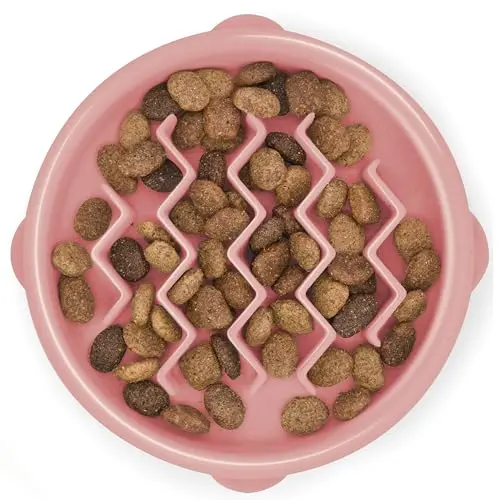
Fun Feeder Slo Bowl – 10x Slower Eating
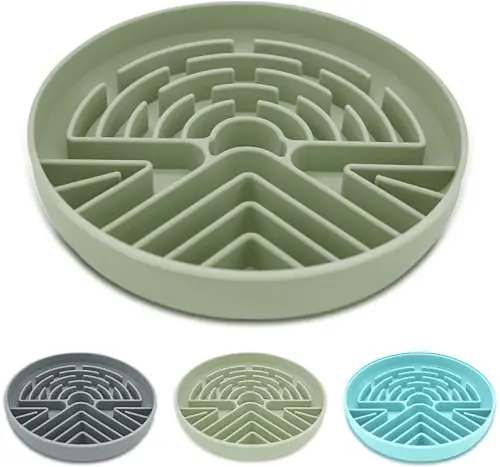
ZP-Blow – Anti-Choking Silicone Feeder
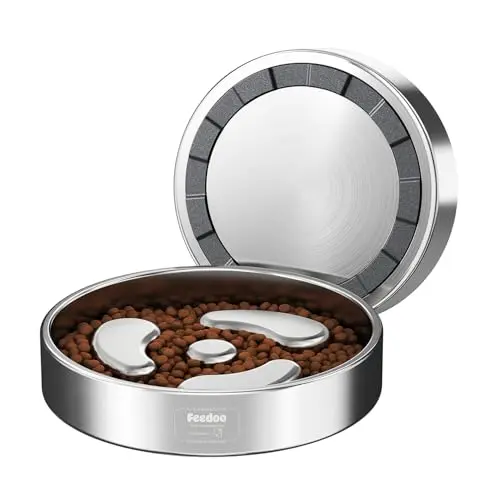
P33 – Double-Wall Stainless Steel Slow Feeder
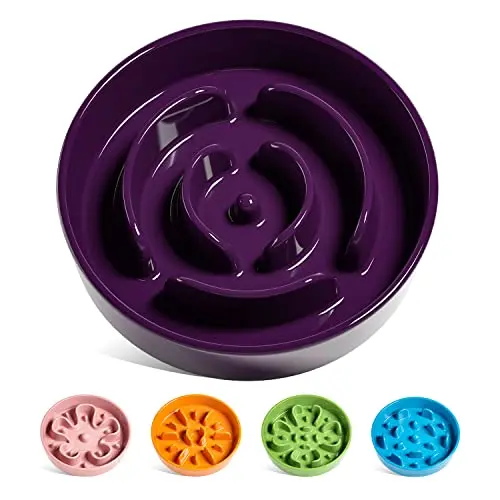
LEPS010 – Ceramic Maze Feeder
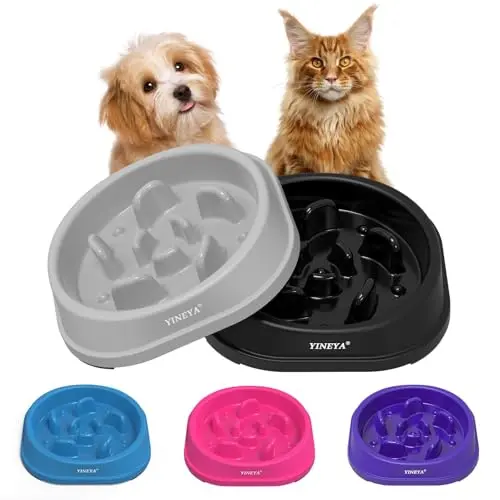
SELBowl-PL-1 – 2-Pack Anti-Choking Set
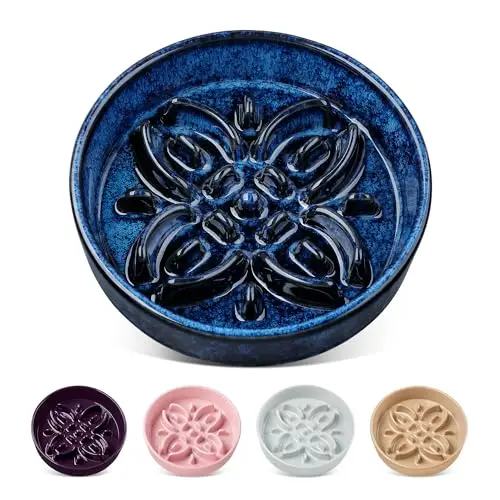
MSGW – Floral Maze Ceramic Bowl
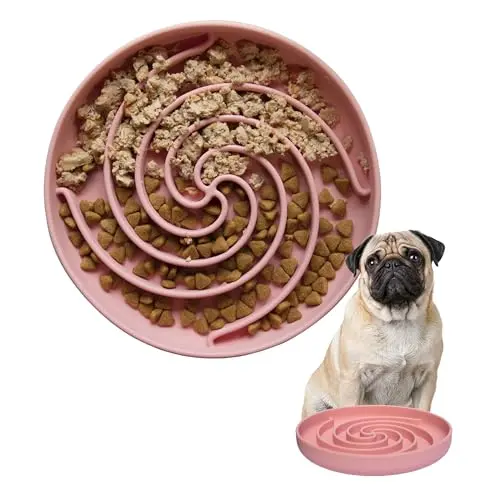
BF-Me-Pink – Silicone Puzzle Bowl
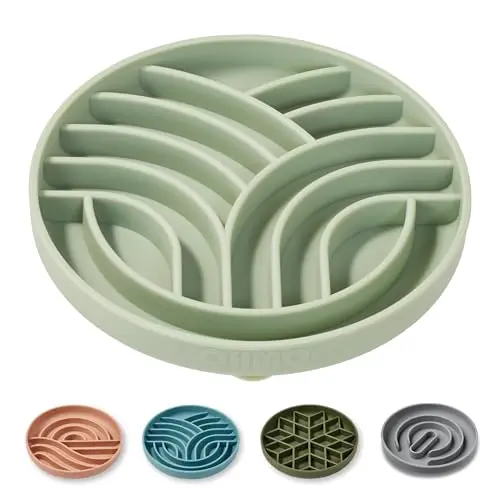
tdsflg – Tree of Life Silicone Feeder
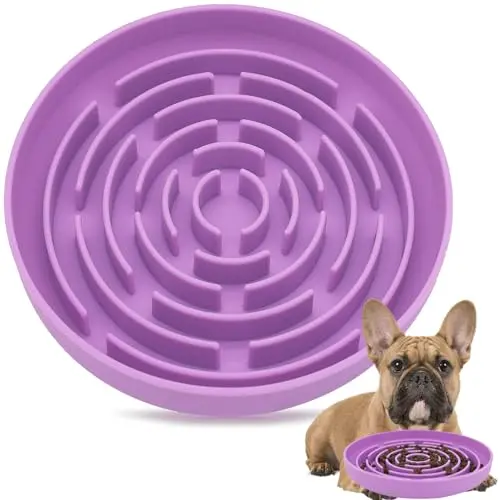
YU-224 – Suction Cup Silicone Feeder
How We Evaluated These Small Dog Slow Feeders
We didn’t run controlled feeding trials or dental‑health lab tests. What we did: cross‑referenced 9 slow feeder models from 9 distinct brands across 6 decision axes – maze design complexity, material safety, stability, capacity fit for small dogs, ease of cleaning, and owner feedback where available. We triangulated published specifications, aggregated owner experiences, and use‑case fit against representative small‑breed profiles (think Chihuahuas, French Bulldogs, and Mini Dachshunds).
The scoring framework weighted real‑world performance (60%) – how effectively each feeder slows eating while accommodating a small snout – against feature differentiation (40%) – unique material advantages, extra functionality (like lick‑mat versatility), and stability features. We have no commercial relationship with any of the brands featured; recommendations track fit and differentiation, not brand preference. If you’re looking for the simplest, most effective option for the widest range of small dogs, the Outward Hound Fun Feeder is your match; if you prefer a stay‑put silicone bowl, the Zonopy serves you better.
How to Choose the Right Small Dog Slow Feeder
Why Your Small Dog Needs a Slow Feeder
Small breeds are notorious for wolfing down food. Their tiny stomachs and narrow esophagi make them prone to choking, regurgitation, and even bloat – a serious condition. A slow feeder physically prevents your dog from taking huge mouthfuls by forcing them to navigate a maze, turning a 15‑second meal into a 5‑minute activity. Beyond digestion, it provides mental stimulation, which can reduce boredom‑related behaviours like barking or chewing. For flat‑faced breeds (brachycephalic dogs like Pugs or Shih Tzus), slow feeders also let them breathe more easily while eating.
What Makes a Slow Feeder 'Small Dog" Sized?
Size matters a great deal. A bowl designed for a Labrador will drown a Maltese. Look for capacities between 0.5 and 1.5 cups for most small breeds. The bowl should be shallow – deep mazes can frustrate short snouts or cause a flat‑faced dog to press its face into crevices. The maze ridges themselves should be low enough that a tiny tongue can reach the food without strain. Some feeders, like the Outward Hound Fun Feeder, are labelled as ‘Mini” or ‘Small” and sized specifically for pups under 20 pounds. Always check the product dimensions: a 14 cm diameter bowl is ideal for a Chihuahua; a 20 cm bowl may be overkill.
Maze Design: Complexity vs. Accessibility
Not all mazes are created equal for small mouths. A simple spiral or floral pattern is often more effective than a complex grid with tight corners, which can trap food and lead to frustration. The goal is to slow down eating, not to stump your dog to the point of giving up. Some brands offer multiple difficulty levels, like Outward Hound’s Slow, Slower, and Slowest options. Start with a moderate pattern and only move to harder ones if your dog becomes an expert. For very small breeds, a lick‑mat style feeder (like silicone pads) can be gentler and still effective.
Material Showdown: Silicone vs. Ceramic vs. Stainless Steel vs. Plastic
The material affects hygiene, durability, and safety.Plastic (polypropylene) is affordable, lightweight, and dishwasher safe, but can scratch and harbour bacteria over time. Silicone is soft, gentle on teeth, and often features suction cups for stability, but it can pick up odours and attract lint. Ceramic is heavy, chip‑resistant, and often beautifully glazed; it won’t move around but can break if dropped. Stainless steel is the most durable and hygienic, resistant to chewing and rust, though it can be noisy and pricier. For small dogs with delicate teeth, silicone or ceramic are excellent choices. If your dog is a chewer, avoid plastic. If you want a forever bowl, go stainless steel.
Stability and Non‑Slip Features for Wriggly Eaters
A slow feeder is only useful if it stays put. Small dogs can be surprisingly strong when motivated by food. Rubber or silicone non‑slip bases work well on hard floors, while suction cups offer a stronger hold but need a perfectly smooth, clean surface. Ceramic and stainless steel bowls rely on their weight for stability – a bowl weighing over 400 g (like the Feedoo) will hardly move. If you have a determined pusher, a heavy ceramic bowl with a non‑slip pad is your best bet. Suction‑based silicone feeders are next best, but test the hold before committing.
Cleaning and Maintenance
Slow feeders have nooks and crannies that can trap food residue, so easy cleaning is non‑negotiable. All the options we evaluated are dishwasher safe, but some, like the stainless steel Feedoo, practically rinse clean. Ceramic glazes prevent staining, while silicone can be flipped inside out for a thorough scrub. Plastic might need a designated brush for maze corners. Avoid feeders with unglazed ceramic or textured silicone that’s hard to wipe. Quick daily rinses and a weekly dishwasher cycle keep things sanitary.
Frequently Asked Questions
Are slow feeders safe for very small breeds like Chihuahuas?
Yes – provided you pick a feeder specifically designed for tiny snouts. The key is shallow maze depth and appropriate ridge height. Chihuahuas have particularly small mouths, so a bowl with tight, deep grooves could make eating too difficult or even scratch their tongue. Look for feeders labelled ‘mini” or those with a capacity under 1 cup. The vancasso floral bowl (0.6 cups) and Outward Hound Mini (0.75 cups) are ideal. Avoid using a large-breed feeder with a reduced portion – the maze dimensions are still wrong. Always supervise initially to ensure your dog can comfortably reach every piece of food.
What's the difference between the Outward Hound Fun Feeder and the Feedoo stainless steel slow feeder?
The Outward Hound Fun Feeder is a lightweight plastic bowl with a straightforward maze, while the Feedoo is a heavyweight stainless steel bowl with a raised metal pattern. The Outward Hound is easier to pick up and move, offers three difficulty levels, and is considerably lower in cost. The Feedoo is far more durable, virtually indestructible, and more hygienic thanks to its smooth stainless steel surface. For a small, well‑behaved dog, the Outward Hound is likely all you’ll ever need. If you want a long‑term investment that can withstand chewing and won’t absorb odours, the Feedoo is worth the extra.
How does the LE TAUCI ceramic feeder compare to the vancasso ceramic feeder?
Both are lead‑free ceramic with glazed surfaces and dishwasher‑safe designs. The LE TAUCI holds 1.5 cups and is better for small‑medium breeds like Beagles; the vancasso is just 0.6 cups and suited to truly tiny dogs. Aesthetics aside, the LE TAUCI is heavier and feels more substantial, while the vancasso has been reported as slightly more fragile. If your dog is under 8 pounds, go with the vancasso; between 8 and 20 pounds, the LE TAUCI is a better fit.
Can I use a slow feeder for wet food or just kibble?
Slow feeders work for both, but not all materials are equal. Silicone and stainless steel handle wet food best – they’re non‑porous and won’t soak up moisture or odours. Ceramic also works well if the surface is fully glazed. Plastic can be used, but it may hold smells over time. Many silicone feeders double as lick mats, perfect for spreading wet food, yogurt, or peanut butter. Just be sure to wash immediately after wet meals, as residue can dry and crust in the maze crevices.
Final Verdict
For most small dogs, the Outward Hound Fun Feeder is the answer – it nails the balance of effective speed reduction, ease of use, and value. If you’re on a budget or have two pups, the YINEYA 2‑pack gets you most of the way there for a fraction of the cost. And if you want a premium, forever bowl, the Feedoo stainless steel is purpose‑built to last. For ceramic lovers, the LE TAUCI brings style and stability. Pick the one that matches your dog’s size and your kitchen floor, and mealtime will go from a race to a relaxing ritual.