
You’ve got a pocket full of boring biscuits, but your dog’s nose is buried in the neighbour’s barbecue. That’s the moment you realize: smell matters. In the world of dog training, an aromatic treat cuts through distractions, holds attention, and turns a recalled dog into a rocket. The right stinky reward can make the difference between a dog that sort-of listens and one that bolts toward you with laser focus. But with so many brands slinging ‘high-value” labels, finding a treat that’s both potent and practical isn’t always straightforward.
We surveyed the top smelly training treats on the Canadian market to help you pick the perfect motivator. This isn’t about one brand’s lineup; it’s a cross-brand look at what truly reeks (in a good way), what’s easy to handle mid-session, and what won’t overstuff your dog after twenty reps. Whether you’re proofing a recall, shaping a new trick, or just rewarding an excellent stay, our roundup will point you toward the treat that makes your dog’s nose twitch and tail wag.
Best Smelly Dog Treats for Training – 2026 Reviews
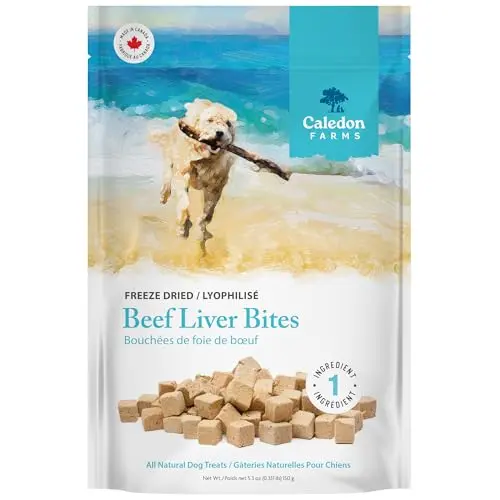
Beef Liver Bites – Single-Ingredient Freeze-Dried Treats
These single-ingredient freeze-dried beef liver bites are the ultimate high-value training reward. Packed with protein and naturally aromatic, they’re irresistible to dogs of all sizes. The light, dry texture breaks into smaller pieces easily, making them a versatile option for both quick pocket rewards and precise training sessions.
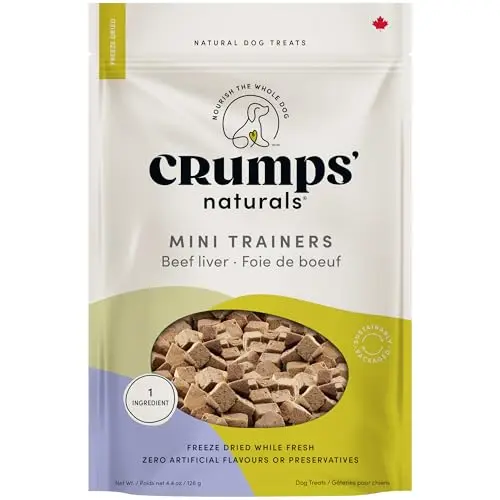
Mini Trainers Beef Liver – Low-Calorie Freeze-Dried Treats
Crumps’ Naturals Mini Trainers are tiny, freeze-dried beef liver morsels that pack a wallop of flavour in a low-calorie package. Designed specifically for reward-based training, their mini size allows for hundreds of repetitions without overfeeding.
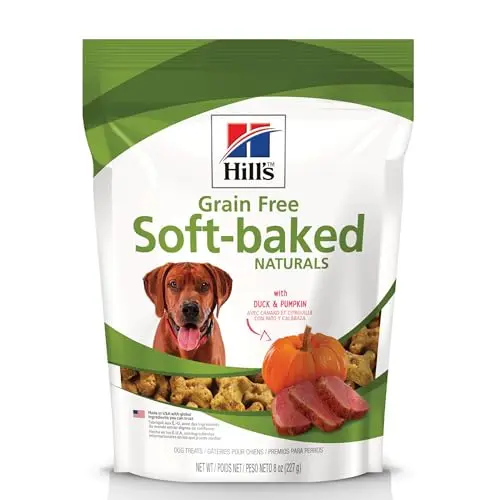
Soft-Baked Naturals – Grain-Free Duck & Pumpkin Training Treats
Hill’s Science Diet Soft-Baked Naturals offer a grain-free, soft, chewy treat made with real duck and pumpkin. They’re a great middle-ground between hard biscuits and moist training bits, and their aroma is enough to catch your dog’s attention without being overpowering.
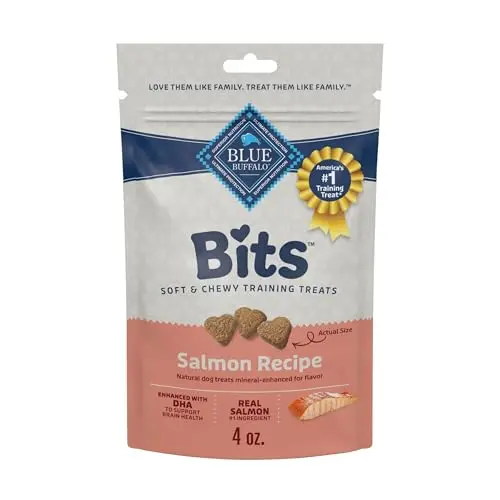
Bits – Salmon Training Treats
Blue Buffalo Bits are soft, moist, salmon-flavoured morsels that double as an affordable, high-value reward. Packed with real salmon and DHA, these bite-sized treats are perfect for training puppies and adult dogs alike.
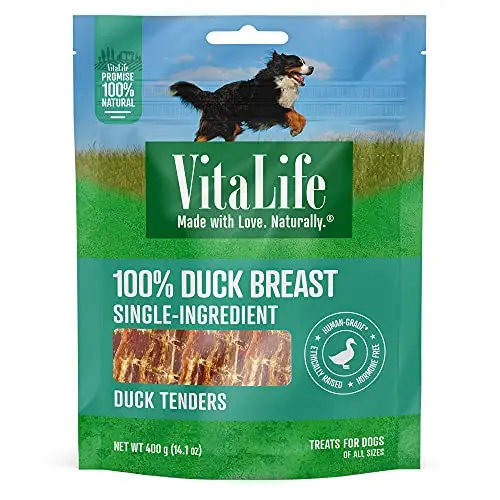
Duck Tenders – Single-Ingredient Duck Breast Fillets
VitaLife Duck Tenders are all-natural, single-ingredient dried duck breast fillets. Hand-crafted and protein-packed, they’re a straightforward, smelly reward that works for training, bonding, or just spoiling your pup.
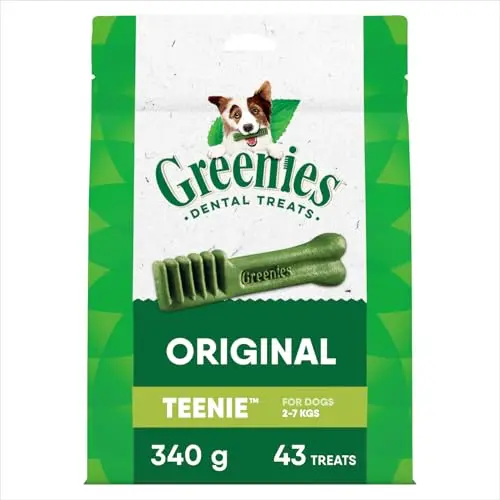
Original Teenie – Dental Care for Small Dogs
Greenies Original Teenie are dentist-approved dental chews designed for small dogs. While not a training treat per se, their unique texture and flavour can serve as a high-value, slow-reward for settling or crate training.
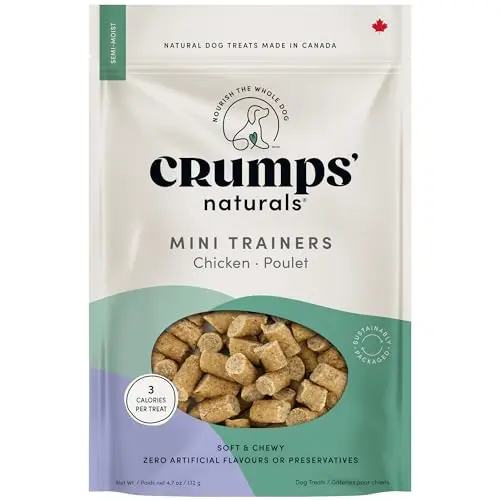
Mini Trainers Chicken – Soft Semi-Moist Training Bits
These semi-moist, bite-sized chicken mini trainers offer a softer alternative to freeze-dried liver, with a lower odour profile while still being highly palatable. Great for trainers who want something lightweight and low-calorie.
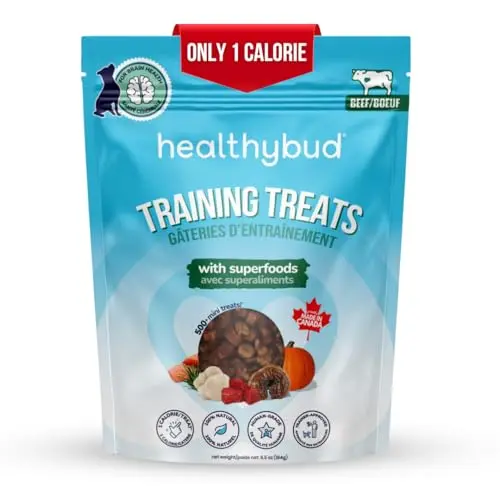
Mini Beef Liver Training Treats – Low-Calorie Superfood Bites
Healthybud Mini Beef Liver treats are tiny, soft, one-calorie bites infused with functional superfoods like Lion’s Mane and Reishi. Designed specifically for extended training, they combine high-value smell with brain-supporting ingredients.
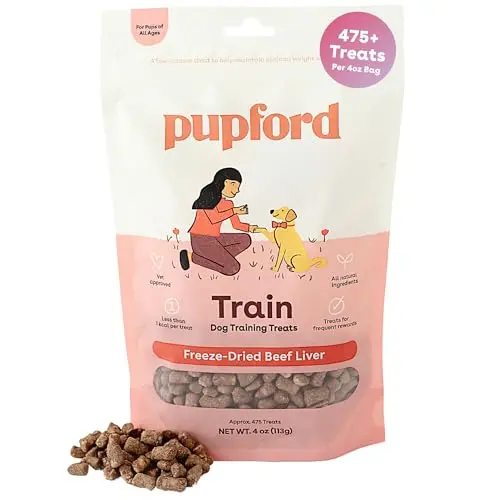
Freeze Dried Training Treats – High-Value Rewards
Pupford freeze-dried training treats come in multiple flavours and are built for high-rate reinforcement. With over 475 treats per bag and only three ingredients, they’re a clean, high-value option that caters to picky palates.
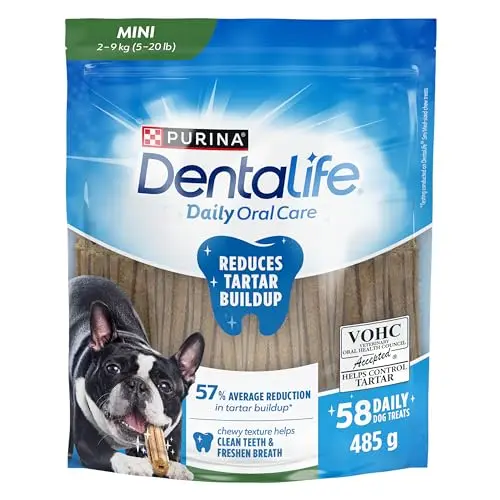
Daily Oral Care Treats – Dental Chews for Mini Breeds
DentaLife Daily Oral Care treats are scientifically designed dental sticks for mini breed dogs. While primarily an oral care tool, their chewable, ridged texture and chicken flavour can serve as a periodic high-value reward.
How We Evaluated These Smelly Dog Treats for Training
We didn’t run a controlled taste test with a kennel of dogs. What we did: cross-referenced 10 training treat models from 9 distinct brands across five decision axes – smell intensity, ingredient quality, calorie density, treat size and texture, and training-specific utility. We triangulated published specifications, ingredient lists, and aggregated owner feedback where available to understand which treats actually get a dog’s attention in high-distraction settings.
The scoring framework weighted real-world training performance (60%) – how effectively a treat holds focus and suits rapid reinforcement – against feature differentiation (40%) – unique advantages like single-ingredient simplicity or functional superfoods. We have no commercial relationship with any brand; our picks reflect objective fit, not sponsorship. If you’re looking for the ultimate smelly motivator, the Caledon Farms Beef Liver Bites is your top pick; for a budget-friendly everyday option, Blue Buffalo Bits is a strong performer.
How to Choose the Right Smelly Dog Treats for Training
Why Smell Matters in Training Treats
A treat’s aroma is often the first thing that grabs your dog’s attention. In the middle of a training session, especially outdoors, a strong, meaty smell can cut through environmental distractions like squirrels, other dogs, or that interesting pile of leaves. Liver-based treats are famously pungent, while fish-based ones like salmon can be equally effective. The key is volatility – a scent that travels quickly and triggers an immediate desire. Not every dog needs a five-alarm stink, but if your dog is easily distracted, a more aromatic option can be a game-changer. Look for treats with real meat as the first ingredient and minimal processing, as those retain more natural odour.
Key Qualities of an Effective Training Treat
Beyond smell, a training treat must be easy to handle and quick to consume. You want a texture that doesn’t require your dog to stop and chew for ten seconds – soft, semi-moist, or freeze-dried bits that can be swallowed in a gulp are ideal. Calorie density also matters: the best training treats are low in calories so you can reward generously without overfeeding. A good benchmark is under 3 calories per piece. Finally, consider palatability – even the smelliest treat won’t work if your dog doesn’t like the flavour. Rotating flavours can keep things interesting.
Treat Texture: Soft vs Dry vs Chewy
Texture directly impacts how you train. Soft and moist treats (like Blue Buffalo Bits) are easy to break and eat quickly, making them great for rapid-fire rewards. They can be greasy, though. Freeze-dried treats (like Caledon Farms or Crumps) are dry, lightweight, and mess-free, perfect for pocket carry, but they may crumble if crushed. Chewy treats (like Greenies or DentaLife) take longer to consume and can serve as a calming, stationary reward rather than a training tool. Match the texture to your training style: if you’re doing high-rate shaping, stick with soft or freeze-dried; for a long down-stay, a chewy option works.
Single-Ingredient vs Multi-Ingredient Treats
Single-ingredient treats (pure beef liver, duck breast) offer transparency and simplicity – perfect for dogs with allergies or sensitive stomachs. They typically have a stronger, more natural smell. Multi-ingredient treats can include functional additions like DHA for brain development (Blue Buffalo) or superfoods (healthybud), but they may also contain fillers or preservatives. Read the ingredient list carefully; the first few items should be recognizable meat or fish. Avoid vague terms like ‘meat meal” or artificial colours. For most training, simple is often better, but if your dog has specific health needs, a formulated treat can pull double duty.
Calorie Count and Portion Control for Frequent Rewarding
In a 15-minute training session, you might deliver 20-30 treats. That’s fine if each is 1-2 calories, but if they’re 10 calories apiece, you’re adding a meal’s worth of extra calories. Always check the calorie per treat and adjust your dog’s daily food accordingly. Many training-specific treats are labelled ‘mini” or ‘trainer size” for this reason. If you’re using larger treats, break them into pea-sized pieces. Also consider that smelly treats can be calorie-dense even in small sizes (liver is rich); use them strategically for high-value moments, not every single sit.
How to Read the Ingredient List on Dog Treats
Look for named meat sources at the top: ‘beef liver,” ‘salmon,” ‘duck.” Avoid generic terms like ‘animal digest.” Whole-food ingredients, recognizable oils (salmon oil, not ‘vegetable oil”), and natural preservatives like vitamin E (mixed tocopherols) are good signs. If the list is long and full of synthetic-sounding words, the treat may be less nutritionally robust. Grain-free is not a must for all dogs, but many training treats are grain-free simply because they’re meat-centric. If your dog tolerates grains, don’t overpay for grain-free. Country of origin can also matter: Canadian-made treats like Crumps and Caledon Farms often source ingredients closer to home.
Caledon Farms vs Crumps Naturals: Which Freeze-Dried Liver Treat Wins?
Both brands offer single-ingredient freeze-dried beef liver, but they cater to slightly different needs. Caledon Farms comes in larger, irregular pieces that you can break down, giving you flexibility in treat size. It’s often a bit more affordable and has a bolder smell. Crumps Naturals Mini Trainers are pre-cut into uniform tiny bits, perfect for quick, repetitive rewards without any prep work. They’re also specifically marketed as low-calorie with a focus on training. If you want a treat you can toss by the handful for rapid shaping, Crumps is convenient; if you prefer a larger, more economical piece to tailor to the moment, go with Caledon. Both are excellent – your choice depends on how you train.
Frequently Asked Questions
Do smelly dog treats really work better for training?
Yes, for many dogs. A strongly scented treat triggers a powerful olfactory response that can override distractions. It’s not just about being ‘stinky” – it’s about being novel and high-value compared to everyday food. That said, not every dog needs the stinkiest option; some respond just as well to milder, meaty aromas. The key is finding a treat your dog finds irresistible in your typical training environment. If your dog is losing focus, a bump in aroma often helps.
What's the difference between freeze-dried and semi-moist training treats?
Freeze-dried treats are raw ingredients that have been frozen and dehydrated under vacuum. They retain nearly all their nutrients and flavour, become dry and lightweight, and have a long shelf life. They’re often single-ingredient and very smelly. Semi-moist treats are cooked, containing moisture and usually more ingredients for texture. They’re softer, easier to chew, and less crumbly, but they can be greasier and may include preservatives. For training, freeze-dried is excellent because it doesn’t leave a mess; semi-moist is great for dogs who need a softer bite.
How many calories should a training treat have?
Ideally, under 3 calories per treat. Many mini trainers clock in at 1-2 calories. This allows you to give 20-30+ treats in a session without replacing a meal. If you’re using larger or higher-calorie treats, break them into smaller pieces – a pea-sized morsel is perfect for most dogs. Always factor the calories into your dog’s daily intake to avoid weight gain. Treats like healthybud (1 kcal) or Crumps Mini Trainers are specifically designed for high-frequency rewarding.
Can I use dental chews as training treats?
Dental chews like Greenies or DentaLife are not well-suited for active training. They’re designed to be chewed over time to scrape teeth, which means a single treat can take a minute or more to consume. They’re also typically higher in calories and not intended for multiple daily use. However, they can be excellent stationary rewards – for example, during a long settle on a mat. For typical training that requires rapid reinforcement, stick with small, quick-to-eat treats.
Are beef liver treats safe for all dogs?
Beef liver treats like those from Caledon Farms or Crumps are generally safe and well-tolerated, but they are very rich. Because liver is high in vitamin A and fat, overfeeding can lead to loose stool or pancreatitis in sensitive dogs. Always start with small amounts and observe your dog’s digestion. For many dogs, these treats are a healthy, natural option; just practice moderation, especially with smaller breeds.
Final Verdict
For most trainers, the Caledon Farms Beef Liver Bites strike the perfect balance of pungent aroma, clean ingredients, and handling ease. They’re the treat we’d grab for any high-stakes session. If you’re watching your budget, Blue Buffalo Bits deliver impressive smell and soft texture at a great value. For precision trainers who want tiny, ready-to-go morsels, the Crumps Mini Trainers are our Editor’s Pick. And if you’re working with a young pup, healthybud’s superfood bites add a brain-boosting twist to every reward. The right smelly treat can turn a distracted dog into a training star – pick yours and watch the focus click.