
Few things are more frustrating than watching your dog struggle with a sensitive stomach – the gurgling, the pickiness, the unpredictable stool quality. For many dogs, the switch to a soft, highly digestible wet food can be the game-changer their digestive system needs. It’s not just about texture; it’s about moisture content that aids digestion, gentle ingredients that soothe rather than irritate, and a format that’s easier on even the most finicky eaters.
We’ve surveyed the top soft dog foods purpose-built for sensitive stomachs across the market, and we haven’t played favourites – what matters is how well a formula delivers on real digestive relief, not which brand logo is on the can. From prebiotic fibre to omega fatty acids and limited ingredient decks, we’ve cross-referenced the details that separate a stomach-upsetting meal from one that keeps tails wagging.
Best Soft Dog Food for Sensitive Stomach – 2026 Reviews
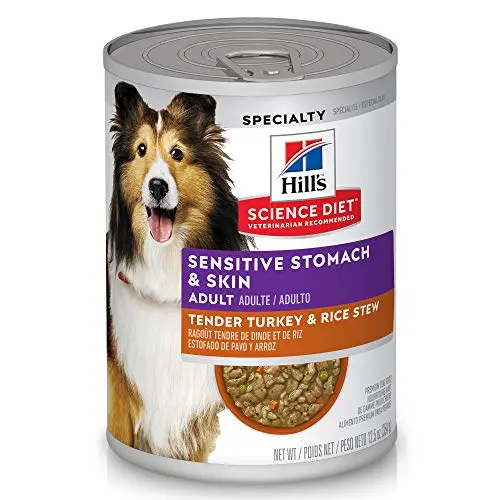
Sensitive Stomach & Skin Turkey & Rice Stew – Vet-Recommended Digestive Care
A slow-cooked turkey and rice stew that’s easy on the digestive system and packed with skin-nourishing omega-6s. This vet-favourite formula balances gentle digestion with palatability – ideal for adult dogs with recurring stomach upset or dull coats.
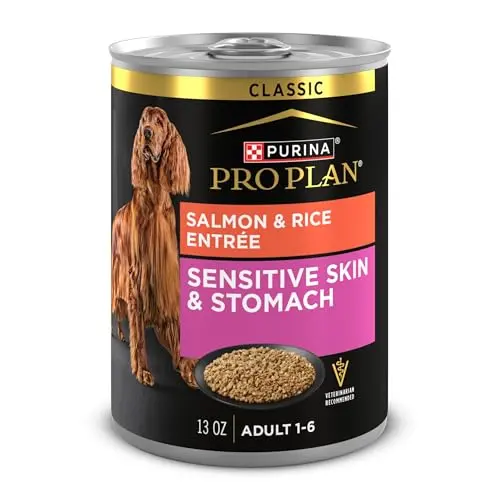
Sensitive Skin & Stomach Salmon & Rice – Omega-Rich Pâté
A salmon-based pâté loaded with omega fatty acids for skin health and designed for easy digestion. It delivers strong stomach and coat support at a price that makes it an accessible everyday choice for sensitive-stomach routines.
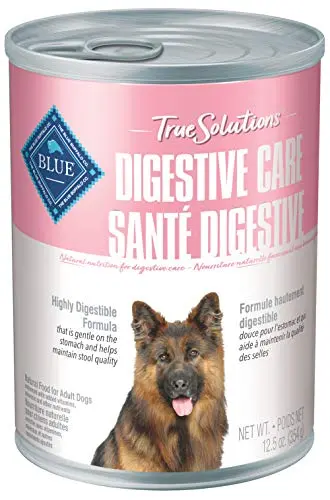
True Solutions Digestive Care – Prebiotic Fiber Support
A natural pâté formula built around clinically proven prebiotic fibre to nourish gut bacteria and support consistent digestion. It’s free of chicken by-products, corn, wheat, and soy, making it a clean-label choice for dogs with multiple sensitivities.
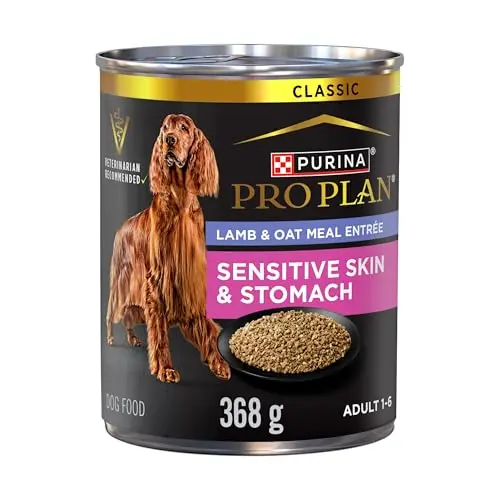
Sensitive Skin & Stomach Lamb & Oat Meal – Gentle on Digestion
A lamb and oatmeal pâté with prebiotic fibre, designed for dogs who benefit from the traditional soothing combination of lamb and grain. It provides a gentle, familiar option without wheat, soy, or artificial additives.

Sensitive Skin & Stomach Duck, Salmon & Pumpkin – Limited Ingredient Stew
A chunky stew combining duck, salmon, and pumpkin in a limited-ingredient format, rich in omega-3s and prebiotic fibre. Best suited for dogs who need a novel protein combination and chunks over pâté.
How We Evaluated These Soft Dog Foods for Sensitive Stomach
We didn’t run veterinary feeding trials or long-term digestibility studies. What we did: cross-referenced 5 soft dog food formulas from 4 distinct brands across 5 decision axes – ingredient quality and digestibility, omega fatty acid and prebiotic content, protein source novelty, texture and palatability, and aggregated owner experiences where available. We triangulated published specifications, nutritional profiles, and real-world feedback to pressure-test these picks against the needs of dogs with sensitive stomachs.
The scoring framework weighted real-world digestive performance (60%) – how reliably a food soothed stomachs and improved stool consistency – against feature differentiation (40%) – unique prebiotic, omega, or limited-ingredient advantages. We have no commercial relationship with any of the brands featured; recommendations track fit and differentiation, not brand preference. If you’re searching for the all-around best soft food for a sensitive stomach, the Hill’s Science Diet Sensitive Stomach & Skin is our top pick; if you need strong omega support on a budget, Purina Pro Plan Salmon & Rice is the runner-up.
How to Choose the Right Soft Dog Food for Sensitive Stomach
Why Soft Dog Food Matters for Sensitive Stomachs
Soft, high-moisture foods (typically 75-85% water) place far less mechanical stress on a dog’s GI tract than dry kibble. For a stomach that’s already prone to inflammation or slow motility, that extra hydration helps break down food more efficiently, reducing the likelihood of bloating or discomfort. Wet foods also tend to use fewer binding agents and less overall processing, which can mean fewer hard-to-digest fillers in the recipe. If your dog frequently skips meals or shows nausea after eating dry food, a switch to a stew or pâté often brings immediate improvement – not because the ingredients are magically better, but because the physical form itself is gentler.
Key Signs Your Dog May Have a Sensitive Stomach
Sensitive stomachs aren’t always dramatic. Look for intermittent soft stools (not consistently firm but not full diarrhea), audible gurgling an hour after eating, lip-licking or burping, and a tendency to eat grass obsessively. Some dogs express it through pickiness – they may refuse food not because they’re not hungry, but because they’ve learned that eating leads to discomfort. A soft food designed for digestion can often reduce these signs within a week, especially when it includes prebiotic fibre to feed healthy gut bacteria.
Ingredients to Look for and Avoid
Start with the protein source. For a first-time sensitive-stomach food, choose a single, novel protein (lamb, salmon, duck) rather than a blend; your dog may react to one component. Prebiotic fibres like chicory root or pumpkin actively support stool quality, while omega fatty acids (from fish oil or flaxseed) reduce the low-level inflammation that often accompanies GI upset. Avoid foods with artificial colours, flavours, or preservatives, and steer clear of generic meat by-products – they can vary batch to batch and trigger inconsistency. If your dog’s symptoms are skin-related, watch for vitamin E and zinc in the formula; these nutrients reinforce the skin barrier.
Wet Food vs. Dry: When Soft Food is the Better Choice
Dry kibble can work for some sensitive stomachs if it’s formulated with careful ingredients, but soft food offers three built-in advantages for a struggling GI system: higher moisture for digestive motility, softer texture for easier breakdown, and often a simpler, less heat-processed ingredient list. A pâté or stew is also easier to mix with supplements or medication, which is a practical win for dogs on long-term care. The trade-off is shelf life and cost per calorie – soft food spoils faster once opened and costs more per meal. If budget or convenience is a concern, using a sensitive-stomach wet food as a topper over a limited-ingredient kibble can still capture many of the benefits.
Hill's Science Diet vs. Purina Pro Plan: Which for Sensitive Stomachs?
These two lines account for most of the sensitive-stomach soft foods on the market, and they take different approaches. Hill’s focus is on clinical gentleness: slow-cooked, recognizable ingredients like turkey and rice, with a strong emphasis on stool consistency and skin health via omega-6s. Purina Pro Plan leans on protein and omega diversity, offering both lamb-oatmeal and salmon-rice variants with high omega-3/6 levels and prebiotic fibre. If your dog has a known protein sensitivity or you want an option for picky eaters who rotate proteins, Purina’s variety is a practical advantage; if you need one predictable, vet-recommended formula that nails the stool-quality baseline every time, Hill’s is the go-to. For a deep dive into the differences, the Hill’s Science Diet is our top pick, and the Purina Pro Plan Salmon is the value-driven runner-up.
How to Transition Your Dog to a New Soft Food
A rushed switch can make a sensitive stomach worse. Plan a 7-day transition: days 1-2 mix 25% new food with 75% old food, days 3-4 go to 50/50, days 5-6 move to 75/25, and day 7 serve fully new. Monitor stool quality daily – a little softness in the first few days is normal, but true diarrhea means you should slow the transition. Adding a teaspoon of plain pumpkin purée (not pie filling) can help buffer the change. Once fully transitioned, give the food at least three weeks before judging results; skin and coat improvements often lag stool changes by a week or two.
Frequently Asked Questions
What's the difference between Hill's Science Diet and Blue Buffalo for sensitive stomachs?
While both target digestive health, Hill’s Science Diet Sensitive Stomach & Skin uses a classic turkey and rice stew and emphasizes omega-6 and vitamin E for coat health alongside stool quality. It’s a vet-formulated staple that consistently delivers on predictability. Blue Buffalo True Solutions Digestive Care, on the other hand, leans on clinically proven prebiotic fibre as its headline ingredient, and it avoids chicken by-products, corn, wheat, and soy. The texture is a smooth pâté versus Hill’s chunkier stew. If your dog’s issues are primarily stomach-related (gas, irregularity), Blue Buffalo’s prebiotic focus may be the sharper tool; if there’s a skin component or you want the stew texture, Hill’s is a better fit. For our top pick overall, see the Hill’s Science Diet.
How does Purina Pro Plan compare with Nutrience for soft dog food?
Purina Pro Plan’s sensitive stomach formulas (Salmon & Rice and Lamb & Oat Meal) are mainstream pâtés backed by widespread owner experience and consistent manufacturing. They emphasize omega fatty acids and prebiotic fibre without artificial additives. Nutrience’s soft offering is a more niche, chunky stew with a duck-salmon-pumpkin base, limited ingredients, and a hypoallergenic claim. It’s a better choice if your dog needs a novel protein combination and refuses pâté, but the packaging is a 2-pack rather than a case, so it’s less economical for large dogs. For most owners, Purina’s larger pack sizes and broader availability make it the practical choice; the Purina Pro Plan Salmon & Rice is our value pick.
Are all 'soft' dog foods actually gentle on the stomach?
Not necessarily. The term ‘soft” refers to texture, not digestibility. A soft food may still contain hard-to-digest proteins, cheap fillers, or allergens like wheat or soy that irritate a sensitive stomach. The key is looking beyond the form and checking for easily digestible protein sources (e.g., turkey, salmon, lamb), prebiotic fibres (pumpkin, chicory root), and the absence of artificial additives. A pâté or stew made with prime cuts and gentle starches will always outperform a ‘soft” food that’s basically ground-up scraps with water. Always read the ingredient panel, not just the label claim.
Can I mix wet and dry food for a dog with a sensitive stomach?
Yes, and in many cases it’s the ideal compromise – a high-quality wet food topper over a limited-ingredient kibble gives your dog the hydration and palatability of soft food while keeping costs down. Just follow two rules: introduce one new food at a time over a week, and make sure both foods share a similar philosophy (e.g., both are free of common allergens like corn or chicken by-product). If the wet food is a stew and the kibble is a fish-based formula, you’re still delivering a consistent overall nutrient profile that supports digestion.
Final Verdict
For most dogs with sensitive stomachs, the Hill’s Science Diet Sensitive Stomach & Skin Turkey & Rice Stew is the strongest all-around pick – it nails stool consistency and coat health in a stew that dogs genuinely enjoy. If you’re watching the budget but still want high-quality omega support, the Purina Pro Plan Salmon & Rice is the value leader that doesn’t cut corners on fatty acids or digestibility. And if your dog needs a clean-label, prebiotic-focused formula, the Blue Buffalo True Solutions Digestive Care earns its place as our premium digestive-health pick. Choose the one that matches your dog’s protein tolerance and texture preference, and you’ll likely see the digestive relief you’re looking for.