
Managing a diabetic dog comes with a long list of do’s and don’ts, and treats are often the thorniest part. You want to reward your pup without sending their blood sugar on a rollercoaster ride, but most commercial treats are loaded with hidden sugars, starchy fillers, or calorie bombs that can disrupt glucose control. The good news: there are treats out there that are both delicious and safe, built on simple, high-protein ingredients that won’t undermine your careful management.
The key is to look for treats with minimal, recognizable ingredients-ideally single-source proteins like beef, chicken, or fish-and as few carbohydrates as possible. In this guide, we’ve rounded up the best options across multiple brands, focusing on low glycemic impact, high protein, and the peace of mind that comes from knowing exactly what’s in that reward. Whether you need a tiny training bite or a longer-lasting chew, there’s a diabetic-friendly pick that fits.
Best Treats for Dogs with Diabetes – 2026 Reviews
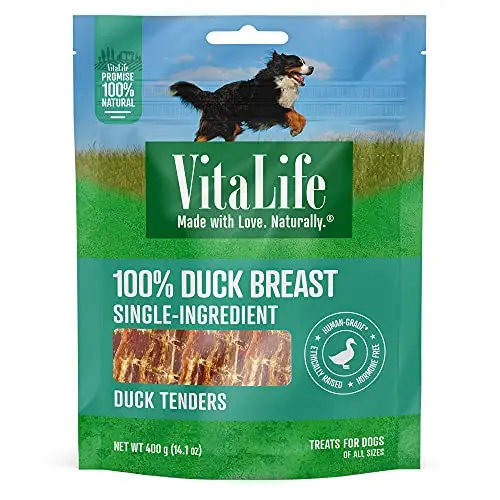
Duck Tenders – All-Natural Single-Ingredient Chew
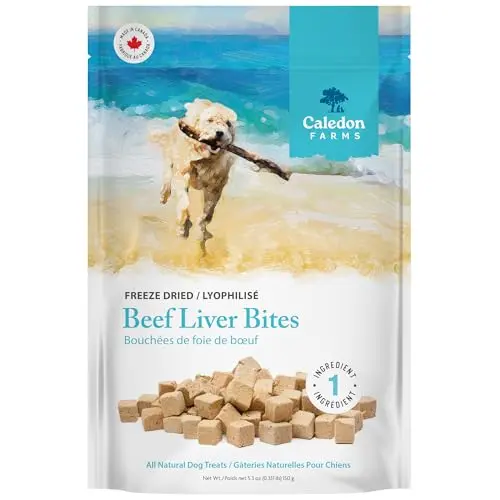
Beef Liver Bites – Freeze-Dried Single-Ingredient Treats
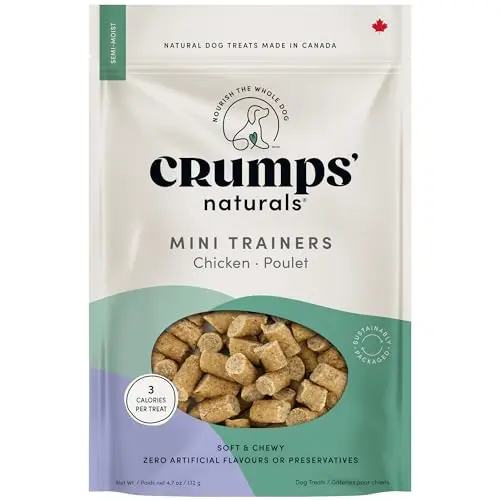
Chicken Mini Trainers – Low-Calorie Bite-Sized Rewards
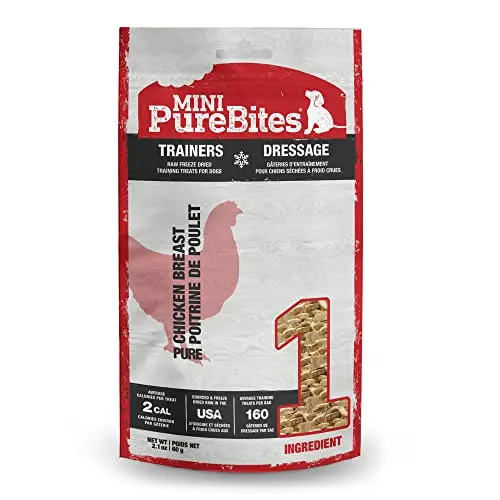
Mini Chicken Trainers – Freeze-Dried RAW Single-Ingredient Treats
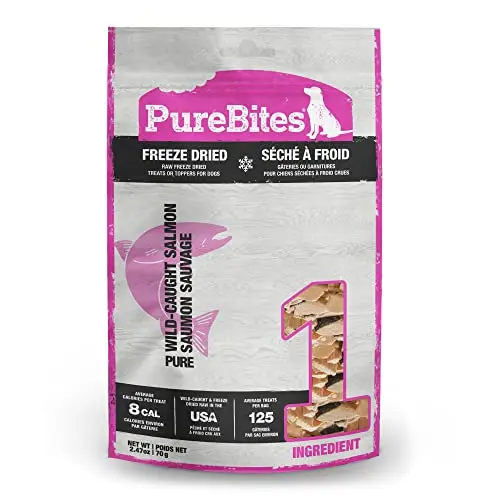
Salmon Bites – Freeze-Dried Wild Sockeye Salmon Treats
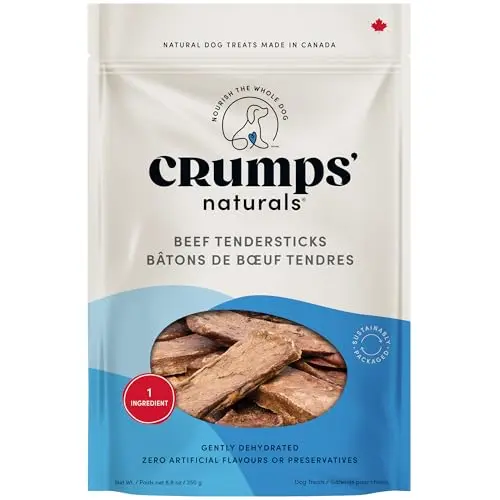
Beef Tendersticks – Single-Ingredient Slow-Baked Chew
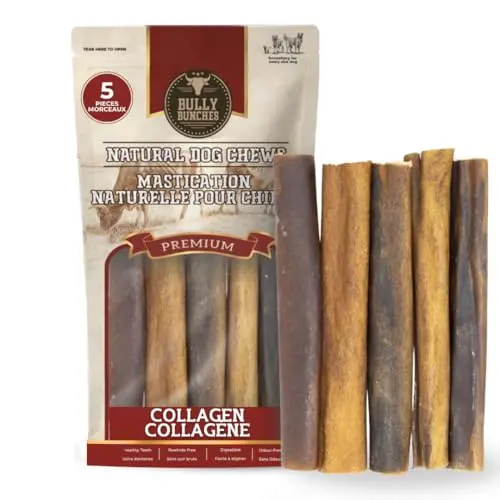
Beef Collagen Chews – Long-Lasting Dental & Joint Support
How We Evaluated These Treats for Dogs with Diabetes
We didn’t run blood sugar monitoring or clinical feeding trials. What we did: cross-referenced 7 treat models from 5 distinct brands across 6 decision axes-ingredient simplicity, protein content, carbohydrate load, diabetes-specific formulation, calorie density, and training suitability. We triangulated published ingredient lists, aggregated owner feedback where available, and mapped each product against the dietary needs of diabetic dogs: minimal sugars, high-quality protein, and no sneaky starches.
The scoring framework weighted real-world diabetic safety (60%)-how well each treat avoids blood sugar spikes-against feature differentiation (40%)-unique advantages like freeze-drying, joint support, or ultra-low calories. We have no commercial relationship with any of the brands featured; recommendations track fit and differentiation, not brand preference. If you want a high-protein everyday reward, the VitaLife Duck Tenders are our top pick; for a budget-friendly liver treat that’s equally safe, the Caledon Farms Beef Liver Bites are a standout.
How to Choose the Right Treats for Dogs with Diabetes
Why Single-Ingredient Treats Matter for Diabetic Dogs
When you’re managing canine diabetes, every gram of carbohydrate counts. Single-ingredient treats-like pure beef, duck, or chicken-remove the guesswork because there’s nowhere for hidden sugars to hide. Unlike multi-ingredient snacks that may list ‘glycerin’, ‘molasses’, or starchy flours, a one-ingredient meat or fish treat is virtually carb-free and high in protein, which helps stabilize glucose levels. Look for labels that proudly state ‘100% beef liver” or ‘wild-caught salmon” with nothing else. These treats not only minimize blood sugar spikes but also reduce the risk of food sensitivities that can complicate a diabetic dog’s health.
High Protein, Low Carb: The Golden Rule
Protein is the cornerstone of a diabetic-friendly treat. It promotes satiety without raising insulin demands the way carbohydrates do. Aim for treats that derive their calories primarily from animal protein-meat, poultry, or fish. Avoid treats with potatoes, peas, sweet potatoes, or grains as main ingredients, as these can spike blood sugar. Even some semi-moist treats use sugars or sugar alcohols as humectants; always scan the ingredient panel for anything ending in ‘ose” or high on the list after protein. When in doubt, reach for freeze-dried or baked muscle meats, which are naturally low in carbs and high in nutrients.
Training Treats vs. Chews: What's the Right Fit?
Diabetic dogs still need rewards for training and enrichment, but the format matters. Tiny, low-calorie training treats-like the Mini-PureBites Chicken Trainers-let you reinforce good behaviour without piling on calories. For longer-lasting entertainment, single-ingredient chews such as beef tendersticks or collagen sticks offer a satisfying gnawing session with minimal carb impact. Just remember to adjust your dog’s overall daily calorie intake accordingly, and if in doubt, break chews into portions to avoid overfeeding.
Freeze-Dried vs. Dehydrated vs. Semi-Moist
Processing method directly affects carbohydrate content. Freeze-dried treats (like those from PureBites or Caledon Farms) remove moisture without heat, locking in nutrients and keeping carbohydrates near zero. Dehydrated or baked treats can also be low-carb, but check for added sugars or starchy coatings. Semi-moist treats, while convenient and palatable, often contain humectants like glycerin or sorbitol that can raise blood sugar; they’re riskier for diabetic dogs. If you go the semi-moist route, stick to ones with short ingredient lists and no added sugars, such as the Crumps’ Chicken Mini Trainers.
Model Comparison: PureBites vs. VitaLife vs. Caledon Farms
All three brands offer solid options, but they shine in different ways. PureBites explicitly formulates for diabetic dogs and uses human-grade, single-source proteins; its salmon and chicken varieties are ultra-low calorie and freeze-dried for purity. VitaLife’s duck tenders are hand-crafted and deliver a chewier, high-protein experience that’s great for dogs that like a meaty mouthfeel. Caledon Farms provides the best value with its freeze-dried liver bites-intensely flavoured, low-calorie, and budget-friendly. Choose PureBites if diabetes is your sole focus, VitaLife for a substantial chew, and Caledon Farms for everyday training on a budget.
How to Read Treat Labels for Hidden Sugars
Even ‘natural” treats can sneak in sweeteners. Watch for corn syrup, cane molasses, maltodextrin, or anything labelled a ‘starch.” Terms like ‘natural flavours” can also mask sugar derivatives. For diabetic dogs, stick to treats where the entire ingredient list fits on one line and looks like real food. If you see ‘fruit juice concentrate’ or ‘coconut glycerin,’ consider that a red flag. When in doubt, reach for transparent options with a guaranteed analysis showing crude protein above 50% and fibre below 2%-a good sign of a meat-based treat with minimal plant fillers.
Frequently Asked Questions
Can diabetic dogs have any treats at all?
Yes, but they must be low in carbohydrates and free from added sugars. Treats that are primarily meat or fish, with no starchy fillers, are generally safe when given in moderation. Always check with your vet, and account for the calories in your dog’s daily intake. Even diabetic-friendly treats should make up no more than 10% of daily calories.
What's the difference between PureBites Chicken Trainers and Crumps' Chicken Mini Trainers?
PureBites Chicken Trainers are freeze-dried raw, using only chicken breast with no additives-they’re extremely low in calories (about 2 per piece) and explicitly diabetic-safe. Crumps’ Chicken Mini Trainers are semi-moist, also low-calorie, and free from corn, wheat, and soy, but their texture comes from vegetable glycerin, which may have a minimal glycemic impact. PureBites are the purer option for strict diabetic management, while Crumps’ offers a softer, chewier training treat some dogs prefer.
Is VitaLife Duck Tenders safe for diabetic dogs?
Yes, VitaLife Duck Tenders are made from a single ingredient-duck breast fillet-with no added sugars or starches. They’re high in protein and contain negligible carbohydrates, making them a safe choice. However, as with any treat, portion control is essential. Some dogs have raised concerns about freshness, so always inspect the product upon opening.
Are freeze-dried treats better than baked ones for diabetes?
Freeze-dried treats generally have the edge because they retain more nutrients and avoid the potential for starch coatings or browning agents used in baking. They’re also typically just meat, with no need for preservatives. Baked treats can be just as low-carb if they’re single-ingredient and not coated, but always check the label. Freeze-dried options like those from PureBites or Caledon Farms are our top recommendation for glucose-conscious pups.
How many treats can I give my diabetic dog per day?
Treat intake should be limited to no more than 10% of your dog’s daily caloric requirement. For a 10-pound dog needing 200 calories a day, that’s roughly 20 calories from treats. Using ultra-low-calorie options like Mini-PureBites (2 cal/treat) lets you give up to 10 pieces without issue. Always spread them out, avoid treats right before a meal if insulin is given, and consult your vet to tailor the amount to your dog’s specific insulin schedule.
Final Verdict
For most diabetic dogs, the VitaLife Duck Tenders strike the best balance: high protein, single ingredient, and a satisfying chew that feels like a real reward without any blood sugar worries. If you’re looking for a more budget-friendly everyday option, the Caledon Farms Beef Liver Bites deliver intense flavour and training-friendly size at a great price. And if diabetes is your absolute top concern, the Mini-PureBites Chicken Trainers are purpose-built for the task-ultra-lean, freeze-dried, and explicitly diabetic-safe. Pick the one that fits your dog’s taste and your routine, and reward them guilt-free.