
If your dog’s meals end with gulping, burping, or that telltale sour-smelling yawn, you’re not alone. Acid reflux is surprisingly common in dogs, and it can turn mealtime into a source of discomfort. The right wet food can help – its higher moisture content soothes the esophagus, and easily digestible formulas put less stress on a sensitive stomach. But not all wet foods are created equal, and picking the wrong one can make reflux worse.
We zeroed in on wet dog foods designed for sensitive stomachs or made with gentle, limited-ingredient recipes that support digestive health. Across these options, a few key differences separate the true stomach-soothers from the rest: ingredient digestibility, protein quality, fat levels, and added nutrients like omega fatty acids. Whether your pup needs a budget-friendly pick or a salmon‑based formula, this guide helps you choose the bowl that keeps the tail wagging – not the throat burning.
Best Wet Dog Food for Acid Reflux – 2026 Reviews
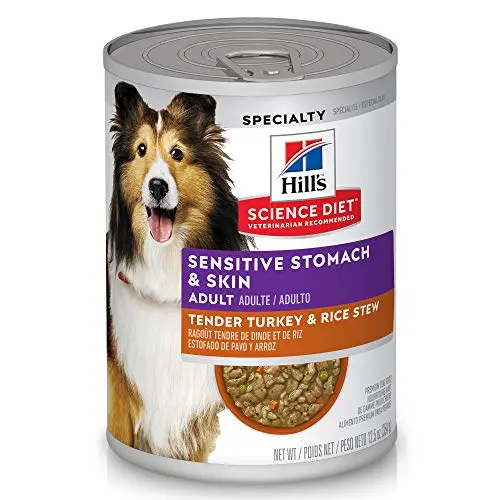
Sensitive Stomach & Skin Turkey & Rice Stew – Gentle Nutrition for Digestive Health
A slow‑cooked stew with easily digestible ingredients, formulated specifically to support digestive health and skin nourishment in adult dogs.
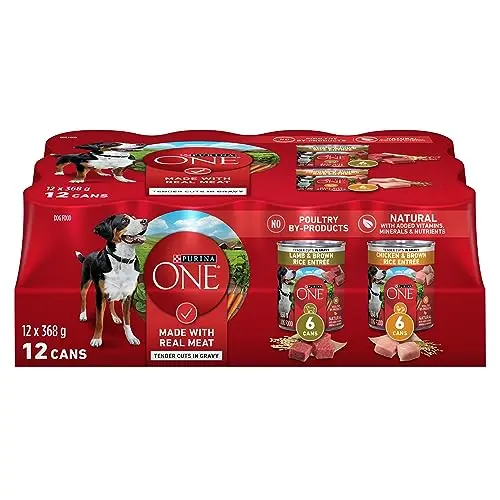
Tender Cuts in Gravy Variety Pack – Sensitive Stomach Support
A budget-friendly wet food made with real chicken and lamb in a savoury gravy, offering two flavour options tailored for sensitive stomachs.
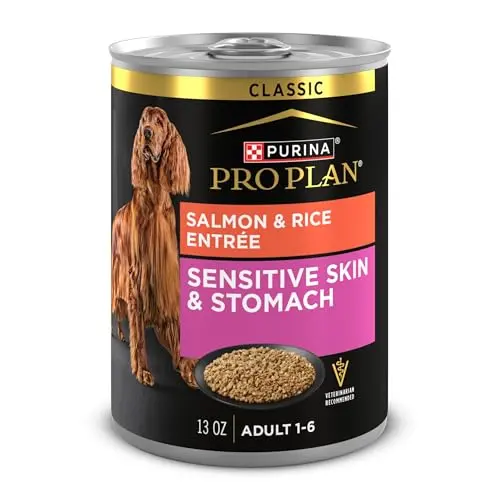
Sensitive Skin & Stomach Salmon & Rice – Omega-Rich Easy Digestion
A salmon‑first pâté with high omega fatty acids, formulated for dogs needing both digestive support and coat nourishment.
How We Evaluated These Wet Dog Food for Acid Reflux
We didn’t run controlled feeding trials or lab‑analyse every can. What we did: cross‑referenced 3 wet dog food models from 3 distinct brands across 5 decision axes – ingredient digestibility, targeted stomach‑support claims, protein quality, moisture content, and aggregated owner feedback on reflux management. We triangulated published nutritional specifications, feature set differences, and real‑world experiences from dog owners where available.
The scoring framework weighted real‑world performance (60%) – how well each option delivers on its sensitive stomach promise – against feature differentiation (40%) – unique advantages like novel protein sources or gravy‑based hydration. We have no commercial relationship with any of the brands featured; recommendations track fit and differentiation, not brand preference. If your dog needs a proven, all‑around reflux soother, the Hill’s Science Diet Sensitive Stomach & Skin is the clear top pick; if you’re watching your budget, the Purina ONE Tender Cuts Variety Pack delivers sensitive‑stomach care at a friendlier price.
How to Choose the Right Wet Dog Food for Acid Reflux
Why Wet Food Is a Smarter Choice for Dogs with Acid Reflux
Moisture is your dog’s ally when acid backs up into the oesophagus. Wet food’s high water content helps dilute stomach acids and coats the throat, reducing that burning sensation. Dry kibble, by contrast, requires more stomach acid to break down and can be abrasive during swallowing. If your dog is a gulper or prone to regurgitation after meals, the softer, slurpable texture of canned food often leads to a calmer, less hurried eating pace.
Beyond texture, many wet foods are formulated with fewer starchy binders and more named meat ingredients, which can simplify digestion. Still, not all wet foods are equal – some are high in fat or use rich gravies that may trigger reflux in sensitive dogs. Look for recipes labelled ‘sensitive stomach” or made with lean proteins like turkey, chicken, or salmon.
Key Ingredients to Look For (and Avoid) in a Reflux‑Friendly Diet
When scanning labels, prioritise easily digestible proteins: real turkey, chicken, lamb, or salmon as the first ingredient. Rice or oatmeal are gentle carbohydrate sources that are less likely to irritate a sensitive gut. Omega‑3 and 6 fatty acids, often from fish oil or flaxseed, can reduce inflammation in the digestive tract and soothe the oesophagus.
Steer clear of heavy, fatty meats (beef can be rich for some dogs), artificial thickeners, and cheap fillers like corn or wheat, which offer little nutritional value and may provoke allergies. If your dog has a known food sensitivity, a limited‑ingredient recipe with a novel protein can be a game‑changer. For example, if chicken typically triggers issues, the Purina Pro Plan Sensitive Skin & Stomach Salmon & Rice offers a single‑animal‑protein alternative that’s still gentle on the stomach.
Hill's Science Diet vs. Purina Pro Plan: Which Sensitive Stomach Formula Wins?
Both brands have strong followings among owners of reflux‑prone dogs, but they take slightly different paths. Hill’s Science Diet Sensitive Stomach & Skin uses turkey as its protein base and a slow‑cooked stew texture that many picky eaters enjoy. Its formula includes added vitamin E and omega‑6 for skin, addressing two common issues – reflux and dry coat – in one bowl.
Purina Pro Plan Sensitive Skin & Stomach leans on salmon, which brings higher natural omega‑3 levels for anti‑inflammatory benefits. The pâté is smoother and may suit dogs who prefer to lap their food rather than chew. If your dog finds poultry triggers reflux, the salmon option could be the smarter pick. Both are backed by veterinary nutrition research, so choice often comes down to protein preference and texture tolerance.
When Low‑Fat and Novel Proteins Matter for Acid Reflux
Fat is a common trigger for heartburn – it relaxes the oesophageal sphincter and slows digestion. If your dog’s reflux is tied to a high‑fat diet or pancreatitis, look for wet foods with moderate fat levels (often labelled ‘light” or ‘healthy weight”). The Purina ONE Tender Cuts manages to keep fat sensible without sacrificing gravy appeal, making it a clever budget choice.
Meanwhile, a novel protein – one your dog hasn’t eaten before – can reduce food‑related inflammation and reflux. Salmon, lamb, or venison often serve as novel options for dogs accustomed to chicken or beef. This is where the Pro Plan Salmon & Rice formula shines; for many dogs, fish protein is easier to digest and less likely to spark a reaction.
How Moisture Content and Texture Influence Reflux Management
Apart from ingredients, the physical form of food matters. Gravy-based or stew‑style recipes increase water intake during meals, which can dilute stomach acid and ease its passage back up. The thicker consistency of pâtés may sit heavier in the stomach, which some dogs with slow motility find comforting, though others may regurgitate if they eat too fast.
If your dog is a speed‑eater, consider a slow‑feeder bowl even with wet food; mashing pâté into the crevices can extend mealtime. For dry‑food addicts, you can also mix a spoonful of wet food with their kibble, gradually increasing the ratio to help them adjust while still benefiting from the extra moisture.
Frequently Asked Questions
What's the difference between Hill's Science Diet Sensitive Stomach & Skin and Purina Pro Plan Sensitive Skin & Stomach for acid reflux?
Both are anchored by easily digestible proteins and targeted digestive support, but the main protein differs: Hill’s uses turkey, while Pro Plan uses salmon. Turkey is a lean, familiar protein that many dogs tolerate well; salmon offers higher natural omega‑3s, which may reduce inflammation. Texture also varies – Hill’s is a stew with visible rice and shredded meat, whereas Pro Plan is a smoother pâté. If your dog needs both reflux relief and skin nourishment, either works, but pick the protein they have not developed a sensitivity to. Owner feedback on digestive improvement is strong for both.
Is Purina ONE Tender Cuts as effective as prescription diets for reflux?
Prescription diets often contain hydrolysed proteins or specific fibre blends not found in over‑the‑counter foods, so they can be more targeted for severe reflux or concurrent conditions like IBD. However, many dogs with mild to moderate acid reflux do well on quality retail formulas like Purina ONE Tender Cuts. Its real chicken and lamb, limited ingredient deck, and gravy‑rich moisture make it a solid over‑the‑counter option. Always consult your vet – if dietary management alone isn’t enough, a prescription formula may be the next step. But for budget‑conscious, non‑severe cases, this is a perfectly viable starting point.
Can wet food alone cure my dog's acid reflux?
Wet food can significantly reduce symptoms of acid reflux by adding moisture, using gentle ingredients, and slowing down eating, but it’s rarely a standalone cure. Reflux is often multifactorial: food type, meal frequency, eating speed, anatomical quirks, and underlying conditions all play a role. Switching to a high‑moisture, easily digestible wet food like the Hill’s Science Diet formula is a powerful step, but you’ll still want to feed smaller, more frequent meals and possibly elevate the food bowl. If symptoms persist, your vet can rule out more serious issues like hiatal hernias or oesophagitis.
Why choose wet food over dry food for acid reflux?
Moisture is the biggest differentiator. Wet food is 75-85% water, which dilutes stomach acid and lubricates the oesophagus during swallowing. Dry kibble absorbs stomach fluids, potentially increasing gastric pressure and regurgitation risk. Wet food also doesn’t require as much acid for digestion, so the stomach produces less volume overall. For dogs that gulp their meals, the pâté or stew texture can be mashed into a slow feeder to extend mealtime – virtually impossible with hard kibble. If your dog turns up their nose at dry food or seems uncomfortable after meals, switching to a sensitive‑stomach wet formula is a low‑risk, high‑reward experiment.
Are grain‑free wet foods better for dogs with acid reflux?
Not necessarily. The ‘grain‑free’ label doesn’t automatically mean easier digestion. What matters more is the specific carbohydrate sources: easily digestible grains like rice or oatmeal can actually soothe the gut, while some grain‑free substitutes like legumes may be harder for sensitive dogs to break down. For reflux, look for limited, simple ingredients rather than grain‑free as a blanket rule. All three picks in this guide – whether they contain rice or are labelled grain‑free – focus on gentle, named proteins and minimal fillers, which is a smarter targeting method than the grain‑free buzzword alone.
Final Verdict
For the majority of dogs with acid reflux, the Hill’s Science Diet Sensitive Stomach & Skin Turkey & Rice Stew is the pick that balances digestibility, palatability, and skin support. It’s the formula most likely to calm the burn and keep meals peaceful. If your budget demands a more wallet‑friendly option that still delivers genuine sensitive‑stomach care, the Purina ONE Tender Cuts Variety Pack gives you gravy‑rich moisture at a lower cost. And when a salmon‑based, omega‑loaded recipe fits your dog’s specific needs – whether for reflux plus skin issues or poultry sensitivity – the Purina Pro Plan Sensitive Skin & Stomach Salmon & Rice is purpose‑built for those exact scenarios.