
If your dog has a sensitive stomach, you know the telltale signs all too well: loose stools, gurgling guts, and a general lack of enthusiasm at mealtime. Finding a wet food that’s gentle enough to keep their digestive system happy without sacrificing nutrition or taste can feel like a never-ending puzzle. The right formula should offer easy-to-digest proteins, limited ingredients, and targeted gut health support-without a laundry list of potential triggers.
Not all “sensitive stomach” dog foods are created equal. Some lean heavily on novel proteins, while others pack in prebiotic fibres or skip common allergens like wheat and soy. We’ve cut through the marketing claims to compare the top options across brands, looking at everything from ingredient quality and digestibility to real-world feedback from dog owners. Whether your pup needs a simple, limited-ingredient recipe or a vet-recommended formula with added skin support, this guide will help you choose a wet food that settles their stomach-and your mind.
Best Wet Dog Foods for Dogs with Sensitive Stomachs – 2026 Reviews
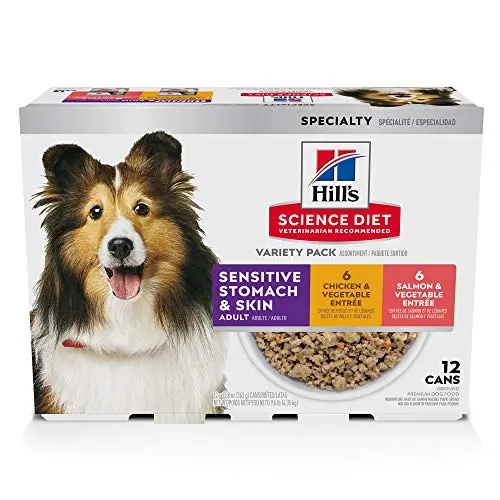
Sensitive Stomach & Skin Variety Pack – Two-Flavor Digestive Care
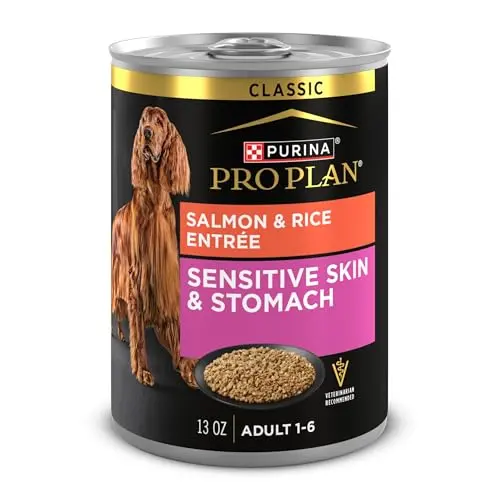
Salmon & Rice Entree – Omega-Rich for Skin & Digestion
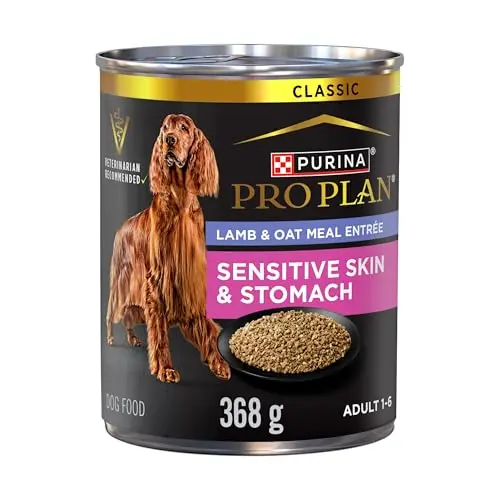
Lamb & Oat Meal Entree – Prebiotic Fiber for Gut Health
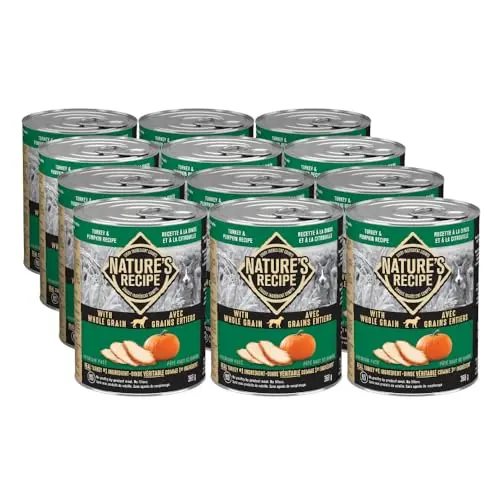
Turkey & Pumpkin Recipe – Simple, Natural Digestive Support
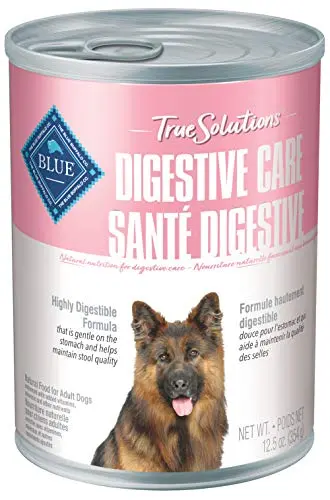
Digestive Care Formula – Clinically Proven Prebiotic Fiber

Duck, Salmon & Pumpkin – Hypoallergenic Limited Ingredient
How We Evaluated These Wet Dog Foods for Dogs with Sensitive Stomachs
We didn’t run controlled digestive trials or microbiome testing. What we did: cross-referenced 6 sensitive-stomach wet foods from 5 distinct brands across 5 key decision axes – ingredient quality, digestibility support (prebiotics, fiber, and easy-to-digest proteins), protein source suitability, skin and coat benefits, and formula variety. We triangulated published specifications, ingredient lists, and aggregated owner feedback where available, mapping each product against a real-world digestive sensitivity scenario.
The scoring framework weighted real-world digestive support (60%) – how effectively each food addresses loose stools, gut discomfort, and long-term gastrointestinal health – against feature differentiation (40%) – unique ingredients like specific prebiotic blends, novel proteins, or added skin health benefits. We have no commercial relationship with any of the brands featured; recommendations track fit and differentiation, not brand preference. If your dog needs a proven, palatable everyday sensitive-stomach solution, the Hill’s Science Diet Sensitive Stomach & Skin Variety Pack is your match; if skin issues are the bigger concern alongside digestion, the Purina Pro Plan Salmon & Rice Entree serves you better.
How to Choose the Right Wet Dog Food for Dogs with Sensitive Stomachs
What to Look for in a Wet Dog Food for Sensitive Stomachs
When your dog’s stomach is easily upset, the ingredient panel becomes your most important tool. Start by seeking out limited ingredient recipes that use a single, novel protein source-like lamb, duck, or salmon-to minimize the risk of a reaction. Prebiotic fibres, such as those from pumpkin or oat meal, are another cornerstone; they nourish beneficial gut bacteria and can help firm up stools. Avoid common allergens like wheat, soy, and artificial additives, which often lurk in budget foods. A wet food with high moisture content is inherently easier to digest and helps keep your dog hydrated-a bonus for dogs with diarrhea.
Protein Sources and Digestibility
Not all proteins are created equal for sensitive dogs. Novel proteins-those your dog hasn’t been exposed to before-like venison, duck, or salmon are less likely to trigger an immune response. But even common proteins like chicken or beef can work if they’re highly digestible and the food lacks other irritants. Look for real, named meat as the first ingredient (e.g., “salmon” not “meat meal”). For dogs with multiple sensitivities, a single-protein, limited-ingredient diet is often the safest bet. In our lineup, the Nutrience formula uses duck and salmon-both novel options-while the Purina Pro Plan salmon entree keeps things simple with one clear protein star.
The Role of Prebiotics and Fiber in Gut Health
Prebiotics are non-digestible fibres that feed the good bacteria in your dog’s gut, promoting a balanced microbiome. Ingredients like pumpkin, chicory root, and oat meal are natural sources. The Blue Buffalo Digestive Care stands out because its prebiotic fibre is clinically proven to support digestive health. Hill’s Science Diet and Purina Pro Plan also lean heavily on prebiotic blends. When comparing, don’t just look for the word “prebiotic”-check the ingredient list for specific sources like dried beet pulp, inulin, or pumpkin, which indicate a thoughtful formulation.
Grain-Free vs. Grain-Inclusive: Which Is Better for Sensitive Stomachs?
The grain-inclusive vs. grain-free debate is especially relevant here. For some dogs, grains like wheat or corn can trigger digestive upset, making a grain-free formula a logical choice. However, many sensitive-stomach foods include gentle, whole grains like oat meal or brown rice, which provide soluble fibre that actually soothes an irritated gut. The Nature’s Recipe and Purina Pro Plan lamb entree both include whole grains without issue for most dogs. If your dog has a confirmed grain allergy, opt for a grain-free option like the Blue Buffalo or Nutrience. Otherwise, don’t fear grains-focus on the quality and type rather than their mere presence.
Wet Food Texture and Palatability for Picky Eaters
Sensitive dogs can be picky, so texture matters. Páté-style foods are often easier for dogs to eat and digest, especially if they lack teeth or have jaw pain. Chunk-in-gravy or stew styles, like the Nutrience, add variety but can be messy. The Hill’s Sensitive Stomach variety pack includes two distinct pâtés, which helps with flavour fatigue. If your dog turns up their nose at a new food, try warming it slightly or mashing it with a fork; the aroma becomes more enticing. Always transition slowly-over 7-10 days-to avoid shocking a delicate system.
Understanding Ingredient Lists for Dogs with Sensitivities
Beyond avoiding obvious triggers, get familiar with common hidden irritants. Carrageenan, a thickener found in many wet foods, can cause inflammation in some dogs. Artificial colours, flavours, and preservatives (like BHA/BHT) are also best skipped. Look for foods that are free from by-product meals and heavy on named, whole-food ingredients. The Blue Buffalo and Nature’s Recipe both proudly claim no artificial additives, while Purina Pro Plan and Hill’s are clear about their ingredient sources. When in doubt, a shorter, simpler ingredients list-like the Nutrience limited-ingredient formula-reduces the number of potential triggers.
Frequently Asked Questions
What's the difference between Hill's Science Diet Sensitive Stomach and Purina Pro Plan Sensitive Skin & Stomach?
Both are excellent, but they target slightly different needs. Hill’s focuses squarely on digestive ease and stool quality with its prebiotic fibre blend and includes omega-6s for skin as a bonus. Purina Pro Plan, especially the salmon recipe, places more emphasis on skin and coat health alongside digestion, using high levels of omega-3 fatty acids. Purina also offers a lamb option with linoleic acid. In practice, if your dog’s primary issue is loose stools without skin problems, Hill’s Science Diet might be the more targeted pick. If they’re also scratching or have a dull coat, Purina Pro Plan’s dual-action formula is worth a try.
How does Blue Buffalo Digestive Care compare to Nutrience Hypoallergenic?
Blue Buffalo’s Digestive Care is a grain-free, páté-style food with clinically proven prebiotic fibre, making it a strong choice for dogs with grain sensitivities and chronic digestive issues. Nutrience, on the other hand, is a hypoallergenic, limited-ingredient diet in a chunkier texture, ideal for dogs with suspected food allergies or those on an elimination diet. Blue Buffalo is more about ongoing gut maintenance, while Nutrience can serve as a diagnostic tool to identify triggers. Both avoid common allergens, but Blue Buffalo’s prebiotic edge may offer more consistent digestive support.
Can I feed my dog with a sensitive stomach any wet food labeled 'digestive care'?
Not necessarily. While a digestive care label is a good starting point, it’s not a guarantee. Some foods simply add a small amount of fibre and call it a day. You still need to scrutinize the ingredient list for specific prebiotics (like pumpkin or inulin), the protein source, and the absence of common irritants. A food that works for one dog may still upset another due to individual intolerances. Always introduce any new food gradually over 7-10 days and monitor stool quality.
What protein is best for dogs with sensitive stomachs?
There’s no single best protein, but novel proteins like duck, venison, or salmon are often better tolerated because the dog’s immune system hasn’t developed a sensitivity to them. Among common proteins, lamb is typically easier to digest than chicken or beef. If your dog hasn’t been exposed to fish-based diets, salmon is an excellent choice and comes with omega-3 fatty acids that reduce inflammation. The key is choosing high-quality, named meat sources and avoiding by-products and fillers.
Final Verdict
For most dogs with sensitive stomachs, the Hill’s Science Diet Sensitive Stomach & Skin Variety Pack is the clear winner-it combines trustworthy veterinary backing, effective prebiotic support, and two flavours to prevent mealtime boredom. If your dog’s sensitive stomach comes with serious skin issues, the Purina Pro Plan Salmon & Rice Entree is purpose-built for that dual challenge. And when budget matters, the Nature’s Recipe Turkey & Pumpkin proves you don’t need to spend a fortune to get real, natural digestive support. Settle your dog’s stomach with confidence-these picks leave little room for guesswork.