
Bringing home a tiny puppy is an adventure, but feeding time can quickly become a puzzle. Those little mouths may turn up at dry kibble, and small breed pups have faster metabolisms and higher energy needs in a compact package. Wet food often saves the day – it’s aromatic, soft, and easier for small jaws to manage. But with so many brands vying for your attention, finding the right one for your small breed puppy matters more than you’d think.
Small breed puppies aren’t just scaled-down versions of larger dogs. They need calorie-dense nutrition that supports rapid growth without overloading tiny stomachs. Texture, digestibility, and brain-boosting nutrients like DHA all take centre stage. In this guide, we’ve surveyed the top wet puppy foods across major brands to help you pick the perfect meal for your growing companion.
Best Wet Food for Small Breed Puppies – 2026 Reviews
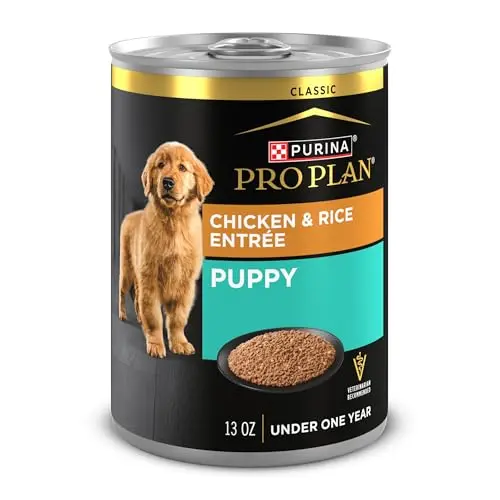
Chicken & Rice Entree Classic – DHA for Brain & Vision Development
Purina Pro Plan’s puppy pâté puts chicken first and packs DHA from fish oil for brain and vision development. It’s a complete, balanced meal with no artificial colours, flavours, or preservatives, and the smooth texture is easy for small breed puppies to lap up.
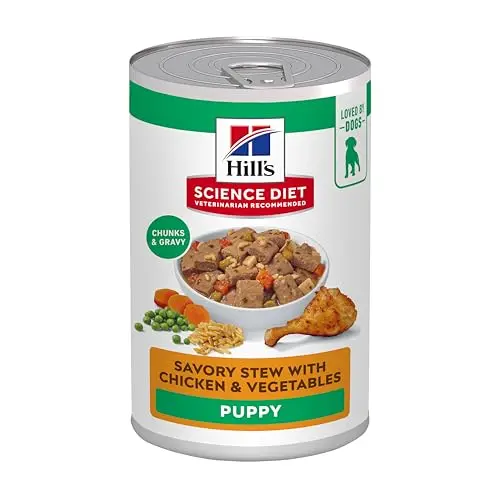
Puppy Chicken & Vegetable Stew – Vet‑Recommended Growth Formula
Hill’s Science Diet stew combines DHA from fish oil with easily digestible ingredients, earning it the trust of Canadian vets. The soft, savoury chunks and vegetables offer a satisfying meal, though texture may need mashing for the tiniest mouths.
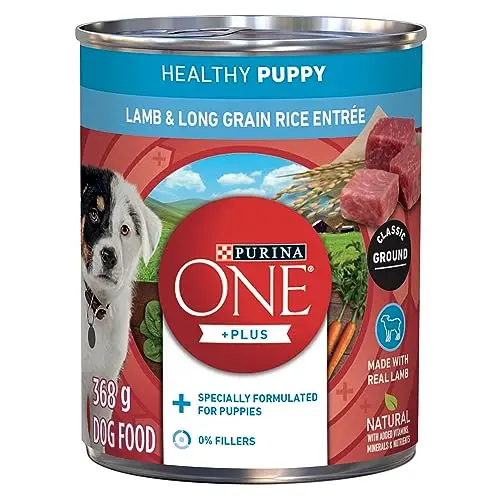
Lamb & Rice Entree – Poultry‑Free Puppy Pâté
A wallet‑friendly lamb and rice pâté for puppies with poultry sensitivities. Purina ONE omits poultry by‑products and fillers, packing omega fatty acids for a healthy coat and antioxidants for immune support.
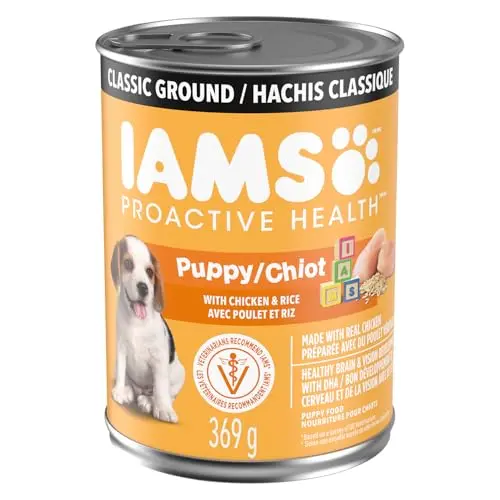
ProActive Health Chicken & Rice Classic Ground – Economical Puppy Pâté
An uncomplicated, budget‑friendly pâté with DHA and omega fatty acids. IAMS ProActive Health Classic Ground provides complete nutrition for growth, using wholesome grains and no fillers, in a smooth texture small breeds can handle.
How We Evaluated These Wet Foods for Small Breed Puppies
We didn’t run long‑term feeding trials or vet‑supervised growth studies. What we did: mapped 4 wet puppy foods from 4 distinct brands across 6 decision axes – formulation completeness, protein source quality, texture and mouth‑feel, digestibility, nutrient extras like DHA, and value. We triangulated published ingredient lists, guaranteed analyses, and aggregated puppy‑owner feedback where available against the specific needs of small breed puppies.
The scoring framework weighted real‑world fit (60%) – how well each food aligns with the rapid growth, small stomachs, and fussy eating habits of diminutive breeds – against feature differentiation (40%) – unique strengths like novel proteins, vet trust, or spot‑on texture. We have no commercial relationship with any of the brands featured; recommendations follow the food’s ability to meet a small breed puppy’s needs, not brand loyalty. If you’re looking for a complete, brain‑boosting pâté, the Purina Pro Plan Chicken & Rice is our pick; if your pup needs extra digestive support, the Hill’s Science Diet Stew steps up.
How to Choose the Right Wet Food for Small Breed Puppies
What to Look for in Wet Puppy Food
The best wet foods start with a named animal protein like chicken, lamb, or fish. Protein builds lean muscle, while DHA – an omega‑3 fatty acid – supports brain and eye development during your puppy’s critical first year. Look for a statement from the Association of American Feed Control Officials (AAFCO) confirming the food is complete and balanced for growth or all life stages. Avoid artificial colours, flavours, and preservatives; instead, seek out natural antioxidants like vitamin E. A good wet food should also list specific fat sources (fish oil, flaxseed) and carbohydrates (brown rice, barley) rather than vague ‘grain” or ‘by‑product” labels.
Why Small Breed Puppies Need Different Wet Food
Small breed puppies have higher metabolic rates per kilogram than large breeds and reach adult size much faster. This means they need calorie‑dense food that packs a punch in a small volume – their stomachs are tiny. Wet food naturally helps here because its moisture content makes it more appealing and easier to eat. Additionally, small mouths and developing teeth benefit from softer textures, so a smooth pâté or easily mashed stew can prevent mealtime frustration. Finally, small breeds are prone to hypoglycaemia (low blood sugar), which is avoided by frequent, nutrient‑rich meals that wet food delivers handily.
Texture Matters: Pâté vs. Stew for Tiny Mouths
Texture is a detail that often gets overlooked but matters enormously for small breed puppies. A smooth pâté requires no chewing, making it ideal for the tiniest breeds like Chihuahuas or Yorkies. Stews with chunks, like Hill’s Science Diet, offer more chewing stimulation but can frustrate pups with very small jaws if the pieces are too large. Some owners simply mash the stew against the side of the bowl with a fork, which blends the texture while keeping the flavour. If you have a flat‑faced breed (brachycephalic), you may find pâté easier to lap up without pushing food around the bowl. There’s no one‑size‑fits‑all, but being mindful of your pup’s individual biting and swallowing style will guide your choice.
Key Nutrients: DHA, Protein, and Antioxidants
Three nutrients deserve a spotlight: DHA for the brain, high‑quality protein for lean muscle, and antioxidants for a robust immune system. DHA is especially critical during the first year; think of it as the spark that helps your pup learn commands and recognize family members. Protein sources like chicken or lamb deliver the amino acids needed for tissue repair and growth – watch for named meats, not ‘meat meal.” Antioxidants (often vitamin E, selenium, or lutein) act as a shield while your puppy’s immune system matures. A balanced formula will include all three, and you’ll often see them touted right on the label.
Purina Pro Plan vs Hill's Science Diet: Which for Small Breed Puppies?
Both are excellent, but they take different paths. Purina Pro Plan uses a classic pâté with chicken first and heavy DHA emphasis; it’s smooth, predictable, and a top all‑rounder. Hill’s Science Diet adds a stew texture and a vet‑first reputation, with a digestive health angle that appeals to pups with sensitive stomachs. For the tiniest breeds, the Pro Plan pâté may edge ahead because there’s no chunk‑worry. If your small breed pup is prone to soft stools or you simply trust your vet’s leading recommendation, the Hill’s stew is a strong alternative – just be prepared to mash. Neither is wrong; it’s about matching the mealtime reality to your puppy’s physical comfort.
Reading Labels: Avoiding Fillers and By‑Products
A quick glance at the ingredient list can tell you a lot. True fillers add bulk without nutrition – corn gluten meal and cellulose are common culprits. Products like Purina ONE and IAMS explicitly state no fillers, which is a good sign. By‑products (e.g., ‘chicken by‑product meal”) are not inherently harmful – they can include organ meats rich in nutrients – but naming the specific animal is preferable. For puppies, you want the first few ingredients to be recognizable whole foods: chicken, lamb, rice, carrots. If you see a long list of mysterious meals or artificial preservatives like BHA/BHT, it’s worth moving on. Remember: small breed puppies don’t have room for empty calories.
Frequently Asked Questions
Is wet food better for small breed puppies than dry food?
Wet food can be a game‑changer for small breed puppies because its high moisture content softens it, making it much easier for tiny mouths and developing teeth to manage. It also tends to be more aromatic, which can tempt finicky appetites that dry kibble leaves cold. The extra water in wet food also helps with hydration – something many small breeds don’t monitor well on their own. That said, a mixture of wet and dry can work beautifully, offering the dental benefits of crunching on kibble alongside the palatability and moisture of wet food. Ultimately, as long as the food meets AAFCO standards for growth and your puppy is thriving, either format is fine.
What's the difference between Purina Pro Plan and Purina ONE wet puppy food?
Both come from the same parent company, but they target different buyer priorities. Purina Pro Plan emphasizes advanced nutrition backed by research; its puppy formula features DHA from fish oil, chicken as the first ingredient, and a focus on developmental milestones. Purina ONE leans into smart, natural ingredients at a more accessible price point. Its lamb and rice option, for example, omits poultry by‑products and fillers entirely, making it appealing for owners who want a clean label. In short: Pro Plan is the premium, high‑performance line; Purina ONE is the balanced, budget‑conscious alternative.
How does Hill's Science Diet compare to Purina Pro Plan for small breed puppies?
Hill’s Science Diet and Purina Pro Plan are neck‑and‑neck in quality but diverge in texture and philosophy. Hill’s offers a chunky stew enriched with easily digestible ingredients and is the most vet‑recommended brand in Canada. Pro Plan opts for a smooth pâté with similar DHA levels and a very strong chicken‑first recipe. For extremely small puppies, the pâté is often the safer bet because there’s no risk of large pieces. If your puppy has sensitive digestion, Hill’s may soothe their stomach better. Both are excellent; your choice may come down to whether your pup does better with a stew or a pâté.
Can I mix wet and dry food for my small breed puppy?
Absolutely, and many breeders and vets recommend it. Mixing allows you to harness the dental benefits of kibble – chewing helps reduce plaque – while adding the moisture and flavour of wet food. Start with a ratio of about 25% wet to 75% dry, adjusting based on calorie needs and stool quality. Because small breed puppies have fast metabolisms, you might also split their daily portion into three or four small meals, mixing a spoonful of wet into each. Just be sure to reduce the dry food amount proportionally so you’re not overfeeding; the calorie content of wet food is lower by volume, so read the feeding guides on both cans and bags.
My small breed puppy is a picky eater – which wet food is best?
Picky eaters often respond to strong aromas and novel proteins. A lamb‑based recipe like Purina ONE’s Lamb & Rice pâté can turn up the appeal when chicken‑based foods fall flat. The stew texture of Hill’s Science Diet, with visible vegetables and hearty scent, also wins over many reluctant eaters. If your puppy still hesitates, warming the food slightly (never hot) releases more fragrance. Start with a small variety and see which protein and texture combination gets the most tail wags. And if all else fails, mixing a teaspoon of wet food into a familiar kibble often bridges the gap.
Final Verdict
For the typical small breed puppy, the Purina Pro Plan Chicken & Rice Entree is the clear winner – it nails brain‑boosting DHA, a smooth pâté texture, and a clean ingredient panel without artificial additives. If your pup needs a little digestive hand‑holding, the Hill’s Science Diet Stew brings vet‑trusted digestibility, though you may need to mash for the tiniest mouths. Budget‑conscious families will appreciate the Purina ONE Lamb & Rice, a poultry‑free pâté that doesn’t skimp on nutrition. For those simply seeking an economical, fuss‑free option, the IAMS ProActive Health covers the essentials. Wherever you land, your small breed companion gets the dense, soft meal they need to grow strong and smart.