
Bringing home a toy poodle puppy means endless cuddles and a surprising amount of research – especially when it comes to food. These tiny bundles have big nutritional needs and even smaller mouths, so picking a wet food that supports their development and suits their delicate jaws is the first big decision you’ll make.
We dug into the market to find wet foods that hit the mark for toy poodle puppies: formulas packed with DHA for brain development, textures that won’t overwhelm a mini muzzle, and ingredients you can feel good about. Below, we compare the best options across multiple brands so you can match your pup’s personality – and your priorities – to the right can or tray.
Best Wet Food for Toy Poodle Puppies – 2026 Reviews
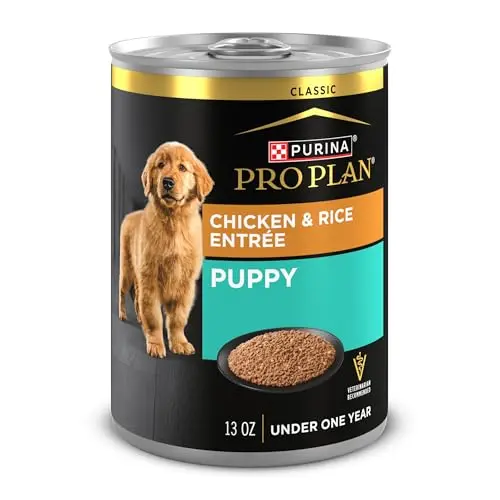
Pro Plan Puppy Chicken & Rice Entree – DHA-Rich Pâté for Growing Pups
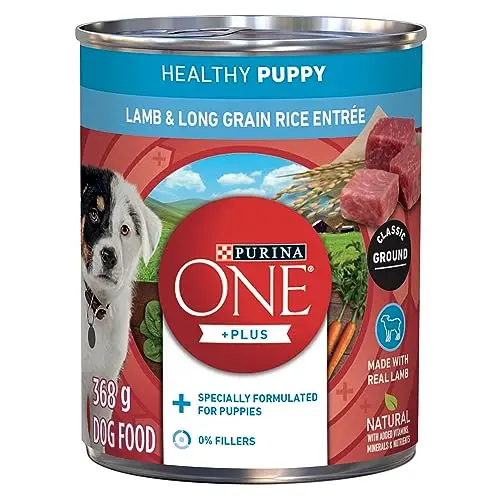
Purina ONE Puppy Lamb & Rice – Omega-Rich Pâté with No Poultry By-Products
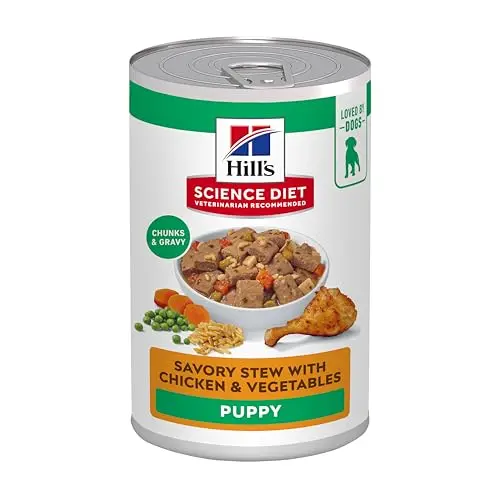
Science Diet Puppy Chicken & Vegetable Stew – Vet-Recommended Nutrition
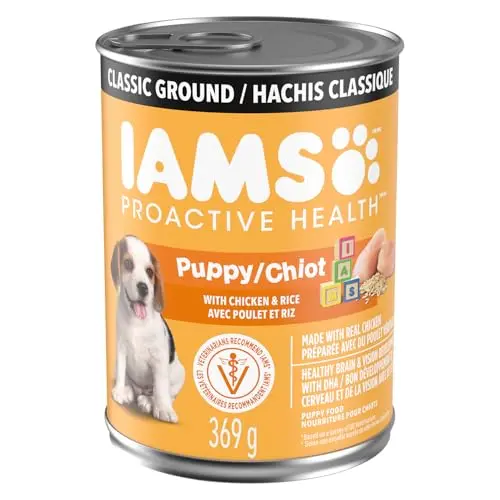
IAMS Proactive Health Puppy Chicken & Rice – Affordable DHA-Rich Pâté
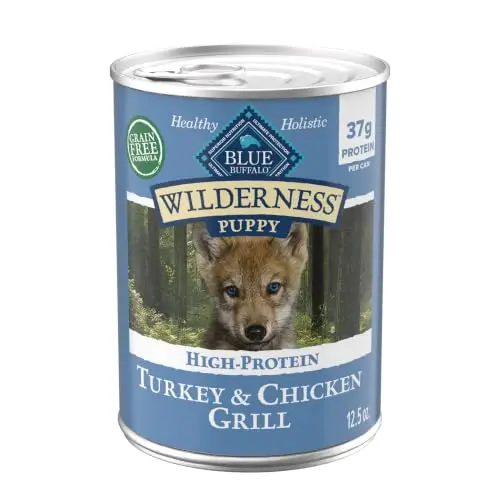
Blue Wilderness Puppy Turkey & Chicken Grill – High-Protein Grain-Free Pâté
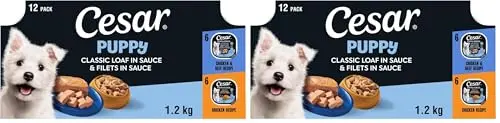
CESAR Puppy Loaf & Filets in Sauce – Tender, Small-Breed-Friendly Meals
How We Evaluated These Wet Food for Toy Poodle Puppies
We didn’t run veterinary feeding trials or long-term growth studies. What we did: cross-referenced 6 wet food models from 6 distinct brands across 5 decision axes – protein quality, DHA content, texture and mouthfeel, digestive tolerance, and ingredient transparency. We triangulated published specifications, aggregated owner feedback where available, and use-case fit against the specific needs of a toy poodle puppy.
The scoring framework weighted real-world puppy performance (60%) – how well each food supports growth and suits a tiny mouth – against feature differentiation (40%) – unique nutritional advantages or breed-specific formulations. We have no commercial relationship with any of the brands featured; recommendations track fit and differentiation, not brand preference. If you’re looking for the safest all-around choice, the Pro Plan Puppy is our top pick; if you want to prioritize omega-rich ingredients without fillers, the Purina ONE Puppy is a stellar alternative.
How to Choose the Right Wet Food for Toy Poodle Puppies
Why DHA Matters for Your Toy Poodle Puppy's Brain
Docosahexaenoic acid (DHA) is a type of omega-3 fatty acid that plays a starring role in neurological development. During the first few months, a puppy’s brain is growing rapidly – and toy poodles, being whip-smart, benefit enormously from this nutrient. Look for wet foods that explicitly list DHA from fish oil or other sources; it’s often highlighted on the label because it’s that important for vision and cognitive function.
Texture and Kibble Size: What's Safe for a Tiny Mouth?
Toy poodle puppies have small jaws and baby teeth, so a smooth pâté or finely minced stew is far easier to manage than chunky meals. Some stews come with pieces that are too large – you might need to mash them with a fork. If you spot words like “chunks” or “filets,” check the description or reviews to gauge size. Portion-controlled trays can also reduce waste and make mealtime simpler.
Protein Sources: Chicken, Lamb, and Beyond
Most puppy foods start with chicken because it’s lean and widely tolerated, but alternatives like lamb, turkey, or beef can be helpful if your pup shows signs of sensitivity (itchy skin, loose stools). Rotating proteins may also prevent pickiness later. However, always introduce a new protein gradually over a week to avoid digestive upset.
Decoding the Ingredient Label: Fillers vs. Wholesome Additions
High-quality wet foods list a named meat first and avoid vague by-products or fillers like corn, wheat, and soy. Ingredients like flaxseed, blueberries, or carrots add nutritional value, while artificial colours and flavours are red flags. For toy poodles, a short, recognizable ingredient list often means better digestibility and fewer allergic reactions.
Grain-Inclusive vs. Grain-Free: Which One Suits Your Puppy?
Grain-free diets have gained popularity, but they aren’t automatically better for every puppy. Wholesome grains like brown rice or oatmeal provide steady energy and fibre. If your puppy has a confirmed grain allergy (rare), then grain-free is logical. Otherwise, both can work – the key is monitoring your pup’s coat, energy, and stool quality. Note that some grain-free formulas are higher in protein and may be too rich for sensitive stomachs.
Frequently Asked Questions
What's the difference between Purina Pro Plan and Purina ONE for puppies?
Both come from Nestlé Purina, but they target different niches. Purina Pro Plan is positioned as a premium, research-backed line with a strong emphasis on brain development (DHA) and immune support. It often has a smoother pâté texture. Purina ONE focuses on providing natural ingredients with zero fillers at a more moderate price. For a toy poodle puppy, Pro Plan’s DHA levels and texture give it a slight edge, but Purina ONE’s lamb and rice recipe is a great option if you’re avoiding chicken or working within a tighter budget.
Are all wet foods safe for toy poodle puppies?
Not necessarily. While most puppy-specific formulas meet basic nutritional standards, some may have large chunks that pose a choking hazard or simply frustrate a tiny eater. Always check texture descriptions; pâtés and minced loaves are generally the safest bets. Avoid foods labeled for adult dogs or large breeds, as they lack the elevated levels of DHA and other growth nutrients that toy poodle puppies require.
How do I switch my toy poodle puppy to a new wet food?
Transition gradually over 7-10 days. Start by mixing about 25% new food with 75% old for two days, then go 50/50, then 75/25, and finally all new. Watch for loose stools, vomiting, or itching. Toy poodle puppies can have sensitive digestion, so a slow switch reduces the risk of tummy troubles.
Can I feed my toy poodle puppy adult dog food?
No. Puppy formulas contain higher levels of protein, fat, and essential nutrients like DHA that support rapid growth and brain development. Feeding adult food too early can lead to nutritional deficiencies or improper bone growth. Stick with a complete-and-balanced puppy food until your vet advises you to transition, typically around 10-12 months for a toy poodle.
Final Verdict
For most toy poodle puppies, the Pro Plan Puppy Chicken & Rice Entree is the clear winner – it nails the DHA-rich, smooth pâté formula that developing brains and tiny mouths need. If you’re watching your budget, the IAMS Proactive Health Puppy delivers essential nutrients at a friendly price. And for those who prefer a grain-free, high-protein option, the Blue Wilderness Puppy is purpose-built for the job – just ensure it agrees with your pup’s stomach.