
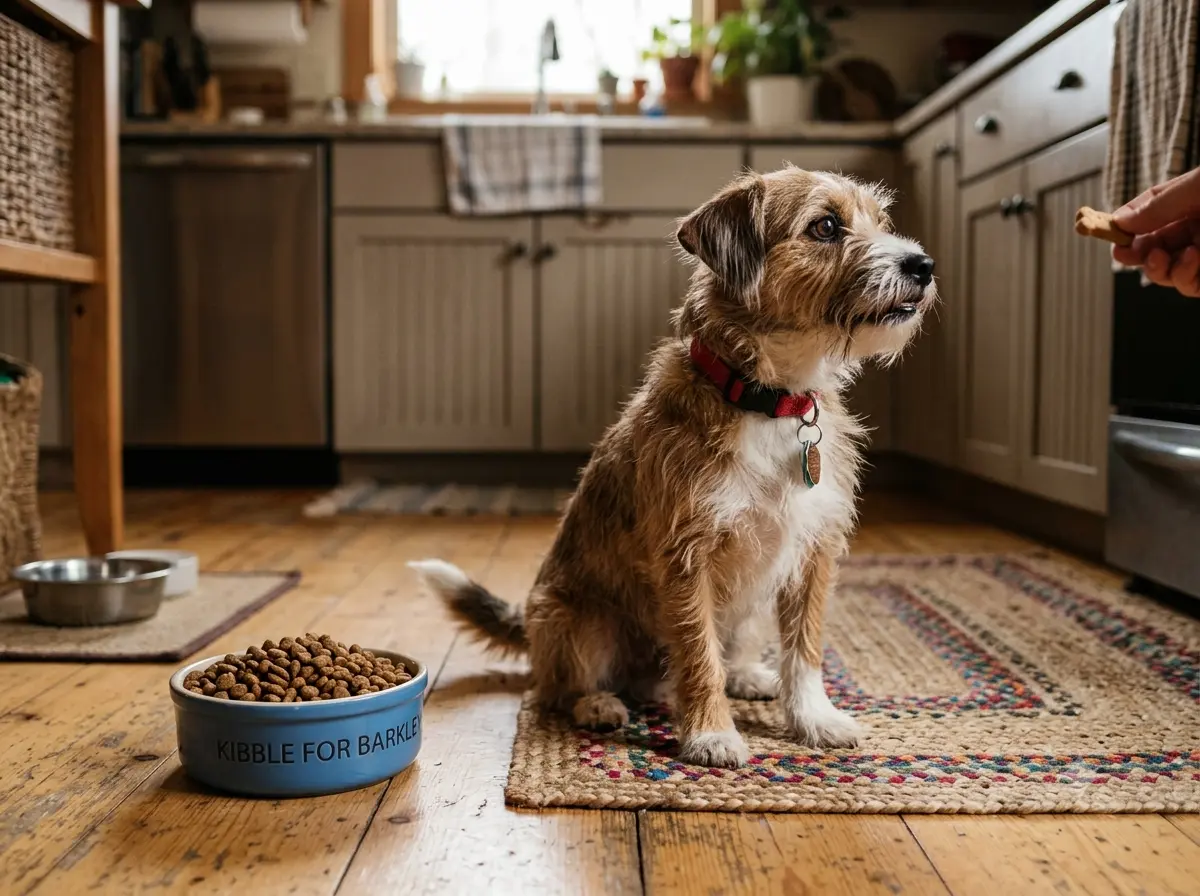
It’s a maddening little standoff. Your dog sniffs their bowl of perfectly good kibble, gives you a long look, and walks away—only to come sprinting back the second a treat bag rustles. Suddenly they’re starving. So what gives? Is your dog secretly a gourmet, or is something actually wrong?
Most of the time, this is a behavior loop you’ve accidentally trained, and it’s very fixable. But because a sudden loss of interest in food can occasionally signal a health issue, it’s worth ruling that out first. Here’s how to tell the difference and break the cycle.
Why Is Your Dog Suddenly Not Interested in Food (But Acting Normal)?
If your dog is bright, playful, and normal in every way except mealtime, the odds lean heavily toward a behavioral cause rather than illness. Still, two things are worth checking before you assume it’s pickiness.
Checking the Kibble: Has the Dry Food Gone Rancid?
We rarely think about this, but dry food does go off. The fats in kibble can oxidize and turn rancid, especially if the bag has been open a while or stored somewhere warm. To your dog’s nose—thousands of times more sensitive than yours—slightly stale food can smell genuinely unappealing even if it seems fine to you.
Open a fresh bag and give it a sniff. If it smells sharp, sour, or “off,” or if your dog rejected food they previously loved, freshness may be the whole problem. Proper storage prevents this, and our guide on how to store dog food to keep it fresh walks through it.
The Treat Stand-Off Psychology
Here’s the behavioral heart of it. Dogs are smart, and they learn fast that holding out for something better often works. If refusing kibble has ever been rewarded—with a treat, a topping, a hand-fed morsel, or even just extra attention and coaxing—your dog has learned that patience pays. They’re not being difficult; they’ve simply discovered the winning strategy. The fix is to stop rewarding the wait.
Stop the Cycle: What to Do When Your Dog Holds Out for Treats
Breaking a treat stand-off is mostly about consistency and a bit of nerve. It feels harsh at first, but a healthy dog will not starve themselves over a missed meal.
Establish a Firm Feeding Schedule
Put the bowl down at set mealtimes and leave it for about 15 minutes. If your dog doesn’t eat, pick it up and offer nothing else until the next scheduled meal. No treats, no toppers, no snacks in between. Repeat calmly. Most dogs get the message within a day or two and start eating when food is offered, because the “hold out for something better” strategy stops working.
A couple of ground rules make this humane and effective: always keep fresh water available, and don’t try this with puppies, very small breeds, or dogs with health conditions without checking with your vet first, since they can’t safely skip meals.
How Many Treats Are Too Many?
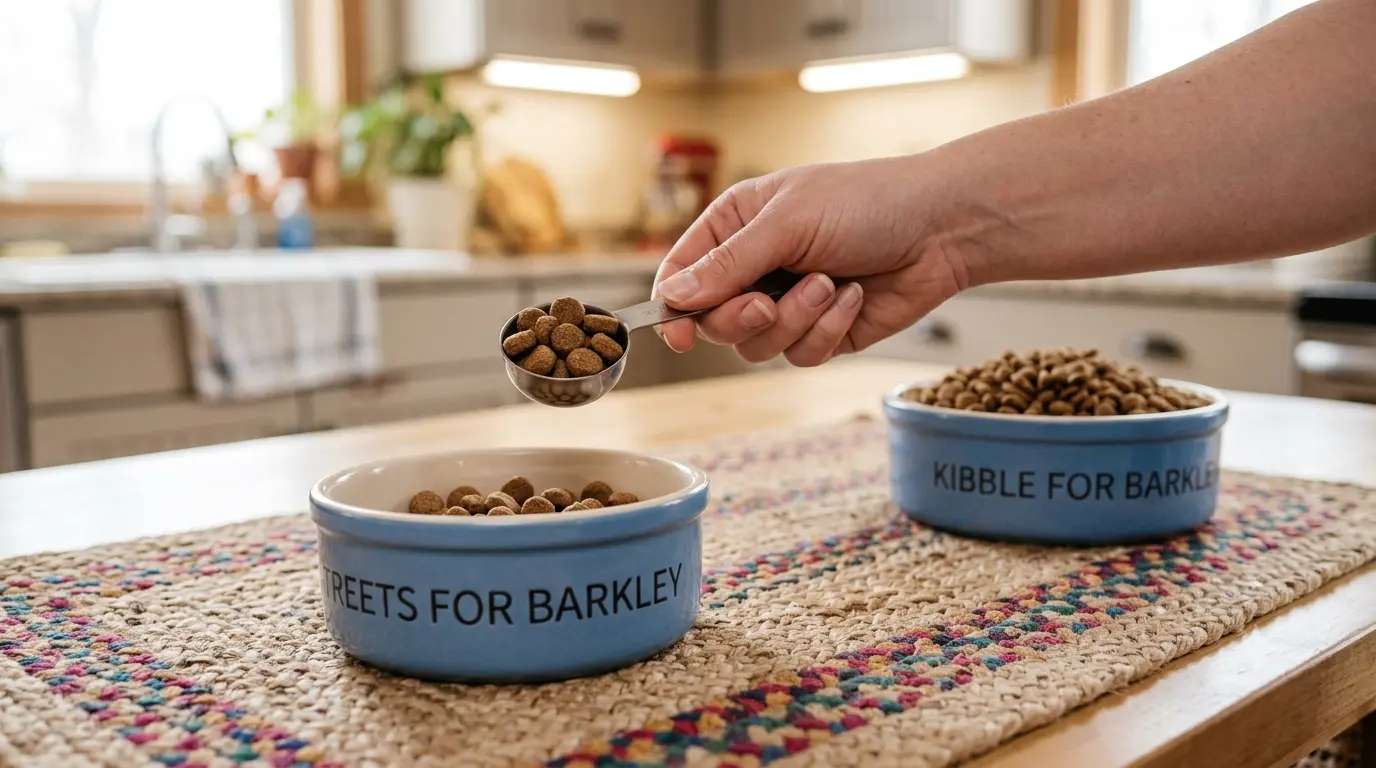
Often the real culprit is simple: your dog isn’t hungry at mealtime because they’re full of treats. A good guideline is the 10% rule—treats should make up no more than about 10% of your dog’s daily calories, with the rest coming from balanced meals. If treats have crept up beyond that, cutting them back can restore your dog’s appetite for regular food almost immediately.
Healthy Ways to Entice a Picky Dog to Eat Kibble
Sometimes a dog genuinely finds plain dry food boring, and a few gentle tweaks make it far more appealing—without training them to expect gourmet meals every night.
Warming and Rehydrating Dry Food
This is the single easiest upgrade. Add a splash of warm (not hot) water to the kibble and let it sit for a few minutes. The warmth releases the food’s aroma, and the softer texture is easier and more inviting to eat—especially for older dogs or those with sensitive teeth. Many “picky” dogs tuck right in once their food actually smells like something.
Meal Toppers and Broths (Used Wisely)
A small amount of a healthy topper can turn a snubbed bowl into an eagerly emptied one. Plain, unsalted bone broth, a spoonful of plain canned pumpkin, or a sprinkle of a dog-safe protein topper can all work. The key is to keep portions small so toppers stay a garnish, not the main event—otherwise you’ve just traded one picky habit for a fancier one. Look for toppers with short, recognizable ingredient lists and no added salt, onion, or garlic, which aren’t safe for dogs.
If you’re worried the pickiness signals a food sensitivity rather than preference, it’s worth learning the signs of food allergies in dogs so you can tell the two apart.
When Picky Eating Might Be Something More
Behavioral pickiness comes and goes and doesn’t affect your dog otherwise. Reach out to your vet if the refusal is sudden and complete, lasts more than a day or so, or comes with any other symptoms—lethargy, vomiting, diarrhea, drooling, bad breath, or signs of mouth pain. Dental problems in particular can make chewing dry food genuinely uncomfortable, which looks a lot like fussiness but needs real treatment. In an older dog especially, a fading appetite deserves a closer look; our guide on a senior dog not eating but still drinking water covers that situation.
The Bottom Line
A dog who snubs kibble but inhales treats is usually running a strategy that’s worked before, not staging a hunger strike. Rule out rancid food and dental pain, then reset the routine: scheduled meals, a firm 15-minute window, treats capped at 10% of daily calories, and a little warm water or a modest topper to make dinner smell worth eating. Stay consistent and calm, and most picky eaters come around faster than you’d expect.
Frequently Asked Questions
My dog won’t eat his food but will eat treats—what should I do?
Start by ruling out spoiled food and dental pain. Then reset the routine: offer meals on a fixed schedule, remove the bowl after about 15 minutes if untouched, and stop offering treats or toppers in between. When holding out no longer earns something better, most dogs go back to eating their regular food.
How do I get a picky dog to eat dry food?
Make the kibble more appealing without overhauling it: add warm water to release the aroma and soften the texture, or mix in a small healthy topper. Pair that with consistent mealtimes and fewer treats, so your dog arrives at the bowl actually hungry.
Will my dog starve if I take the bowl away?
A healthy adult dog won’t harm themselves by skipping a meal or two while learning a new routine. That said, always keep water available, and don’t use this approach with puppies, tiny breeds, or dogs with medical conditions without your vet’s guidance, as they shouldn’t go without food.
Could pickiness mean my dog is sick?
It can. Behavioral pickiness doesn’t affect your dog otherwise, but if the refusal is sudden and total, lasts more than a day, or comes with lethargy, vomiting, diarrhea, or signs of mouth pain, see your vet to rule out illness or dental disease.
How many treats are too many?
A common guideline is that treats should be no more than about 10% of your dog’s daily calories. If your dog is filling up on snacks, they simply won’t be hungry for balanced meals—so trimming treats often fixes the pickiness on its own.