
Most of us don’t give dog food storage a second thought—we buy the big bag because it’s a better deal, dump it in the garage or a bin, and scoop away for weeks. But how you store that food quietly determines whether it stays nutritious and appetizing or slowly turns stale, rancid, or worse: a buffet for pantry moths and mice.
The good news is that keeping food fresh is easy once you know the enemies you’re fighting. Here’s how to store dry and wet food properly, whether a hot garage is really a problem, and how long that opened can lasts in the fridge.
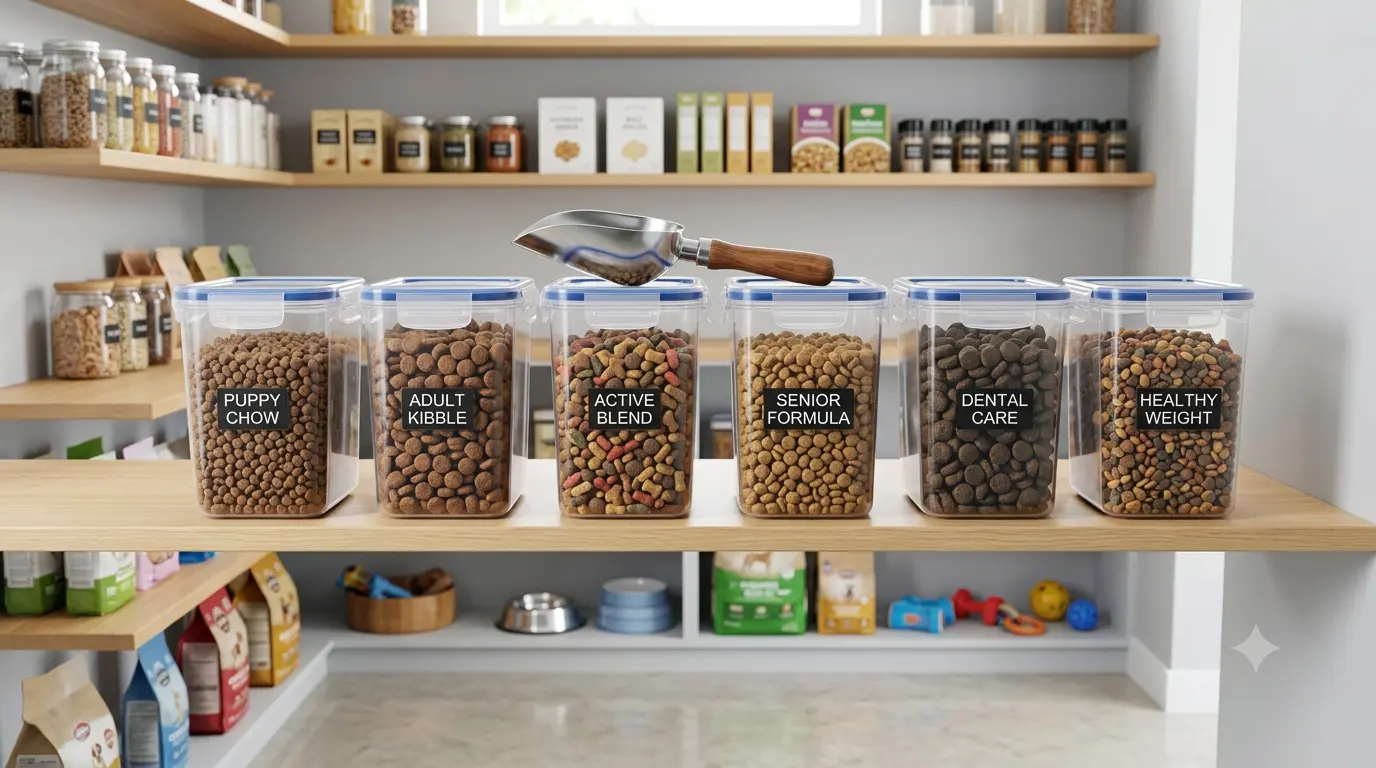
Why Leaving Kibble in the Original Bag Isn’t Always Enough
It’s tempting to just roll down the top of the bag and call it done, but the bag alone often isn’t up to the job once it’s open. Understanding why comes down to three things working against your dog’s food.
The Three Enemies: Oxygen, Light, and Moisture
The moment a bag is opened, the clock starts. Oxygen is the big one—it reacts with the fats in kibble and gradually turns them rancid, degrading both flavor and nutrients. Light, especially sunlight, speeds up that breakdown. And moisture is the sneakiest threat: any dampness that gets in can encourage mold and creates an inviting environment for insects. A loosely folded bag lets in all three.
Here’s a tip many owners miss: the best way to store kibble is to keep it in its original bag and place that bag inside an airtight container. The bag is designed to preserve the food and carries the batch and expiration info, while the airtight container blocks oxygen, light, and moisture and keeps pests out. You get the benefits of both.
Can Dry Dog Food Go Bad If Left in Garage Heat?
Yes—and the garage is one of the worst spots for it. That convenient bin by the door might be quietly ruining your dog’s food.
How High Temperatures Destroy Fats and Vitamins
Heat accelerates everything that spoils food. Warm temperatures speed up the oxidation that turns fats rancid, and they can degrade the vitamins and nutrients the food is fortified with, so the kibble becomes both less palatable and less nutritious over time. Garages also swing between hot and humid, and that moisture invites mold and bugs. Dog food is best kept somewhere cool, dry, and stable—a pantry or closet indoors beats a sweltering garage every time.
How to Tell if Dog Food Has Gone Rancid
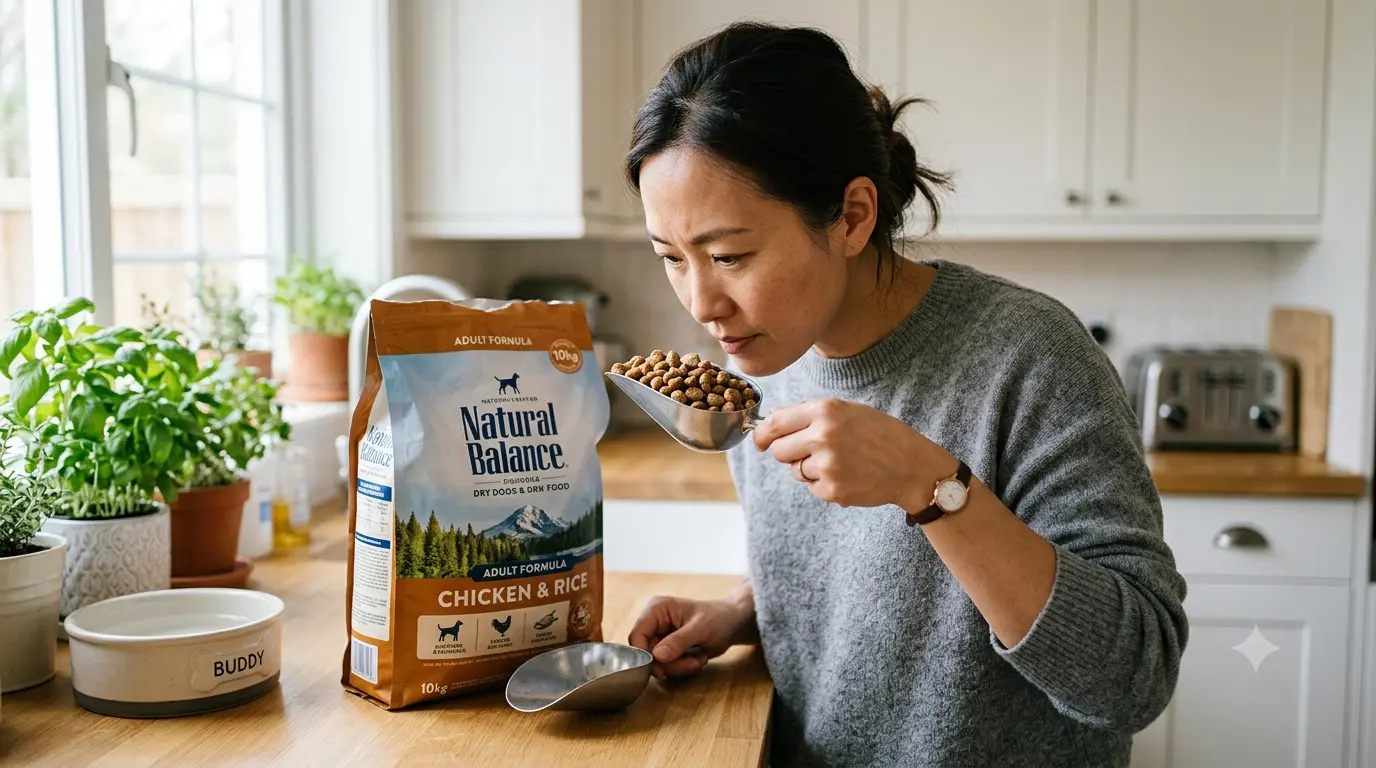
Your nose is the best tool here. Fresh kibble has a mild, consistent smell; rancid food smells sharp, sour, oily, or just “off.” Other red flags include visible mold, clumping, or any sign of insects. A telling behavioral clue is your dog suddenly refusing food they used to love—their far more sensitive nose may be catching spoilage before you do. That connection is exactly why picky eating sometimes traces back to stale food. When in doubt, throw it out; spoiled food isn’t worth the risk.
Wet Food Storage: How Long Does Opened Canned Food Last in the Fridge?
Canned and wet foods play by different rules than kibble, because once opened they behave like any other perishable food.
The Refrigerator Rule for Opened Cans
An opened can of wet dog food belongs in the fridge, covered, and used up within a few days—a common guideline is to use it within about three days (72 hours). Cover it with a proper pet-food can lid or transfer it to a sealed container to keep it from drying out and absorbing fridge odors. Let refrigerated wet food come closer to room temperature before serving, since dogs find cold food less appealing and the warmth brings out the aroma. Toss any wet food that’s been left out at room temperature for more than a couple of hours, and never serve from a can that’s been open and unrefrigerated too long.
The Best Storage Containers and Lids
Good storage gear pays for itself in food that doesn’t get wasted. For dry food, an airtight container with a tight-sealing lid is the key upgrade—it locks out oxygen, moisture, and pests, and keeps the food smelling fresh. Choose one sized to hold a full bag (remember, you’ll keep the food in its bag inside), made of a food-safe material that’s easy to clean between refills. For wet food, a set of silicone or plastic can lids keeps opened cans covered in the fridge, and a precise measuring scoop helps you portion consistently and avoid overfeeding. If you travel with your dog, portioning food into sealed bags keeps it fresh on the road, as we note in our travel feeding guide.
The Bottom Line
Storing dog food well is one of the easiest ways to protect your dog’s health and your wallet. Keep dry food in its original bag inside an airtight container, stashed somewhere cool, dry, and dark—not a hot, humid garage. Trust your nose to catch rancid food, and take a sudden bout of pickiness as a possible spoilage clue. Refrigerate opened cans, use them within about three days, and cover them well. Small habits, fresher food, happier dog.
Frequently Asked Questions
How should I store dry dog food to keep it fresh and pest-free?
Keep the food in its original bag and place that bag inside an airtight container with a tight lid. The bag preserves the food and holds batch info, while the container blocks oxygen, light, moisture, and pests. Store it somewhere cool, dry, and dark rather than a warm or humid spot.
Can dry dog food go bad if left in garage heat?
Yes. Heat speeds up the oxidation that turns fats rancid and can degrade the food’s vitamins, while a humid garage invites mold and insects. Dog food keeps best in a cool, dry, stable place indoors—a pantry or closet is far better than a hot garage.
How long does opened wet dog food last in the fridge?
Generally about three days (72 hours) when kept covered in the refrigerator. Use a pet-food can lid or a sealed container to prevent drying out and odor absorption, and warm it toward room temperature before serving. Discard wet food left out at room temperature for more than a couple of hours.
How can I tell if my dog’s food has gone rancid?
Smell it—rancid food smells sharp, sour, or oily rather than mild and consistent. Watch for mold, clumping, or insects too. A sudden refusal of food your dog previously loved can be an early warning, since their sensitive nose may detect spoilage before you do. When unsure, throw it out.
Is it okay to store dog food in a plastic bin without the bag?
It’s better to keep the food in its original bag inside the bin. Pouring kibble straight into a bin can transfer old oils and odors to fresh food and skips the protective, information-carrying bag. Using the bag plus an airtight container gives you the best of both.