
Finding a dog food that’s both nutritious and gentle on your pup’s system can feel like a minefield. One day they’re scarfing it down, the next they’re dealing with tummy troubles or itchy skin. The safest dog foods prioritize digestibility, limited ingredients, and vetted nutritional profiles to keep your dog thriving without the drama.
That’s where we step in. We compared the standout options across major brands to surface the ones that actually deliver on that safe-food promise – from prebiotic-packed kibble to grain-free recipes and high-protein raw mixers. Whether your dog struggles with a sensitive stomach, food intolerances, or you just want the cleanest bowl possible, our 2026 roundup maps out which dog foods earn the ‘safest’ label.
Best Safest Dog Foods – 2026 Reviews
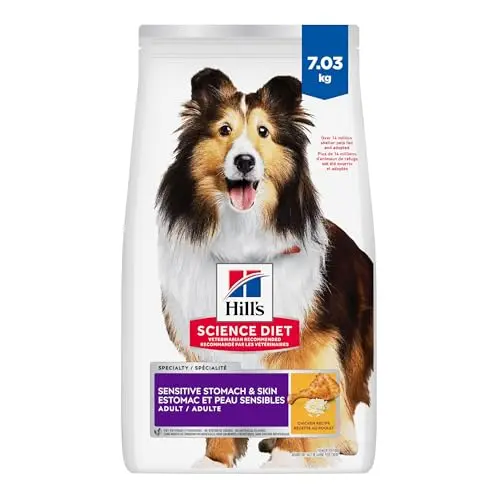
Sensitive Stomach & Skin Chicken Recipe – Soothing Digestion & Coat Care
Vet-recommended Hill’s Science Diet tackles sensitive stomachs head-on with a highly digestible chicken recipe. Packed with prebiotic fibre from beet pulp, it soothes digestion while omega-6 and vitamin E nourish skin and coat. The 7.03 kg bag uses natural ingredients and is a go-to for Canadian vets.
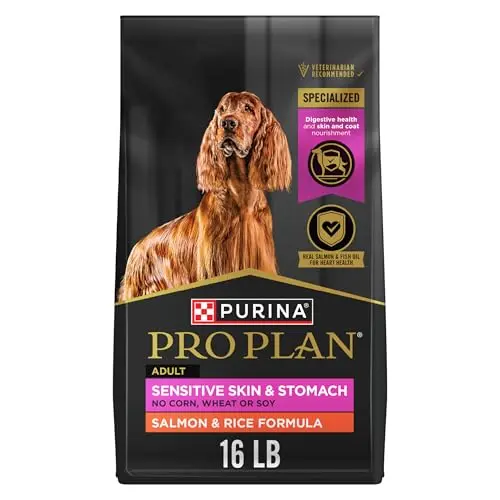
Sensitive Skin & Stomach Salmon & Rice – Omega-Rich for Joint & Coat Care
Purina Pro Plan’s salmon-first recipe zeroes in on sensitive dogs with a blend of prebiotic fibre and omega-3s from fish. The oatmeal provides an easily digestible carb base, while sunflower oil adds omega-6 for coat shine. It’s a complete package for digestive comfort, skin healing, and even joint support – all in a 7.26 kg bag.
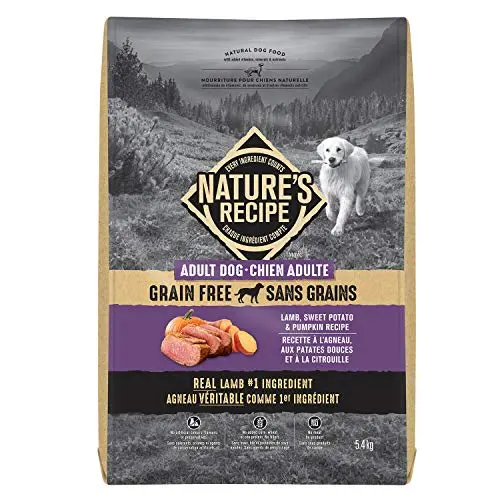
Grain-Free Lamb, Sweet Potato & Pumpkin – Limited-Ingredient Digestive Care
Nature’s Recipe takes a limited-ingredient approach with real lamb as the star, skipping grains and fillers. Sweet potato and pumpkin bring fibre for healthy digestion, while antioxidants, zinc, and vitamin E bolster immunity. This 5.4 kg bag also naturally supports bones, joints, and a glossy coat – without artificial additives.
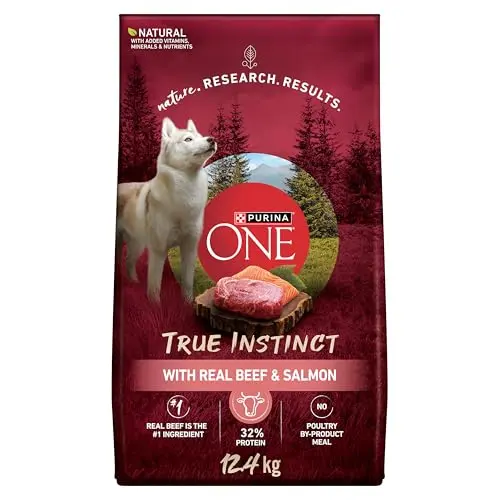
True Instinct High Protein Beef & Salmon – Nutrient-Dense Fuel for Active Dogs
Purina ONE True Instinct packs 32% protein from real beef and salmon, targeting muscle maintenance and heart health. This 12.4 kg bag uses natural ingredients without poultry by-product meal, and adds antioxidants for immune support. It’s a high-octane kibble that still keeps ingredients clean and straightforward.
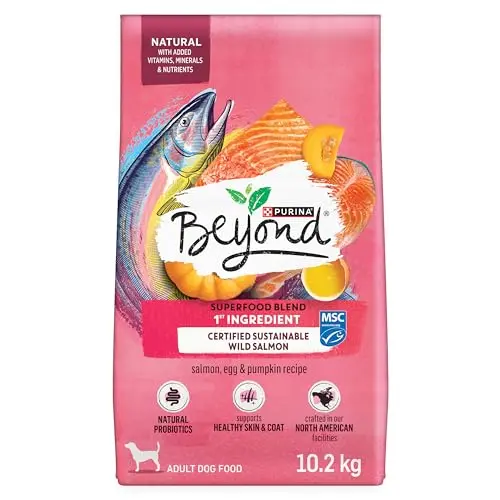
Superfood Blend Salmon, Egg & Pumpkin – Natural Nourishment Without Corn, Wheat or Soy
Beyond Superfood Blend keeps it simple: wild-caught salmon, egg, and pumpkin lead a recipe free from corn, wheat, soy, and poultry by-products. The 10.2 kg bag is crafted with recognizable ingredients and added vitamins for complete nutrition – all without artificial colours or preservatives.
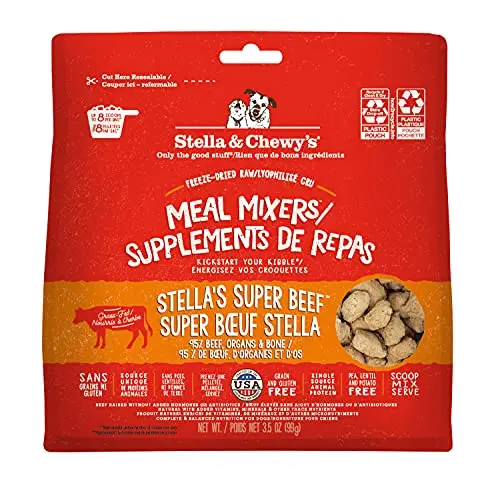
Freeze-Dried Raw Beef Meal Mixer – Boost Kibble or Standalone Raw Meal
Stella & Chewy’s raw freeze-dried beef mixer adds a protein punch to any bowl. With 95% beef, organs, and bone plus organic fruits and veggies, it delivers a raw diet’s benefits in a shelf-stable 99g pouch. Use as a topper or a complete meal – it’s versatile and grain-free.
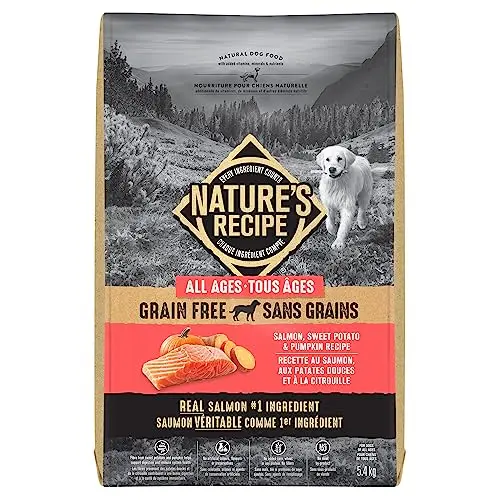
Grain-Free Salmon, Sweet Potato & Pumpkin – Fish-Based Sensitive Care
Another Nature’s Recipe gem, this salmon-forward grain-free formula leans on fish as the first ingredient for dogs who prefer seafood. With sweet potato and pumpkin for fibre, plus no artificial additives, the 5.4 kg bag covers digestive health, skin, coat, and immune support – all in a clean package.
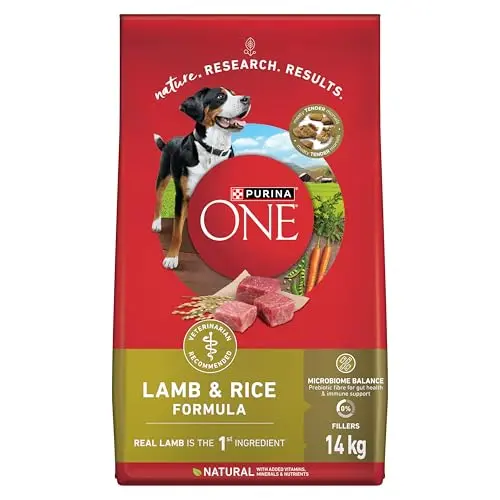
Microbiome Balance Lamb & Rice – Prebiotic Gut-Health Formula
Purina ONE’s Microbiome Balance formula uses real lamb and prebiotic fibre to support a healthy gut. This 14 kg bag is designed for easy digestion and immune health, with natural ingredients and added vitamins. It’s a wallet-friendly way to target digestive wellness without compromising quality.
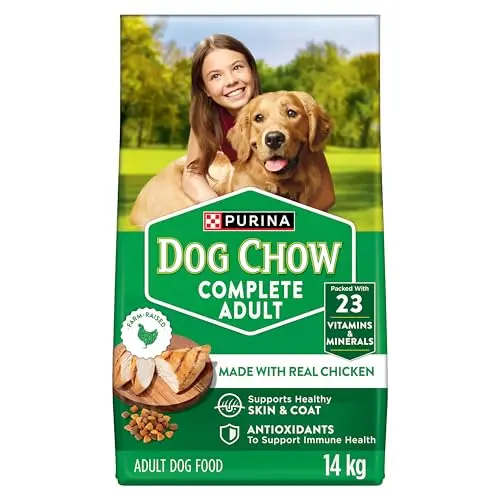
Complete Chicken Recipe – Basic, No-Filler Everyday Nutrition
Dog Chow Complete is a straightforward chicken recipe with no fillers or artificial flavours. The 14 kg bag provides 100% complete nutrition with antioxidants for immune health. It’s a no-frills, affordable staple for healthy adult dogs who don’t require specialized sensitive-stomach care.
How We Evaluated These Safest Dog Foods
We didn’t conduct long-term feeding trials or allergy panels on our own pets. Instead, we cross-referenced 9 dog food models from 7 distinct brands across 6 decision axes – digestive support, ingredient transparency, limited-allergen formulation, research-backed claims, owner feedback patterns, and brand vet recommendation strength. We triangulated published nutritional profiles, additive policies, and where available, verified buyer experiences to gauge real-world safety and palatability.
The scoring framework weighted real-world safety and performance (60%) – how reliably a formula avoids common triggers like stomach upset or skin reactions – against feature differentiation (40%) – unique angles like prebiotic microbiome balance, grain-free limited ingredients, or joint-supporting omega blend. We have no commercial relationship with any of the brands featured; recommendations track fit and differentiation, not brand preference. If your dog struggles with digestion and sensitive skin, the Hill’s Science Diet Sensitive Stomach & Skin is your match; if joint mobility is also a concern, Pro Plan Sensitive Skin & Stomach serves you better.
How to Choose the Right Safest Dog Food
What Makes a Dog Food 'Safe' for Your Pup?
The ‘safest’ dog foods share a few non-negotiables. First, they use highly digestible proteins – think real chicken, lamb, or salmon – as the primary ingredient, not vague meat meals. Second, they dial in on digestive aids like prebiotic fibre (beet pulp, chicory root) or pumpkin to keep things moving smoothly. Third, they steer clear of common triggers: artificial colours, flavours, and preservatives, along with fillers that can upset sensitive systems. Finally, many earn extra safety points through veterinary formulation or limited ingredient lists that minimize the chance of a reaction. When a food checks these boxes, you’re already ahead of the curve.
Decoding the Ingredient List: Red Flags and Green Lights
An ingredient panel tells the real story. Green lights: a named meat first (chicken, salmon), recognizable carbs like oatmeal or sweet potato, and specific healthy fats (sunflower oil, fish oil). Red flags: generic ‘meat meal,’ corn, wheat, or soy for dogs with sensitivities, and artificial additives. Beyond and Nature’s Recipe, for instance, proudly avoid these fillers. Also, watch for ambiguity – if the first few ingredients are carb-heavy, protein may be lower than you think. The safest recipes keep it transparent, so you know exactly what goes into your dog’s bowl.
Hill's Science Diet vs Purina Pro Plan: Which Sensitive Formula Wins?
Both are heavy hitters for sensitive dogs, but their strengths differ. Hill’s Science Diet leans on chicken and beet pulp prebiotic fibre, with a veterinary stamp of approval that many owners trust. Its omega-6 and vitamin E combo targets skin health alongside digestion. Pro Plan, on the other hand, opts for salmon and oatmeal, bringing omega-3s for joint support into the mix. If poultry isn’t an issue, Hill’s is the go-to; if your dog leans toward fish or needs joint help, Pro Plan takes the lead.
Grain-Free vs. Prebiotic-Rich: Which Path for Sensitive Stomachs?
Grain-free foods like Nature’s Recipe replace wheat and corn with sweet potato and pumpkin, which can be easier on some dogs’ digestion. However, grain-free isn’t automatically ‘safer’ – it’s just a different carb source. Prebiotic-rich formulas (Hill’s, Purina ONE Microbiome) actively nourish gut bacteria, which can be a bigger win for chronic tummy issues. The best approach? Match the formula to your dog’s specific reactivity. If grains trigger itching or loose stools, grain-free is a lifesaver; if not, a prebiotic-focused kibble often provides more consistent digestive support and keeps fibre levels ideal.
Signs Your Dog Needs a Safer Food Switch
Persistent loose stools, excessive gas, itchy skin, ear infections, or a dull coat can all point to a food that isn’t agreeing with your dog. A safer option often clears these up within a few weeks. When switching, always transition gradually over 7-10 days to avoid upset. For dogs that are particularly picky or need an extra nutrient boost, a freeze-dried raw topper like Stella & Chewy’s can entice eating while adding whole-food nutrition. Pay attention to how your dog’s energy, coat, and bathroom habits respond – they’re the ultimate proof.
Frequently Asked Questions
What makes a dog food truly 'safe' for sensitive dogs?
Safe dog food minimizes digestive and allergic triggers. Look for named, single-source proteins (like lamb or salmon) rather than ambiguous meat meals, plus easily digestible carbs such as oatmeal or sweet potato. Additives like prebiotic fibre actively support gut health, while the absence of artificial colours, flavours, and fillers reduces irritation risk. Many ‘safest’ picks also undergo feeding trials or earn veterinary recommendations, giving you an extra layer of confidence.
Hill's Science Diet vs Purina Pro Plan: which sensitive stomach formula is better?
Both are excellent, but the choice comes down to protein source and extra benefits. Hill’s Science Diet uses chicken and is widely vet-trusted for straightforward digestive and skin calming. Pro Plan brings salmon and omega-3s for joint mobility, making it ideal for older or active dogs with multiple sensitivities. If poultry agrees with your dog, go Hill’s; for fish lovers or joint needs, Pro Plan shines.
How does Nature's Recipe Grain-Free stack up against Hill's Science Diet for digestive safety?
Nature’s Recipe takes a grain-free, limited-ingredient path with lamb or salmon as the anchor, appealing to dogs with grain allergies. It also includes natural glucosamine for joint care. Hill’s, in contrast, relies on prebiotic beet pulp and a vet-formulated approach that many sensitive dogs thrive on. If grain sensitivity is confirmed, Nature’s Recipe is the safer pick; otherwise, Hill’s broader digestive support might yield more consistent results.
Is a grain-free diet inherently safer for all dogs?
Not necessarily. Grain-free foods replace wheat and corn with ingredients like potatoes or legumes, which can be easier for dogs with diagnosed grain allergies. But for many canines, grains are a healthy, digestible energy source. The ‘safest’ choice is less about grain-free and more about overall ingredient quality, digestibility, and the absence of artificial additives. If your dog doesn’t show grain sensitivity, a prebiotic-rich formula like Purina ONE Microbiome Balance may be equally gentle and even more gut-friendly.
Can adding a raw topper like Stella & Chewy's improve my dog's overall safety and nutrition?
Raw toppers can boost protein quality, introduce natural enzymes, and stimulate appetite, especially in picky eaters. Stella & Chewy’s freeze-dried raw is minimally processed and packed with whole-food ingredients, making it a safe bridge to raw feeding. However, it’s not a standalone safety fix – if your base kibble contains triggers, the topper won’t cancel them out. Use it to elevate an already safe diet or to transition toward raw, but always introduce new additions gradually to monitor your dog’s response.
Final Verdict
For most dogs with sensitive systems, the Hill’s Science Diet Sensitive Stomach & Skin is the answer – it nails digestive comfort and skin health without compromise. If joint stiffness is also on your radar, Pro Plan Salmon & Rice adds mobility support to the mix. Need to skip grains entirely? Nature’s Recipe Lamb is a clean, limited-ingredient standout. And for an easy raw boost, Stella & Chewy’s mixer transforms any bowl. No matter which you choose, you’re giving your pup a markedly safer, happier mealtime.