
Bringing home a new puppy comes with a flurry of decisions, and one of the first big ones is what to put in their bowl. For many owners, beef-based formulas are a go-to-they’re protein-rich, familiar, and often irresistible to growing pups. But not all beef puppy foods are created equal. Some prioritize real deboned beef as the first ingredient, while others lean on meals or by-products; some pack in grains for steady energy, while others go grain-free; and a few take a raw, freeze-dried approach that mimics ancestral diets.
We combed through the options across different brands, comparing ingredient decks, format philosophies, and the little extras-like DHA for brain development or glucosamine for joints-that separate a solid puppy chow from one that truly supports optimal growth. The result is a concise, no-nonsense guide to the best beef puppy foods available right now, whether you’re a raw-feeding convert, a grain-inclusive traditionalist, or just looking for a balanced, high-quality kibble.
Best Beef Puppy Foods – 2026 Reviews
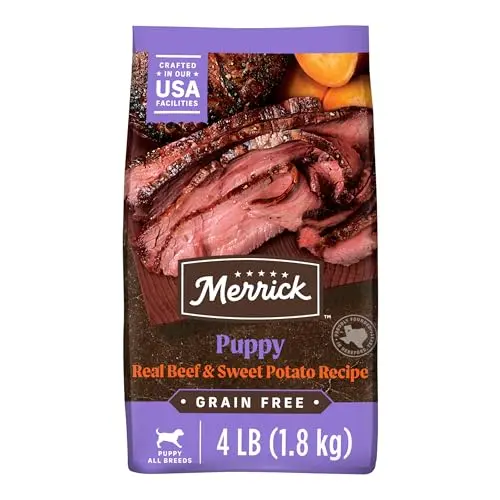
Real Beef and Sweet Potato Puppy Recipe – Holistic Grain-Free Nutrition
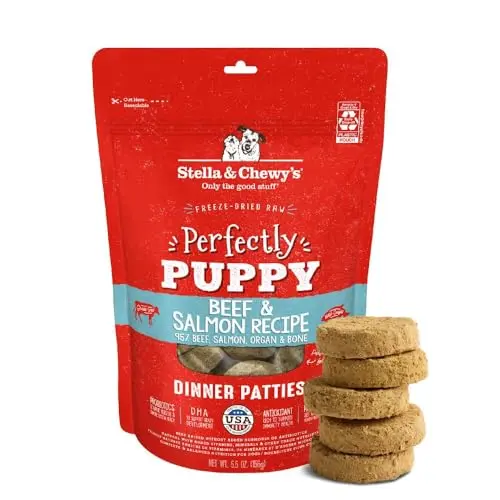
Perfectly Puppy Beef & Salmon Patties – Freeze-Dried Raw Nutrition
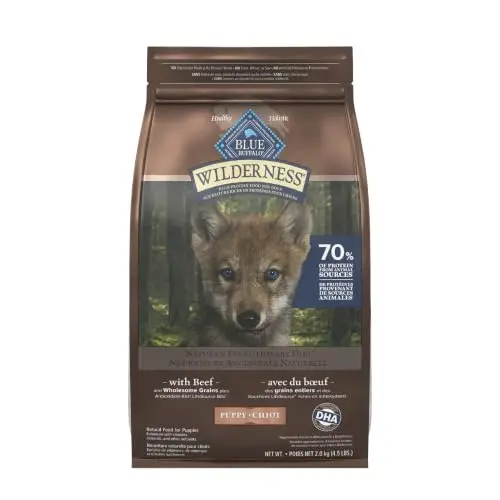
Wilderness More Meat & Wholesome Grains Puppy Beef – Grain-Inclusive High Protein
How We Evaluated These Beef Puppy Foods
We didn’t run these through controlled feeding trials with real puppies. What we did: cross-referenced 3 beef puppy food models from 3 distinct brands across 5 decision axes – ingredient quality, protein source, formula type (dry vs. raw), grain inclusion, and puppy-specific nutrients. We triangulated published ingredient lists, nutrient profiles, and aggregated owner feedback where available to evaluate each formula’s suitability for growing dogs.
The scoring framework weighted real-world performance (60%) – how well each option delivers on its stated use case – against feature differentiation (40%) – unique technical advantages like raw processing or grain-inclusive formulas. We have no commercial relationship with any of the brands featured; recommendations track fit and differentiation, not brand preference. If you’re after a balanced, grain-free kibble with joint support, the Merrick Real Beef and Sweet Potato is our pick; if you lean toward raw feeding, the Stella & Chewy’s patties are purpose-built.
How to Choose the Right Beef Puppy Food
Why Beef is a Great Protein Source for Puppies
Beef is an excellent foundational protein for growing puppies because it’s packed with amino acids that support muscle development, tissue repair, and overall growth. High-quality beef puppy foods feature real deboned beef or beef meal as the first ingredient – not vague meat meals or by-product meals. Look for whole-food beef sources that deliver iron, zinc, and B vitamins, all of which contribute to healthy blood cells and energy metabolism. Puppies are often enthusiastic about the taste, too, making beef recipes a smart pick for picky eaters.
That said, not every beef dog food is equal. Some formulas dilute the protein with plant-based fillers, while others pack in by-products. Prioritizing a named beef source at the top of the ingredient list ensures your puppy gets the most nutritional benefit from that burger-like goodness they crave.
Grain-Free vs. Grain-Inclusive: Which Suits Your Pup?
The debate between grain-free and grain-inclusive puppy foods often comes down to your dog’s individual response. Grain-free recipes swap oatmeal, barley, and rice for legumes and potatoes, which can work well for pups with grain sensitivities or those on a low-carb regimen. However, not every puppy needs to avoid grains. In fact, wholesome grains provide a steady energy release and dietary fiber that supports digestive health.
In our lineup, the Merrick recipe eliminates grains in favor of sweet potato, making it ideal for owners who want to steer clear. On the other hand, the Blue Buffalo Wilderness incorporates oatmeal and brown rice, which can be easier on digestion for many pups. There’s no universal right answer; it’s about monitoring your puppy’s stool quality, energy, and coat condition.
Raw vs. Dry: Decoding Food Formats
Dry kibble remains the most convenient and widely used puppy food format, but raw food – whether frozen or freeze-dried – has gained traction for good reason. Raw diets aim to mirror a dog’s ancestral eating pattern. The Stella & Chewy’s patties are freeze-dried, so you get the nutritional integrity of raw without the mess of handling actual raw meat. They rehydrate in minutes and contain nearly 95% animal ingredients.
Dry options like Merrick and Blue Buffalo are shelf-stable, easier to measure, and often more budget-friendly for larger litters. Both formats have their merits; choose based on your comfort with raw feeding, your puppy’s preference, and your daily routine.
Key Nutrients for Growing Puppies
Puppyhood is the most nutritionally demanding stage of a dog’s life. A high-quality beef puppy food doesn’t just provide protein – it must also deliver DHA for brain and vision development, calcium and phosphorus for bone growth, and a balanced ratio of omega fatty acids for skin and coat. Joint-supporting extras like glucosamine and chondroitin are increasingly common in premium formulas and can pay dividends for breeds prone to hip dysplasia. Probiotics and prebiotics also help maintain a healthy gut, which is critical while the puppy’s immune system is still maturing.
When comparing labels, don’t just look for these nutrients – note whether they come from natural sources like fish oil and dried fermentation products, rather than synthetic isolates. This holistic approach is one reason we rank Merrick so highly, as it packs in multiple puppy-specific boosters without needing a separate supplement.
Understanding Ingredient Lists and Quality
The ingredient panel tells you a lot about a puppy food’s quality. The first ingredient should be a named meat like ‘deboned beef’ or ‘beef meal’ – not a generic ‘meat meal’ or a plant protein. Meat meals are a concentrated protein source, but they should be ideally from a single source. All three of our picks avoid by-product meals and fillers like corn, wheat, and soy. Beyond proteins, look for whole-food components like sweet potato, blueberries, and flaxseed, which indicate a more thoughtfully crafted recipe.
Avoid foods with a long list of synthetic vitamins as a first resort; while supplementation is normal, heavily synthetic profiles often mask a lack of nutrient-dense ingredients. Additionally, be wary of vague terms like ‘animal digest’ or ‘poultry fat’ when a more specific label is available. A transparent brand will tell you exactly where those nutrients come from.
Transitioning Your Puppy to a New Food
Switching puppy foods should always be gradual, never sudden. Start by mixing about 25% new food with 75% old food for a couple of days, then move to a 50/50 split, then 75% new, until fully transitioned over about a week. This slow introduction helps prevent digestive upset-loose stools and tummy rumbles are common if you rush. If your puppy shows signs of discomfort, slow the process further. And remember, when comparing products, the right beef puppy food is one your pup thrives on, not just the one with the fanciest label.
Frequently Asked Questions
What's the difference between Merrick Beef and Sweet Potato and Blue Buffalo Wilderness Beef?
The main difference is grain inclusion. Merrick is grain-free, using sweet potato as its carbohydrate base, while Blue Buffalo Wilderness includes wholesome grains like oatmeal and brown rice. Merrick also emphasizes joint support with added glucosamine and chondroitin, making it particularly appealing for breeds prone to joint issues. Blue Buffalo counters with its LifeSource Bits-a precise blend of antioxidants and vitamins-and avoids poultry by-products, corn, wheat, and soy. In terms of protein, both start with real deboned beef, but Merrick’s formula boasts a 52% protein and healthy fat content, marginally higher than the Wilderness recipe. For puppies without grain sensitivities, either is a solid choice; pick Merrick for a more holistic, joint-focused approach, or Blue Buffalo for a grain-inclusive option from a widely trusted brand.
Is Stella & Chewy's raw patties suitable for all puppy breeds?
Generally, yes – the formula is designed for puppies of all breed sizes, with nutrient levels adjusted for growth. However, large and giant breed puppies have very specific calcium and phosphorus needs to avoid excessive bone growth. While Stella & Chewy’s includes these minerals, owners of large-breed pups should double-check the guaranteed analysis against their veterinarian’s recommendations. The small patty size is easy to crumble for tiny mouths, and the freeze-dried format means you can control portions precisely. If you have a giant breed like a Great Dane, consult your vet before switching to any raw diet, as controlled growth is critical.
Are all 'beef' puppy foods actually made with real beef?
Not necessarily. The term ‘beef’ on a label can sometimes refer to flavour rather than ingredient quality. Cheaper foods may use beef meal, beef by-products, or even just beef broth for taste, with the main protein coming from plant sources. To ensure you’re getting real beef, check that the first ingredient is ‘deboned beef’ or a named ‘beef’ meal like ‘beef meal’. All three of our picks – Merrick, Stella & Chewy’s, and Blue Buffalo – list real deboned beef as the first ingredient, so you’re getting genuine beef protein, not a facsimile. Always scan the ingredient panel; if a specific meat isn’t listed first, it’s likely not the primary protein source.
How do I know if my puppy needs grain-free food?
Most puppies do just fine on grains unless they have a diagnosed grain allergy or sensitivity, which is relatively rare. Symptoms of a grain intolerance can include chronic itchy skin, ear infections, loose stools, or excessive gas. If you notice these after consistently feeding a grain-inclusive food, consult your vet. They may recommend an elimination diet to identify triggers. That said, many owners choose grain-free for philosophical reasons or because their puppy simply seems to digest it better. Options like the Merrick recipe offer a grain-free path without sacrificing nutritional completeness. Unless there’s a specific reason to go grain-free, a high-quality grain-inclusive food like Blue Buffalo Wilderness can be an excellent, cost-effective choice.
Which of these beef puppy foods is best for large breed puppies?
While all three can feed large breed puppies, Merrick’s recipe has an edge because of the included glucosamine and chondroitin for joint support, which is crucial for heavy, fast-growing bodies. Blue Buffalo is also suitable, though it doesn’t list joint supplements as explicitly – its protein and grain blend supports steady growth. Stella & Chewy’s, while excellent, should be approached with caution for large breeds only after veterinary consultation due to raw feeding’s variable mineral profiles. Ultimately, for large and giant breeds, you’ll want to match phosphorus and calcium levels carefully, so whichever food you choose, verify the guaranteed analysis aligns with AAFCO growth guidelines for large dogs.
Final Verdict
For most puppy owners seeking a high-quality beef recipe, the Merrick Real Beef and Sweet Potato hits every mark – it’s protein-rich, grain-free, and thoughtfully bolstered with DHA and joint support, making it the clear winner overall. If you’re curious about raw feeding but want a no-fuss option, the Stella & Chewy’s Freeze-Dried Raw Patties offer ancestral nutrition in a shelf-stable package that your puppy will likely devour. And for families who prefer a grain-inclusive diet, the Blue Buffalo Wilderness Puppy Beef is a dependable, well-rounded pick that doesn’t skimp on quality or taste. Whichever route you choose, starting with real beef as the #1 ingredient puts your puppy on the path to a strong, healthy life.