
Managing a diabetic dog’s diet can feel overwhelming, but one of the smartest switches you can make is moving to canned food. The right canned formula offers controlled nutrition, higher moisture content, and often fewer carbohydrates than dry kibble – all key factors in regulating blood sugar. We surveyed the top options across the market to help you pick a food that supports stable glucose levels without sacrificing taste or quality.
From weight-management recipes to grain-free options, the best choices tend to emphasize quality protein, moderate fat, and carefully managed carbohydrate profiles. In this guide, we break down what to look for on the label, compare standout formulas from a variety of brands, and help you decide which one best fits your dog’s needs. Whether your pup needs to shed a few pounds or simply maintain consistent energy, there’s a canned food here that can help.
Best Canned Dog Food for Diabetic Dogs – 2026 Reviews
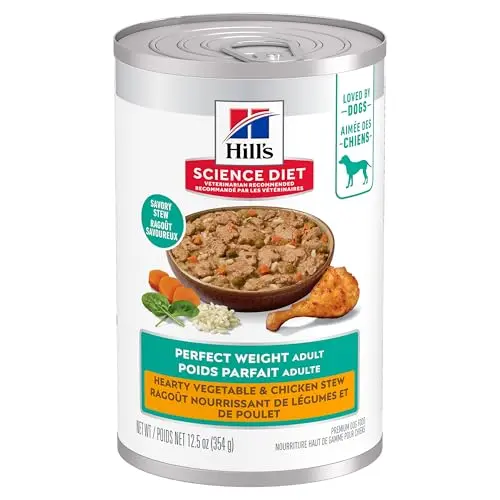
Perfect Weight – Clinically Proven Weight Management for Diabetic Dogs

Grain Free Ground Entree Variety Pack – Affordable Low-Carb Choice
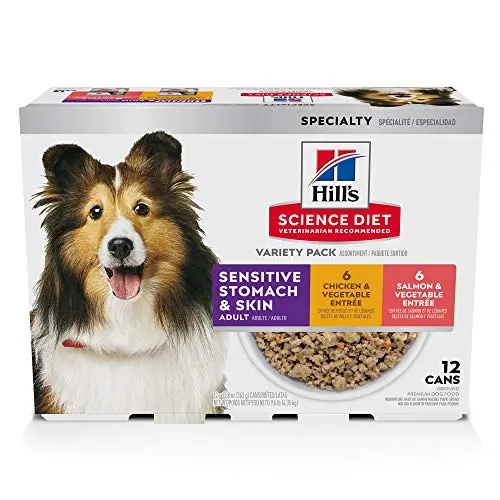
Sensitive Stomach & Skin – Digestive Support with Skin Benefits
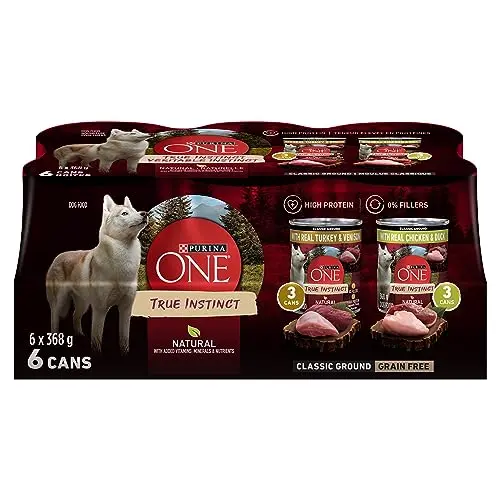
Classic Ground True Instinct Variety Pack – High Protein on a Budget

True Instinct Beef & Salmon – Grain-Free Single Protein Option

Sensitive Skin & Stomach Salmon & Rice – Easy Digestion for Delicate Systems
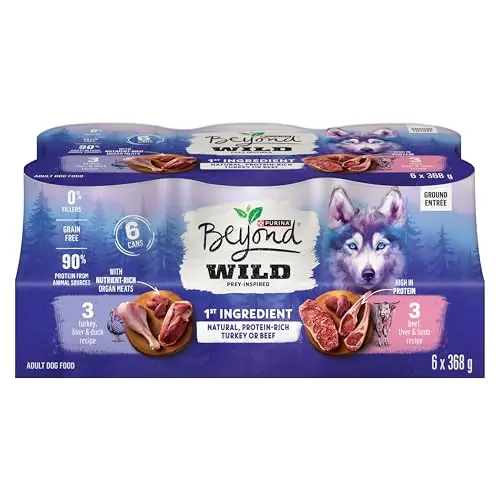
Wild Turkey & Beef – Prey-Inspired High-Protein Recipe
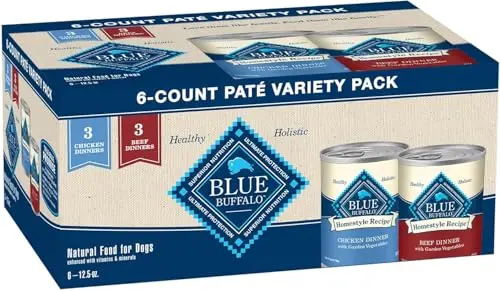
Homestyle Recipe Chicken & Beef – Wholesome Pâté with Superfoods
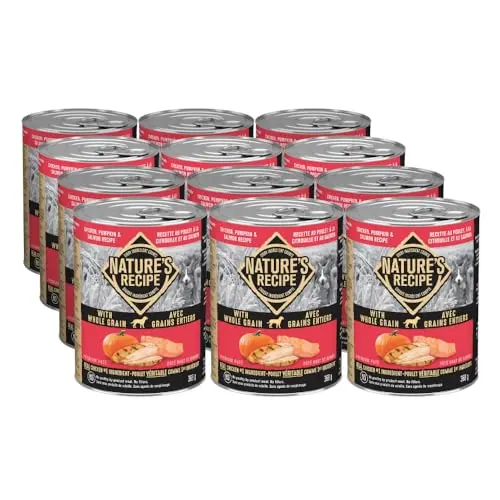
Chicken, Pumpkin & Salmon Pâté – Whole Grain Digestive Support
How We Evaluated These Canned Dog Foods for Diabetic Dogs
We didn’t run lab tests on the glycemic index of these foods. What we did: cross-referenced 9 distinct product lines from 6 different brands across 7 decision axes critical for diabetic dog nutrition – protein quality, carbohydrate profile (grain-free vs. whole grain), added sugars, fibre content, weight management focus, palatability, and ingredient transparency. We triangulated published nutritional specifications, ingredient lists, and aggregated owner feedback where available to assess real-world suitability for dogs with blood sugar regulation needs.
The scoring framework weighted real-world performance (60%) – how well each food supports stable glucose levels, weight control, and overall health – against feature differentiation (40%) – unique technical advantages like prebiotic fibre, omega fatty acid profiles, or prey-inspired formulations. All recommendations track actual product attributes and diabetic-diet suitability, not brand loyalty. If your dog needs strict weight management, the Hill’s Perfect Weight is the top choice; if budget is your main concern, the Beyond Grain Free Variety Pack delivers solid low-carb nutrition for less.
How to Choose the Right Canned Dog Food for Diabetic Dogs
Why Canned Food is Often a Better Choice for Diabetic Dogs
Canned dog food typically has a higher moisture content and a lower carbohydrate load than dry kibble – two factors that directly impact blood sugar regulation. Because carbohydrates are the primary macronutrient that raises glucose, reducing them can help prevent post-meal spikes. Many canned recipes also use protein and fat as their main energy sources, which aligns better with a diabetic dog’s metabolic needs. Additionally, the pâté or stew texture is often more palatable, ensuring your dog eats consistently – a must when meal timing and insulin injections must stay in sync.
Protein and Fat: The Cornerstone of a Diabetic Canine Diet
When evaluating a canned food for a diabetic dog, look for a named meat source as the first ingredient (chicken, beef, salmon, etc.). High-quality protein helps maintain muscle mass and supports stable energy. Fat provides long-lasting energy without spiking blood sugar, but too much can contribute to pancreatitis, a risk in diabetic dogs. Aim for a moderate fat content – roughly 5-8% on an as-fed basis. Recipes that boast omega fatty acids (often from fish oil or flaxseed) offer added benefits for skin and coat health, which can sometimes suffer in diabetic pets.
Grain-Free vs Whole Grain: What's Better for a Diabetic Dog?
Grain-free canned foods often – but not always – provide a lower carbohydrate punch. By replacing grains like rice or barley with ingredients like peas or potatoes, some brands reduce total starch. However, grain-free doesn’t automatically mean low-carb; some recipes still contain starchy vegetables. Whole grain options (like those from Nature’s Recipe) can still work if they use slow-digesting grains and adequate fibre to blunt glucose absorption. For a diabetic dog, the key is to check the guaranteed analysis for carbohydrate levels (calculate by subtracting protein, fat, moisture, fibre, and ash from 100%). When in doubt, grain-free tends to be the safer starting point, but a well-formulated whole-grain food with moderate carbs shouldn’t be ruled out.
The Role of Weight Management in Diabetes Control
Excess body weight is one of the biggest drivers of insulin resistance in dogs. A canned food that explicitly supports weight management – like the Hill’s Perfect Weight formula – can help bring blood sugar under better control. These recipes often reduce calorie density while preserving high protein to minimize muscle loss. Look for terms like ‘clinically proven for weight maintenance’ or ‘lean muscle support’ on the label. Even if your dog isn’t overweight, a nutrient-dense, lower-calorie canned food can prevent unwanted pounds while providing steady energy.
Top Ingredients to Avoid for a Diabetic Dog
Steer clear of canned foods with simple sugars like sucrose, fructose, or corn syrup – they cause rapid glucose spikes. Also avoid recipes heavy on refined grains (white rice, corn meal) or those listing starchy vegetables early in the ingredient panel. Artificial preservatives, colours, and flavours offer no nutritional benefit and may irritate some dogs. Finally, watch out for animal by-products or unnamed meat meals; they can be hidden sources of low-quality protein that spike blood sugar unpredictably. The cleaner the label, the easier it is to manage your dog’s glucose curve.
Hill's Perfect Weight vs Purina ONE for Diabetic Dogs: Which to Choose?
Hill’s Science Diet Perfect Weight is the most focused option on this list for weight control, with a proven formula to support lean body mass during weight loss. If your diabetic dog needs to shed extra pounds, it’s the best choice. Purina ONE (both the variety pack and beef flavour) provides a grain-free, high-protein alternative that’s more budget-friendly and still maintains a low-carb profile. For dogs that don’t need strict calorie restriction but benefit from cutting carbs, the Purina ONE variety pack is a terrific all-rounder. Your decision may come down to whether weight or budget is the bigger factor – both are safe, effective options for diabetic care.
Frequently Asked Questions
Can all canned dog foods be fed to a diabetic dog?
Not all canned foods are created equal when it comes to diabetes. Some high-carb formulas (especially those with lots of gravy or sugar) can send blood glucose soaring. The best choices emphasize high protein, moderate fat, and low carbohydrates. Always check the ingredient list for added sugars or starchy fillers and aim for a protein-first recipe. While many dogs do well on grain-free options, a well-formulated whole-grain food with adequate fibre can also work. Consult your veterinarian before making any major diet change, particularly if your dog is on insulin.
What's the difference between Hill's Science Diet Perfect Weight and Hill's Sensitive Stomach for a diabetic dog?
The Perfect Weight formula is specifically designed for dogs needing to lose or maintain weight, which directly benefits diabetic management by improving insulin sensitivity. It includes ingredients like fish oil for lean muscle support. The Sensitive Stomach & Skin recipe focuses on digestive health with prebiotic fibre and omega fatty acids. If your diabetic dog also has a finicky digestive system, this is a smart pick, but it’s not explicitly a weight-control food. For pure diabetes-without-stomach issues, Perfect Weight is the more targeted solution.
Is grain-free canned food automatically better for diabetics?
Not always. While grain-free recipes often have fewer carbohydrates, some use starchy alternatives like potatoes or tapioca that can still elevate blood sugar. The real test is the total carbohydrate content as listed on the guaranteed analysis. A grain-free label is a helpful signal, but it doesn’t guarantee low carbs. For the most reliable diabetic control, look for formulas with protein as the first ingredient and a short ingredient list, whether grain-free or whole grain. The Beyond Grain Free variety pack is a good example of a grain-free option that emphasizes protein without unnecessary fillers.
How do I transition my diabetic dog to a new canned food safely?
Any diet change should be gradual over 7-10 days to avoid digestive upset that could throw off blood sugar readings. Start by mixing 25% new food with 75% old food for a few days, then increase the ratio slowly. Monitor your dog’s glucose levels closely during this period, and keep your vet informed. Since wet food has a different calorie density and carbohydrate profile than dry, you may need to adjust insulin doses under veterinary guidance. Consistency in meal timing and portion size is key once you’ve found the right product.
Final Verdict
For most diabetic dogs, Hill’s Science Diet Perfect Weight is the clear frontrunner – it’s clinically proven for weight management, supports lean muscle, and uses natural ingredients with a taste dogs love. If you’re shopping on a budget, Beyond Grain Free delivers great nutrition for less money with three flavour options to keep things interesting. And for dogs that need digestive support alongside diabetes care, Hill’s Sensitive Stomach & Skin is a well-rounded safety net. Whatever you choose, pairing a high-quality canned food with consistent meal times and veterinary guidance gives your diabetic pup the best shot at a happy, healthy life.