
There’s nothing quite like the eager tail-wagging when you crack open a fresh can of puppy food. But behind that excitement, you’re making a foundational choice that shapes your pup’s growth, energy, and long‑term health. Canned food for puppies isn’t just about convenience – it’s about delivering the right balance of moisture, protein, and key nutrients in a format that’s easy for tiny teeth to handle and deeply appealing to developing palates.
In this buyer’s guide, we cut through the clutter to compare 10 standout formulas across 8 respected brands – from established favorites like Purina Pro Plan and Hill’s Science Diet to premium newcomers like Open Farm. We focused on nutritional completeness, ingredient quality, and real‑world digestibility because a puppy’s digestive system is still learning the ropes, and what works for one breed or size might not suit another. Whether you’re looking for a budget‑friendly staple or a grain‑free recipe for a sensitive stomach, this roundup will help you land on the right can.
Best Canned Dog Food for Puppies – 2026 Reviews
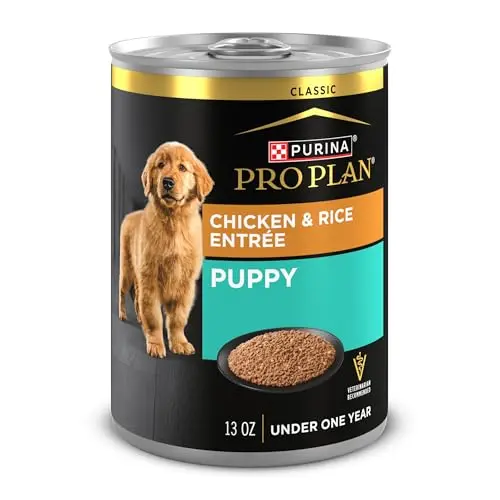
Chicken & Rice Entree Classic – Balanced Nutrition for Growing Puppies
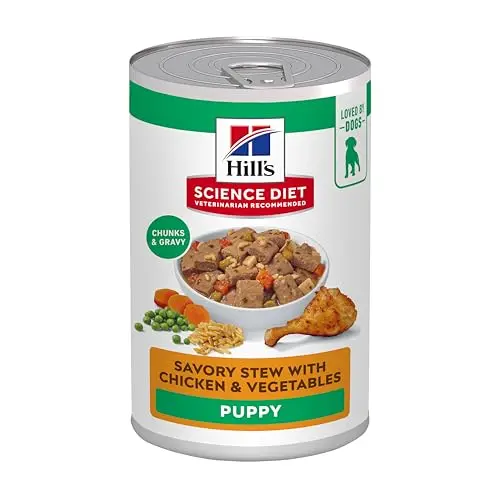
Savory Stew with Chicken & Vegetables – Vet‑Trusted Growth Formula
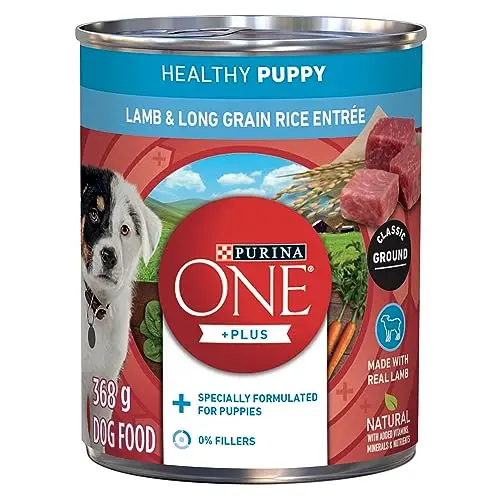
Lamb & Long Grain Rice Entree – Wholesome Lamb Formula for Growth
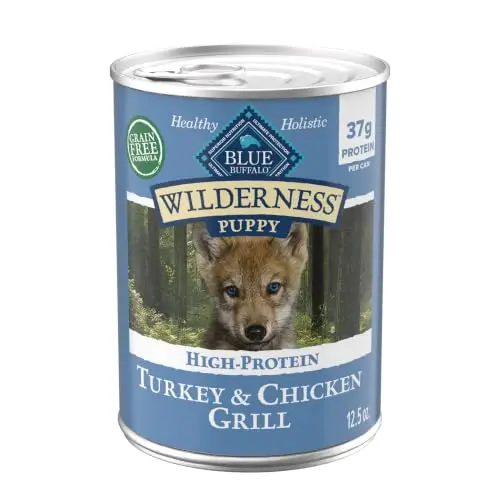
Turkey & Chicken Grill – High‑Protein Grain‑Free Puppy Pâté
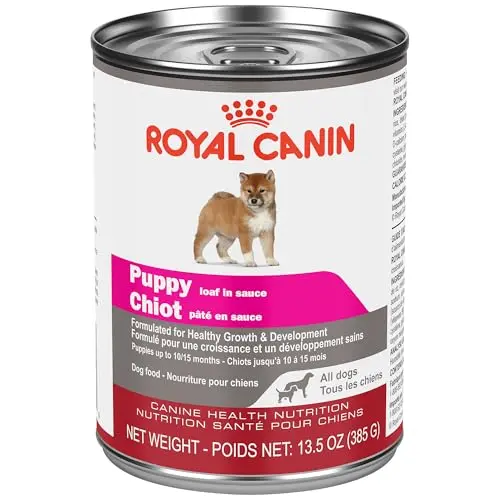
Puppy Loaf in Sauce (13.5 oz) – Tailored for Medium & Large Breeds
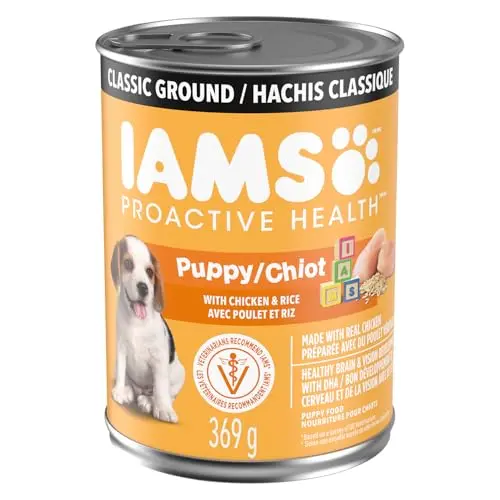
Chicken & Rice Classic Ground – Affordable Complete Nutrition
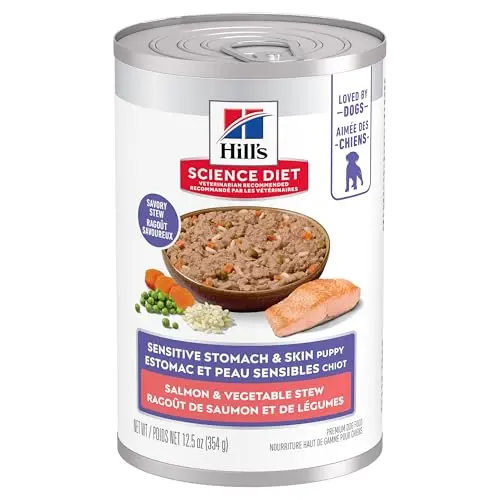
Sensitive Stomach & Skin Salmon & Vegetable Stew – Gentle Digestion Support
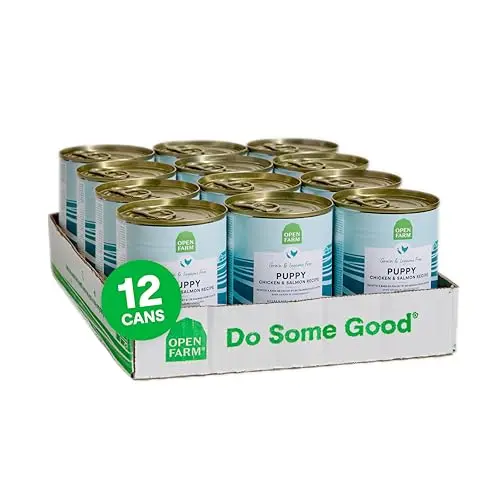
Chicken & Salmon Recipe – Ethically Sourced, Grain‑Free Pâté
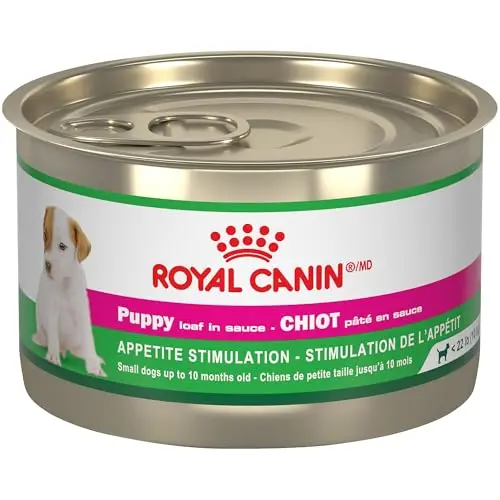
Puppy Loaf in Sauce (5.2 oz) – Sized for Small Breed Puppies
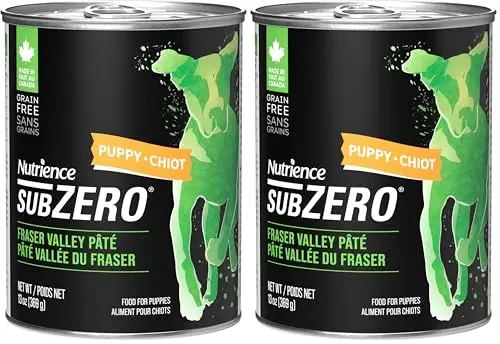
Subzero Fraser Valley – Limited‑Batch Canadian Grain‑Free
How We Evaluated These Canned Dog Food for Puppies
We didn’t run a kennel or conduct long‑term feeding trials on litters. What we did: cross‑referenced 10 puppy canned food formulas from 8 distinct brands across six decision axes – nutritional completeness, ingredient quality, digestive support, breed‑size suitability, palatability signals, and value. We triangulated published specifications, ingredient lists, additive policies, and owner feedback where available to map each product to real‑world puppy‑rearing scenarios.
The scoring framework weighted real‑world performance (60%) – how well a formula meets the biological demands of a growing puppy – against feature differentiation (40%) – unique advantages like grain‑free recipes, added DHA, or breed‑specific tailoring. We have no commercial relationship with any of the featured brands; recommendations track fit and differentiation, not brand preference. If you’re feeding a typical, healthy puppy, the Pro Plan Chicken & Rice is the confident starting point; if your pup has a touchy stomach, the Hill’s Sensitive Stomach stew was purpose‑built for that need.
How to Choose the Right Canned Dog Food for Puppies
Nutritional Completeness: The Non‑Negotiable for Puppies
Puppies aren’t just small adult dogs – they’re building bone density, brain pathways, and a lifetime of health in a compressed window. Always look for a statement on the label that the food meets the AAFCO nutrient profile for growth or all life stages. Beyond that, prioritise DHA, an omega‑3 fatty acid critical for cognitive and vision development. DHA naturally occurs in mother’s milk, so its presence in puppy food mimics that early advantage.
Also check for a balanced calcium‑phosphorus ratio to support proper skeletal growth without risking developmental orthopedic disease, especially in large breeds. A complete formula will typically list antioxidants like vitamins C and E to bolster the immature immune system. The Pro Plan Chicken & Rice, for example, ticks all these boxes with a clean ingredient panel, making it our top recommendation for healthy, typical puppies.
Ingredient Quality: What's Inside the Can Matters
Canned puppy foods vary widely in their protein sources and filler usage. Start by looking for a named animal protein – chicken, lamb, salmon, or turkey – as the first ingredient, not a by‑product meal. Brands like Blue Buffalo and Open Farm go a step further by omitting corn, wheat, and soy, which can be common allergens or simply offer less nutritional punch than whole meats and grains.
If your puppy has shown signs of food sensitivities, consider a limited‑ingredient formula or a novel protein like lamb or salmon. The Hill’s Sensitive Stomach stew uses salmon and prebiotic fibre specifically for digestive comfort. Equally important is what’s left out: avoid artificial colours, flavours, and preservatives – all of which are absent from every option in this roundup. The IAMS budget pick proves you can get a clean, straightforward ingredient deck without spending a premium.
Texture and Palatability: Pâté vs. Stew vs. Chunks
The physical form of the food can make or break mealtime for a young pup. Pâté – smooth and easy to lap up – works well for the youngest puppies or those used to nursing. It’s also easy to mix with dry kibble. Stews like the Hill’s Chicken & Vegetable provide a chunkier experience that can encourage chewing and slow down fast eaters. However, as customer feedback notes, those chunks may be too large for toy breeds; a quick mash with a fork solves that.
Some brands, like Open Farm, offer a velvety pâté that’s a hit even with picky eaters. If you’re trying a new texture, buy a small pack first – like the Nutrience 2‑pack – to gauge your puppy’s reaction before committing to a case. Remember, a food can be nutritionally perfect, but if your puppy won’t eat it, it’s not the right choice.
Breed Size Matters: Tailoring Nutrition to Growth Rates
Small‑breed puppies and large‑breed puppies grow on different timelines and have distinct nutritional needs. Small breeds reach adult weight quickly and need a concentrated energy source in smaller portions. Royal Canin’s small‑breed formula, with its 5.2‑ounce cans, is precisely calibrated for that purpose, avoiding overfeeding.
Large and giant breeds, on the other hand, benefit from a controlled growth rate to prevent joint stress. Their food should have a specific calcium and energy level to support steady, not rapid, development. The Royal Canin medium/large breed loaf is formulated with this in mind, extending support up to 15 months. If you have a mixed‑breed pup or are unsure, a general‑purpose formula like Purina ONE Lamb works, but breed‑specific options take the guesswork out of the equation.
Grain‑Free vs. Grain‑Inclusive: Separating Fact from Trend
The grain‑free movement in dog food has gained traction, but it’s not automatically better for every puppy. Whole grains like brown rice and oats can provide digestible energy and fibre that support gut health. Many puppies thrive on grain‑inclusive diets like Pro Plan’s Chicken & Rice or IAMS’s classic recipe.
However, some puppies exhibit sensitivities to grains or simply do better on a grain‑free plan. Blue Buffalo Wilderness and Open Farm offer well‑formulated grain‑free alternatives with high‑quality protein and vegetable‑based carbohydrate sources. If you’re considering grain‑free, consult your vet, especially given the ongoing research into diet‑associated heart issues in certain breeds. For most puppies, a high‑quality grain‑inclusive diet is perfectly appropriate.
Pro Plan vs. Hill's Science Diet: How to Decide
These two industry stalwarts often anchor the top of puppy food lists. Pro Plan’s Chicken & Rice Entree is a pâté‑style, chicken‑forward formula with a strong emphasis on brain development and muscle growth. It’s exceptionally well‑reviewed across thousands of owners and works for all breed sizes.
Hill’s Science Diet Chicken & Vegetable Stew, meanwhile, offers a stew texture and carries the weight of being the #1 veterinarian‑recommended brand in Canada. Its mineral balance is tailored for bone health, and many owners report excellent palatability. If your puppy prefers a chunky texture, Hill’s is the way to go; if you want a smooth pâté with a slight edge in immunity support, Pro Plan takes it. Both are excellent; your puppy’s preference may be the tie‑breaker.
Frequently Asked Questions
How much canned food should I feed my puppy?
The amount depends on your puppy’s age, breed size, and activity level. Most cans provide a feeding guide based on weight; start there and adjust according to body condition – you should be able to feel but not see the ribs. For tiny breeds, small cans like Royal Canin’s 5.2‑ounce portion are helpful to prevent over‑feeding. Always split the daily amount into three to four meals for young puppies, gradually reducing frequency as they grow. Remember, canned food is about 70‑80% moisture, so they’ll need less by volume than dry food – and they’ll likely drink less water, too.
Can I mix canned and dry puppy food?
Absolutely – many owners do this to combine the dental benefits of kibble with the moisture and palatability of wet food. Start with a ratio like 75% dry to 25% wet and adjust based on your puppy’s preference and digestion. Brands like Blue Buffalo Wilderness and Royal Canin are formulated to be fed alone or mixed. Just be mindful of the total calorie count to prevent overfeeding; reduce the dry portion when adding wet food. This approach can also help transition a picky eater to a new diet.
What's the difference between the Royal Canin small breed and medium/large breed formulas?
Royal Canin tailors both formulas to breed size, but they diverge in nutrient density and can size. The small breed version (5.2‑ounce cans) has a higher calorie density per bite because small puppies have faster metabolisms and smaller stomachs. The medium/large breed version (13.5‑ounce cans) is calibrated for controlled growth – slightly lower energy density to prevent rapid weight gain that could strain developing joints. Both include antioxidants and highly digestible proteins, but the small breed formula is targeted up to 10 months, while the medium/large extends to 15 months. Choose the one that matches your puppy’s projected adult size.
Is grain‑free canned puppy food better for my pup?
Not necessarily. Grain‑free diets are not inherently superior for most puppies. Whole grains provide valuable nutrients and fibre; the benefit of grain‑free comes when a puppy has a confirmed grain sensitivity or allergy. Options like Open Farm and Blue Buffalo Wilderness avoid grains and legumes, using potato or vegetable starches instead. However, the FDA has noted a potential link between grain‑free diets and dilated cardiomyopathy (DCM) in dogs, though the science is still evolving. If you’re considering grain‑free, have a conversation with your vet, and monitor for any cardiac symptoms. For most healthy puppies, a grain‑inclusive formula like Pro Plan or Hill’s is a safe, research‑backed choice.
How long can an opened can of puppy food stay in the fridge?
Opened canned puppy food should be treated like any perishable fresh food. Cover the can with a plastic lid or wrap and refrigerate immediately. It stays fresh for up to three days. For small breeds where a can might last multiple meals, the Royal Canin 5.2‑ounce cans are a practical size to use within a day or two. Discard any uneaten food that has been in the bowl for more than an hour, especially in warm weather. To avoid waste, you can also freeze portions in sealed containers.
Final Verdict
For the overwhelming majority of puppies, the Purina Pro Plan Chicken & Rice Pâté is the complete package – thoughtful nutrition, proven results, and a recipe that puppies devour happily. If you’re working with a tighter budget, the IAMS Chicken & Rice covers all the essential bases without the frills. Puppies with digestive sensitivities need the targeted relief of Hill’s Sensitive Stomach stew. And if you’re ready to invest in ethically sourced, transparent nutrition, our Editor’s Pick Open Farm Chicken & Salmon is a wonderful way to feed both your pup and your values. Whichever you choose, you’re giving your puppy a head start that matters.