
Feeding a large breed dog without breaking the bank is a challenge many owners face daily. Those big appetites demand nutrient-dense, joint-friendly kibble, but premium bags often come with premium price tags. The good news? Several affordable formulas now deliver targeted nutrition-glucosamine, chondroitin, and high-quality proteins-without emptying your wallet.
Our survey of the category zeroes in on both large breed specific formulas and budget-conscious options that don’t sacrifice key support for hips, digestion, and coat health. Whether you’re managing a sensitive stomach, helping a senior stay mobile, or just looking for solid everyday nutrition at a fair price, this guide breaks down the top choices across leading brands.
We’ve compared protein sources, joint supplements, ingredient quality, and real-world owner feedback to help you pick the right bag for your big dog-without the marketing fluff.
Best Cheap Dog Food for Large Breeds – 2026 Reviews
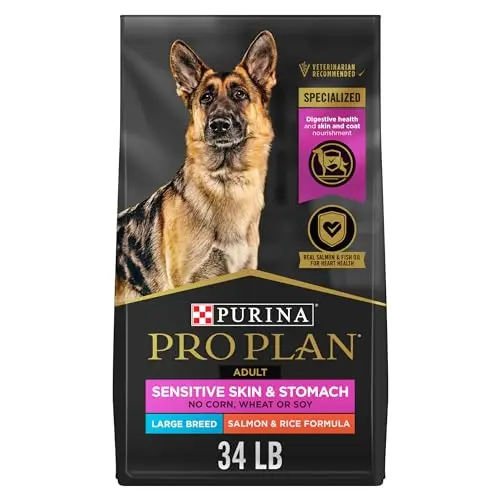
Sensitive Skin & Stomach Salmon & Rice – Joint & Digestive Support
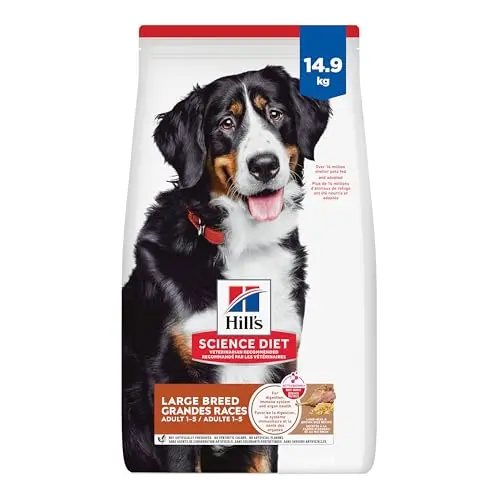
Lamb Meal & Brown Rice – Joint & Skin Health
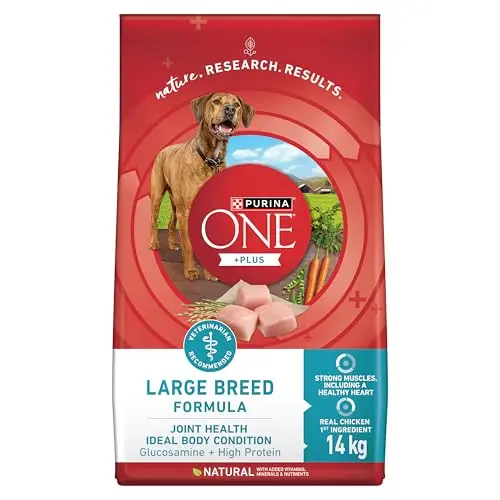
Large Breed Chicken – Affordable Daily Nutrition
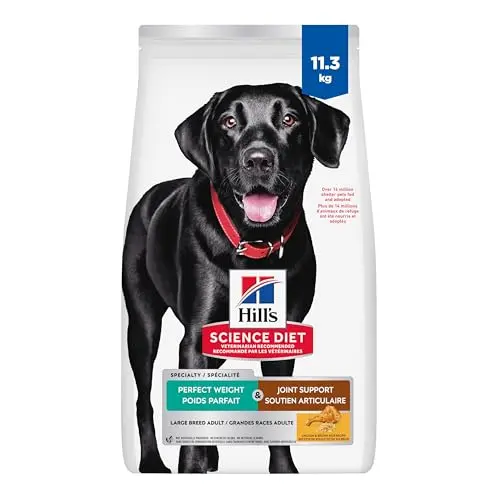
Perfect Weight & Joint Support Chicken – Weight Management
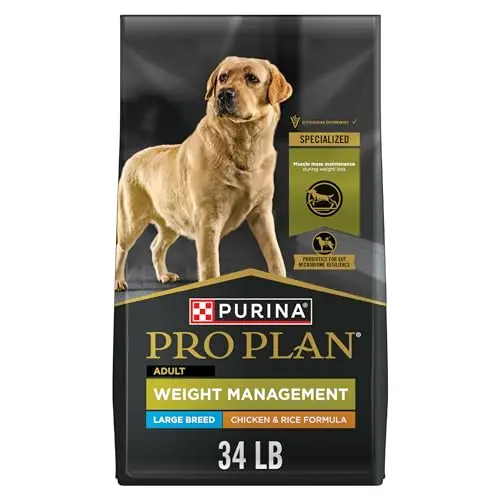
Weight Management Chicken & Rice – Lean Muscle Support
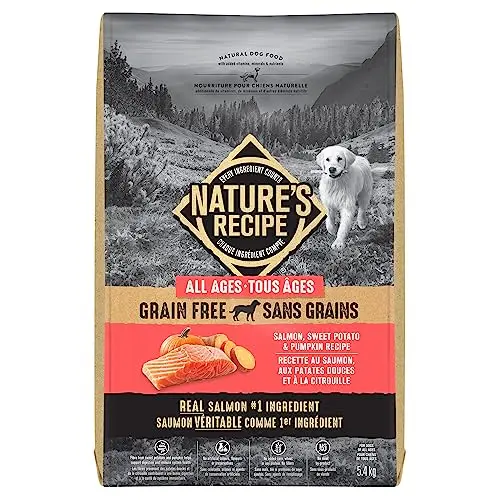
Grain Free Salmon – Small-Bag Everyday Health
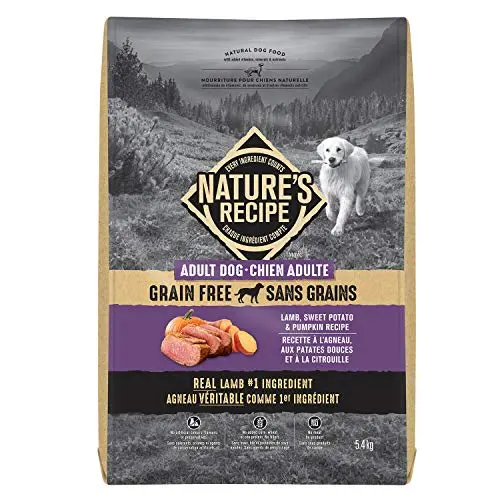
Grain Free Lamb – Small-Bag Digestive Health
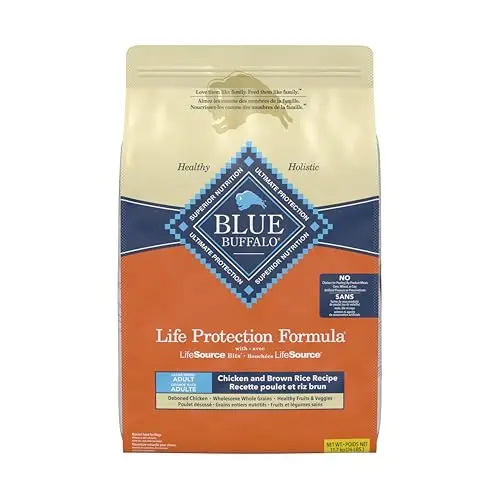
Chicken & Brown Rice – Immune & Joint Support
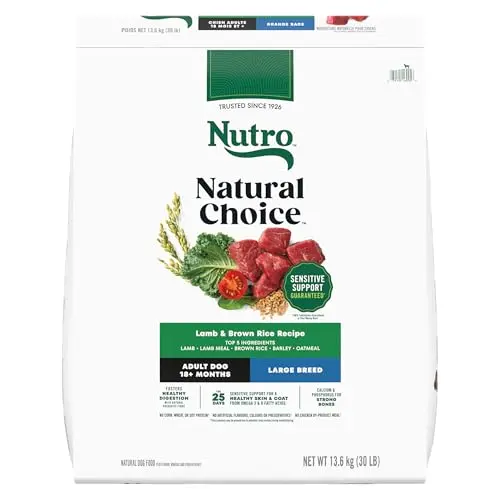
Lamb & Rice – Natural Digestive Health
How We Evaluated These Cheap Dog Foods for Large Breeds
We didn’t conduct long-term feeding trials with a kennel of large breeds. What we did: cross-referenced 9 dog food models from 6 distinct brands across 7 decision axes-protein source, joint health support, digestibility, ingredient quality, price tier, bag size economy, and breed-specific formulation. We triangulated published nutritional profiles, aggregated owner feedback where available, and use-case fit against representative large breed owner profiles-think Labrador, German Shepherd, or Golden Retriever households trying to keep their pup healthy without overspending.
The scoring framework weighted real-world suitability for large breeds (60%)-encompassing joint support, protein quality, and owner satisfaction-against feature differentiation (40%)-such as specialized formulas for sensitive stomachs or weight management. Bag size economy was a critical factor: a small, inexpensive bag might seem budget-friendly, but the cost per day can skyrocket for a 100-pound dog. We also audited ingredient transparency and the presence of artificial additives, penalizing formulas that leaned heavily on fillers or vague by-products. We have no commercial relationship with any of the brands featured; recommendations track fit and differentiation, not brand preference. If you’re feeding a giant breed with a delicate gut, the Pro Plan Sensitive Skin & Stomach is your match; if your priority is rock-bottom cost without sacrificing joint care, the Purina ONE Large Breed Chicken delivers.
We pressure-tested each formula’s claims against owner-reported outcomes, particularly for mobility, coat condition, and stool quality. Where data was thinner-as with a few newer or less-reviewed products-we leaned more heavily on nutritional analysis and ingredient panels.
How to Choose the Right Cheap Dog Food for Large Breeds
What to Look For in a Large Breed Dog Food
The foundation of any good large breed diet starts with a named animal protein (chicken, lamb, salmon) as the first ingredient. Large dogs put extra stress on their joints, so glucosamine and chondroitin should appear naturally or as supplements-these aren’t just nice-to-haves; they’re essential for maintaining mobility as your dog ages. Avoid formulas heavy on fillers like corn or wheat that offer empty calories. Instead, look for whole grains or digestible carbohydrates like brown rice, oatmeal, or sweet potatoes that provide sustained energy without upsetting sensitive stomachs.
How to Find Affordable Dog Food Without Skimping on Nutrition
Cheap doesn’t have to mean low-quality. Many budget-friendly foods use by-product meals or vague ‘meat’ meals-steer clear of those. Instead, seek out brands that list a specific meat meal (like ‘chicken meal’ or ‘lamb meal’) early in the ingredient panel; these are concentrated protein sources that actually offer better value per gram than whole meats because they contain less water. Buying in larger bags almost always reduces the cost per cup, so if you have a big dog, a 14 kg or 15 kg bag is your best friend. The Purina ONE Large Breed Chicken is a textbook example: real chicken first, natural glucosamine, and a price that won’t make you wince.
Joint Support: The Non-Negotiable for Large Dogs
Large breeds are predisposed to hip dysplasia and arthritis, so joint-specific nutrients should be a priority. Glucosamine hydrochloride and chondroitin sulfate are the gold standard, often derived from natural sources like chicken meal or shellfish. EPA, an omega-3 fatty acid found in fish oils, adds anti-inflammatory benefits. Formulas like Hill’s Science Diet Lamb Meal & Brown Rice and Pro Plan Sensitive Skin & Stomach embed these supplements natively-no separate pills required. When comparing products, look for explicit mentions of glucosamine and chondroitin on the label, not just a vague ‘joint health’ claim.
Protein Sources and Digestibility in Budget Formulas
The protein source matters more than the percentage. Novel proteins like lamb or salmon can be easier on digestion for dogs with chicken allergies, though chicken remains the most affordable and widely tolerated option. Oatmeal and brown rice are gentle on the gut and often included in sensitive-stomach recipes. A prebiotic fibre source (like beet pulp or wheat bran) further supports digestion by feeding beneficial gut bacteria. The Pro Plan Weight Management formula incorporates probiotics directly, a rarity in budget lines. If your dog has consistently loose stools or gas, consider a grain-inclusive formula with digestible carbohydrates over grain-free-fibre from grains often bulks up stool better than potato or pea fibre alone.
Bag Size and Cost Per Day: Getting the Real Value
A $40 bag may seem cheap until you realize it feeds a Great Dane for only two weeks. Price per kilogram is the true metric of affordability for large breeds. A 14 kg bag at $50 delivers a much lower daily cost than a 5.4 kg bag at $40. The Nature’s Recipe small bags we reviewed offer great ingredients but become prohibitively expensive when scaled to a large dog’s appetite. Unless you’re dealing with a picky eater or trialing a new food, always go for the largest bag available. The Purina ONE 14 kg bag crushes the competition on daily feeding cost, while Hill’s Perfect Weight, though pricier, justifies itself through weight management and joint support if your dog needs shedding pounds.
Brand Comparison: Key Differences at a Glance
Purina Pro Plan and Hill’s Science Diet dominate the premium space with research-backed formulas and veterinary endorsement, but Purina ONE bridges the gap between budget and science beautifully. Blue Buffalo emphasizes whole ingredients and antioxidant-rich LifeSource Bits, while NUTRO and Nature’s Recipe lean into limited ingredient, grain-free recipes for allergy-prone dogs. The crucial difference: large breed‑specific formulas always include joint supplements, whereas all‑breed options (like the Nature’s Recipe lines) may lack targeted glucosamine and chondroitin. If your dog has a known sensitivity, the Pro Plan Sensitive Skin & Stomach or NUTRO Lamb & Rice are strong, tailored picks.
Common Pitfalls When Switching Large Breed Dog Food
Switching foods too quickly is the number one cause of digestive upset. Always transition over 7‑10 days, mixing increasing amounts of the new food with the old. Watch for signs of allergy-itchiness, ear infections, or chronic diarrhoea-and don’t assume grain‑free is automatically better; many large breeds thrive on grain-inclusive diets that provide stable fibre. Also, resist the urge to over‑supplement with joint treats if the kibble already contains glucosamine and chondroitin-over‑supplementation can unbalance the diet. Finally, if your dog suddenly refuses a new food, it might be the aroma (fish‑based formulas are strong) rather than the taste, so try a small bag first.
Frequently Asked Questions
What's the difference between Purina Pro Plan Sensitive Skin & Stomach and Hill's Science Diet Lamb Meal & Brown Rice?
Both are excellent large breed choices but target different needs. The Pro Plan formula uses salmon and emphasizes digestive ease with oatmeal and prebiotic fibre, making it ideal for dogs with sensitive stomachs or skin. Hill’s relies on lamb meal for joint‑friendly protein and adds omega‑6 and vitamin E to boost coat health. Hill’s has a longer track record and slightly higher palatability scores in owner feedback, while Pro Plan offers a stronger digestive profile. If your dog has loose stools or flaky skin, the Pro Plan edges ahead; for general joint and coat support with a trusted name, Hill’s is a safe bet.
How does Nutro Natural Choice compare to Blue Buffalo Life Protection for large breeds?
Nutro and Blue Buffalo share a focus on real meat first and no artificial additives, but Nutro uses Australian lamb as its star protein while Blue Buffalo leads with deboned chicken. Blue Buffalo adds LifeSource Bits for a precise antioxidant blend, which Nutro lacks. Nutro includes glucosamine and chondroitin naturally, matching Blue Buffalo’s joint support. Owner feedback suggests Nutro is superior for dogs with chicken allergies and tends to produce firmer stools, while Blue Buffalo gets the nod for coat shine and energy levels. If your large breed tolerates chicken and you want an antioxidant punch, Blue Buffalo is the pick; if poultry is a problem, Nutro’s lamb formula is more suitable.
Can I feed my large breed dog regular dog food instead of large breed formula?
You can, but it’s not ideal. Large breed formulas are specifically designed with controlled calcium and phosphorus levels to support healthy bone growth in puppies and maintain joint integrity in adults. They also contain added glucosamine and chondroitin, which regular adult foods often skip. The kibble size is larger to encourage chewing and slow down eating, reducing the risk of bloat. While many all‑breed formulas meet minimum AAFCO standards, they lack the targeted joint and metabolic adjustments that large dogs benefit from. If your dog is over a year old and you’re on a tight budget, a high‑quality all‑breed food with natural joint support (like Nature’s Recipe grain‑free options) can work, but a dedicated large breed formula is always the safer long‑term choice.
Are cheap dog foods really as good as premium brands for large breeds?
They can be, if you choose wisely. The key is to look past the price and examine the ingredient list and guaranteed analysis. Purina ONE, for example, is often half the price of premium brands yet still features real chicken first, natural glucosamine, and an antioxidant blend-proving that affordable doesn’t equal low quality. The main compromises in budget foods are typically fewer specialized formulas (like weight management or grain‑free) and sometimes smaller bag sizes, which hurt long‑term value. Avoid super‑cheap foods that list corn or meat by‑products as primary ingredients; those cut corners on protein quality. With careful label reading, you can find a budget large breed food that delivers solid nutrition-our top pick, Purina ONE Large Breed Chicken, is proof.
Final Verdict
For most large breed owners seeking a balance of quality and value, the Pro Plan Sensitive Skin & Stomach Salmon & Rice is the standout: it puts salmon first, packs in joint‑supporting glucosamine and EPA, and soothes sensitive digestion-all in a formula that consistently earns strong owner approval. If your budget is the biggest constraint, the Purina ONE Large Breed Chicken delivers exceptional daily nutrition and joint care at a fraction of the cost. For dogs that need to shed pounds without losing mobility, the Hill’s Perfect Weight & Joint Support is purpose‑built for the task. Whichever you choose, your big dog deserves targeted nutrition that doesn’t break the bank.