
Watching your senior dog enjoy a good chew is one of life’s simple pleasures, but picking the right bone isn’t as straightforward as it used to be. As dogs age, their jaws weaken and their digestive systems become more sensitive – meaning the wrong chew can do more harm than good. Whether you’re looking to keep plaque at bay or simply give your old friend something to gnaw on during a quiet afternoon, a chew that’s gentle, digestible, and appropriately sized is a must.
We’ve focused on chews that prioritize dental health, ingredient transparency, and a texture that won’t overwhelm aging teeth. From rawhide-free twists to single-ingredient bully sticks, the options below cover a range of budgets and preferences. Let’s dive in.
Best Chew Bones for Senior Dogs – 2026 Reviews
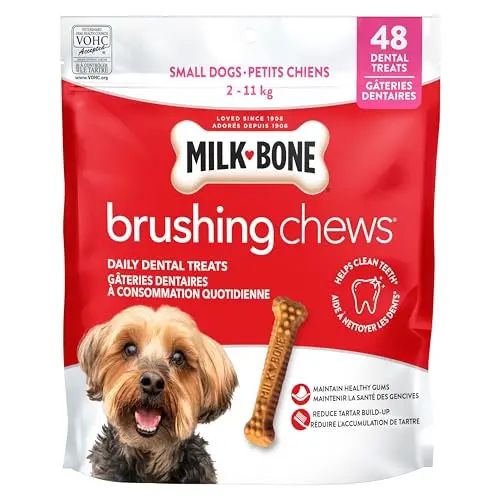
Brushing Chews – Daily Dental Care for Small Dogs
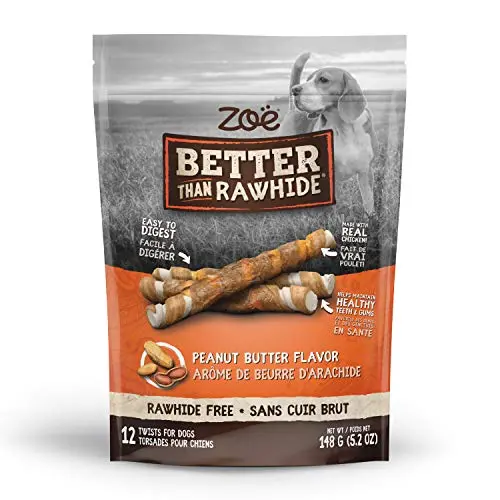
Better Than Rawhide Twists – Peanut Butter, 12 Pack
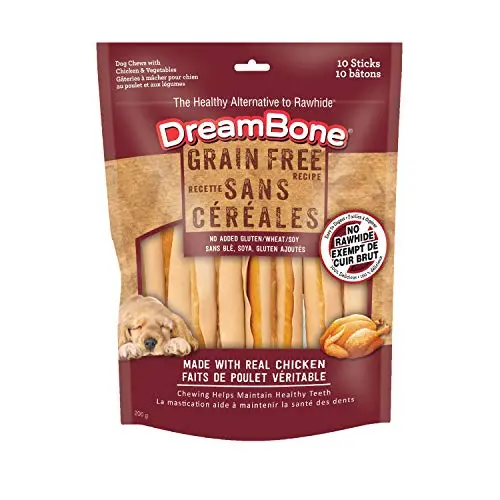
Grain Free Recipe Sticks – Real Chicken, 10 Count
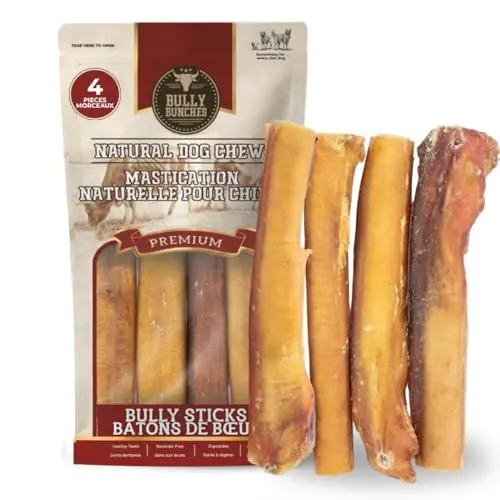
6 Inch Monster Bully Sticks – Human Grade, Odour-Free
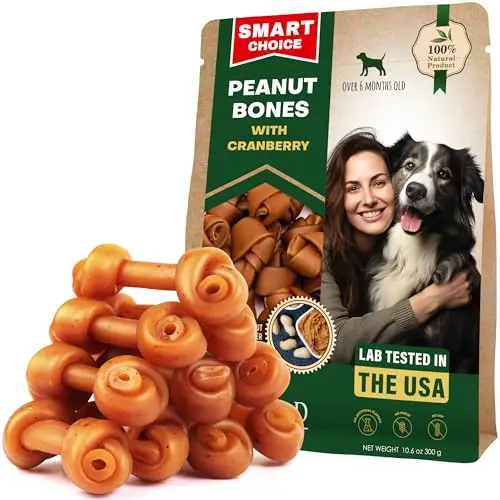
Peanut Butter Bones with Cranberry – Rawhide Free, 300g
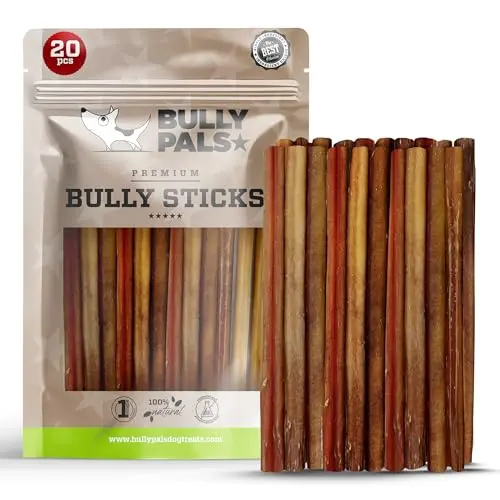
Thin Bully Sticks – 20 Pack for Small Dogs
How We Evaluated These Chew Bones for Senior Dogs
We didn’t run dental clinical trials or long-term digestibility studies. What we did: cross-referenced 6 models from 6 distinct brands across 5 key axes – digestibility, dental health benefits, texture and hardness, ingredient quality, and size appropriateness for aging dogs. We triangulated published specifications, ingredient panels, and aggregated owner feedback where available, then mapped each product against the realities of a senior’s weaker jaw and slower digestion.
The scoring framework weighted real-world performance (60%) – how safely and effectively each chew works for an older dog – against feature differentiation (40%) – unique ingredient sourcing, dental-specific designs, or size specialisation. We have no commercial relationship with any of the brands featured; recommendations track fit and differentiation, not brand preference. If you’re managing a small senior’s dental health, the Milk-Bone Brushing Chews are your clearest path; if ingredient purity matters most, the Bully Bunches bully sticks are purpose-built for it.
How to Choose the Right Chew Bone for Your Senior Dog
What Makes a Chew Bone Senior-Friendly?
A senior-friendly chew needs to be digestible, appropriately sized, and not overly hard. Older dogs often have weaker teeth and sensitive gums, so chews that are rock-solid can fracture teeth or cause jaw pain. The best options are those that soften with saliva, like bully sticks or rawhide-free twists, or are designed to be eaten as a treat, like dental chews. The goal is to satisfy your dog’s desire to gnaw without introducing any new health risks.
Digestibility: The Non-Negotiable for Older Dogs
As dogs age, their digestive systems become less efficient. Chews that are hard to break down – like traditional rawhide – can cause blockages or stomach upset. Opt for products that explicitly state ‘highly digestible’ or carry a VOHC seal. Single-ingredient chews like bully sticks or rawhide-free formulas with identifiable ingredients (chicken, peanut butter, vegetables) are generally safer because you know exactly what your dog is swallowing.
Dental Health: Chewing Without the Risk
Keep your senior’s teeth clean without putting them at risk. Chews with ridges and nubs mechanically scrub away plaque, but they don’t have to be hard to be effective. The Milk-Bone Brushing Chews, for example, use a patented twist that reaches the gumline, while softer bully sticks still provide enough friction to reduce tartar. Look for chews that the Veterinary Oral Health Council (VOHC) has approved if dental benefits are a priority.
Texture and Hardness: Finding the Sweet Spot
A chew that’s too hard is a no-go for seniors, but one that’s too soft might disappear in seconds. Yak cheese and nylon bones are generally too tough for aging teeth. Instead, aim for chews that gradually soften as they’re chewed. Bully sticks and twisted rawhide-free chews strike a balance: they provide enough resistance to engage your dog mentally while being gentle on the mouth. If you can indent the chew with your fingernail, it’s probably safe for a senior.
Comparing Chew Types: Dental Chews vs Bully Sticks vs Edible Bones
Each type serves a different purpose. Dental chews like the Milk-Bone Brushing Chews are formulated for daily oral care and are completely edible; they’re a supplement, not a long-lasting pastime. Bully sticks are richer in protein and take longer to consume, making them a good choice for keeping a dog occupied. Rawhide-free edible bones (like DreamBone or Beloved Pets) sit in between – they’re designed to be eaten but offer more chewing time than a treat. Choose based on whether you’re addressing dental health, boredom, or both.
Sizing for Senior Jaws
A chew that’s too large can overwhelm a smaller senior, while one that’s too small becomes a choking hazard. Always check the weight and breed recommendations. For small dogs under 10 kg, thin bully sticks or small dental chews are appropriate. Medium to large seniors can handle larger sticks or twists, but the chew should still be manageable – you don’t want your dog straining to hold it. The BULLY PALS Thin Bully Sticks are a perfect example of a product sized specifically for tiny mouths.
Frequently Asked Questions
What's the difference between Milk-Bone Brushing Chews and Zoe Better Than Rawhide Twists?
The Milk-Bone Brushing Chews are specifically designed as a dental treat with a VOHC seal, serving a clear oral-health purpose in a daily one-treat regimen. The Zoe twists are more of a general chew that incidentally helps teeth; they’re rawhide-free and easily digestible, making them a safer option for dogs who just love to gnaw. Choose Milk-Bone if tartar control is your top priority, Zoe if you want a versatile, budget-friendly chew.
Are bully sticks safe for senior dogs?
Yes, when sized appropriately. Bully sticks are single-ingredient, fully digestible, and much softer than bones, making them a great choice for seniors. They provide chewing satisfaction without the risk of tooth fractures. Opt for thinner versions like BULLY PALS Thin Bully Sticks for small dogs, and always monitor your dog the first time you give one.
How do I know if a chew bone is too hard for my older dog?
A quick rule: if you can’t make a dent in it with your fingernail, it’s likely too hard for a senior. Also, if your dog seems to be struggling, drooling excessively, or gives up quickly, the chew may be too tough. Hard nylon or compressed yak cheese chews are generally best avoided for older dogs. Instead, choose chews that soften with saliva, like bully sticks or rawhide-free twists.
Can dental chews replace brushing for senior dogs?
Dental chews are a supplement, not a replacement for brushing. They can reduce tartar and plaque, especially those with the VOHC seal, but they don’t clean all surfaces as effectively as a toothbrush. For seniors, combining a daily dental chew with regular brushing (as tolerated) is the ideal approach to manage oral health.
Why choose rawhide-free chews for seniors?
Rawhide is notoriously difficult for dogs – especially older ones – to digest. It can swell in the stomach, causing blockages or discomfort. Rawhide-free chews are typically made from ingredients that break down more easily, such as chicken, vegetables, or beef muscle, making them a safer, more predictable option for a senior’s slower digestive system.
Final Verdict
For most senior dogs – especially small breeds – the Milk-Bone Brushing Chews are the answer. They’re backed by a VOHC seal, easy to digest, and turn a daily dental routine into something your dog actually looks forward to. If ingredient purity is your guiding principle, the Bully Bunches bully sticks offer a clean, single-source protein chew that’s gentle on aging stomachs. On a tighter budget, the Zoe Better Than Rawhide Twists deliver great value without sacrificing safety. And for tiny seniors, the BULLY PALS Thin Bully Sticks are thoughtfully sized to fit small jaws. Whichever you pick, your old pal gets a satisfying experience that respects their age.