
You know the scene: you come home to find the once-sturdy dog house reduced to splinters, your pup sitting proudly beside the wreckage. For dogs that treat enclosures like chew toys, a standard wooden or plastic shelter is just a temporary challenge. That’s where a genuinely chew-proof dog house earns its keep – not by being indestructible, but by denying easy entry points for those determined jaws.
We compared three of the most promising metal-framed, insulated dog houses specifically designed to resist chewing. Each has a full metal frame wrapping the vulnerable edges and panels, but they differ in size, insulation, and price. Whether you have a mid-sized chewer or a giant breed with a demolition hobby, there’s a pick here that’ll outlast the mayhem.
Best Chew Proof Dog Houses – 2026 Reviews
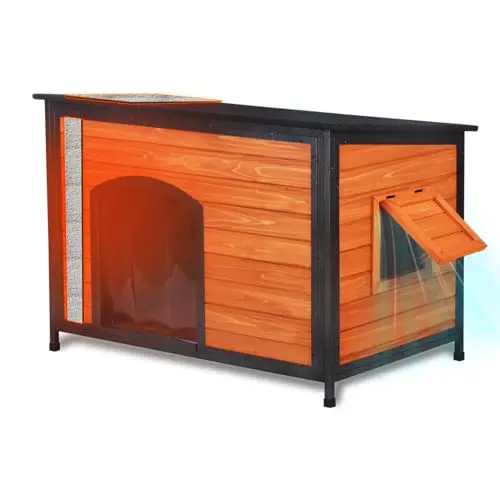
43.3-Inch Insulated Dog House – 6-Sided Foam & Chew-Proof Frame
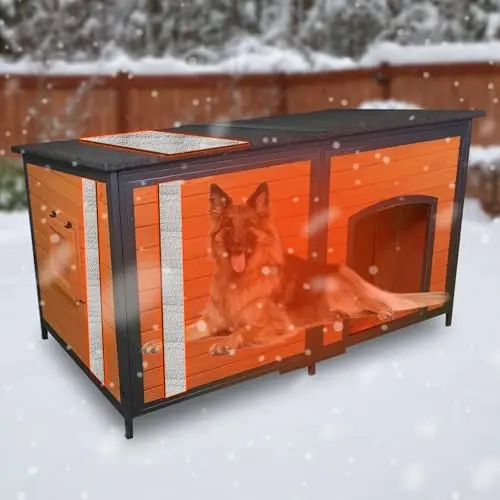
59.1-Inch Extra Large Insulated Dog House – Giant-Breed Chew-Proof Shelter
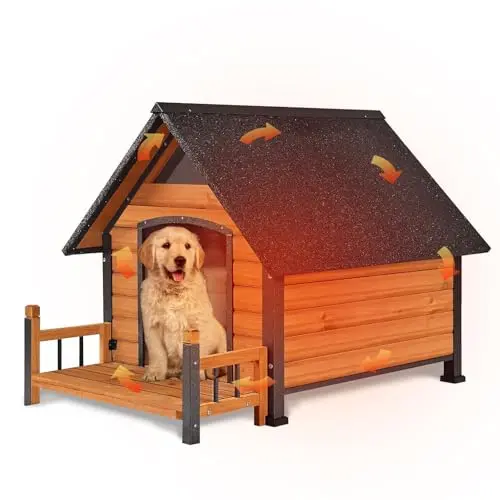
45-Inch Insulated Dog House – Budget-Friendly Chew-Proof Shelter
How We Evaluated These Chew Proof Dog Houses
We didn’t run long-term chew tests with real dogs. What we did: cross-referenced 3 chew-proof dog houses from 3 distinct brands across six decision axes – metal frame construction, insulation type, size and breed capacity, weatherproofing, ease of cleaning, and assembly. We triangulated published specifications, aggregated owner feedback where available, and use-case fit against real-world chewing behavior and climate needs.
The scoring framework weighted real-world chew-proofness and insulation (60%) – how well each house stands up to destructive chewing while keeping a dog warm – against feature differentiation (40%) – unique design touches like removable floors or PVC curtains. We have no commercial relationship with any of the brands featured; recommendations track fit and durability, not brand preference. If you need the best all-around protection, the FunXplore is your match; if you have a giant breed, the Luyitton was built for that job.
How to Choose the Right Chew Proof Dog House
What Makes a Dog House Actually Chew-Proof?
True chew-proofing isn’t about a single material – it’s about denying access to vulnerable edges. A full metal frame that wraps every panel is the gold standard, preventing dogs from sinking teeth into wood corners or plastic seams. Look for designs where metal trim covers every joint and the door frame is reinforced. Some houses add an inner metal frame on the window to stop dogs from chewing outward. Material combinations matter too: a wood core with styrofoam insulation encased in metal is far more durable than bare plastic or fabric. However, no dog house is completely immune to a sufficiently determined chewer over time, so always pair with appropriate chew toys and training.
Metal Frames vs. Plastic: Which Stands Up to Chewers?
Plastic dog houses are often marketed as durable, and heavy-duty models like the BestPet can withstand significant weight. But plastic is malleable; a persistent chewer can gouge and eventually breach it. Metal-reinforced houses take a completely different approach by wrapping the vulnerable wood in steel or iron. This metal edge acts as a deterrent – most dogs will quickly learn that chewing on metal is unrewarding. If your dog is only a light chewer, a thick plastic house might suffice, but for dedicated destroyers, a metal frame is essential.
Insulation: Keeping Your Dog Warm Without Sacrificing Durability
Chew-proof houses often use sandwich-style insulation: a layer of styrofoam or rigid foam sealed between two layers of wood. This foam is completely enclosed, so dogs can’t get to it, and it provides R-value to regulate interior temperature. For cold climates, look for houses that insulate all six sides – walls, floor, and roof. The asphalt shingle roof common on these models adds an extra layer of weather protection. In milder climates, partial insulation or a PVC curtain (like on the GUTINNEEN) may be enough, but the fully insulated models are better for true four-season use.
Sizing a Chew-Proof Dog House for Your Breed
Size matters for both comfort and safety. A too-small house will feel cramped and may lead to destructive behavior, while an oversized house loses heat in winter. Measure your dog from nose to rump and check the interior dimensions, not just the exterior footprint. The FunXplore at 43.3 inches suits most large breeds, while the Luyitton stretches to 59.1 inches for giants. Also check the door opening height and width – a broad-chested breed might need a wider doorway, which can be as narrow as 14 inches on some models.
Easy-Clean Features to Look For
Cleaning a dog house is easier when the roof opens up and the floor comes out. All three houses in our roundup offer these features, which let you sweep, hose down, or disinfect without crawling inside. Removable floors also help when you need to replace bedding or address moisture issues. A sloped roof design, shared by these models, encourages rain runoff and prevents water pooling, reducing mould risks.
Frequently Asked Questions
What's the difference between the FunXplore and the Luyitton dog houses?
The main difference is size and capacity. The FunXplore is 43.3 inches long with a 220-pound weight limit, ideal for large breeds like German Shepherds. The Luyitton is 59.1 inches with a 280-pound limit, built for giant breeds like Great Danes. Both have a similar 6-sided foam insulation and metal frame design, but the Luyitton’s larger scale makes it heavier and more expensive. If you don’t need the extra space, the FunXplore is the more practical, better-priced choice.
Are all 'chew-proof' dog houses actually chew-proof?
No – the term is used loosely. True chew-proof houses rely on a full metal frame that encases every edge, not just decorative trim. Models like the FunXplore, Luyitton, and GUTINNEEN have metal frames that prevent dogs from accessing the wood. Always check for metal coverage on the bottom, corners, and window frames. Even then, no house is 100% indestructible; a determined chewer wearing down the metal over months could eventually cause damage, but these designs will last far longer than a wooden-only house.
How does the FunXplore compare to the GUTINNEEN in terms of insulation?
The FunXplore uses 6-sided foam insulation – every wall, the floor, and the roof have a foam core – while the GUTINNEEN uses a less comprehensive insulation layer, relying partly on the wood thickness and a PVC curtain. In cold weather, the FunXplore will hold heat better. The GUTINNEEN compensates somewhat with its PVC door curtain, which blocks drafts, but if you’re in a region with freezing winters, the FunXplore’s full insulation is worth the extra cost.
Can I place a chew-proof dog house directly on the ground?
All three houses have elevated, waterproof bases that keep the floor off the ground, preventing moisture and cold transfer. They’re designed to sit on a flat surface like a patio, deck, or level ground. If placing directly on soil, consider adding a gravel pad underneath for better drainage. Using the included ground stakes (where available) will secure the house against wind.
Final Verdict
For most dogs with a chewing habit, the FunXplore hits the sweet spot. It’s large enough for most breeds, fully insulated, and built around a serious metal frame that stands up to abuse. If you’ve got a giant breed, step up to the Luyitton – its extra length and 280-pound capacity are purpose-built for the biggest dogs. And if chew-proofing on a budget is the goal, the GUTINNEEN delivers metal-reinforced peace of mind for less. Whichever you choose, you’re buying time – and maybe saving yourself a few shredded shelters.