
Puppy teeth are no joke. Those needle-sharp incisors are built for exploring the world-and that often means your furniture, shoes, and fingers become test subjects. A well-chosen chew toy can redirect that energy, soothe achy gums, and lay the foundation for healthy chewing habits. But with hundreds of options claiming to be ‘vet recommended,” finding one that actually stands up to puppy jaw power without posing a safety risk is the real challenge.
We looked at the category from a vet’s-eye perspective: what makes a chew toy appropriate for a teething pup? It’s not just about durability-it’s about material safety, appropriate hardness, and the ability to engage a puppy without encouraging destructive behaviour. The best options balance texture, flavour, and resilience while avoiding choking hazards. Below, we break down the top cross-brand picks that align with vet priorities for dental health and anxiety relief.
Whether you’re raising a petite teacup breed or a boisterous retriever, the right chew toy can make all the difference. Our lineup spans crowd-pleasing nylon classics, freezable fabric soothers, and versatile multi-pack sets, each chosen for how well it fits the unique needs of a growing pup-not just for flashy marketing. Let’s find your puppy’s new favourite.
Best Chew Toys for Puppies Recommended by Vets – 2026 Reviews
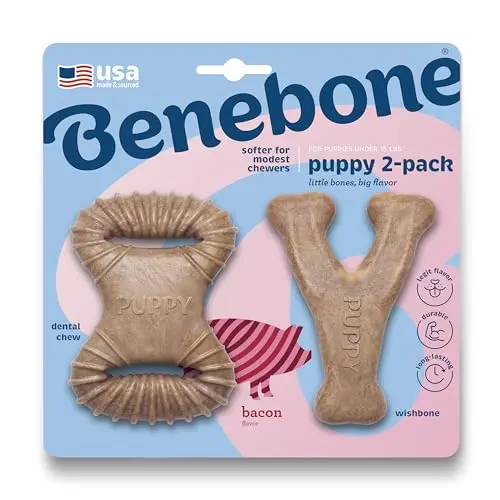
Puppy 2-Pack Dental Chew/Wishbone – Real Bacon, Tough Yet Forgiving
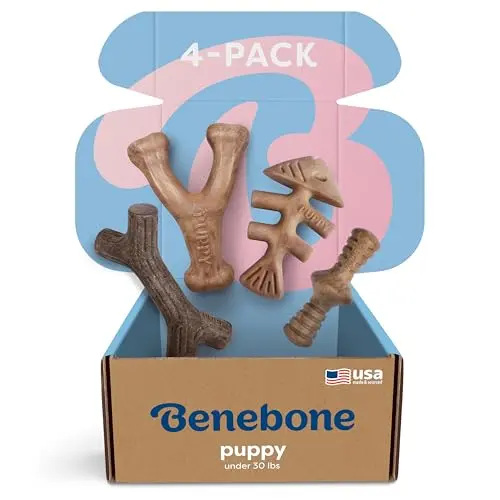
Puppy 4-Pack Chew Toys – Variety Pack, Bacon Flavour
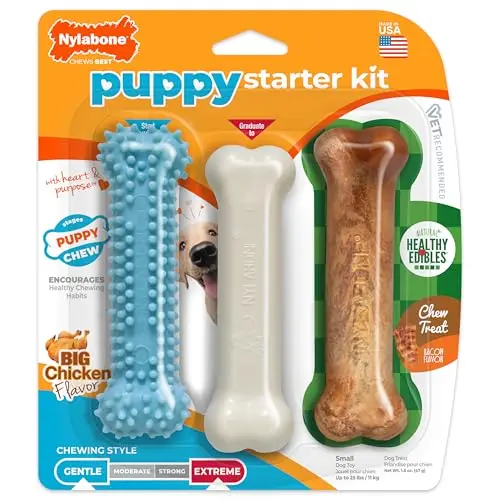
Puppy Starter Set – Gentle Chews, Teething Relief
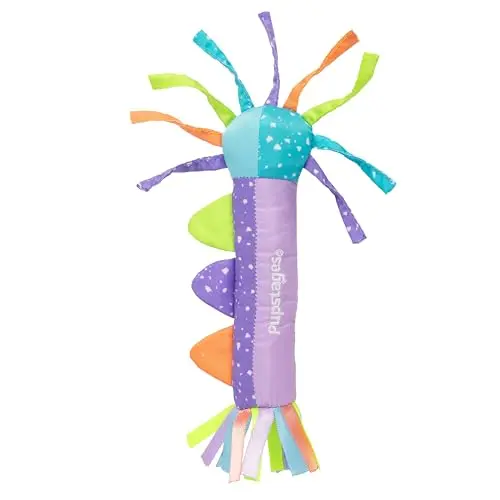
Cool Teething Stick – Freezable Fabric Soother
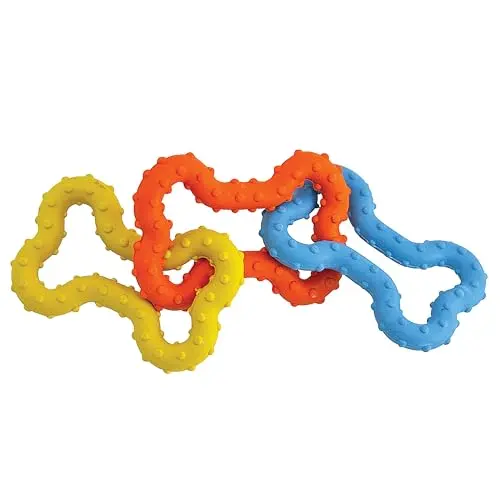
Mini Bone Tug – Floppy Rubber Interactive Toy
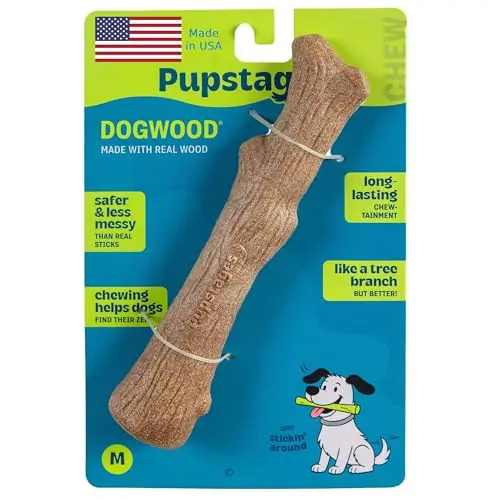
Dogwood Wood Alternative – Natural Texture, Safe Splintering
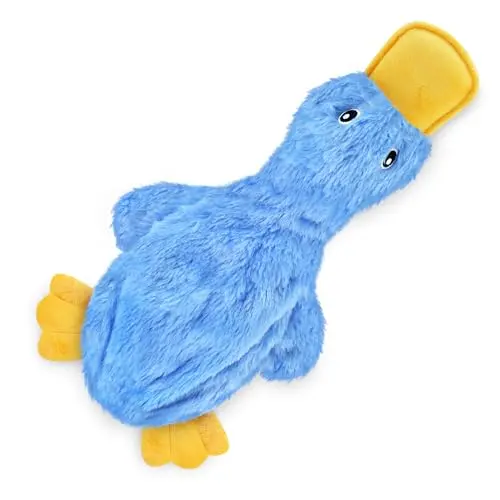
Crinkle Duck – No-Stuffing Plush with Squeaker
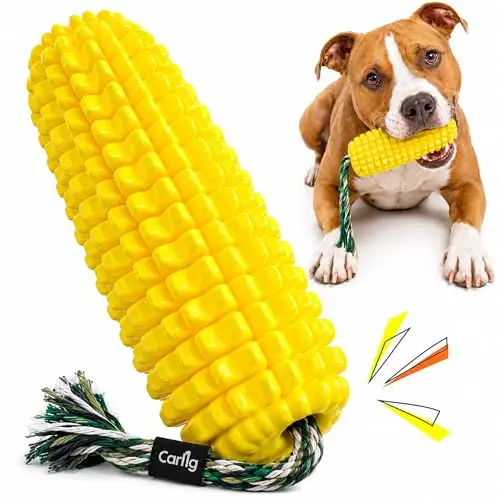
Corn Stick Chew Toy – Bumpy TPR, Squeaky
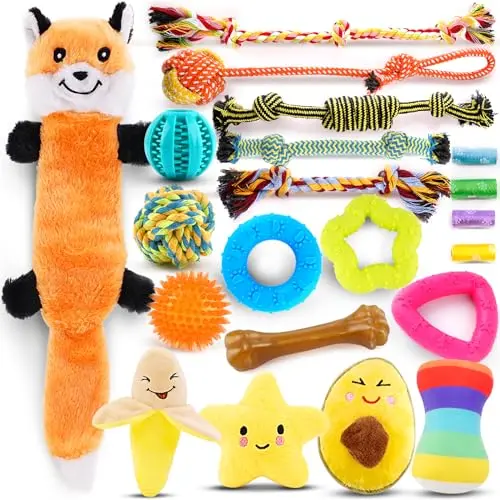
21-Pack Puppy Toy Bundle – Variety for Small Pups
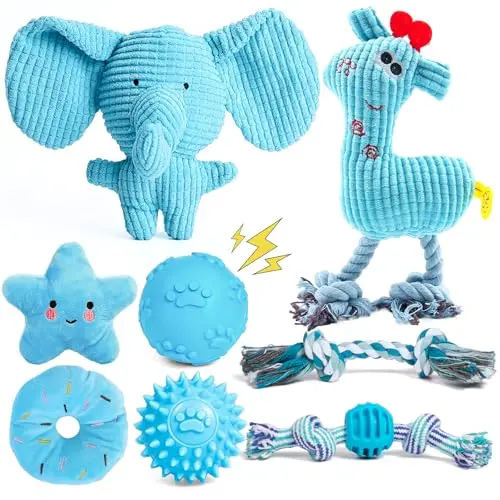
8-Pack Puppy Toy Set – Plush, Balls, and Rope
How We Evaluated These Chew Toys for Puppies Recommended by Vets
We didn’t run long-term durability trials with dozens of puppies in a kennel. What we did: cross-referenced 10 puppy chew toys from 7 distinct brands across six key dimensions-material safety, appropriate hardness for teething gums, dental benefits, size suitability, engagement factors (flavour, sound, texture), and owner-reported longevity. We triangulated published specifications, ingredient lists, and aggregated owner feedback where available against vet-endorsed criteria for puppy oral health.
The scoring framework weighted real-world teething relief and safety (60%)-how well each toy addresses the specific needs of a growing puppy’s mouth without posing a hazard-against feature differentiation (40%): unique designs, flavour innovation, and versatility. We have no commercial relationship with any of the brands featured; recommendations track fit and differentiation, not brand preference. If you’re looking for the all-around winner, the Benebone 2-Pack is most puppies’ match; if you need a gentle stage-specific soother, the Petstages Cool Teething Stick is purpose-built for those difficult weeks.
How to Choose the Right Chew Toy for Your Puppy
Why Puppies Need Specific Chew Toys, According to Vets
Puppies aren’t just miniature dogs-their jaws and teeth are in constant flux. During teething (roughly 3-7 months), baby teeth fall out and adult teeth erupt, causing gum inflammation and a desperate need to chew. A toy that’s right for an adult dog can be far too hard or poorly shaped for a puppy, risking dental fractures or choking. Vets recommend chews that offer some give, promote gentle abrasion without excess force, and are sized to avoid being swallowed. Avoid anything rock-hard like antlers or dense nylon meant for aggressive adult chewers until your pup’s mouth is fully developed.
Material Matters: Nylon, Rubber, Plush, and More
The material dictates safety, durability, and the type of chewing experience. Nylon tends to be the most durable but can be too unforgiving for young pups unless specially formulated (look for ‘puppy” versions with a slightly softer blend). Rubber, especially natural rubber or TPR, often strikes a balance-firm yet flexible, and it can be moulded into engaging textures. Fabric-based chews like the freezable Petstages stick are excellent for targeted gum relief but won’t last long. Edible treats like the Nylabone starter treat are fine as an occasional supplement, but they’re not a substitute for a durable chew. For the vet-recommended sweet spot, many owners gravitate toward a mix: a soft teether, a moderate nylon, and an interactive rubber option.
Size, Shape, and Paw-Friendly Design
A chew toy that’s too small becomes a choking hazard; one that’s too large will frustrate a small puppy. Measure the toy against your puppy’s muzzle-if it can be completely engulfed, it’s dangerous. Look for shapes that a puppy can brace with their paws, like the wishbone design from Benebone or the floppy linked bones from Petstages. These let your pup get leverage without needing thumbs, making the experience more satisfying. For tiny breeds under 10 pounds, dedicated small-breed lines like the Nylabone Starter Set are essential; you can’t just buy a smaller version of an adult chew-the hardness needs to be tuned too.
The Role of Flavour and Engagement
A chew that tastes bland will be ignored. Real meat flavours-especially bacon-have a biological appeal that synthetic scents can’t match. The Benebone line’s use of actual bacon infusion is a standout in this regard, earning strong owner feedback for sustained interest. Sound elements like squeakers and crinkles can also boost engagement, particularly for puppies who need a play element to initiate chewing. However, noise-making toys are often less durable and should be reserved for supervised sessions. A good rotation of 3-4 toys with different sensory profiles keeps your puppy from getting bored and targeting the sofa.
Durability and When to Replace a Chew
No puppy chew is indestructible, despite what the packaging says. Supervision is non-negotiable-always watch your pup with a new toy until you understand how they interact with it. Signs you need to replace a chew: chunks missing, sharp edges, or pieces small enough to swallow. Nylon toys worn down to a small stub are particularly dangerous. As a rule of thumb, once a nylon chew shrinks to less than two inches in any dimension, toss it. Rubber chews that develop cracks can harbour bacteria, so replace them as well. Investing in a few different types upfront means you can retire a worn toy without leaving your puppy empty-jawed.
Nylabone vs. Benebone: Which Puppy Line Is Better for Your Breed?
The two dominant nylon-based puppy lines each have a clear philosophy. Nylabone leans into a staged approach, with extra-soft teething bones graduating to firmer chews-ideal for very small, young pups who need a gentle progression. Their bones also tend to have more intricate nubby textures for gum cleaning. Benebone prioritizes flavour and a slightly firmer feel, even in the puppy line, making them a fantastic fit for determined chewers who are already showing strength. The real bacon is a differentiator. For a toy breed with a delicate mouth, start with Nylabone; for a sturdy terrier or retriever pup, Benebone’s durability often wins out.
Frequently Asked Questions
At what age can I start giving my puppy chew toys?
You can introduce soft, size-appropriate chew toys as early as 8 weeks, when most puppies arrive home. The key is matching the toy to their current size and jaw strength-nothing too hard for baby teeth. The Nylabone Puppy Starter Set, for example, is rated for puppies beginning at that age because it includes a very soft teething bone. Always supervise initial sessions.
Are all 'puppy' labelled chews actually vet recommended?
Not necessarily. The term ‘puppy” on packaging is a marketing claim, not a veterinary endorsement. Look for specific design features that align with vet advice: slightly softer material than adult chews, smooth edges, non-toxic components, and shapes that can’t be fully swallowed. In our roundup, the ones that best matched those criteria-with real-world owner feedback and materials that support dental health-were the Benebone puppy line and the Nylabone starter set.
What's the difference between the Benebone 2-Pack and 4-Pack for puppies?
The 2-Pack offers a wishbone and a dental chew, both in the classic real bacon formula. It’s a great entry point to see if your puppy likes the feel. The 4-Pack adds more variety with different shapes, including a ring and a stick, which provides rotational novelty and more overall chewing mileage per dollar. Both are made in the USA with the same material; the 4-Pack simply covers you for longer and reduces the urge for furniture chewing by giving more options.
Can a chew toy be too hard for a teething puppy?
Absolutely. Chews designed for aggressive adult chewers-like solid nylon bones, antlers, or extra-hard rubber-can fracture delicate puppy teeth. The Benebone puppy line and Nylabone teething bone are formulated with slightly more give than their adult counterparts, making them safer. If you can’t indent the surface with a fingernail, it’s likely too hard for a puppy under 7 months.
How many chew toys does a puppy actually need?
A good starter rotation is 3-5 varied toys: one soft teether (like the Petstages Cool Teething Stick), one moderate nylon (Benebone or Nylabone), one interactive rubber toy (like the Mini Bone Tug), and perhaps a plush squeaker for comfort. This prevents boredom and addresses different chewing needs throughout the day. Multi-packs like the LOYEE 21-Piece are cost-effective ways to discover which textures your pup prefers.
How do I clean dog chew toys to keep them safe?
For nylon and rubber chews, hand-wash with warm, soapy water and rinse thoroughly-avoid the dishwasher unless the manufacturer specifically approves it, as high heat can degrade polymers. Fabric toys can often go in the laundry on a gentle cycle; the Cooling Teething Stick is machine washable after freezing cycles. Always inspect for embedded debris in crevices and replace any toy that develops a foul odor or mould-that’s a sign it’s no longer safe.
Final Verdict
For most puppies, the Benebone Puppy 2-Pack is the star-it balances durability, irresistible real bacon flavour, and a design that’s easy for small paws to grip without being punishing on tender gums. If you want to cover the entire teething phase with one purchase, the Benebone 4-Pack is a wiser investment per chew. For tiny breeds or super-young puppies, the Nylabone Puppy Starter Set remains the gentlest introduction to chewing, with its staged system earning high marks from vets. And when teething pain flares, keep a Petstages Cool Teething Stick in the freezer for quick relief. Rotate, supervise, and enjoy the quieter house.