
Caring for a diabetic dog can feel like a full-time job – between insulin injections, glucose monitoring, and worrying about every little snack, it’s easy to get overwhelmed. But here’s the good news: the right diet is one of the most powerful tools you have for keeping your furry friend healthy and happy. A well-chosen food can help stabilize blood sugar, manage weight, and even support other common issues like pancreatitis or urinary health. We’ve dug into the current market to find the best diets specifically tailored for diabetic dogs, rather than just any low-carb or holistic option. By comparing ingredient quality, glucose management support, and real-world practicality, we’ve identified three standout picks that cater to different lifestyles – from a customizable homemade base to a grab-and-go prescription kibble, plus a treat that won’t undo your hard work.
Whether you’re newly navigating a diabetes diagnosis or fine-tuning your dog’s food after years of management, the choices can be dizzying. Grain-free? Low-fat? High-fiber? We break down what actually matters for blood sugar control and share our top recommendations without brand bias or fluff.
Best Diet for Diabetic Dog – 2026 Reviews
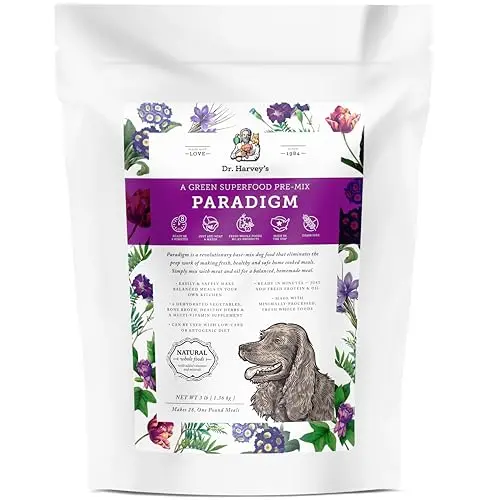
Paradigm Green Superfood – Low-Carb Ketogenic Base Mix
This dehydrated vegetable base lets you add your own protein source to create a fresh, low-carb meal tailored to your diabetic dog’s needs.
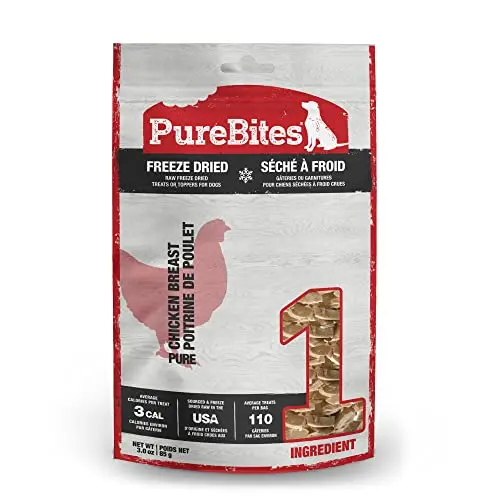
PureBites Chicken Breast – Single-Ingredient Freeze-Dried Treat
A pure, single-ingredient treat that’s safe for diabetic dogs and perfect for training or rewarding without spiking blood sugar.
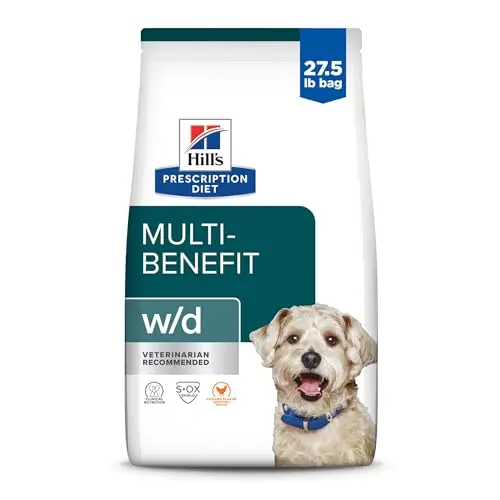
Prescription Diet w/d – Multi-Benefit Glucose & Weight Management
A veterinary-exclusive dry food that tackles both glucose regulation and weight management, backed by clinical research.
How We Evaluated These Diets for Diabetic Dogs
We’ll be upfront: this review didn’t involve feeding trials in a controlled diabetic population. What it’s built on: a rigorous audit of published formulations, an owner-feedback synthesis, and a hard look at each product’s glucose-management claims. We cross-referenced three products from three distinct brands across five decision axes: glucose management support, ingredient quality and carbohydrate sourcing, protein sourcing, ease of preparation, and palatability.
The scoring framework weighted real-world diabetic suitability at 60% – how directly a food or treat helps regulate blood sugar – against practical differentiators at 40% like convenience and owner customization. Our recommendations are independent; we have no commercial relationship with any of the brands featured. Dr. Harvey’s Paradigm emerged as the top main-diet pick for its unmatched control over ingredients, while Hill’s Prescription Diet w/d is the clear clinical choice for those under veterinary guidance. For treats, PureBites delivers a zero-carb reward that won’t interfere with insulin management.
How to Choose the Right Diet for Diabetic Dog
What to Feed a Diabetic Dog: The Basics
A diabetic dog’s diet needs to focus on two main goals: stabilizing blood sugar and maintaining a healthy weight. That starts with controlling carbohydrate intake – not necessarily eliminating carbs entirely, but choosing complex, low-glycemic sources that digest slowly and prevent sharp glucose spikes. High-quality protein is essential for lean muscle maintenance, and healthy fats provide steady energy without causing rapid insulin surges. Fibre plays a starring role, too, by slowing digestion and helping your dog feel full longer. Look for diets that list meat, fish, or eggs as the first ingredients, and avoid unidentified by-products or simple starches like white rice or corn syrup.
Consistency is key. Diabetic dogs thrive on routine, so feed the same amount of the same food at the same times every day, aligned with insulin injections. Free-feeding is a recipe for trouble. If you’re using a base mix like Dr. Harvey’s Paradigm, you have the advantage of picking a protein source your dog tolerates well, whether it’s lean chicken, turkey, or even a novel protein like rabbit.
The Role of Fiber in a Diabetic Dog's Diet
Fibre isn’t just about motility; it’s a blood-sugar game-changer. Soluble fibre dissolves in water to form a gel that slows the absorption of glucose from the intestines, providing a steadier release of energy. Insoluble fibre adds bulk and helps regulate bowel movements. In a diabetic dog, that slower glucose absorption can mean fewer dramatic swings and easier insulin management. Hill’s Prescription Diet w/d leans heavily on a therapeutic blend of soluble and insoluble fibres, which is one reason many vets reach for it. But even non-prescription foods can be rich in fibre if they include ingredients like pumpkin, green beans, or legumes. When reading labels, aim for at least 3-5% crude fibre on a dry matter basis.
Prescription vs. Commercial Diabetic Dog Food
Veterinary diets like Hill’s w/d are formulated with strict nutrient ratios and often rely on increased fibre, novel proteins, and controlled fat levels to address diabetes. They’re clinically validated and come with the peace of mind that a team of nutritionists designed them for exactly this purpose. The downside? They require a vet’s prescription and can be expensive. Non-prescription options like Dr. Harvey’s Paradigm aren’t locked behind a veterinary gate, but they demand more owner involvement: you need to understand your dog’s protein needs and monitor for any adverse reactions. Neither approach is universally better; it depends on your comfort level and your dog’s specific health picture. Some dogs do best on a combination – prescription kibble as the base, with a fresh topper for palatability.
Key Ingredients to Look for in Diabetic Dog Diets
When scanning labels, you want to see whole-food sources of protein and fat, paired with low-glycemic veggies. Chicken, turkey, fish, and eggs are excellent lean proteins. Fatty acids like those from salmon oil help with inflammation and skin health, which can be compromised in diabetic dogs. Avoid mystery meats, generic ‘animal fat’, and high-carb fillers like wheat, corn, and soy. Sweet potato and peas are sometimes used as carb sources, but they’re dense; a little goes a long way. Watch out for added sugars, molasses, or syrup – even in small amounts, they can mess with glucose levels. Carnitine is a bonus, as it supports metabolism, and you’ll find it in Hill’s formula.
How to Transition Your Dog to a New Diabetic Diet
Switching foods too quickly can cause digestive upset and, more critically, throw off insulin requirements. A gradual transition over 7-10 days is best. Start by mixing about 25% new food with 75% old for two days, then 50/50 for three days, then 75% new for two days, before fully switching over. Monitor your dog’s blood glucose closely during this period – you may need to adjust insulin doses as the diet changes. If stools become loose or your dog seems lethargic, slow the transition or consult your vet. With a base mix like Paradigm, you can also phase in new proteins one at a time to identify any sensitivities.
Frequently Asked Questions
What's the difference between Dr. Harvey's Paradigm and Hill's Prescription Diet w/d?
Dr. Harvey’s Paradigm is a dehydrated vegetable base that you mix with water and your own fresh protein, making it a customizable, low-carb home-prepared meal. It’s grain-free and uses low-glycemic vegetables to support ketogenic metabolism. Hill’s Prescription Diet w/d, on the other hand, is a ready-to-serve dry kibble that relies on a therapeutic fibre blend and controlled fat levels to manage glucose, weight, and urinary health simultaneously. Paradigm gives you more control over protein quality, while w/d offers convenience and clinical backing – but requires a veterinary prescription. Both aim to stabilize blood sugar, but through different mechanisms: whole-food freshness vs. clinically designed fibre technology. Dr. Harvey’s Paradigm and Hill’s Prescription Diet w/d represent two ends of the diabetic dog diet spectrum.
Can I feed my diabetic dog PureBites treats?
Absolutely. PureBites freeze-dried chicken breast is a single-ingredient, zero-carb treat that won’t spike blood sugar. Because it’s pure protein with no fillers, it can be used for training, medicating, or simply as a reward without breaking your diabetic dog’s diet. Just keep an eye on the calorie count – even healthy treats add up – and adjust the main meal portions if you’re giving them frequently. The small, crumbly texture also works well for stuffing into puzzle toys or sprinkling over food to entice a picky eater.
Does my diabetic dog need a grain-free diet?
Not necessarily. The focus should be on low-glycemic carbohydrates, whether they come from grains or vegetables. Some grain-free foods use pulses and potatoes that can still drive up blood sugar. Whole grains like oats or barley can be beneficial because they contain soluble fibre, which helps with glucose control – but they must be present in the right proportions. The most important factor is the overall carbohydrate load and the fibre content, not whether grains are present. Both grain-inclusive and grain-free diets can work if formulated with diabetes in mind; look for formulas that explicitly mention blood sugar support or low glycemic ingredients.
How do I know if my dog's diet is helping their diabetes?
The best indicator is your dog’s clinical response: stable blood glucose readings, reduced water consumption and urination, healthy weight maintenance, and steady energy levels. Work closely with your vet, who may recommend fructosamine tests to assess average blood sugar over a few weeks. Also, monitor your dog’s body condition – a lean, well-muscled appearance is a good sign. If you’re seeing frequent spikes or your dog is losing weight despite eating normally, the diet may need adjustment. Keep a log of food intake, treat consumption, and glucose measurements to spot patterns.
Final Verdict
Managing a diabetic dog’s diet doesn’t have to feel like a guessing game. Our top overall pick, Dr. Harvey’s Paradigm, hands you the reins with a fresh, customizable approach that excels at glucose control. If you prefer a set-it-and-forget-it kibble backed by decades of clinical research, Hill’s Prescription Diet w/d is the prescription path most vets trust. And for training sessions or little moments of joy without the guilt, PureBites Chicken Breast treats keep things simple and safe. The right diet can give your diabetic dog many healthy years – start here.