
Raw feeding brings a world of benefits for your dog – shinier coats, cleaner teeth, and boundless energy. But it also brings a new level of mess and the need for bowls that can stand up to the rigours of raw meat, bone, and organ blends. A flimsy plastic bowl that scratches easily or a wobbly stand that spills bloody juices onto your floor just won’t cut it.
The right raw food dog bowl does two things well: it makes cleanup a non-event and it keeps the food where it belongs – in the bowl. That means dishwasher‑safe materials like stainless steel or ceramic, a heavy or non‑slip base, and a size that accommodates your dog’s portions without overflowing. In this guide we compare the best bowls across different categories – elevated, slow‑feed, and simple no‑frills – so you can pick the one that fits your raw‑feeding routine.
Best Dog Food Bowls for Raw Food – 2026 Reviews
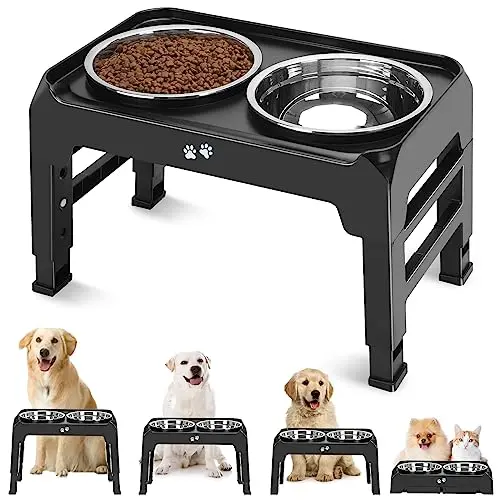
Adjustable Raised Bowl Stand – Dual Stainless Steel Bowls for Raw Feeding
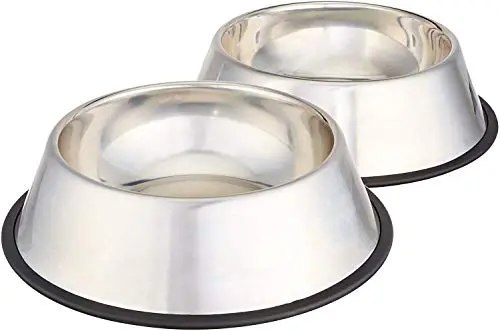
Stainless Steel Non‑Skid Bowl Set – Dishwasher‑Safe for Raw Diets
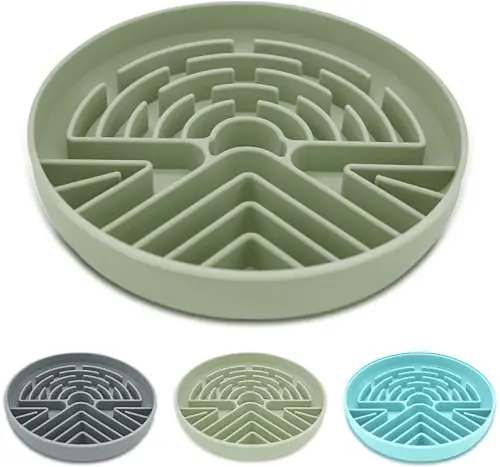
Silicone Slow Feeder Bowl – Mental Stimulation for Raw Diets
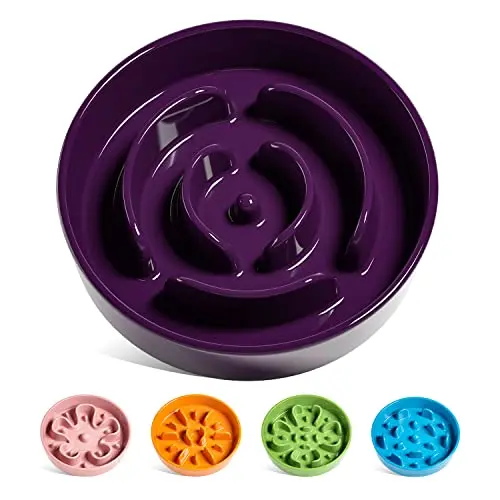
Ceramic Slow Feeder Bowl – Durable Maze for Raw Eating
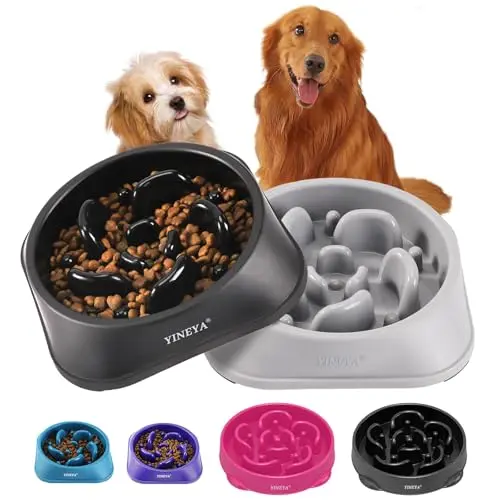
Slow Feeder Puzzle Bowl Set – Durable for Raw and Wet Food
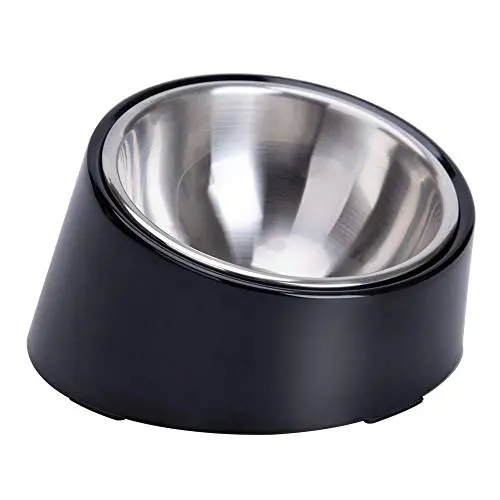
Mess‑Free Tilted Bowl – Ergonomic for Small Raw Meals
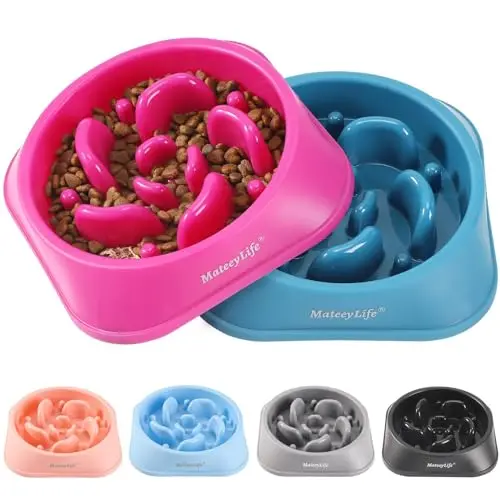
Slow Feeder Dog Bowl Set – Anti‑Choking Maze for Raw Meals
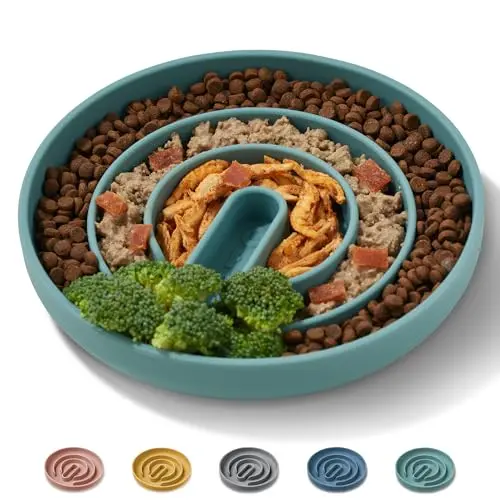
Silicone Slow Feeder with Suction Cup – Raw Food Stop‑Gulping
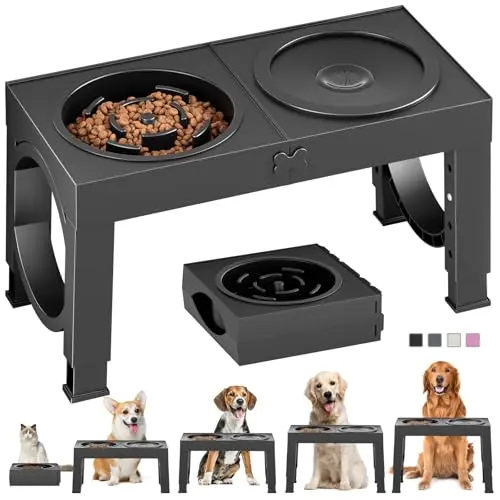
Adjustable Raised Slow Feeder Stand – Portable for Raw Feeding
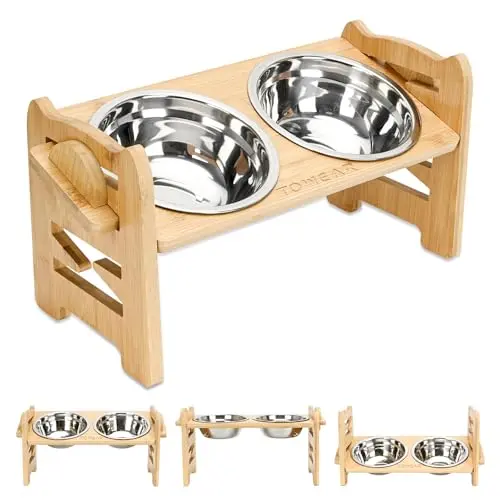
Bamboo Adjustable Raised Stand – Tilted for Raw Comfort
How We Evaluated These Dog Food Bowls for Raw Food
We didn’t swab bowls for bacterial cultures or run controlled raw‑meat contact trials. What we did: cross‑referenced 10 models from 10 distinct brands across five decision axes – material safety, dishwasher compatibility, non‑slip stability, capacity for raw portions, and slow‑feeding design. We triangulated published specifications, aggregated owner feedback where available, and use‑case fit against representative raw‑feeding routines for small, medium, and large dogs.
The scoring framework weighted real‑world raw‑feeding performance (60%) – how hygienic and stable a bowl is versus how easy it is to clean – against feature differentiation (40%) – unique extras like adjustable height, suction bases, or microwaveability. We have no commercial relationship with any of the brands featured; recommendations track fit and differentiation, not brand preference. If you’re starting out with raw, the COMESOON Elevated Stand is our top all‑rounder; if budget is key, the Amazon Basics Set does the job for less.
How to Choose the Right Dog Food Bowl for Raw Food
Material Matters: Stainless Steel, Ceramic, or Silicone for Raw Food
Raw meat, bones, and organs are messy, and they can introduce bacteria. The bowl material directly affects how clean you can get it. Stainless steel is the workhorse – it won’t scratch easily, doesn’t hold odours, and is nearly always dishwasher-safe. Ceramic is equally non‑porous and often heavier, adding anti‑skid security, but it can chip if dropped. Silicone is flexible, freezer‑safe, and won’t crack; it’s a top pick for slow‑feeding raw purees. Plastic bowls (even food‑grade) can develop micro‑scratches that trap fats and bacteria, so they demand rigorous dishwasher use and replacement every year or so. For everyday raw feeding, stainless or ceramic wins on safety and ease.
Dishwasher Safety Is Non‑Negotiable for Raw Food Bowls
Hand‑washing a bowl that’s held raw chicken or green tripe isn’t just unpleasant – it may not eliminate all pathogens. A dishwasher’s high heat and detergent are your best defence. Look for bowls that are explicitly labelled dishwasher‑safe, and avoid any stand or holder that can’t handle the sanitise cycle. If you must hand‑wash, stainless and ceramic are the most forgiving materials; wood and some plastics should be wiped immediately and disinfected with a pet‑safe spray. The COMESOON and Zonopy both lean heavily on dishwasher‑safe components.
Elevated vs. Floor Bowls: What's Better for Raw Diets?
Elevated bowls can reduce neck strain and are often more stable because the stand adds weight. They also keep raw food a little farther from dust and floor debris – handy when your dog is a messy eater. However, not all stands are dishwasher‑safe; a wooden stand like the TOWEAR needs wiping, while plastic stands can go in the machine. Floor bowls, like the Amazon Basics set, are simpler and can be lifted straight into the dishwasher. If your dog has arthritis or tends to vomit after meals, an adjustable elevated stand like the COMESOON is worth the extra step.
Slow Feeding and Raw Food: Do You Need a Maze?
Dogs that gulp raw food can choke or bring it back up – the same risks as with kibble. A slow feeder bowl forces them to pick around ridges, naturally slowing their pace. Silicone mazes like the Zonopy work well because raw food doesn’t stick to them as stubbornly, and you can smear the food into every crevice as a puzzle. Ceramic slow feeders like the LE TAUCI are easier to clean than plastic and won’t develop bacteria‑trap scratches. If your dog already eats at a measured pace, a plain bowl is fine; if they inhale raw meals, a maze is a game‑changer.
Size and Capacity: Matching Raw Meal Portions
Raw meals are typically denser and smaller in volume than kibble; a half‑pound of ground meat might only fill a cup. Still, you need enough room for your dog to work the food without spilling. For small dogs under 6.5 kg, a 0.5‑cup bowl like the SuperDesign may suffice. Medium dogs do well with 1-2 cups, while large breeds eating a pound or more need a generous bowl like the COMESOON’s 1.4‑litre capacity. Always measure your dog’s biggest meal and add a buffer – raw feeding can get enthusiastic.
Stability and Non‑Slip Bases for Enthusiastic Raw Eaters
There’s nothing worse than a bowl that skates across the floor with every lick. For raw food, a non‑slip base is non‑negotiable. Rubber rings, suction cups, and sheer weight all work. Suction cups (like on the OHMO and Zonopy) need a smooth, flat surface; if you have textured tile, go for a rubber‑ringed stainless bowl or a heavy ceramic. The COMESOON’s rubber feet and edge grip exceptionally well on most floors.
Frequently Asked Questions
What's the difference between the COMESOON Elevated Bowl and the Amazon Basics Non‑Skid Bowl?
The COMESOON is an adjustable raised stand with two stainless steel bowls; it’s designed for dogs that benefit from an elevated eating posture – think large breeds or seniors with joint issues. The Amazon Basics set is a pair of low‑profile stainless bowls with rubber bases, ideal for any dog and especially for raw feeders who want a simple, dishwasher‑only routine. COMESOON’s stand folds for travel, but Amazon Basics are easier to store. If your dog is tall or has arthritis, the elevated stand is a better pick; for everyone else, the Basics do a fine job.
Are ceramic bowls better than stainless steel for raw food?
Both are excellent. Ceramic is heavy, so it won’t slide, and it’s completely non‑porous – great for raw meat. It can also go in the microwave to warm up food. However, it’s breakable and heavier to handle. Stainless steel is lighter, unbreakable, and usually cheaper; it can develop a patina over time but remains safe. For raw feeding, either is a top‑tier choice; pick ceramic if you want weight and style, stainless if you want durability and ease.
How do I clean a dog bowl used for raw food?
Immediately after the meal, rinse the bowl with cold water to prevent proteins from sticking. Then either pop it in the dishwasher on a sanitise cycle or wash by hand with hot, soapy water and a dedicated sponge. If hand‑washing, follow up with a pet‑safe disinfectant spray or a vinegar‑water rinse. Avoid leaving raw residue to dry – it hardens and can harbour bacteria. Bowls like the COMESOON make this easy with their lift‑out stainless inserts.
Can the Zonopy Silicone Slow Feeder handle large breed raw meals?
The Zonopy holds 2 cups, which is enough for a medium dog’s raw meal but may be tight for a large breed eating a pound or more at once. It works best for dogs under 25 kg or as a supplementary enrichment bowl. The silicone material is safe for any size, but you’d need to refill it for a big eater. For large dogs, a larger capacity bowl like the COMESOON’s 1.4‑litre bowls is more practical for a full meal.
Is a slow feeder bowl necessary for a raw diet?
Not for every dog, but if your dog bolts food, it’s a worthwhile investment. Fast eating can cause bloat, regurgitation, and even choking on bone fragments. A slow feeder forces them to eat more deliberately, which also aids digestion. Raw food works well in silicone or ceramic mazes because it’s sticky enough to cling to the ridges. The Zonopy is a great raw‑specific option; if your dog is already a calm eater, a regular bowl will suffice.
Final Verdict
For the vast majority of raw feeders, the COMESOON Elevated Bowl Stand ticks every box: dishwasher‑safe stainless bowls, an adjustable height that suits puppies through seniors, and a sturdy, non‑slip footprint. It’s the all‑in‑one solution that grows with your dog. If budget is your top concern, the Amazon Basics Stainless Steel Set offers the same hygienic material in a simple, affordable package. And if your raw‑fed dog needs to slow down, the Zonopy Silicone Slow Feeder turns every meal into a brain‑engaging, mess‑free puzzle. Whatever your raw routine, one of these three has you covered.