
If your dog deals with occasional tummy troubles, itchy skin, or just seems off after meals, you’ve probably already asked your vet for food recommendations. And chances are, you walked away with a short list of brands that prioritize digestive health and high-quality ingredients. But even within that trusted circle, the options can feel overwhelming. This guide narrows it down to the best dog foods backed by veterinary science and real-world results.
We focused on formulas that address the most common canine concerns: sensitive stomachs, skin and coat issues, and overall vitality. Whether you’re feeding a tiny breed with precise nutritional needs or a larger dog prone to digestive upsets, the picks below balance clinical research with owner satisfaction. Let’s dig into the bowls that make both vets and dogs happy.
Best Dog Food – 2026 Reviews
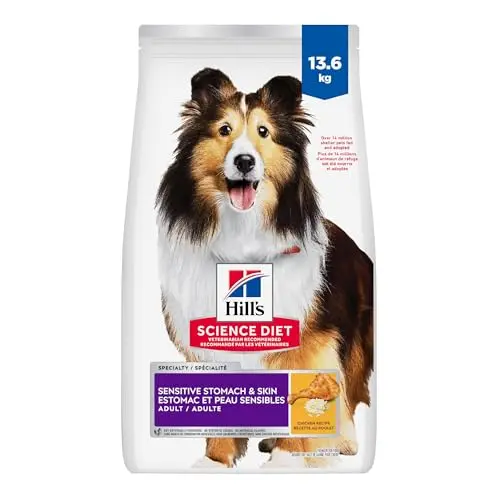
Sensitive Stomach & Skin Chicken Recipe – Gentle Digestion Support
A vet favourite for a reason, this formula is built around easily digestible ingredients and prebiotic fibre. It’s the go-to for dogs with recurring digestive issues or skin sensitivities, offering balanced nutrition without unnecessary fillers.
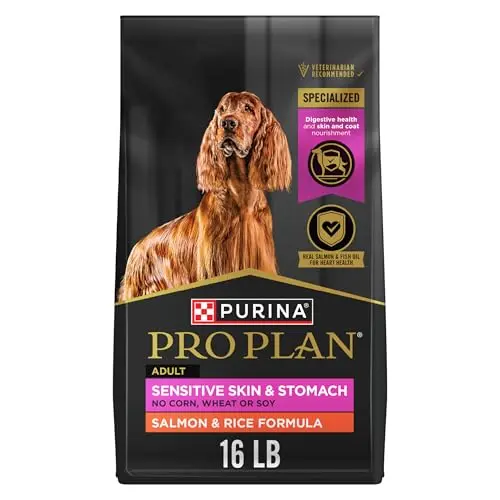
Sensitive Skin & Stomach Salmon & Rice – Omega-Rich Formula
Another breed-agnostic sensitive system formula, this one uses salmon as the primary protein for dogs that struggle with chicken-based recipes. It balances affordability with targeted nutrition, making it a smart choice for long-term feeding.
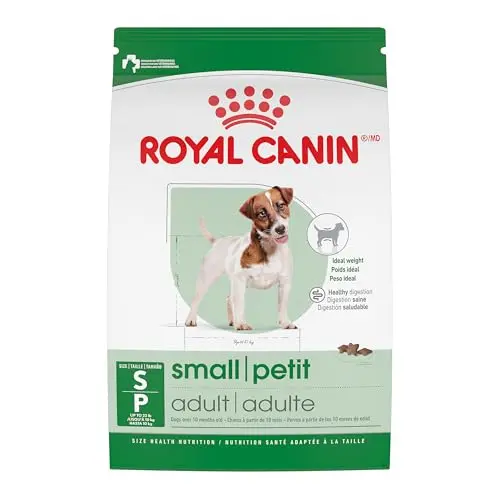
Small Breed Adult – Weight & Digestive Support
Built from the ground up for dogs under 22 lbs, this formula tackles the unique metabolism, jaw shape, and nutritional needs of small breeds. It’s a comprehensive diet that also maintains skin and coat health.
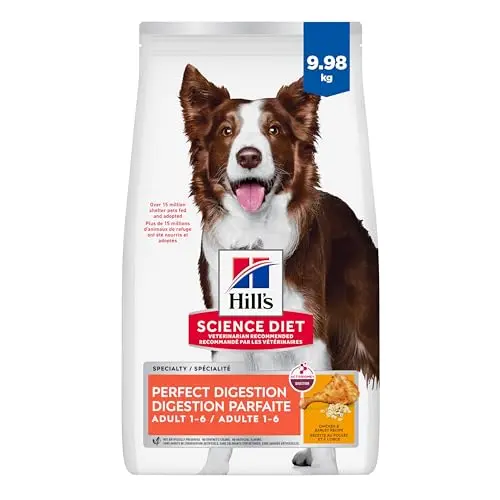
Perfect Digestion Chicken & Brown Rice – Microbiome Health
For dogs with chronically inconsistent stools, this formula promises visible improvement in just one week. It uses a proprietary prebiotic blend and whole grains to reset gut balance.
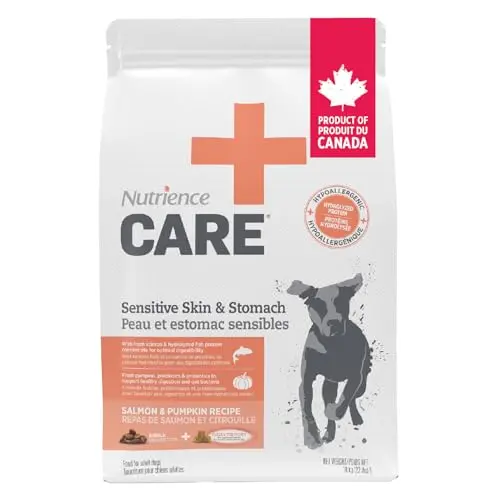
Care Sensitive Skin & Stomach Salmon – Canadian-Sourced Nutrition
A grain-free, limited ingredient diet anchored by fresh Canadian salmon. It’s ideal for pet owners seeking a locally sourced recipe that still addresses allergies and digestive sensitivities.
How We Evaluated These Dog Foods
We didn’t conduct controlled feeding trials in a veterinary clinic. What we did: cross-referenced 5 dog food formulas from 4 distinct brands across 5 decision axes – ingredient quality, digestive support, skin and coat health, breed suitability, and owner satisfaction. We triangulated published nutritional information, ingredient panels, and aggregated owner feedback where available, then mapped each product against representative buyer profiles: the allergy-prone dog, the picky small breed, the chronic loose stool case, and the budget-conscious pet parent.
The scoring framework weighted real-world performance (60%) – how well each formula delivers on its digestive and skin promises – against feature differentiation (40%) – unique nutritional technologies like prebiotic blends, novel proteins, and breed-specific kibble design. We have no commercial relationship with any of the brands featured; recommendations track fit and differentiation, not brand preference. If your dog struggles with both stomach and skin issues, the Hill’s Science Diet Sensitive Stomach & Skin is the most complete package. If salmon-based protein is your priority, the Pro Plan Sensitive Skin & Stomach delivers nearly identical results at a friendlier price.
How to Choose the Right Dog Food
Why Veterinarian-Recommended Dog Food Matters
When a food earns the vet-recommended label, it’s usually not just marketing. These brands invest in clinical research and formulation science that targets specific health conditions. Companies like Hill’s and Royal Canin employ veterinary nutritionists to design diets that address everything from protein allergies to microbiome health. You’re essentially buying into a body of evidence, not just a recipe. That said, a vet endorsement doesn’t mean every formula is right for every dog-breed, age, and individual sensitivities still matter. Use the recommendation as a starting point, then fine-tune based on your dog’s response.
Ingredients That Support Sensitive Digestion
Dogs with sensitive stomachs benefit from highly digestible proteins like chicken, salmon, or lamb, plus gentle carbohydrate sources such as oatmeal or brown rice. Look for added prebiotics (beet pulp, chicory root) and sometimes probiotics, which help maintain a balanced gut flora. Ingredients like pumpkin and ginger can naturally soothe the GI tract. Avoid foods with artificial colours, flavours, or preservatives, as these can trigger reactions. All of our top picks exclude unnecessary additives, keeping the ingredient lists clean and functional.
Understanding Protein Sources: Chicken vs. Salmon vs. Beef
Protein type often dictates whether a food will agree with your dog. Chicken is a classic, high-quality protein that most dogs tolerate well, but it’s also a common allergen. Salmon is an excellent alternative: it’s rich in omega-3s and rarely triggers allergies, making it ideal for dogs with skin or coat issues. Beef is nutrient-dense and highly palatable, though some dogs find it heavy. If you’re unsure which protein suits your dog, consider a limited-ingredient diet like Nutrience’s salmon recipe or rotate between brands to test tolerance. Pay attention to stool quality and skin condition after switching.
Grain-Free vs. Grain-Inclusive: Making the Right Choice
Grain-free diets rose to popularity as a way to avoid potential allergens and mimic ancestral eating. However, the FDA has investigated a possible link between grain-free foods and dilated cardiomyopathy (DCM) in dogs, prompting many vets to recommend caution. Whole grains like brown rice and oatmeal can actually support digestion by providing fibre and essential nutrients. Our picks for Hill’s and Royal Canin include grains, while Nutrience offers a grain-free option for dogs with confirmed grain sensitivities. Consult your vet before going grain-free, especially for breeds predisposed to heart issues.
Transitioning Your Dog to a New Food Without Upset Stomachs
A sudden diet change can cause vomiting or diarrhoea, even with a high-quality food. Follow a 7-day transition plan: day 1-2, mix 25% new food with 75% old; day 3-4, go to 50/50; day 5-6, 75% new; day 7, 100% new. If your dog has a particularly sensitive stomach, stretch this to 10-14 days. Adding a spoonful of plain canned pumpkin (not pie filling) during the switch can further ease digestion. Monitor your dog’s energy and stool throughout; if issues persist, consult your vet before continuing.
Hill's Science Diet vs. Purina Pro Plan: Which Sensitive Formula Is Right for Your Dog?
Both the Hill’s Science Diet Sensitive Stomach & Skin and Purina Pro Plan Sensitive Skin & Stomach target the same issues, but they take slightly different approaches. Hill’s relies on prebiotic fibre and vitamin E to tackle both gut and skin simultaneously, while Pro Plan uses salmon as a novel protein and adds joint-supporting omega-3s. Hill’s is often the first choice for dogs with multiple sensitivities, whereas Pro Plan shines if you suspect a chicken allergy or want a more budget-friendly long-term option. In practice, many vets recommend trying one, and if it doesn’t yield full improvement, switching to the other.
Frequently Asked Questions
What's the difference between Hill's Science Diet Sensitive Stomach & Skin and Purina Pro Plan Sensitive Skin & Stomach?
Both are designed for dogs with digestive and skin issues, but the Hill’s formula uses chicken and focuses heavily on prebiotic fibre and vitamin E. It’s a solid all-rounder for dogs with broad sensitivities. Pro Plan takes a salmon-and-oatmeal approach, which is ideal for chicken allergies, and adds omega-3s for joints. Pro Plan is often more affordable. If your dog has never reacted to chicken, start with Hill’s; if you suspect a poultry allergy, go Pro Plan. Either way, the sensitive stomach support is strong in both, so you can’t go far wrong.
Is Royal Canin Small Breed Adult food specifically necessary for small dogs, or can they eat regular adult dog food?
Small dogs can technically eat regular adult food, but Royal Canin Small Breed is precisely formulated to meet their higher metabolic rate and smaller jaw structure. The exclusive kibble shape encourages chewing rather than gulping, and the L-carnitine helps prevent weight gain-a common issue in less-active toy breeds. Regular large-kibble foods may pose a choking risk or lead to poor nutrient absorption simply because small dogs can’t crunch them properly. For optimal health and safety, a small-breed-specific diet is strongly recommended.
How quickly does Hill's Science Diet Perfect Digestion start working?
Hill’s claims visible improvement in stool quality within 7 days, thanks to its ActivBiome+ technology. Many owners corroborate this timeline, though some dogs may take up to two weeks to fully adjust. The prebiotic blend of whole grain oats and pumpkin works by nourishing beneficial gut bacteria, which takes a few days to establish. If you don’t see improvement after two weeks, consult your vet-there may be an underlying issue beyond diet.
Are any of these vet-recommended foods grain-free?
Yes-Nutrience Care Sensitive Skin & Stomach is both grain- and gluten-free, using sweet potato and peas as carbohydrate sources. This makes it suitable for dogs with confirmed grain sensitivities. However, the other picks (Hill’s and Royal Canin) contain nutritious whole grains like brown rice and oats, which are generally well-tolerated and support gut health. Unless your dog has a specific grain allergy, grain-inclusive formulas are typically recommended by vets due to concerns about grain-free diets and heart health.
Can I mix two of these sensitive stomach formulas for variety?
Mixing two high-quality sensitive formulas is possible, but proceed with caution. Start by blending a small amount of the new food with the old, following a gradual transition plan. Some dogs enjoy the rotation, and it can expose them to different protein sources and nutrient profiles. However, for dogs with severe digestive issues, sticking to one proven formula often yields the most consistent results. Monitor your dog’s stool and skin, and discontinue mixing if any adverse reactions occur.
Final Verdict
For most dogs, the Hill’s Science Diet Sensitive Stomach & Skin is the top choice-it’s the most complete vet-recommended formula, tackling both digestion and coat health with proven ingredients. If budget is a concern or you suspect a chicken allergy, the Purina Pro Plan Sensitive Skin & Stomach delivers nearly identical results at a friendlier price. Small breed owners should not overlook the Royal Canin Small Breed Adult, which addresses size-specific needs that generic foods ignore. And for those seeking a Canadian-sourced, limited-ingredient option, Nutrience Care stands out as a grain-free alternative that still respects skin and stomach sensitivities. Whichever you choose, a healthier, happier dog is just a bowl away.