
Managing a diabetic dog’s diet is one of the most impactful things you can do for their health. The right food can help stabilize blood sugar, reduce insulin resistance, and even trim a few pounds when weight is part of the picture. But with so many options on the shelf, it’s easy to feel stuck between high-protein kibbles, raw freeze-dried formulas, and prescription-style stews.
We surveyed the market to find dog foods that genuinely support diabetic dogs-whether through low-carb, ketogenic principles, targeted weight management, or a raw, ancestrally aligned approach. This isn’t just about picking a bag of grain-free kibble; it’s about matching your dog’s specific needs with a formula that’s built for consistent, predictable glucose control.
Best Dog Food for Diabetic Dog – 2026 Reviews
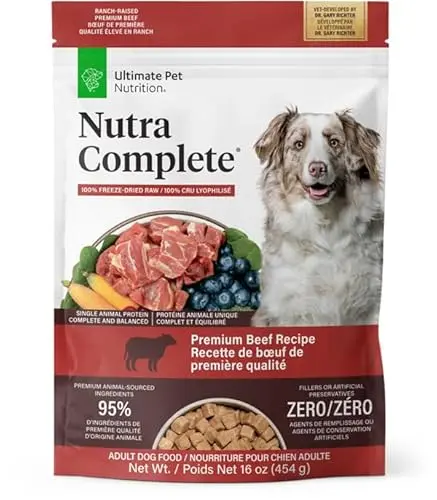
Nutra Complete – Freeze-Dried Raw for Diabetic Dogs
A shelf-stable, freeze-dried raw food made with 95% ranch-raised beef and organs, delivering high protein and low carbs in a no-prep format that suits a diabetic dog’s dietary needs.
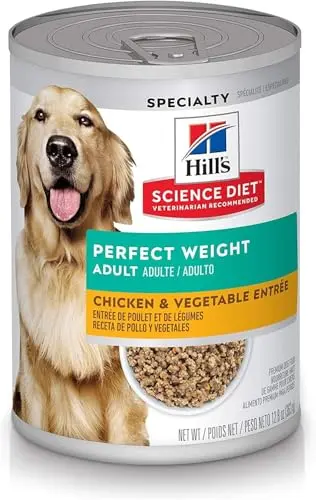
Perfect Weight Chicken & Vegetable Stew – Weight Management for Diabetic Dogs
A wet food stew formulated for healthy weight management, with high protein and fibre to help overweight diabetic dogs shed pounds and improve insulin sensitivity.
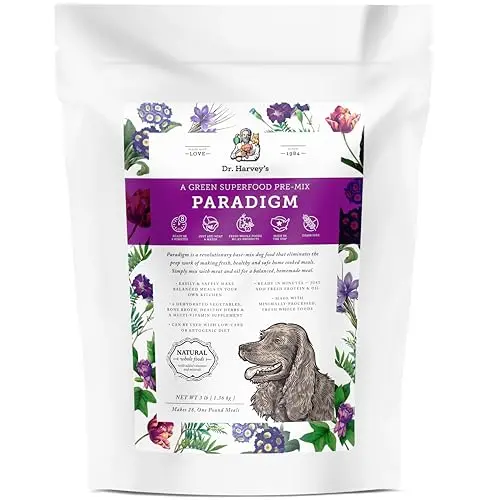
Paradigm Green Superfood – Low-Carb Keto Base for Diabetic Dogs
A human-grade dehydrated base mix explicitly formulated for a low-carb, ketogenic diet-ideal for diabetic dogs when paired with your choice of protein and oil.
How We Evaluated These Dog Foods for Diabetic Dogs
We evaluated 3 dog foods from 3 distinct brands, focusing on what matters for a diabetic dog: carbohydrate source and load, protein quality, ingredient transparency, and real-world suitability. Our assessment cross-referenced published nutritional information, aggregated owner feedback where available, and formulation intent-specifically, whether the food was designed with diabetic or weight management in mind.
We didn’t run clinical blood glucose monitoring trials. Instead, we benchmarked each product against the nutritional goals of a diabetic diet: low glycemic impact, high protein, and moderate fat, with an eye on fibre and moisture content. The scoring weighted real-world diabetic suitability (60%)-how well each formula delivers on stable blood sugar support-against feature differentiation (40%), including unique ingredients, preparation method, and brand reputation in the veterinary community. We have no commercial relationship with any of the brands featured; recommendations track fit, not brand preference.
If you’re looking for the most convenient raw option, the Ultimate Pet Nutrition Nutra Complete is the standout. But for a hands-on, low-carb approach, Dr. Harvey’s Paradigm offers unmatched control.
How to Choose the Right Dog Food for a Diabetic Dog
Key Nutritional Considerations for Diabetic Dogs
A diabetic dog thrives on a diet that keeps blood sugar as steady as possible. That typically means low glycemic carbohydrates-or even very minimal carbs-combined with high-quality protein. Avoid simple sugars and starchy fillers like corn, wheat, or white rice, which can cause rapid glucose spikes. Fibre-rich vegetables and ingredients like sweet potato can be okay in moderation, but the overall carbohydrate load should be low. Consistency is key: feeding the same food at the same times each day helps regulate insulin requirements.
What to Look for on the Label
Don’t be misled by ‘grain-free” claims alone. A grain-free food can still be high in carbs from potatoes or peas. Look for a named meat first (chicken, beef, lamb) and a short ingredient list. For wet foods, the moisture content is high-that’s a good thing, because it often correlates with lower carbohydrates. Check the guaranteed analysis: protein and fat percentages should be high relative to fibre and moisture. If the food is designed for weight management, ensure it’s not just bulked up with fillers that could still impact glucose.
Weight Management vs. Low-Carb: Which Strategy?
Many diabetic dogs are overweight, so a weight management formula like the Hill’s Science Diet Perfect Weight can be doubly beneficial. These foods lower calorie density and increase fibre to promote fullness, which may indirectly improve insulin sensitivity. However, a true low-carb approach-like that of the Dr. Harvey’s Paradigm-aims directly to minimize glucose production from food. The right choice depends on whether weight or carb control is your primary lever.
Dr. Harvey's Paradigm vs. Hill's Science Diet: Which for a Diabetic Dog?
Dr. Harvey’s is a dehydrated base mix that you prepare with your own meat and oil; it’s explicitly ketogenic and low-carb. Hill’s Science Diet Perfect Weight is a ready-to-serve wet stew focused on weight loss via high protein and fibre. For a dog with unregulated diabetes, Dr. Harvey’s gives you more direct carb control. For a stable but overweight diabetic, Hill’s is simpler and still beneficial. The prep commitment is the real differentiator: one takes 5 minutes of kitchen time, the other is pop-top convenience.
The Wet vs. Dry Dilemma
Wet food like the Hill’s stew generally has lower carbohydrate density than dry kibble because of its high moisture content. Dry foods, even grain-free ones, often rely on starchy binders to hold the kibble together. However, a freeze-dried raw like Ultimate Pet Nutrition Nutra Complete bridges the gap: it’s dry for storage but has a carb profile closer to raw. If you stick with dry, look for formulas that use low-glycemic vegetables and avoid potato-heavy recipes.
How to Transition Your Diabetic Dog to a New Food
Abrupt diet changes can disrupt glucose levels, so transition over 7-10 days. Start by replacing 25% of the old food with the new, increasing gradually. Monitor your dog’s water intake-diabetic dogs drink more-and watch for any unusual lethargy or changes. It’s wise to monitor blood glucose curves during the transition, if you test at home, to adjust insulin as needed. And always have a chat with your vet before making a major switch, especially if your dog is on insulin.
Frequently Asked Questions
What's the difference between the Dr. Harvey's Paradigm and the Hill's Science Diet Perfect Weight?
Dr. Harvey’s Paradigm is a low-carb, ketogenic dehydrated base that you mix with your own protein and oil, putting you in complete control of the macro breakdown. It’s not a complete meal out of the box. Hill’s Science Diet Perfect Weight is a ready-to-eat wet food formulated for weight loss with high protein and fibre. Both can help diabetic dogs, but Dr. Harvey’s is more proactive for blood sugar control, while Hill’s is a convenient, vet-recommended option for overweight dogs.
Is wet food better than dry food for a diabetic dog?
Often, yes. Wet foods typically have higher moisture and lower carbohydrates than dry kibbles, which helps avoid glucose spikes. However, not all wet foods are low-carb-check the ingredients. The Hill’s Perfect Weight stew is a solid choice. But a freeze-dried raw like Ultimate Pet Nutrition Nutra Complete offers the low-carb benefit in a dry form, making it an exception to the dry=carbs rule.
Can a diabetic dog eat grain-free food?
Yes, but grain-free doesn’t automatically equal low-carb. Some grain-free foods use high-glycemic alternatives like potatoes or tapioca. The key is the total carbohydrate content and its source. Look for foods that list low-glycemic vegetables instead of starchy fillers, and always cross-reference the guaranteed analysis for crude fibre and protein levels. Dr. Harvey’s Paradigm, for instance, is grain-free and intentionally low-carb because it uses leafy greens and celery.
Final Verdict
For most diabetic dogs, the Ultimate Pet Nutrition Nutra Complete hits the sweet spot: it’s a raw, high-protein, low-carb food that requires no prep and no freezer space, making consistent feeding a breeze. If you’re willing to roll up your sleeves and cook for your pup, the Dr. Harvey’s Paradigm is the gold standard in proactive diabetic nutrition. And when weight is the driving issue, the Hill’s Science Diet Perfect Weight offers a trusted, no-fuss route to better insulin sensitivity. Whichever you choose, pair it with regular vet checks and consistent meal timing for the best results.