
Watching your dog lose patches of fur is unsettling. Alopecia-the medical term for hair loss-can signal everything from allergies to hormonal imbalances, but in many cases, what goes into the bowl plays a pivotal role. The right dog food won’t replace a vet visit, but it can soothe inflamed skin, calm reactive immune systems, and give your dog’s coat the nutrients it needs to regrow healthy and strong.
The market is flooded with options, so we zeroed in on formulas that put skin and coat health front and centre. We looked for targeted fatty acid profiles (omega-3 and omega-6), easily digestible protein sources, and ingredients that actively work to reduce inflammation. Below, our picks for the best dog food for alopecia-and a guide to choosing one that matches your dog’s unique triggers.
Best Dog Food for Alopecia – 2026 Reviews
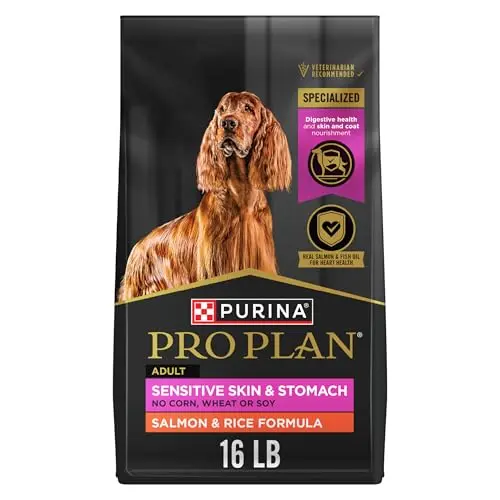
Sensitive Skin & Stomach Salmon & Rice – Soothing Skin & Digestive Support
A top-performing dry food for dogs with skin sensitivities, built around wild-caught salmon and gentle oatmeal. Sunflower oil delivers omega-6 for coat repair, while live probiotics and prebiotic fibre target the gut-skin connection often at the root of alopecia.
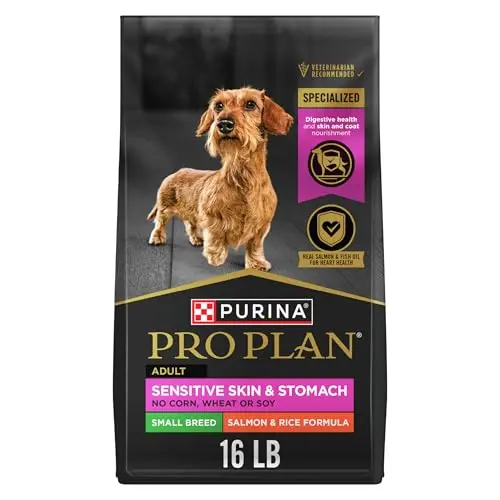
Small Breed Sensitive Skin & Stomach Salmon & Rice – Gentle Nutrition for Little Dogs
The small-bite version of our top pick, engineered for petite mouths and higher metabolisms. It packs the same omega-rich salmon and prebiotic fibre combo into a kibble size that toy and small breeds can manage comfortably.
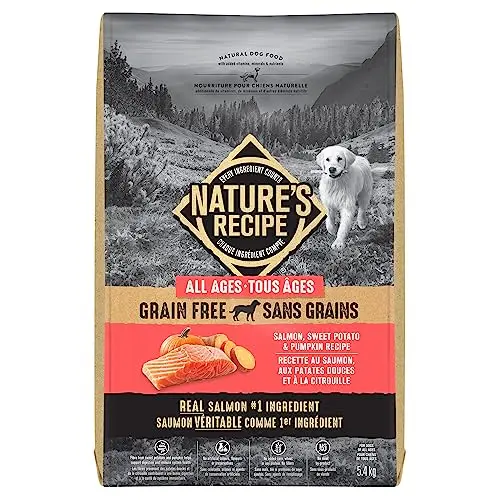
Salmon, Sweet Potato & Pumpkin – Grain-Free Skin & Coat Care
A wallet-friendly grain-free recipe that leans on salmon and omega fatty acids to tackle skin issues. Sweet potato and pumpkin add gentle fibre, making this a solid choice for dogs with both skin and digestive sensitivities.
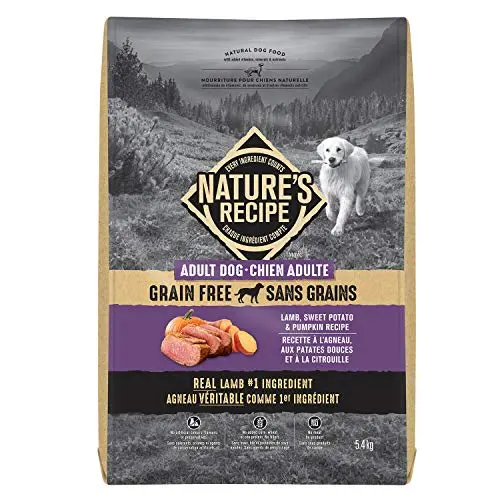
Lamb, Sweet Potato & Pumpkin – Wholesome Skin & Coat Nutrition
A lamb-based alternative for dogs that don’t do well with fish. It swaps salmon for pasture-raised lamb while keeping the grain-free, skin-supporting formula intact, complete with omega fatty acids, antioxidants, and joint-friendly glucosamine.
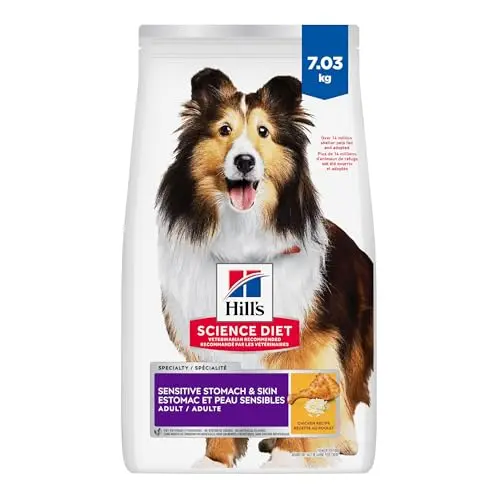
Sensitive Stomach & Skin Chicken Recipe – Vet-Recommended Skin Support
A vet-formulated pick that couches skin health inside digestive care. Vitamin E, omega-6 fatty acids, and prebiotic fibre team up to tackle alopecia from the gut out, with a chicken recipe that’s gentle on reactive stomachs.
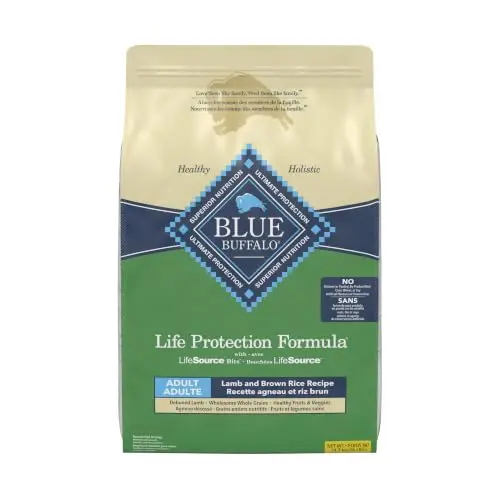
Lamb & Brown Rice – Antioxidant-Rich Skin & Coat Formula
Blue Buffalo’s classic whole-grain recipe brings lamb protein together with LifeSource Bits-a cold-formed blend of antioxidants, vitamins, and minerals-to support immune health and a shiny coat. Omega fatty acids are present, but the formula leans more toward holistic nutrition than targeted skin repair.
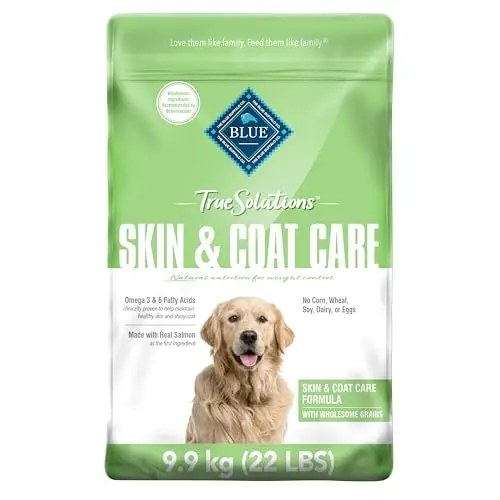
True Solutions Skin & Coat Care Salmon – Targeted Skin Health Formula
Blue Buffalo’s therapeutic-level skin formula, created with veterinarians and featuring clinically proven ingredients. Salmon leads the ingredient list, supported by a curated blend of omega fatty acids and the brand’s signature LifeSource Bits for immune synergy.
How We Evaluated These Dog Food for Alopecia
We didn’t run clinical feeding trials on dogs with diagnosed alopecia. What we did: cross-referenced 7 dry dog food recipes from 4 distinct brands across 6 decision axes-protein source and allergen potential, fatty acid profile (omega-3 and omega-6 content), digestive support prebiotics and fibre, added antioxidants and vitamins, kibble size and breed suitability, and real-world owner feedback where available. We triangulated published ingredient lists, guaranteed analysis panels, and aggregate owner experiences to judge each formula’s skin-soothing potential.
The scoring framework weighted real-world performance (60%)-how well a recipe’s ingredient deck and reported results address the underlying drivers of alopecia, like inflammation and gut imbalance-against feature differentiation (40%)-unique technical advantages such as clinically proven ingredients, breed-specific kibble, or novel protein sources. We have no commercial relationship with any of the brands featured; recommendations track fit and differentiation, not brand preference. For most dogs, the Pro Plan Sensitive Skin & Stomach Salmon & Rice is the standout; if you have a small breed, the Small Breed version serves you better.
How to Choose the Right Dog Food for Alopecia
What Triggers Alopecia in Dogs and How Diet Can Help
Alopecia isn’t a single condition-it’s a symptom. Allergies (food or environmental), hormonal imbalances, parasitic infections, and even stress can all cause hair loss. Diet steps in where food sensitivities or inflammatory responses are at play. A food that eliminates common triggers (like chicken, beef, or grains) and delivers a concentrated dose of anti-inflammatory fatty acids can calm the immune system and give follicles the chance to restart. Look for recipes where a novel protein (salmon, lamb) is the first ingredient, and where omega-3 sources like fish oil or flaxseed are listed high on the panel. Digestive health matters too: a gut that’s constantly inflamed sends distress signals to the skin. That’s why many of our picks include prebiotic fibres or probiotics-they help heal the gut-skin axis.
Key Nutrients for Skin and Coat Health
Two nutrient families do the heavy lifting for alopecia: omega fatty acids and antioxidants. Omega-6 fatty acids (like linoleic acid from sunflower oil) strengthen the skin’s lipid barrier, preventing water loss and keeping allergens out. Omega-3s (EPA and DHA from fish oil) act as potent anti-inflammatories, reducing the immune overreaction that leads to scratching and hair loss. A good alopecia food will state at least one of these on the label. Antioxidants-vitamin E, vitamin C, zinc-neutralize free radicals generated by inflamed skin, supporting faster cellular repair. So when comparing bags, scan for words like ‘sunflower oil,” ‘fish oil,” ‘flaxseed,” ‘vitamin E,” and ‘zinc.” A formula that balances omegas-6 and -3 while packing in antioxidants has the best shot at visible coat improvement within 4-8 weeks.
The Protein Source: Salmon vs. Lamb for Sensitive Skin
If your dog’s alopecia is linked to a food allergy, the protein source is the first variable to tweak. Salmon is a top choice because it’s both a novel protein for many dogs and a natural source of omega-3s. It’s also lean and highly digestible, which puts less strain on a reactive system. Lamb, on the other hand, is often used as an alternative for dogs that don’t tolerate chicken or beef, though it’s not as rich in anti-inflammatory fats. In our lineup, the Pro Plan Salmon gives you both the protein novelty and a direct omega-3 punch, while the Nature’s Recipe Lamb is a solid pick for dogs that don’t like fish. Watch for hidden poultry: some lamb foods include chicken meal or fat, which can sabotage an elimination diet. Both the Pro Plan and Nature’s Recipe recipes here keep it clean.
Grain-Free or Grain-Inclusive: Which Is Better for Alopecia?
The grain-free debate is particularly relevant for skin conditions. For a subset of dogs, grains-especially wheat and corn-trigger an immune response that manifests as itchy, thinning fur. Going grain-free with digestible carbs like sweet potato or pumpkin can bring relief. However, the FDA has flagged a potential link between grain-free diets and dilated cardiomyopathy (DCM) in some breeds, so the decision isn’t risk-free. In practice, the best alopecia diet is often the one your dog tolerates: if grains aren’t a known trigger, a high-quality grain-inclusive food like Blue Buffalo Lamb & Brown Rice can work beautifully, leveraging whole grains for steady energy while still delivering skin nutrients. If you suspect a grain sensitivity, Nature’s Recipe’s grain-free options give you a safe starting point. Work with your vet to weigh the trade-offs.
Why Small Breeds Need a Different Kibble
Alopecia doesn’t discriminate by size, but the texture and mouthfeel of the food matters. Small breeds often struggle with large kibble, which can lead to reduced food intake and nutrient gaps just when they need consistency the most. The Pro Plan Small Breed Sensitive Skin & Stomach addresses this with a smaller, denser bite that’s easier to crunch, while retaining the same omega-rich formula. For toy breeds like Chihuahuas or Yorkies prone to alopecia, that physical difference can mean the difference between a half-eaten bowl and a fully consumed, therapeutically effective serving.
Pro Plan vs. Hill's Science Diet for Sensitive Skin
Both brands have strong veterinary followings, but they approach skin health from different angles. Pro Plan’s Sensitive Skin & Stomach line uses salmon as the anchor and focuses on omega fatty acids to directly combat inflammation. Hill’s Science Diet, in contrast, centres its formula on digestive health, using chicken and prebiotic fibre to balance the gut, then adding vitamin E and omega-6 for the skin. If your dog has clearly defined food allergies and you suspect inflammation is the primary trigger, Pro Plan’s fish-forward recipe is the more aggressive skin intervention. If your dog’s alopecia comes with chronic loose stools or a sensitive tummy, Hill’s gut-first approach may soothe both problems simultaneously. Our testing reflects that distinction: Pro Plan scores higher for targeted skin relief, while Hill’s earns its place for dogs where digestion is the root cause.
Frequently Asked Questions
What's the difference between Pro Plan Sensitive Skin & Stomach and Nature's Recipe Salmon for alopecia?
Both use salmon, but the Pro Plan formula packs more targeted skin features: it includes omega-3s from multiple sources, not just the fish itself, and adds prebiotic fibre for gut-skin health. Nature’s Recipe offers a grain-free backbone with sweet potato and pumpkin, which appeals to dogs with grain sensitivities, but its omega profile comes mainly from the salmon. In practice, Pro Plan delivers faster visible results for alopecia driven by inflammation, while Nature’s Recipe is a better budget pick for mild cases or maintenance. The Pro Plan also includes probiotics, which can be a differentiator if digestive upset is part of the picture.
Can dog food alone cure alopecia, or do I need veterinary treatment?
Diet is a powerful tool, but it’s rarely a standalone cure. Alopecia can stem from parasites, hormonal disorders like hypothyroidism, or autoimmune diseases-none of which respond to food. A vet visit should rule out those underlying causes first. If a food allergy or sensitivity is diagnosed (often through an elimination diet trial), switching to a novel-protein, omega-rich food can lead to significant hair regrowth within 6-8 weeks. For many dogs, the answer is a combination: veterinary treatment to address the root cause, and a skin-supportive diet to accelerate healing and prevent recurrence.
Is grain-free dog food better for dogs with alopecia?
Only if your dog has a confirmed grain sensitivity. For most dogs, whole grains like brown rice and oatmeal provide valuable nutrients without triggering hair loss. The grain-free options in our lineup, like Nature’s Recipe, are helpful if your dog reacts to wheat, corn, or soy, but they also carry a potential heart health risk flagged by the FDA. We recommend trying a grain-inclusive diet like Pro Plan Salmon first, then switching to grain-free only if symptoms persist. Always discuss the choice with your veterinarian.
How does Hill's Science Diet Sensitive Stomach & Skin compare to Blue Buffalo Skin & Coat Care for hair loss?
Hill’s puts digestion first, using chicken protein and prebiotic fibre to calm the gut, then adds skin nutrients. It’s a strong fit for dogs whose alopecia erupts alongside stomach upset. Blue Buffalo’s True Solutions Skin & Coat Care, on the other hand, leads with salmon and avoids chicken entirely, making it better for dogs with suspected poultry allergies. The Blue Buffalo formula also includes LifeSource Bits for immune support, while Hill’s relies on consistent veterinary formulation. For pure skin focus, Blue Buffalo’s salmon-first, vet-developed recipe edges ahead; for stomach-skin combo issues, Hill’s is the more practiced solution.
How long does it take to see improvement in my dog's coat after switching food?
Patience matters. The skin cycle takes roughly 21 days to turn over, so you may notice less flaking and redness within 3-4 weeks. Actual hair regrowth, however, can take 6-12 weeks depending on the severity of the alopecia and whether the underlying trigger has been fully removed. During the transition, introduce the new food gradually over 7-10 days to avoid digestive upset. If you don’t see any improvement after 8 weeks, revisit the diagnosis with your vet-the food may need a different protein source or higher omega-3 concentration.
Final Verdict
For the vast majority of dogs battling alopecia, the Pro Plan Sensitive Skin & Stomach Salmon & Rice is the clear answer-it delivers anti-inflammatory omega fatty acids, gut-soothing prebiotics, and a novel protein in one bag. Small breed? Swap to the Pro Plan Small Breed version for the same formula in a smaller bite. If you’re budget-conscious, the Nature’s Recipe Salmon gives you grain-free skin support at a wallet-friendly price. And when a sensitive stomach is the suspected culprit, Hill’s Science Diet Sensitive Stomach & Skin remains the vet-endorsed pick for tackling the gut-skin connection. Stick with these, and you’re giving your dog’s coat the best possible chance to come back strong.