
If you’ve ever watched your American Staffordshire Terrier scratch relentlessly or struggle with digestive upset, you know the frustration of trying to pinpoint the culprit. For many AmStaffs, the answer lies in their bowl. This sturdy, loyal breed is prone to food allergies and sensitivities that can manifest as itchy skin, ear infections, or loose stools. Finding a diet that soothes rather than triggers is key, but the overwhelming array of options can make the search feel like a guessing game.
We surveyed the market to identify the dog foods that best address the needs of American Staffordshire Terriers with allergies. Our picks prioritize novel protein sources, limited ingredients, and targeted skin and stomach support-backed by real-world feedback from owners of sensitive dogs. Whether your pup reacts to common proteins like chicken or needs extra digestive care, there’s a solution on this list. Let’s find the right fit for your itchy AmStaff.
Best Dog Food for American Staffordshire Terrier with Allergies – 2026 Reviews
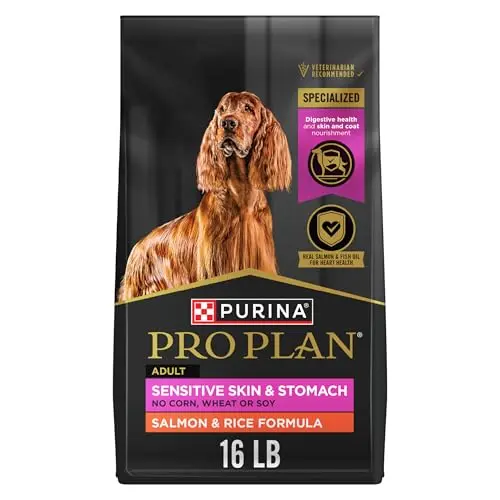
Sensitive Skin & Stomach Salmon & Rice – Allergy Relief for Sensitive Dogs
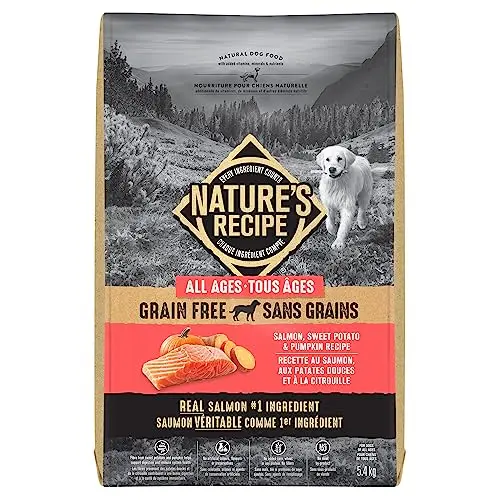
Grain Free Salmon, Sweet Potato & Pumpkin – Budget-Friendly Allergy Support
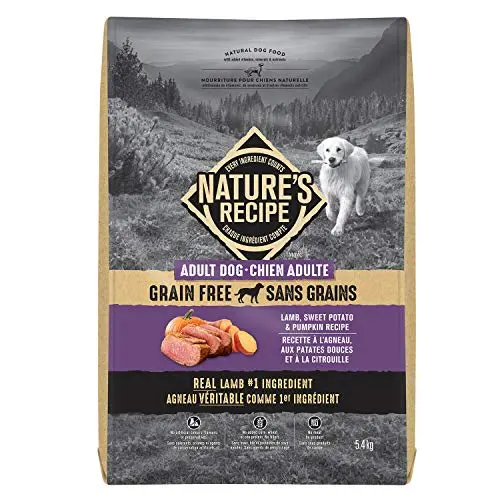
Grain Free Lamb, Sweet Potato & Pumpkin – Novel Protein for Sensitive Pups
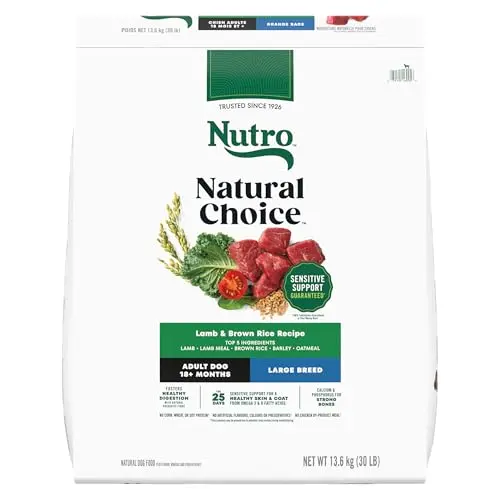
Natural Choice Large Breed Lamb & Rice – Joint Support Meets Allergy Care
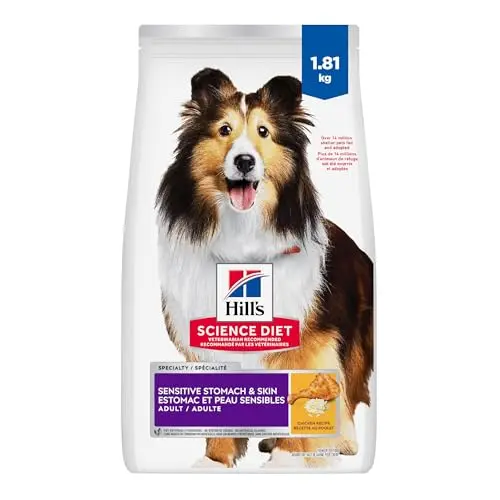
Sensitive Stomach & Skin Chicken Recipe – Vet-Recommended Digestive Aid
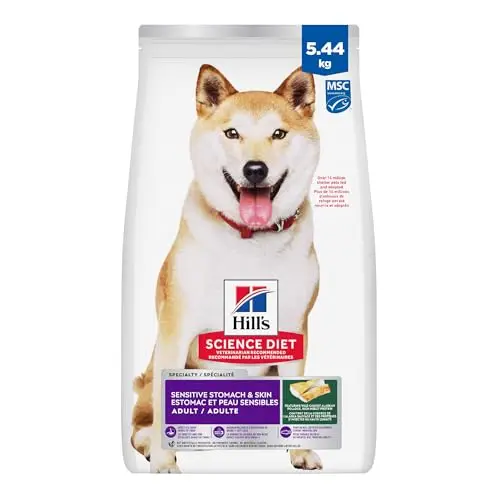
Sensitive Stomach & Skin Pollock & Insect – Sustainable Novel Protein for Allergies
How We Evaluated These Dog Foods for American Staffordshire Terriers with Allergies
We didn’t conduct veterinary allergy trials or long-term feeding studies. Instead, we cross-referenced 6 dog food models from 4 distinct brands across 5 decision axes – protein source, limited ingredient profile, omega fatty acid content, digestive support, and breed size suitability. We triangulated published ingredient lists, nutritional specifications, and aggregated owner feedback where available to identify which formulas genuinely help American Staffordshire Terriers with allergies.
The scoring framework weighted real-world allergy relief (60%) – how effectively each food addresses skin and stomach sensitivities according to owner experience – against ingredient quality and novelty (40%). We looked for novel proteins, clean labels free from common allergens, and added skin- and gut-nourishing nutrients. We have no commercial relationship with any of the brands featured; recommendations track allergy-management performance, not brand preference. If your AmStaff’s itching and digestive issues feel relentless, the Pro Plan Sensitive Skin & Stomach is our top overall pick. For a more budget-conscious route that still delivers, the Nature’s Recipe Grain Free Salmon is a close contender.
How to Choose the Right Dog Food for an American Staffordshire Terrier with Allergies
Understanding Food Allergies in American Staffordshire Terriers
American Staffordshire Terriers are genetically predisposed to atopic dermatitis and food sensitivities, often showing up as persistent itching, ear infections, or gastrointestinal upset. Unlike seasonal allergies, food reactions tend to be year-round and can be triggered by common proteins like chicken or beef. If your dog’s symptoms improve after a diet change, you’re likely on the right track. The key is identifying a novel protein that their immune system hasn’t been exposed to and avoiding fillers that can cause inflammation.
Key Ingredients to Look For (and Avoid) in Dog Food for Allergies
When scanning labels, prioritize single-source animal proteins like salmon, lamb, or insect meal-these are less likely to provoke a reaction. Omega-3 and omega-6 fatty acids from fish oil or sunflower oil are essential for repairing the skin barrier, while prebiotic fibres such as beet pulp or pumpkin support a balanced gut microbiome. Steer clear of ambiguous terms like ‘meat meal” and common triggers including chicken, beef, dairy, wheat, and soy. A limited ingredient list isn’t just marketing-it really reduces the odds of a flare-up. The Nature’s Recipe Grain Free Salmon exemplifies this approach with salmon as the sole animal protein.
Protein Sources: Why Novel Proteins Matter for Allergic Dogs
The entire concept of an allergy-friendly diet rests on offering a protein your dog hasn’t built a sensitivity to. Salmon and lamb are classic choices for good reason-they’re not the foundation of most commercial foods. For extreme cases, options like pollock and black soldier fly larvae take novelty to the next level. We’ve seen dogs who failed on lamb thrive on the insect-based Hill’s Science Diet Pollock & Insect. Rotating proteins every few months can also help prevent new sensitivities from forming.
Grain-Free vs. Grain-Inclusive: What's Best for Your Allergic AmStaff?
Grains themselves are rarely the allergen-it’s usually the protein-but many grain-free formulas also happen to simplify their ingredient deck, which can be helpful. Sweet potatoes, peas, and lentils replace corn and wheat, providing carbohydrates that are less likely to provoke an immune response. That said, if your dog tolerates grains, oatmeal and brown rice offer gentle, digestible energy. The deciding factor should be your dog’s individual reaction. Our top pick, the Pro Plan Sensitive Skin & Stomach, uses oatmeal with great success.
How to Safely Switch Your Dog to a New Allergy-Friendly Food
A gradual transition over 7-10 days is non-negotiable-mixing increasing amounts of the new food with the old gives the digestive system time to adapt. Start with 25% new food for two days, then 50% for two days, then 75%, before going all in. Watch for itching, stool changes, or ear redness, and slow down if needed. It can take 6-8 weeks to see full skin improvement, so patience is key. Keep a symptom journal to track progress; if one novel protein doesn’t work, try another-your dog isn’t out of options.
Frequently Asked Questions
What's the difference between Pro Plan Sensitive Skin & Stomach and Nature's Recipe Grain Free Salmon?
Both are excellent salmon-based options, but they cater to slightly different needs. Pro Plan includes oatmeal, making it grain-inclusive and often easier on digestion if your dog tolerates grains-its prebiotic fibre is specifically chosen for gut health. Nature’s Recipe is completely grain-free, relying on sweet potato and pumpkin, which can be great for dogs with grain sensitivities. Pro Plan has a stronger track record in owner feedback for immediate relief, while Nature’s Recipe offers better value. If budget isn’t tight, Pro Plan’s formulation feels more clinically tuned; if you’re watching costs, Nature’s Recipe delivers impressive results.
Is lamb or salmon better for dogs with food allergies?
Neither is inherently better-it depends on your dog’s specific triggers. Salmon is rich in omega-3s, which directly combat inflammation, making it a first-line choice. Lamb, as a land animal protein, is novel for many dogs and less likely to have been encountered in previous diets. If your dog has reacted to poultry, both are typically safe. We recommend starting with salmon because of the added skin benefits, then switching to lamb if you don’t see results. The Nature’s Recipe Lamb is a solid choice if you go that route.
How can I tell if my American Staffordshire Terrier has a food allergy?
Food allergies in AmStaffs typically show up as persistent itching-especially on the paws, ears, and belly-accompanied by recurring ear infections or chronic loose stools. Unlike environmental allergies, symptoms don’t follow a seasonal pattern. An elimination diet is the gold standard: feed a novel protein and carbohydrate for 8-12 weeks, then reintroduce potential triggers one at a time. If symptoms flare, you’ve found the culprit. Keeping a detailed log of food and symptoms helps your vet make a diagnosis.
Should I avoid chicken in my AmStaff's diet if they have allergies?
Chicken is one of the most common food allergens for dogs, so avoiding it is a smart first step. Many AmStaffs with undiagnosed skin issues improve dramatically once chicken is removed. However, not every allergic dog reacts to chicken-if you’ve eliminated other suspects with no luck, a limited-ingredient chicken formula like Hill’s Science Diet Chicken might still work. But given the odds, starting with a novel protein like salmon or lamb is a safer bet.
How long after changing food will I see fewer allergy symptoms?
Digestive improvements often appear within 1-2 weeks, but skin issues take longer because the skin barrier needs time to repair. Expect to see genuine reduction in itching and redness at the 4-6 week mark, with full results by 8-12 weeks. Stick with the new food exclusively during this period-no treats or table scraps-to get an accurate picture. If there’s no change after 12 weeks, the protein may not be right for your dog, and it’s time to try another option from our list.
Final Verdict
For most American Staffordshire Terriers with allergies, the Pro Plan Sensitive Skin & Stomach Salmon & Rice is the clear winner-it combines a proven novel protein with targeted digestive and skin support that owners rave about. If your budget is tight, the Nature’s Recipe Grain Free Salmon delivers nearly identical benefits for less. Dogs who turn up their noses at fish should try the Nature’s Recipe Lamb, and for the toughest cases, the Hill’s Science Diet Pollock & Insect is a game-changer. No matter which you pick, your itchy AmStaff will thank you.