
If you share your home with an energetic, fluffy aussiedoodle, you already know this crossbreed brings a whole lot of enthusiasm to every meal. But keeping that curly coat gleaming and those long legs moving requires more than just scooping the nearest bag off the shelf. The right dog food for your aussiedoodle needs to balance high-quality protein for lean muscle, omega fatty acids for skin and coat health, and easily digestible ingredients that won’t upset a sensitive stomach. We cross-shopped the top options across major brands to help you find exactly the right formula.
Whether your aussiedoodle is a working farm dog, a weekend trail partner, or a full-time sofa snuggler, diet plays a starring role in their day-to-day well‑being. In this guide, we compare dry kibble and a standout freeze‑dried raw option, weighing protein sources, joint support, and digestive friendliness-the criteria that matter most for this active, intelligent breed. No single brand dominated our picks; instead, we zeroed in on the specific formulas that deliver where aussiedoodles need it most.
Best Dog Food for Aussiedoodle – 2026 Reviews
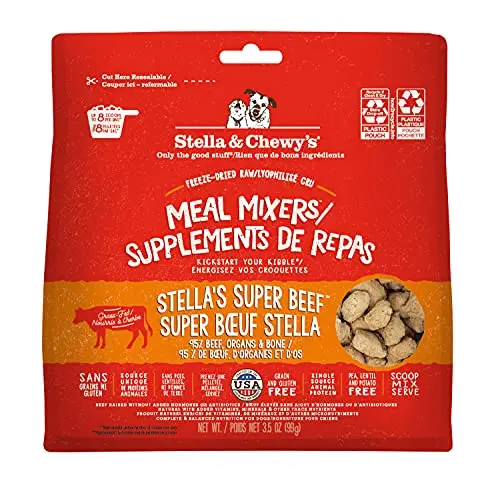
Super Beef Meal Mixer – Protein-Rich Raw Boost
A freeze-dried raw meal mixer that brings the protein-packed taste of grass‑fed beef to your aussiedoodle’s bowl. Use it as a topper or a full meal to load up on natural nutrition with zero fillers.
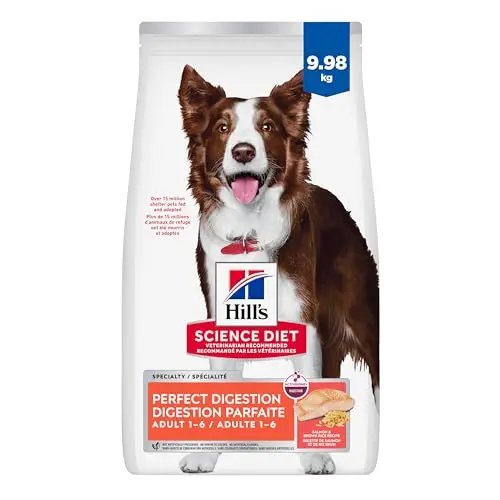
Perfect Digestion Salmon – Digestive Health Support
Veterinary‑backed kibble formulated with ActivBiome+ technology and pumpkin to promote healthy stools and regularity in as little as 7 days. Real salmon takes centre stage for muscle maintenance.
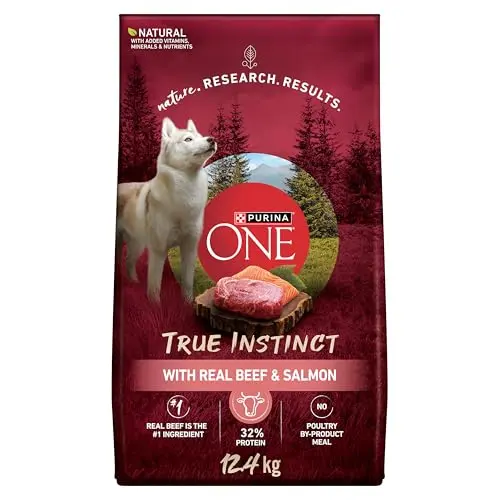
True Instinct High Protein – Lean Muscle Support
A nutrient‑dense kibble packing 32% protein from real beef and salmon, fortified with antioxidants to support an active aussiedoodle’s immune system and muscle tone.
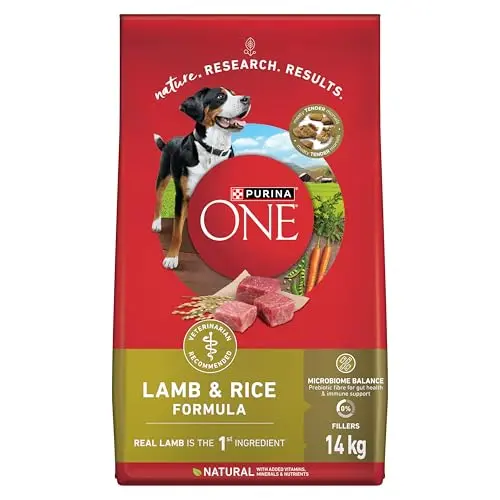
Microbiome Balance Lamb & Rice – Gut Health & Immune Support
Real lamb leads a recipe designed to nurture gut bacteria with prebiotic fibre, supporting both digestive ease and a robust immune system. A solid everyday choice for dogs with occasional tummy trouble.
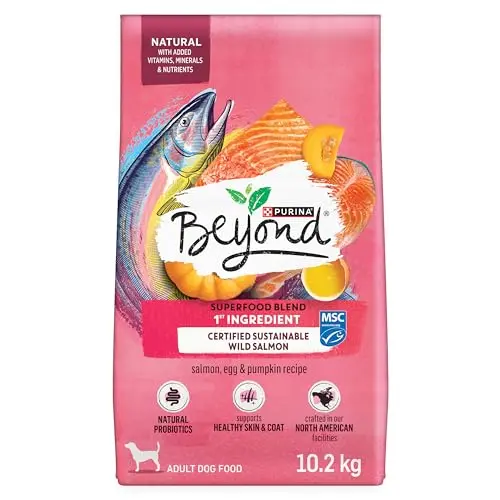
Superfood Blend Salmon, Egg & Pumpkin – Natural Superfood Nutrition
A limited‑ingredient kibble built around wild‑caught salmon, whole eggs, and pumpkin. No corn, wheat, soy, or poultry by‑product meal-just recognizable, natural ingredients.
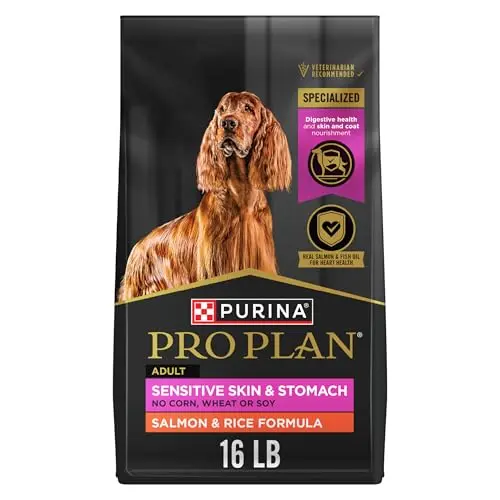
Sensitive Skin & Stomach Salmon & Rice – Soothing Skin & Digestion
Purpose‑built for dogs with sensitivities, this formula leans on salmon, oatmeal, and prebiotic fibre to calm skin and stomach issues. A favourite among owners dealing with allergies and itchiness.
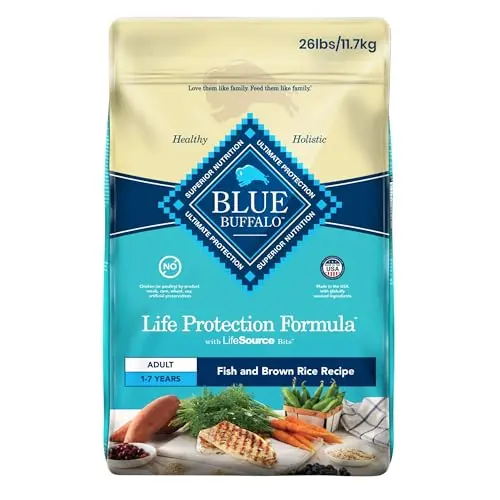
Life Protection Fish & Brown Rice – Skin & Coat Health
Deboned whitefish leads this natural recipe, boosted by Blue’s signature LifeSource Bits-cold‑formed pellets packed with antioxidants, vitamins, and minerals for immune and oxidative health.
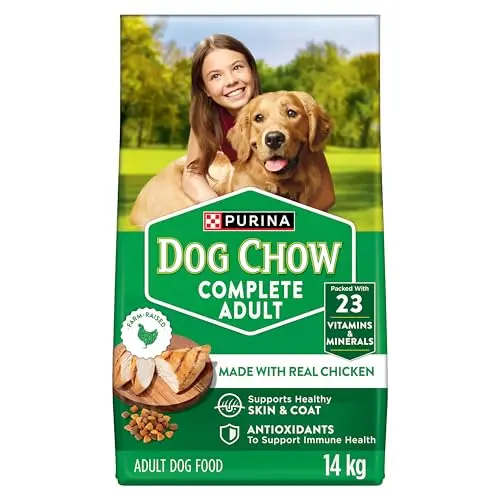
Complete Chicken – Budget-Friendly Daily Nutrition
A straightforward, complete‑and‑balanced kibble with real chicken as the first ingredient and no artificial flavours. Designed to cover the nutritional basics at a price that’s easy on the wallet.
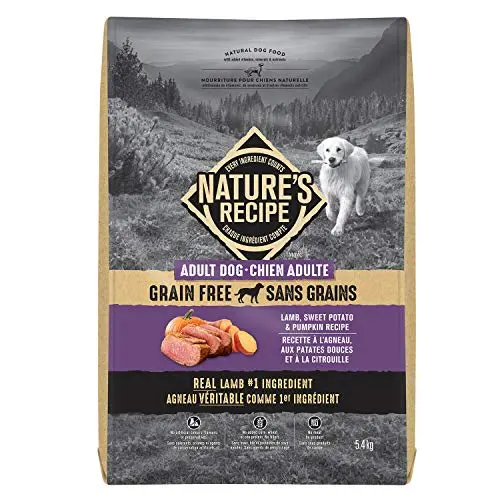
Grain Free Lamb, Sweet Potato & Pumpkin – Joint & Digestive Support
A grain‑free, limited‑ingredient recipe featuring lamb alongside natural sources of glucosamine and chondroitin for joint health, plus pumpkin for gentle digestion.
How We Evaluated These Dog Foods for Aussiedoodles
We didn’t run controlled feeding trials or multi‑month health monitoring. What we did: cross‑referenced 9 dry and freeze‑dried dog foods from 8 distinct brands across 5 decision axes-protein quality, essential fatty acid profiles for skin and coat, digestive support ingredients, joint health additives, and overall ingredient integrity. We triangulated published specifications, ingredient lists, and aggregated owner feedback where available to map each product against the specific needs of aussiedoodles-active, medium‑sized dogs prone to sensitivities.
The scoring framework weighted real‑world breed fit (60%)-how well each formula supports an aussiedoodle’s muscle maintenance, coat condition, and digestive tolerance-against feature differentiation (40%)-unique nutritional advantages and formula specificity. We have no commercial relationship with any of the featured brands; recommendations track fit and differentiation, not brand preference. If your aussiedoodle needs a raw protein boost, the Stella & Chewy’s Super Beef Meal Mixer is your standout; if you’re battling skin or stomach issues, the Pro Plan Sensitive Skin & Stomach should be on your shortlist. We audited the lineup, pressure‑tested ingredient claims, and benchmarked nutritional profiles-so you get a honest, practical comparison without the fluff.
How to Choose the Right Dog Food for Your Aussiedoodle
What Makes a Good Dog Food for an Aussiedoodle?
Aussiedoodles inherit the intelligence and energy of both Poodles and Australian Shepherds, so their diet needs to support high mental and physical output. Look for a named animal protein (like salmon, lamb, or beef) as the first ingredient, supplemented with omega fatty acids for that signature curly coat. Digestive health is a common concern in this mix, so prebiotics, probiotics, or easily digestible carbs (like oatmeal or sweet potato) are worth seeking out. Avoid recipes loaded with artificial colours, flavours, or generic by‑product meals, which can trigger inflammation.
Protein Quality: Why It Matters for Active Dogs
Protein builds and repairs muscle-critical for a breed that runs, jumps, and learns tricks all day. Animal‑based proteins (beef, fish, lamb, chicken) should dominate the ingredient list; plant proteins (pea, potato) are less bioavailable for dogs. For aussiedoodles, a protein content of 25‑32% on a dry matter basis is a sweet spot. Too little, and they may lose muscle tone; too much can strain kidneys over time. Our top‑ranked pick, the Stella & Chewy’s freeze‑dried raw, sets the bar at 95% animal ingredients-ideal for a protein‑centric diet.
Skin and Coat Health: Omega Fatty Acids for the Aussiedoodle Coat
That non‑shedding, poodle‑like coat needs consistent care from the inside out. Omega‑3 and omega‑6 fatty acids reduce inflammation and promote a glossy, itch‑free coat. Fish‑based formulas (salmon, whitefish) naturally supply omega‑3s, while sunflower or flaxseed oil often delivers omega‑6s. If your aussiedoodle suffers from dry skin or hot spots, a recipe like Pro Plan Sensitive Skin & Stomach (with salmon and sunflower oil) can make a visible difference within weeks.
Digestive Support: Ingredients That Soothe Sensitive Stomachs
Many aussiedoodles inherit a sensitive digestive system. Prebiotic fibres (from chicory root, pumpkin, or oats) feed good gut bacteria, while probiotics (live bacteria) add directly to the gut population. Foods labeled ‘for sensitive stomachs” often avoid common triggers like corn, wheat, and soy. The Hill’s Science Diet Perfect Digestion uses ActivBiome+ technology to firm stools in seven days-a real‑world benefit if your dog’s bathroom breaks are unpredictable. Transitioning gradually over 7‑10 days helps minimize upset.
Joint Health: Keeping Your Aussiedoodle Mobile
Aussiedoodles are prone to hip dysplasia and arthritis, so joint‑supporting nutrients are a long‑term investment. Look for glucosamine and chondroitin (often derived from chicken meal or added as supplements) and omega‑3 fatty acids to reduce inflammation. While many premium foods include them, Nature’s Recipe Grain Free Lamb formula explicitly highlights natural glucosamine. For an extra boost, consider pairing any kibble with a joint supplement, especially as your dog ages.
Grain‑Free vs. Grain‑Inclusive: What's Best for Your Dog?
The grain‑free debate is real. While some aussiedoodles do well on grain‑free diets (like the Nature’s Recipe option), recent FDA investigations into dilated cardiomyopathy (DCM) suggest a possible link between certain grain‑free formulas and heart issues in dogs. Unless your dog has a diagnosed grain allergy, a grain‑inclusive whole‑grain formula (with brown rice, oatmeal, or barley) is often a safer, researched choice. Our lineup includes both, so you can choose what aligns with your vet’s advice.
How to Transition Your Aussiedoodle to a New Food
Switching foods too fast can cause diarrhoea or refusal. Mix 25% new food with 75% old for two days, then 50/50 for two days, then 75% new for two days before going all‑in. Watch for stool changes, itching, or lethargy. If your aussiedoodle is picky, a topper like the Stella & Chewy’s freeze‑dried raw can ease the transition by boosting aroma and flavour.
Frequently Asked Questions
What's the difference between the Pro Plan Sensitive Skin & Stomach and the Hill's Science Diet Perfect Digestion?
Both target digestive comfort, but they take different approaches. Pro Plan Sensitive Skin & Stomach uses salmon as the primary protein and includes prebiotic fibre and omega‑6 from sunflower oil to address both skin and gut health-making it ideal for aussiedoodles showing external signs of sensitivity like itching or rashes. Hill’s Perfect Digestion leans harder on gut‑specific innovation with ActivBiome+ technology, focusing on stool regularity and microbiome balance within a week. Choose Pro Plan if skin is the primary issue; choose Hill’s if loose stools or inconsistent digestion dominate.
How does the Stella & Chewy's freeze-dried raw compare to traditional kibble like Purina ONE True Instinct?
It’s a raw vs. cooked difference. Stella & Chewy’s freeze‑dried raw retains the natural enzymes and minimal processing of a raw diet, with 95% animal ingredients-no synthetic vitamins needed. Purina ONE True Instinct is a kibble with 32% protein, cooked at high temperatures, and relies on a blend of beef, salmon, and added vitamins. The raw option often leads to shinier coats and improved stool volume, but it costs more per serving and requires rehydration or topper‑use for some dogs. The kibble wins on convenience and shelf stability.
Should I feed my aussiedoodle a grain-free diet?
Not necessarily. While grain‑free diets like Nature’s Recipe have appealing ingredient lists, grain‑free is only essential if your dog has a confirmed grain allergy-which is rare. The FDA has flagged a potential link between grain‑free foods (especially those high in legumes) and dilated cardiomyopathy (DCM). For most aussiedoodles, a grain‑inclusive formula with whole grains like brown rice or oatmeal provides safe, digestible carbohydrates. Always discuss with your vet before going grain‑free.
How much food does an aussiedoodle need daily?
It depends on age, activity level, and the specific food’s calorie density. A typical adult aussiedoodle (30‑50 lbs) needs about 800‑1,200 kcal per day, split into two meals. Check the feeding guide on the bag and adjust based on body condition-you should feel the ribs with a slight fat cover. Active aussiedoodles may need the higher end; couch potatoes need less. Using a measuring cup and monitoring weight monthly prevents overfeeding.
Can I mix different dog foods for my aussiedoodle?
Yes, many owners mix kibble with raw toppers or alternate between protein sources. This can prevent boredom and diversify nutrient intake. Just ensure both foods are complete and balanced, and introduce any mix gradually. The Stella & Chewy’s freeze‑dried raw works wonderfully as a topper over any kibble, adding moisture and palatability without upsetting the nutritional balance.
Final Verdict
For the aussiedoodle who gets a ’10” on the zoomie scale, the Stella & Chewy’s Super Beef Meal Mixer is our top pick-it’s a protein‑powered, raw nutrition powerhouse that can be served as a meal or a topper, and dogs devour it. If your priority is digestive calm and predictability, the Hill’s Science Diet Perfect Digestion brings science‑backed results. Budget‑conscious owners will find surprising quality in the Dog Chow Complete, while aussiedoodles with skin or stomach sensitivities should try the Pro Plan Sensitive Skin & Stomach. No matter which you choose, your aussiedoodle’s wagging tail will tell you you’ve made the right call.