
Bringing home a Bernese Mountain Dog puppy is all at once exciting, heart-melting, and slightly daunting-especially when you realize that everything from bone growth to brain development hinges on what’s in their bowl. These gentle giants pack on weight fast, sometimes hitting 50 kg in the first year, and that rapid growth rate means they need a diet that balances calcium, phosphorus, protein, and joint-supporting nutrients without pushing them into unhealthy overgrowth.
The puppy food aisle is a maze of bright bags and bold claims, but not all formulas work for a breed that’s deep-chested and predisposed to joint issues. We surveyed the market-cross-referencing ingredient lists, nutrient profiles, and owner feedback-to find the options that genuinely serve your Berner pup’s first year. Whether you’re after a large-breed tailored formula, something for a sensitive stomach, or a clean-label staple, this guide cuts through the noise.
Best Dog Food for Bernese Mountain Dog Puppies – 2026 Reviews
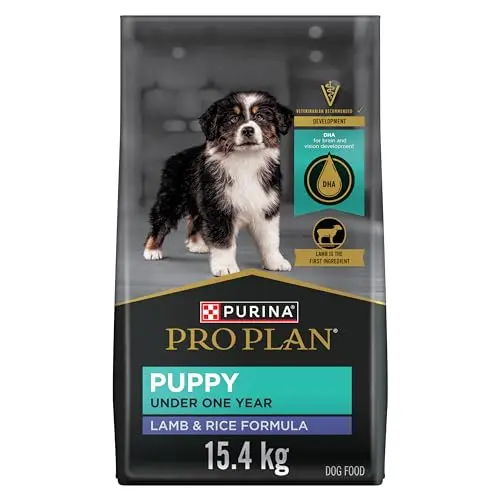
Development Lamb & Rice – DHA-Rich Brain & Vision Support
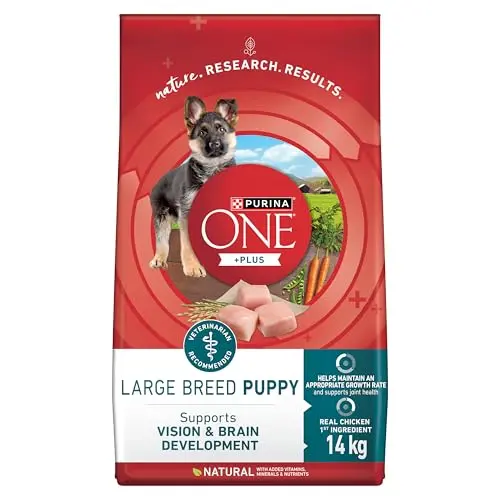
Large Breed Puppy Chicken – Joint-Supporting Glucosamine
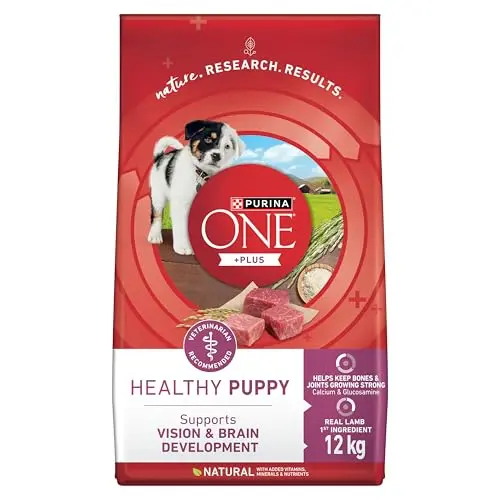
Healthy Puppy Lamb – Digestible Oatmeal & Rice
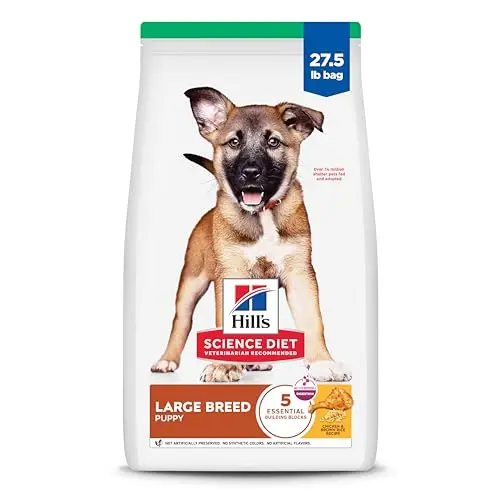
Puppy Large Breed Chicken – Controlled Calcium Growth
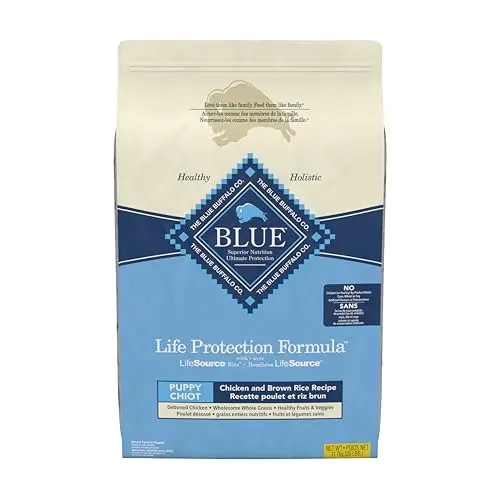
Life Protection Puppy Chicken & Brown Rice – No Corn, Wheat, or Soy
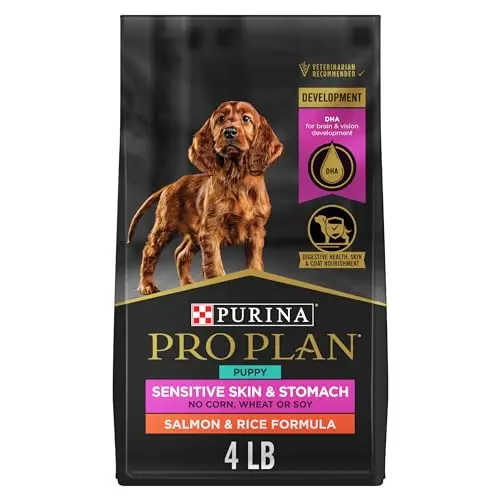
Sensitive Skin & Stomach Salmon & Rice – Gentle Digestion
How We Evaluated These Dog Foods for Bernese Mountain Dog Puppies
We didn’t conduct controlled feeding trials or vet-supervised growth studies. What we did: cross-referenced 6 large-breed puppy foods from 4 distinct brands across 5 decision axes-protein quality, joint support ingredients, DHA content, digestibility, and nutrient balance for large breed growth. We triangulated published specifications, ingredient decks, and aggregated owner feedback where available, then mapped each formula against the specific needs of a rapidly growing deep-chested breed like the Bernese Mountain Dog.
The scoring framework weighted real-world performance (60%)-how well each formula delivers on joint health, cognitive development, and digestive tolerance-against feature differentiation (40%)-unique ingredients like glucosamine, live probiotics, or grain-free options. We have no commercial relationship with any of the brands featured; recommendations track fit and differentiation, not brand preference. If you’re looking for a single balanced formula that covers the essential bases, the Purina Pro Plan Lamb & Rice is our top pick. If joint health is your priority, the Purina ONE Large Breed is purpose-built for the task.
How to Choose the Right Dog Food for a Bernese Mountain Dog Puppy
What Does a Bernese Mountain Dog Puppy Need in Their Food?
Bernese Mountain Dogs are a large, fast-growing breed with a deep chest and a genetic predisposition to joint issues like hip and elbow dysplasia. That means their puppy food needs to balance controlled calcium and phosphorus to keep bones growing at a steady, healthy pace-too fast, and you risk developmental orthopaedic disease. Look for a food with an appropriate calcium-to-phosphorus ratio, ideally around 1.2:1, and avoid over-supplementation.
Beyond minerals, DHA from fish oil is critical for brain and vision development during the first year. A quality puppy food will list a guaranteed amount of DHA, often above 0.1%. For joint support, glucosamine and chondroitin are beneficial-some large breed formulas include them naturally from ingredients like chicken meal or fish meal. Finally, because Berners can be prone to bloat, a larger kibble size that encourages chewing and slower eating is a plus.
Large Breed Formulas vs. All-Breed Puppy Foods
If you’re choosing between a large breed specific formula (like the Purina ONE Large Breed or Hill’s Science Diet Large Breed) and a regular all-breed puppy food, the key difference is nutrient density and mineral balance. Large breed formulas typically have lower fat and calorie density to prevent excessive weight gain on growing joints, and they tightly control calcium. All-breed foods can still work for a Bernese if they’re from a reputable brand and you monitor growth, but they may not have that same built-in safeguard. If your pup comes from a line with known hip issues, a dedicated large breed food is worth the small extra effort.
Key Nutrients: DHA, Glucosamine, and Probiotics Explained
DHA (docosahexaenoic acid) is an omega-3 fatty acid that supports the development of the brain and eyes. It’s naturally found in mother’s milk, and most premium puppy foods now add it via fish oil. Glucosamine is a compound that helps build cartilage, and while puppies produce it naturally, breeds prone to dysplasia benefit from dietary sources. Finally, live probiotics like those in the Pro Plan Lamb & Rice can ease transitions and maintain gut health-a big deal for pups with delicate stomachs.
Chicken, Lamb, or Salmon? Choosing the Right Protein Source
Chicken is the most common protein in puppy food and works for most dogs, but some Berners develop sensitivities to poultry. Many owners opt for lamb as a novel protein-it’s highly palatable and less likely to trigger allergies. Salmon, used in the Pro Plan Sensitive Skin & Stomach, provides natural omega-3s that soothe skin and reduce inflammation. If your puppy has consistent soft stools or itchy skin, switching protein sources is a logical first step.
Kibble Size and the Risk of Bloat in Deep-Chested Breeds
Bloat, or gastric dilatation-volvulus (GDV), is a life-threatening emergency that disproportionately affects deep-chested breeds like Bernese Mountain Dogs. While no food can prevent bloat, strategies like feeding larger kibble to slow down eating, avoiding exercise right after meals, and splitting daily portions into multiple feedings can reduce risk. Foods designed for large breeds tend to have bigger, chunkier kibble that naturally slows consumption-the Purina ONE Large Breed and Hill’s Science Diet Large Breed both do this well.
Frequently Asked Questions
Do Bernese Mountain Dog puppies need a large breed puppy food?
They don’t absolutely require one, but a large breed formula is strongly recommended. Large breed puppy foods have lower calcium and calorie density, which helps prevent rapid growth that can strain developing joints. Given the breed’s predisposition to hip and elbow dysplasia, a dedicated large breed food like the Purina ONE Large Breed or Hill’s Science Diet Large Breed offers tailored peace of mind.
What's the difference between Purina Pro Plan Lamb and Purina ONE Large Breed Chicken?
Both are high-quality, but they serve different priorities. The Purina Pro Plan Lamb & Rice focuses on brain development (DHA) and digestive health (live probiotics) in an all-breed formula with a novel protein source. The Purina ONE Large Breed Chicken is specifically engineered for large breeds, with added glucosamine for joints and larger kibble to slow eating. If joint health is your top concern, go with the Large Breed; if you want digestive support and a lamb protein, the Pro Plan is a stronger fit.
Can I feed grain-free food to my Bernese puppy?
We’d recommend against it unless your veterinarian advises it for a specific allergy. The FDA has investigated a potential link between grain-free diets and dilated cardiomyopathy (DCM) in dogs, and large breeds may be particularly susceptible. All the foods we recommend contain whole grains like rice, oatmeal, or barley, which provide healthy carbohydrates and fibre. Unless your puppy has a confirmed grain allergy, stick with a grain-inclusive formula.
How much should I feed my Bernese Mountain Dog puppy?
Bernese puppies grow fast, so you’ll need to adjust portions frequently. Start with the feeding guide on the bag based on your pup’s current weight and age-typically, a 10-week-old, 10-kg puppy might eat 2-3 cups per day split across three meals. Increase gradually as they gain weight, but monitor their body condition: you should feel ribs with a thin layer of fat, and they should have a visible waist. Avoid free-feeding, which can lead to obesity and joint stress. If you’re unsure, consult your vet, especially around the 6-month mark when growth begins to slow.
When should I switch from puppy food to adult dog food for a Bernese?
Most Bernese Mountain Dogs should stay on a large breed puppy formula until they’re 12-18 months old. Because these dogs don’t reach full physical maturity until about two years, switching too early can rob them of nutrients needed for final bone and joint development. Look for signs like slowing growth rate and a more filled-out frame, and then transition slowly over 7-10 days to a high-quality adult large breed food.
Final Verdict
For most Bernese Mountain Dog puppies, the Purina Pro Plan Lamb & Rice is the standout-it nails brain development with DHA, supports digestion with live probiotics, and uses a high-quality lamb protein that’s gentle on stomachs. If you want a food built from the ground up for large breeds, the Purina ONE Large Breed adds glucosamine and larger kibble that directly addresses joint and bloat risks. And if your pup shows signs of food sensitivity, the Pro Plan Salmon is purpose-built for calm digestion. All three come from brands with strong safety records, giving you a confident starting point for your Berner’s first year.