
There’s no polite way around it: boxers are magnificent, goofy, loyal companions – and they can clear a room faster than a skunk. That signature boxer gas often traces back to a sensitive digestive system that doesn’t process certain ingredients well. The right food can transform the air quality in your home while keeping your boxer healthy and comfortable.
We looked across the market for dry dog foods specifically designed with digestive health in mind – formulas with highly digestible proteins, prebiotic fibres, and limited ingredient lists that skip common gas-producing fillers. Whether your boxer does best on salmon, lamb, or chicken, there’s a pick here tuned to ease that rumbly tummy.
Best Dog Food for Boxers with Gas – 2026 Reviews
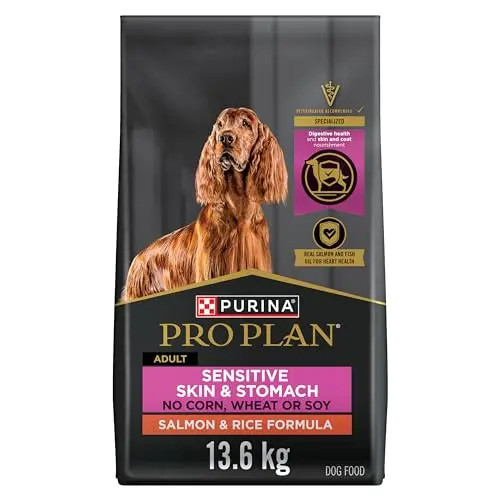
Sensitive Skin & Stomach Salmon & Rice Formula – Digestive-Soothing Omega-Rich Recipe
A purpose-built formula that tackles the twin challenges of sensitive digestion and skin health, with real salmon as the first ingredient and no artificial colours or flavours.
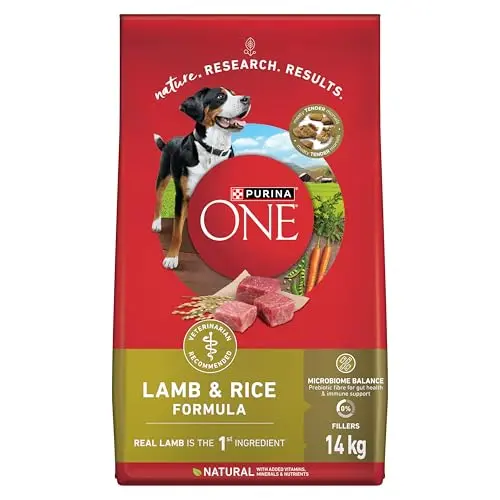
Microbiome Balance Lamb & Rice – Prebiotic Packed Gut Health
A smart balance of affordability and digestive science, this lamb-and-rice formula leans on prebiotic fibre to support a healthy gut microbiome – a direct line to less gas.

Superfood Blend Salmon, Egg & Pumpkin – Limited Ingredient Digestive Ease
A limited-ingredient approach that leans on wild-caught salmon and pumpkin to keep digestion simple and calm, without corn, wheat, or soy.
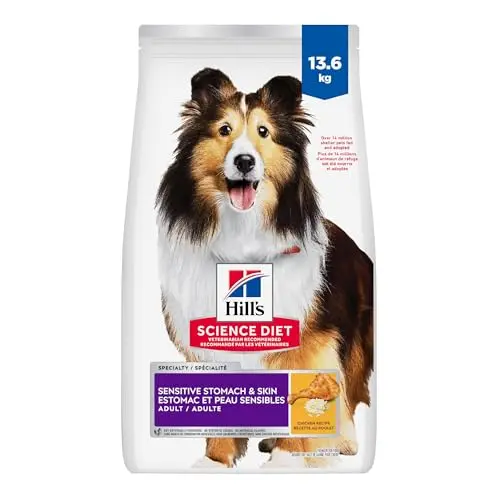
Adult Sensitive Stomach & Skin Chicken Recipe – Clinically Backed Gentle Digestion
The formula Canadian vets trust most for their own dogs, built around highly digestible chicken and prebiotic beet pulp to soothe both stomach and skin.

True Instinct Beef & Salmon – High-Protein Energy Without Compromise
A protein-packed blend for active boxers, with real beef and salmon, though digestive payoffs vary by individual dog.
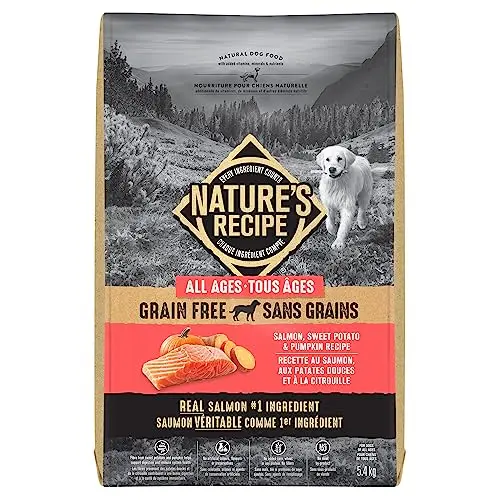
Grain Free Salmon, Sweet Potato & Pumpkin – Omega-Rich Skin & Digestion Support
A grain-free formula that pairs salmon’s omega-3s with pumpkin’s digestive-soothing fibre, all with no artificial additives.
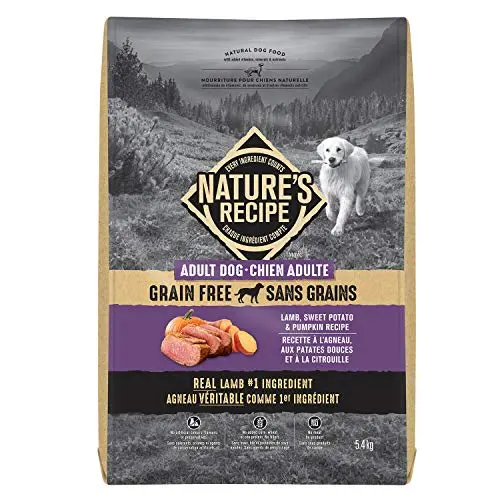
Grain Free Lamb, Sweet Potato & Pumpkin – Hearty Protein with Digestive Fibre
A lamb-based, grain-free recipe that leans on sweet potato and pumpkin to deliver gentle, gas-reducing fibre alongside clean protein.

Life Protection Formula Fish & Brown Rice – Wholesome Ingredients for Sensitive Systems
A fish-first, chicken-free recipe with immunity-boosting LifeSource Bits, though not specifically targeted at gas reduction.
How We Evaluated These Dog Foods for Boxers with Gas
We didn’t conduct controlled digestion trials or gas chromatography. What we did: cross-referenced 8 dry dog food models from 6 distinct brands across 6 decision axes – digestibility (prebiotic/probiotic content and fibre sources), ingredient quality (real meat vs. by-products), protein source (novel vs. common), kibble size/texture, owner feedback on gas improvement, and value per meal. We triangulated published specifications, ingredient lists, and aggregated owner feedback where available against representative boxer digestive profiles.
The scoring framework weighted real-world digestive fit (60%) – how effectively each formula addresses the gas-prone boxer gut – against feature differentiation (40%) – unique technical advantages like targeted prebiotic blends or dual skin-and-stomach benefits. We have no commercial relationship with any of the brands featured; recommendations track fit and differentiation, not brand preference. If your boxer’s main battle is a noisy, smelly gut, the Pro Plan Sensitive Skin & Stomach is our top match; if budget is the priority without sacrificing gut science, the Purina ONE Microbiome Balance delivers exceptional value.
How to Choose the Right Dog Food for a Boxer with Gas
Understanding Boxers and Digestive Sensitivities
Boxers are notorious for their gassiness, and it’s often rooted in a sensitive digestive system. The breed can struggle with food intolerances, swallowing air while eating, and a genetic predisposition to digestive upsets. Choosing a food with highly digestible ingredients and limited ingredient lists can dramatically reduce the gas. Look for foods that explicitly mention digestive health, sensitive stomach, or prebiotic support on the label.
Key Ingredients that Soothe the Stomach
When scanning ingredient panels, prioritize easily digestible carbohydrates like oatmeal, rice, and pumpkin. These provide gentle fibre that regulates digestion without fermenting excessively. Prebiotic fibres – such as beet pulp or chicory root – feed beneficial gut bacteria, crowding out the gas-producing strains. Avoid corn, wheat, and soy, which are common triggers for many dogs. Novel proteins (salmon, lamb) can also reduce food intolerances compared to typical chicken or beef recipes.
How Protein Sources Affect Gas in Boxers
The protein source matters more than most owners realize. Chicken is a frequent allergy trigger for boxers, leading to both gas and skin issues. Fish-based formulas (salmon, whitefish) provide omega fatty acids that further calm inflammation. Lamb is another gentle alternative that many sensitive dogs tolerate well. If your boxer’s gas persists on a chicken recipe, switching to a salmon or lamb primary protein is the simplest first step.
Grain-Free vs. Grain-Inclusive: What's Right for Your Boxer?
Grain-free diets have exploded in popularity, but they aren’t automatically better for gas. Some boxers thrive on grain-inclusive formulas that use gentle grains like oatmeal or brown rice, which provide soluble fibre. Others do better without grains entirely, especially if they have grain sensitivities. The key is to observe your dog’s stool quality and gas levels over several weeks. Among our picks, both grain-free (Nature’s Recipe) and grain-inclusive (Purina Pro Plan) options performed well, so there’s no one-size-fits-all rule.
The Role of Prebiotics and Probiotics
Prebiotics (fibres that feed good bacteria) and probiotics (the live bacteria themselves) can rebalance a gassy gut. The Purina ONE Microbiome Balance and Hill’s Science Diet Sensitive Stomach both rely heavily on prebiotic fibres. While not all foods in our lineup include probiotics, many support a healthy gut environment indirectly through fibre choices. If you’re dealing with severe, chronic gas, consider supplementing with a dog-specific probiotic alongside one of these digestive-friendly foods.
Budget-Friendly Options Without Sacrificing Quality
You don’t need to spend triple digits to make a difference. The Purina ONE Microbiome Balance is a standout at its price point, packing targeted prebiotic science into an affordable bag. Even the Beyond Superfood Blend sits comfortably in the mid-range while avoiding common fillers. Dog Chow, while the most affordable, lacks the digestive-specific engineering of the others, so we’d recommend stretching to at least the sub-$50 tier for meaningful gas relief.
Pro Plan vs. Purina ONE Microbiome: Which for Your Boxer?
Our top two picks share a focus on digestive health but differ in execution. The Pro Plan Sensitive Skin & Stomach uses salmon, oatmeal, and a broader nutrient package that also targets skin issues – ideal if your boxer has both gas and itchiness. The Purina ONE Microbiome Balance is laser-focused on gut bacteria via prebiotic fibre, at roughly half the cost per meal. If skin isn’t a concern, the Microbiome is the smarter budget pick; if you’re battling dermatitis alongside the toots, go Pro Plan.
Frequently Asked Questions
Why are boxers prone to gas, and how can diet help?
Boxers often have sensitive digestive tracts and a tendency to gulp air while eating, but food choice plays a huge role. Poorly digestible ingredients ferment in the gut, producing gas. Switching to a highly digestible, limited-ingredient diet with prebiotic fibre can reduce fermentation. The Purina ONE Microbiome Balance is designed specifically with this in mind, using prebiotic fibre to nurture a calmer gut environment.
What's the difference between Hill's Science Diet Sensitive Stomach & Skin and Purina Pro Plan Sensitive Skin & Stomach?
Both target digestive and skin sensitivities, but the Pro Plan uses salmon as its primary protein and includes fish oil for omega-3s, while Hill’s relies on chicken and beet pulp prebiotic fibre. Pro Plan’s oatmeal offers another gentle carb source, and it’s often preferred by dogs with poultry sensitivities. Hill’s carries the strongest veterinary recommendation and may be a safer bet if your vet is directly involved. The Pro Plan tends to be slightly more affordable per pound and comes in a larger bag option.
Is grain-free dog food better for gassy boxers?
Not necessarily. Grains like oatmeal and brown rice can provide gentle, soluble fibre that actually regulates digestion. The problem grains are typically corn, wheat, and soy, which are more likely to trigger gas. Both grain-free (Nature’s Recipe) and grain-inclusive (Pro Plan) options in our lineup performed well for gas reduction. The best approach is to focus on the overall ingredient quality and your dog’s individual response rather than strictly avoiding all grains.
How does Purina ONE Microbiome differ from regular Purina ONE for digestive health?
The Microbiome Balance formula takes a more targeted approach than standard Purina ONE. While both use real meat and natural ingredients, the Microbiome line is built around a specific prebiotic fibre blend that intentionally nourishes beneficial gut bacteria. It’s essentially a digestive-focused upgrade that prioritizes easily digestible lamb and gut-health science over the broader nutrition profile of the True Instinct line, which emphasizes high protein for muscle support.
Can I switch my boxer to salmon-based food to reduce gas?
Yes, salmon is often an excellent novel protein for boxers who react poorly to chicken or beef. It’s lean, rich in anti-inflammatory omega-3s, and tends to be less allergenic. Both the Pro Plan Salmon & Rice and the Beyond Superfood Blend use salmon as the primary ingredient. Transition slowly over 7-10 days, and watch for improved stool consistency and reduced gas within a few weeks.
How long does it take for a new food to reduce gas?
You’ll typically see some improvement within the first two weeks, but full gut adaptation can take 4-6 weeks. Gas reduction isn’t instant because the gut microbiome needs time to rebalance. Stick with the new food consistently, avoid extras like table scraps, and consider adding a probiotic supplement during the transition for faster results. If there’s no change after 6 weeks, the protein or fibre source might still not be ideal for your individual boxer.
Final Verdict
For the classic boxer battling both a noisy gut and irritated skin, the Purina Pro Plan Sensitive Skin & Stomach is the definitive answer – it tackles gas at the digestive level while soothing the outside with omega-rich ingredients. If your budget is tighter or your boxer’s skin is fine, the Purina ONE Microbiome Balance delivers comparable gut-focused science at a friendlier price. And for those who want the backing of broad veterinary consensus, the Hill’s Science Diet Sensitive Stomach & Skin is the clinic-trusted choice. Whichever you pick, a gradual transition and a bit of patience will go a long way toward reclaiming your living room.