
If you share your life with a coonhound, you know their nose rules their world-and that boundless energy demands a diet as robust as their work ethic. These big, active dogs aren’t just casual eaters; they need fuel that maintains lean muscle, supports joints through miles of scent-trailing, and keeps their coat gleaming even after a romp through the bush. The right food can make the difference between a dog that’s merely fed and one that thrives from bowl to trail.
Not all kibble is built for a coonhound’s lifestyle. High-quality animal protein tops the list, followed closely by targeted joint support and healthy fats for endurance. In this guide, we dug into the ingredient decks and nutritional profiles of top contenders across the market-focusing on what matters for scent hounds, not just any dog. Whether your coonhound is a weekend warrior or a full-time hunter, the picks below balance muscle, mobility, and overall health without fussy fillers.
Best Dog Food for Coonhounds – 2026 Reviews
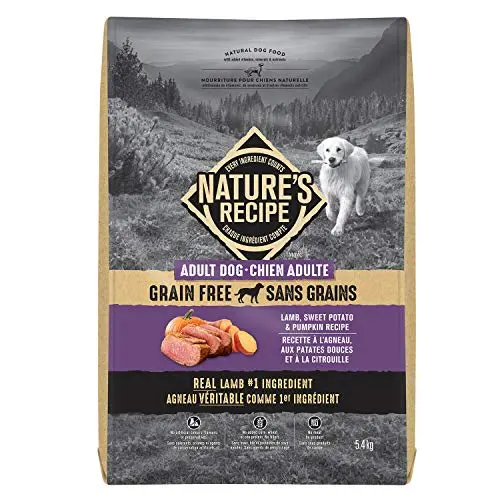
Lamb, Sweet Potato & Pumpkin – Complete Joint & Coat Support
A grain-free, limited-ingredient formula that pulls double duty for coonhounds: lamb provides high-quality protein, while natural glucosamine and chondroitin from chicken meal support joints through every long trail. Omega fatty acids keep the signature glossy coat, and taurine backs heart health-serious value for an all-around performer.
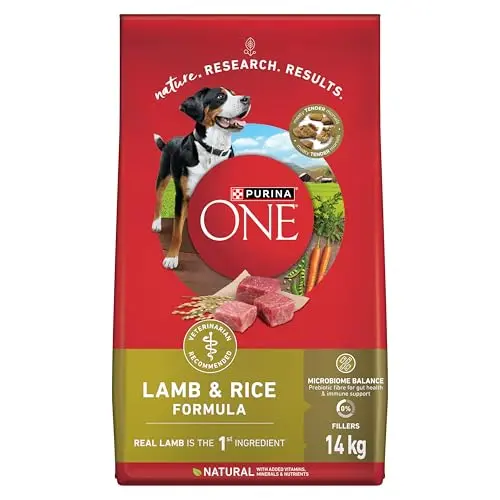
Microbiome Balance Lamb & Rice – Digestive Health Focus
Proven digestibility meets targeted gut health in this lamb-first recipe. Prebiotic fibre fuels beneficial bacteria, supporting the microbiome-a smart pick for coonhounds with sensitive stomachs or those prone to digestive upset after stressful fieldwork.
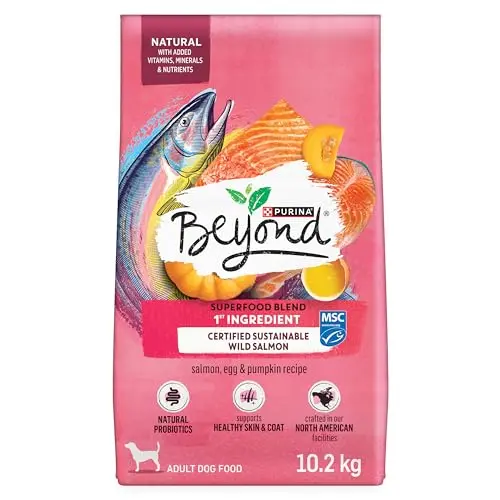
Superfood Blend Salmon, Egg & Pumpkin – Wild-Caught Simplicity
Wild-caught salmon takes centre stage in this limited-ingredient, grain-free formula. Pumpkin and oatmeal provide gentle fibre, making it a solid choice for coonhounds with food sensitivities or those needing a sustainably sourced protein switch.
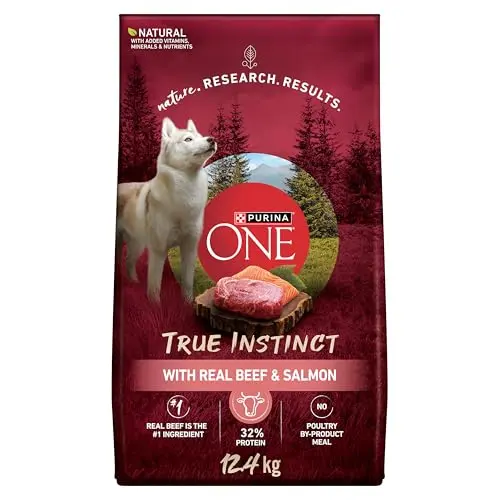
True Instinct Beef & Salmon – High-Protein Fuel
With 32% protein and a meat-first duo of real beef and salmon, this formula is built for high-output coonhounds. Nutrient-dense and rich in antioxidants, it supports muscle repair and immune strength after long days in the field.
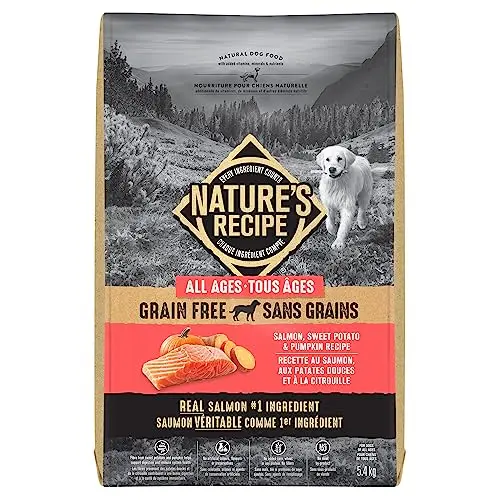
Salmon, Sweet Potato & Pumpkin – Grain-Free Omega Boost
Real salmon leads this grain-free, all-life-stages recipe, offering ample omega-3s for coat and skin. Sweet potato and pumpkin provide slow-burn carbs and fibre, a great alternative for poultry-averse coonhounds.
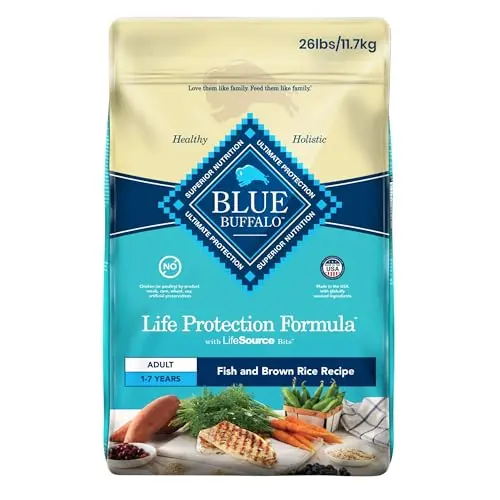
Life Protection Fish & Brown Rice – Immunity-First Formula
Deboned whitefish anchors this limited-ingredient, whole-grain recipe, accented by Blue Buffalo’s exclusive LifeSource Bits for antioxidant support. A solid pick for coonhound owners who want immune-boosting extras in a single bag.
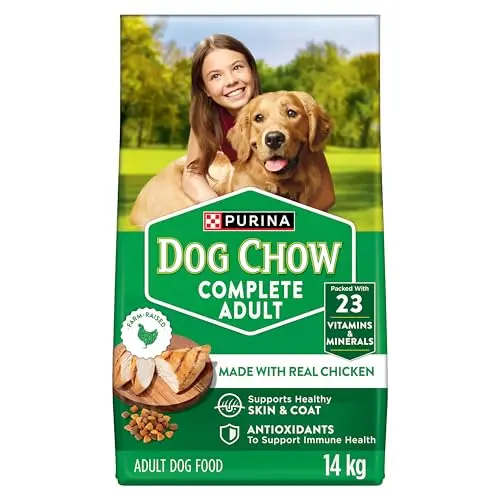
Complete Chicken – Affordable Daily Nutrition
Real chicken and a no-frills ingredient list make this an accessible entry-level option for coonhounds. It covers the basics-immune-supporting antioxidants, digestible whole grains-without breaking the budget.
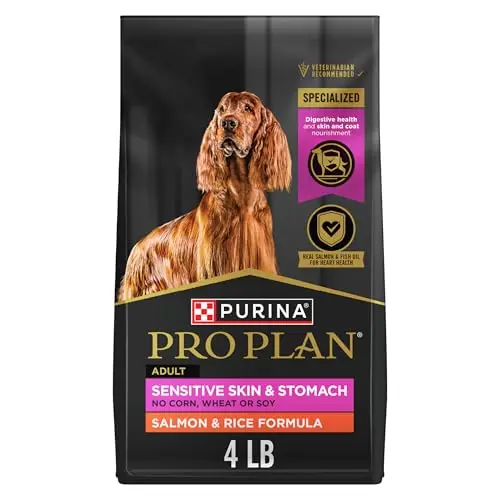
Sensitive Skin & Stomach Salmon – Gentle Digestion Formula
Tailored for dogs with delicate systems, this salmon-first recipe uses easily digestible oat meal and prebiotic fibre to soothe gastric distress while supporting skin and coat with omega oils-ideal for coonhounds with ongoing sensitivity issues.
How We Evaluated These Dog Food for Coonhounds
No controlled feeding trials or long-term health outcome studies here. What informed these picks: published ingredient decks, guaranteed analysis, and owner feedback where available. We cross-referenced 8 dog food formulas from 6 distinct brands across 7 key decision axes-protein quality and quantity, joint-support ingredients, digestibility, omega fatty acid profile, ingredient transparency, breed-appropriate calorie density, and value at the bag size most coonhound owners buy.
We triangulated manufacturer nutritional data against real-world owner experiences to pressure-test claims. The scoring framework weighted real-world performance (60%)-how well each recipe delivers on its stated use case-against feature differentiation (40%)-unique technical advantages and breed-specific relevance like glucosamine inclusion or prebiotic support. We have no commercial relationship with any of the brands featured; recommendations track fit and differentiation, not brand preference. If your coonhound needs a well-rounded everyday formula, the Nature’s Recipe Lamb is your pick; if you’re managing a sensitive stomach, the Pro Plan Sensitive Skin & Stomach serves you better.
How to Choose the Right Dog Food for Coonhounds
What Coonhounds Need from Their Diet
Coonhounds are large, athletic scent hounds with unique nutritional demands. Their metabolisms are generally high, and they burn through calories quickly when working or even during a long weekend hike. A diet that’s rich in animal-based protein-think lamb, beef, fish, or chicken-is non-negotiable for maintaining lean muscle mass. Protein should always be the first ingredient you see on the bag; avoid formulas where grain or by-product meals lead.
Beyond muscle, joint health is paramount. These dogs put miles on their frames, and breed predispositions toward hip and elbow dysplasia mean early and ongoing support matters. Look for foods fortified with natural sources of glucosamine and chondroitin (often from chicken meal, fish meal, or added supplements) and omega-3 fatty acids from fish oil, which have anti-inflammatory properties. A glossy, healthy coat reflects overall vitality, so ingredients like sunflower oil, flaxseed, or salmon that contribute omega-6 and -3 are boons.
Protein Power: How Much Is Enough for an Active Hound?
Coonhounds in the field need more than a couch-potato diet. While the exact percentage varies, aim for at least 25% crude protein on a dry matter basis for maintenance, and 30% or higher for dogs in hard conditioning or regular hunting. The Purina ONE True Instinct (32%) exemplifies a high-octane choice. But protein quality matters as much as quantity-real meat, not ambiguous ‘meat meal,” ensures better digestibility and amino acid profiles.
Watch for whole-animal proteins like deboned whitefish or lamb, and don’t overlook the value of multiple protein sources; a beef-and-salmon mix can deliver a broader amino acid spread. If your dog struggles to maintain weight during season, bumping protein and fat together is more effective than simply adding carbs, which can cause energy spikes and crashes.
Joint Support: Glucosamine, Chondroitin, and Omega-3s
Many premium formulas now include joint-friendly compounds, but you’ll find them listed differently. Nature’s Recipe highlights natural sources of glucosamine and chondroitin from chicken meal, while Purina Pro Plan relies on fish oil rich in omega-3s for inflammation control. Both approaches are valid. The key is consistency-joint supplements in food work as maintenance, not acute treatment. For dogs showing early stiffness, a recipe with explicit joint support can delay the need for separate pills.
Grain-Free vs. Grain-Inclusive: Does It Matter for Coonhounds?
The grain-free debate isn’t just a trend; for some coonhounds, it’s a digestive necessity. If your hound suffers from chronic ear infections, itchy skin, or soft stools, a grain-free, limited-ingredient diet like Nature’s Recipe or Beyond can calm symptoms by removing common irritants like corn, wheat, or soy. However, grain-inclusive formulas like Purina ONE’s Microbiome Balance use prebiotic fibres and whole grains to actively support gut health-a different path to the same goal. Neither category is universally superior; pick based on your dog’s reactive signs. The Beyond Salmon formula, for instance, skips grains entirely while adding pumpkin for gentle fibre, a smart middle ground.
Budget-Friendly vs. Premium: What's Worth Paying For?
Coonhound food can range from budget bulk buys to super-premium small batches. The price difference often reflects ingredient sourcing and specialised add-ins. Dog Chow Complete covers nutritional basics at a fraction of the cost, making it viable for multi-dog homes or off-season feeding. On the other end, Pro Plan’s sensitive-stomach recipe justifies its price with targeted digestive and joint support. Ask yourself: does my dog have specific needs (allergies, joint pain) that warrant a premium formula? If not, a balanced mid-tier option like Purina ONE Lamb & Rice can serve admirably without overspending.
Frequently Asked Questions
What's the difference between Nature's Recipe Lamb and Purina ONE Lamb for coonhounds?
Both feature real lamb as the first ingredient, but they diverge in approach. Nature’s Recipe is a grain-free, limited-ingredient formula with added glucosamine and chondroitin from chicken meal, plus taurine for heart health. It’s designed to minimize allergens while actively supporting joints. Purina ONE’s lamb recipe is grain-inclusive, leveraging prebiotic fibre for digestive health rather than friction-free ingredients. It excels at gut stability and is easier on the budget. Choose Nature’s Recipe if joint maintenance is a priority; opt for Purina ONE if your coonhound has a sensitive stomach but no grain-related allergies.
Is grain-free dog food better for coonhounds?
Not inherently, but it can be beneficial for coonhounds exhibiting food sensitivities like itchy skin, ear infections, or loose stools. Grain-free formulas such as Beyond Salmon or Nature’s Recipe remove common triggers like wheat and corn. However, if your dog handles grains well, a formula with prebiotic grains like oat meal (as in Pro Plan Sensitive Skin & Stomach) can actively improve digestive health. Base the decision on your dog’s reactions, not marketing trends.
How much protein does an active coonhound need?
For maintenance, aim for at least 25% crude protein. Hard-working coonhounds benefit from 30% or higher to repair muscle and sustain energy. The Purina ONE True Instinct at 32% protein is a great high-performance option. Always pair protein with adequate fat (around 14-18%) for calorie density, especially during hunting season. Monitor body condition and adjust portions accordingly-a lean, muscular coonhound is the goal.
What's the difference between Purina ONE True Instinct and Blue Buffalo Fish formulas?
Purina ONE True Instinct is a high-protein (32%) beef-and-salmon recipe built for performance, with heavy antioxidant support for immune recovery after exertion. Blue Buffalo’s Fish & Brown Rice is a moderate-protein whitefish formula focused on whole-body wellness and immunity via LifeSource Bits. True Instinct fuels muscle and stamina; the Blue Buffalo pick emphasizes balanced day-to-day health with a gentle fish protein. Pick the former for athletic output, the latter for a sensitive but less intense alternative.
Do coonhounds need joint supplements in their food?
Given the breed’s predisposition to hip dysplasia and general wear-and-tear, foods with built-in joint support offer convenience and proactive care. Formulas containing natural glucosamine and chondroitin (like Nature’s Recipe Lamb) or high-omega fish oil (Pro Plan Sensitive Skin & Stomach) can help maintain cartilage health. While not a replacement for veterinary-prescribed supplements in advanced cases, these ingredients provide a supportive baseline that may delay onset of stiffness.
Final Verdict
For most coonhounds, the Nature’s Recipe Lamb is the clear winner-it nails joint support from natural glucosamine, wraps in a low-allergen grain-free base, and maintains a glossy coat, all at a fair price. If your hound is a high-mileage athlete, the Purina ONE True Instinct‘s 32% protein will sustain muscle better. And when digestive issues are the main concern, the Pro Plan Sensitive Skin & Stomach targets gut and skin sensitivity with precision. Whichever you choose, you’re feeding the nose, the heart, and the long legs that make a coonhound great.