
Watching your dog scratch relentlessly or suffer from chronic ear infections is distressing, and it often points to an underlying food allergy or sensitivity. The right diet can transform your pup’s quality of life, calming itchy skin and settling upset stomachs. We’ve done the digging to find the best dog foods that target the root causes of allergic reactions-especially those heavy on omega fatty acids, novel proteins, and gut-soothing prebiotics. Whether your dog is small or large, a picky eater or a vacuum cleaner, there’s a formula here that can help. In this multi-brand guide, we’ll walk you through the top options and what makes each one tick, so you can find the perfect fit for your furry friend.
The market is packed with promises, but not all foods deliver where it counts. That’s why we cross-referenced ingredient lists, owner feedback, and expert formulations from brands like Hill’s, Purina Pro Plan, and more. From grain-free limited-ingredient recipes to targeted sensitive skin and stomach blends, we’ve mapped the landscape so you don’t have to guess. Let’s get your dog on the path to comfort.
Best Dog Food for Dogs That Have Allergies – 2026 Reviews
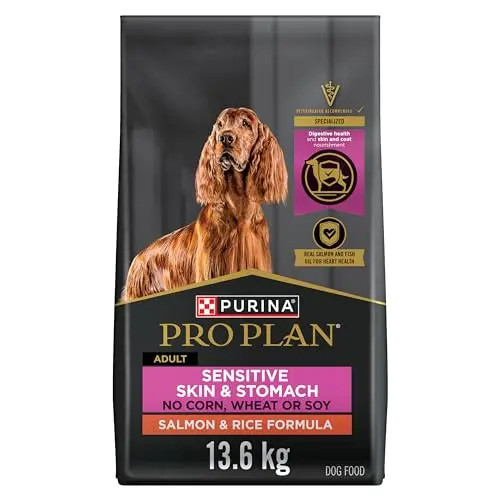
Pro Plan Sensitive Skin & Stomach Salmon & Rice – Ideal for Allergy-Prone Dogs
A targeted formula for dogs with food sensitivities, featuring real salmon and easily digestible oatmeal for gut health and skin relief.
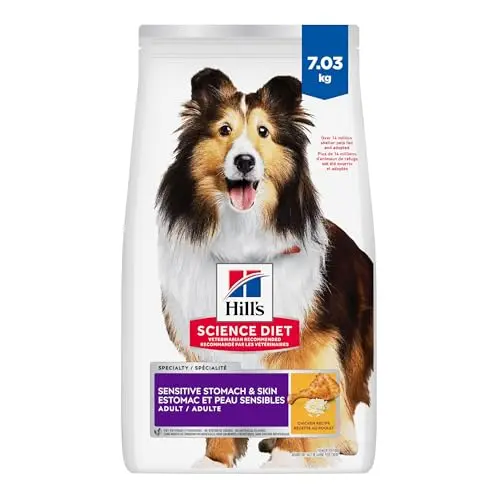
Science Diet Sensitive Stomach & Skin Chicken Recipe – Gentle on Digestion & Skin
A highly digestible chicken-based diet enriched with prebiotic fibre and omega-6 fatty acids to nourish the skin and calm the stomach.
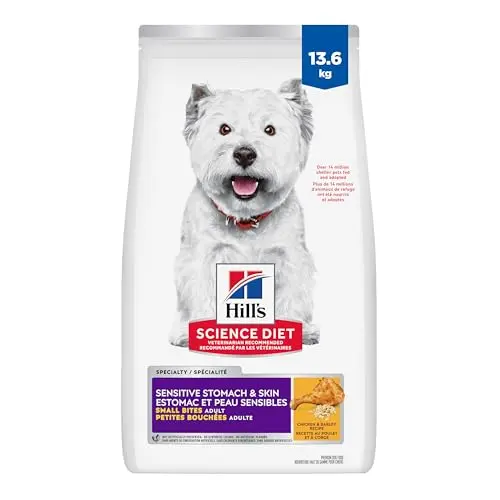
Science Diet Sensitive Stomach & Skin Small Bites – Made for Smaller Mouths
The same great sensitive skin and stomach formula in a smaller kibble size, perfect for little dogs who need digestive and skin care.
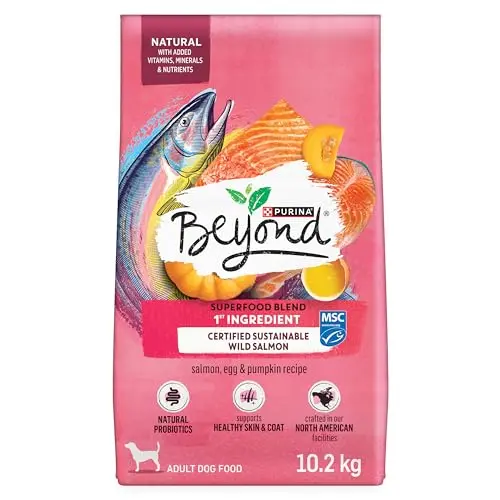
Beyond Superfood Blend Salmon, Egg & Pumpkin – Limited Ingredient Nutrition
A limited-ingredient recipe free of corn, wheat, and soy, featuring wild-caught salmon and pumpkin for simple, allergen-aware nutrition.
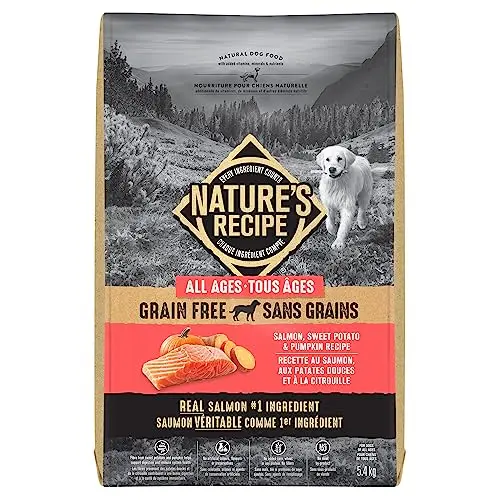
Nature's Recipe Grain Free Salmon, Sweet Potato & Pumpkin – Simple Ingredient Formula
A grain-free dry food with salmon as the first ingredient, designed for dogs who need a simple, wholesome diet without artificial additives.
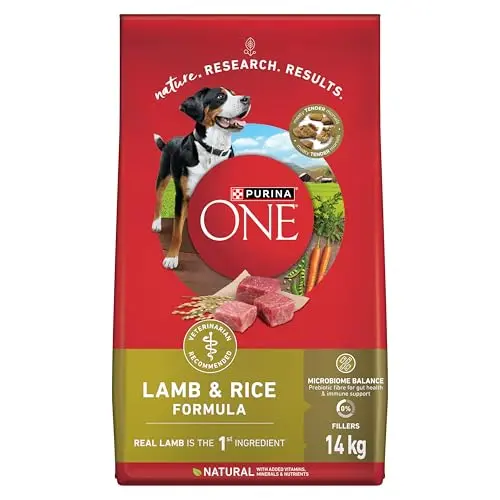
ONE Microbiome Balance Lamb & Rice – Supports Gut & Skin Health
A wallet-friendly option that uses real lamb and prebiotic fibre to promote a healthy microbiome, indirectly supporting skin and coat condition.
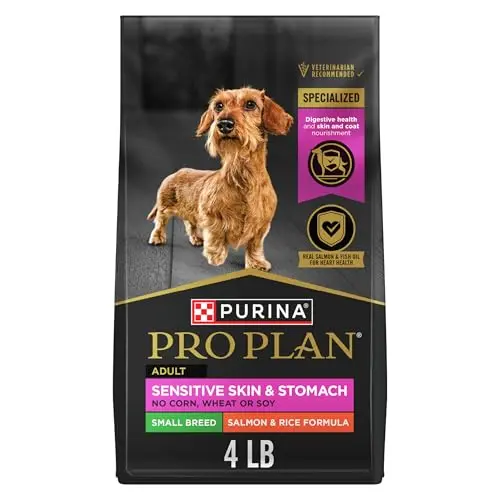
Pro Plan Sensitive Skin & Stomach Small Breed – Tailored for Small Dogs
The small breed version of Pro Plan’s trusted sensitive skin and stomach formula, with salmon, oatmeal, and omega-rich oils in a tiny kibble.
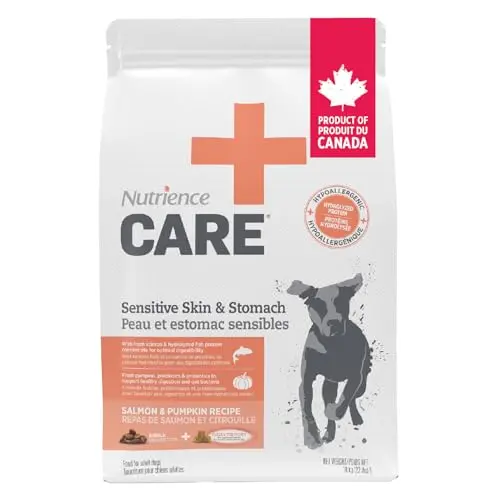
Nutrience Care Sensitive Skin & Stomach Salmon – Canadian-Made Allergy Formula
A grain and gluten-free recipe featuring fresh Canadian salmon, pumpkin, and probiotics, purpose-built for dogs with allergies and digestive issues.
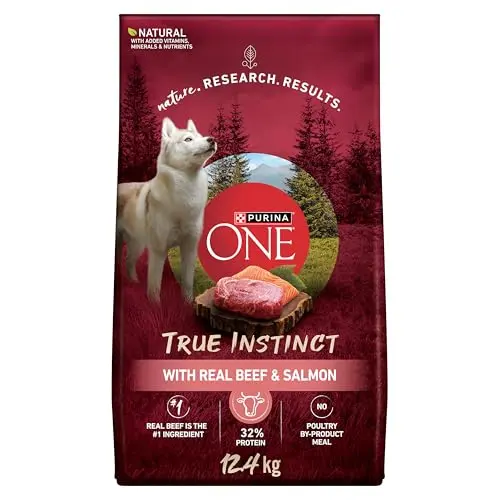
ONE True Instinct Beef & Salmon – High-Protein Fuel
A high-protein, nutrient-dense formula with real beef and salmon, designed more for active dogs than allergy relief, but still a natural choice.
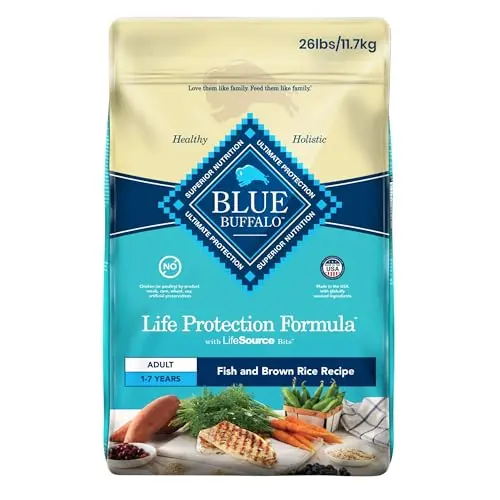
Blue Buffalo Life Protection Fish & Brown Rice – Omega-Rich Recipe
A fish-based formula with LifeSource Bits, free from chicken by-products and common grains, that supports skin and coat health.
How We Evaluated These Dog Foods for Dogs with Allergies
We didn’t conduct long-term allergy elimination trials or veterinary-supervised diet studies. What we did: cross-referenced 10 dog foods from 7 distinct brands across 6 key decision axes – primary protein source, omega-3 and -6 fatty acid levels, prebiotic and probiotic inclusion, grain-free versus limited-ingredient approaches, kibble size suitability, and overall digestibility. We triangulated published specifications, aggregated owner feedback where available, and mapped each formula against the real-world needs of dogs with food allergies and skin sensitivities.
The scoring framework weighted real-world allergy relief (60%) – how effectively a food addresses skin and digestive symptoms based on ingredients and user-reported outcomes – against feature differentiation (40%) – unique advantages like small breed tailoring, novel protein sources, or grain-free clean labels. We have no commercial relationship with any of the featured brands; our recommendations prioritize matching the right food to the right dog, not brand loyalty. If your dog is struggling with itchy skin and loose stools, the Pro Plan Sensitive Skin & Stomach Salmon is our top pick for broad allergy support; if you need a smaller kibble for a tiny breed, the Science Diet Small Bites is purpose-built for that.
How to Choose the Right Dog Food for Dogs That Have Allergies
What to Look for in a Dog Food for Allergies
When your dog has allergies, reading the label becomes a superpower. Look for limited ingredient lists that avoid common triggers like corn, wheat, and soy. A novel protein source-such as salmon, lamb, or venison-can reduce the chance of a reaction if your pup has been eating chicken or beef for years. Omega fatty acids, especially omega-3 from fish oil, are crucial for calming inflamed skin, while prebiotic fibres like beet pulp or chicory root support gut health, which is directly linked to immune responses. The ideal food will also be highly digestible, meaning fewer stomach upsets and less strain on the system. Avoid artificial colours, flavours, and preservatives; they add no nutritional value and may exacerbate sensitivities.
Do Novel Proteins and Grain-Free Diets Help Allergic Dogs?
Switching to a novel protein is one of the most effective strategies for food-allergic dogs. If your dog has been eating chicken-based food for years, a salmon or lamb formula might be less likely to trigger an immune response. Grain-free diets have also gained popularity for allergy management, but they aren’t a cure-all. Many dogs are allergic to protein sources, not grains. However, grains like corn and wheat can be inflammatory for some pups, so a grain-free or limited-ingredient diet can help identify triggers. The key is to choose a food with a single animal protein and a short, pronounceable ingredient panel. If going grain-free, watch for excessive potato or pea starch, which may lead to other issues. Always consult your vet before making a major switch.
Omega Fatty Acids: The Skin's Best Friend
Omega-3 and omega-6 fatty acids are superstars for dogs with allergies. Omega-3s, commonly found in fish oil, reduce inflammation and can calm itchy, red skin. Omega-6s, like those from sunflower oil, support the skin barrier and promote a glossy coat. A balanced ratio of both is ideal. Many sensitive-skin formulas include added fish or plant oils to address these needs topically through nutrition. Look for foods that list specific oil sources, not just ‘animal fat,” and remember that these nutrients are particularly important for dogs with environmental allergies that affect the skin. Over time, a diet rich in omega fatty acids can lead to less scratching, fewer hot spots, and a healthier, happier dog.
How to Safely Transition Your Allergic Dog to a New Food
Switching foods too quickly can trigger the very digestive upset you’re trying to avoid. Take 7-10 days to transition: start with 25% new food mixed with 75% old for a couple of days, then move to 50/50, then 75/25, before going all in. This slow approach lets your dog’s gut adjust to new proteins and fibre sources. During the switch, monitor stool consistency, skin redness, and itch levels. If symptoms worsen, it might not be the transition speed but the ingredient itself-pause and consult your vet. For dogs with severe allergies, consider a strict elimination trial under veterinary supervision, where they eat only the new food (and no treats) for eight to twelve weeks to isolate reactions.
Purina Pro Plan vs. Hill's Science Diet: Which Sensitive Formula is Right for Your Dog?
These two giants dominate the sensitive-stomach-and-skin category, but they take slightly different approaches. Purina Pro Plan relies heavily on salmon as a novel protein and emphasizes high protein levels (26-30%), with oatmeal and prebiotic fibre for digestion. Its omega-rich oils target coat condition directly. Hill’s Science Diet uses chicken as its primary protein, which is less novel if your dog has been on chicken for a while, but its highly digestible formulation and prebiotic beet pulp shine for dogs with primarily digestive issues. Hill’s also comes in a small-bites version for tiny breeds. Which one to pick? If your dog has known chicken allergies, go with Pro Plan’s salmon; if stomach sensitivity is the bigger concern and chicken is safe, Hill’s is a strong bet. Both have earned thousands of satisfied tails.
Frequently Asked Questions
What's the difference between Purina Pro Plan Sensitive Skin & Stomach and Hill's Science Diet Sensitive Stomach & Skin?
The main difference is the protein source: Pro Plan uses salmon as the first ingredient, making it a novel protein for many dogs, while Hill’s uses chicken. Pro Plan also offers a small breed version and includes more omega-3s from fish oil. Hill’s relies on prebiotic beet pulp for digestive health and omega-6s from plant oils for skin. Both have excellent track records, but if your dog has a suspected chicken allergy, Pro Plan Sensitive Skin & Stomach is the safer choice. If stomach sensitivity is the main issue and chicken is fine, Hill’s formula is highly digestible and vet-recommended.
Is grain-free dog food always better for dogs with allergies?
Not always. Grain-free diets can help if your dog is specifically allergic to grains like corn, wheat, or soy, but many allergies are actually to animal proteins. A grain-free diet often uses legumes like peas and potatoes, which can sometimes cause digestive issues in sensitive dogs. The key is to identify what your dog is allergic to through an elimination trial. If your pup does fine on a high-quality grain-inclusive diet with a novel protein, there’s no need to go grain-free. However, foods like Nature’s Recipe Grain Free are excellent options for dogs who do benefit from a grain-free approach.
Can a lamb and rice formula like Purina ONE Microbiome Balance help my dog's allergies?
Yes, potentially. Lamb is often used as a novel protein for dogs who have been on chicken or beef, and the prebiotic fibre in the formula supports gut health, which plays a huge role in immune function. While not specifically marketed as an allergy food, many owners report reduced itching and ear infections after switching to Purina ONE Microbiome Balance. It’s a budget-friendly option that may work for mild to moderate allergies, especially if your dog’s symptoms are linked to digestive imbalance rather than a specific protein allergy.
How long does it take to see improvement after switching to an allergy-friendly dog food?
Most dogs start to show improvement within 4-6 weeks on a new diet, though full results can take up to 12 weeks. Skin-related symptoms often take longer to resolve than digestive ones. During this period, it’s crucial to avoid any other treats or foods that could introduce allergens. Keep a journal of your dog’s symptoms, and if you see no change after eight weeks, it may be time to try a different protein or consult your vet about additional allergy testing.
Final Verdict
For most dogs with allergies, the Purina Pro Plan Sensitive Skin & Stomach Salmon & Rice is the strongest all-around pick, combining a novel protein, omega-rich oils, and gut-friendly oatmeal to tackle both skin and stomach issues. If you’re on a tighter budget or your dog’s allergies are mild, the Purina ONE Microbiome Balance Lamb & Rice offers excellent value and supports gut health, which can indirectly calm allergic reactions. Small breed owners will appreciate the tiny kibble and targeted nutrition of Hill’s Science Diet Small Bites. And if you’re committed to a grain-free approach, Nature’s Recipe Grain Free Salmon, Sweet Potato & Pumpkin keeps it simple and clean. Wherever you start, remember to transition slowly and watch for that first sign of relief-a dog that finally stops scratching.