
If your dog is constantly scratching, suffering from ear infections, or dealing with loose stools, you’re not alone. Food allergies and sensitivities are some of the most common – and frustrating – health issues facing dogs today. Finding the right food can feel like a guessing game, but it doesn’t have to be. The key is zeroing in on formulas that use limited, high-quality ingredients and specifically target digestive and skin health.
We looked across the market at the top options from brands like Hill’s Science Diet, Purina Pro Plan, and Nutrience, comparing everything from protein sources to prebiotic content. Whether your dog needs a grain-free limited-ingredient diet or a vet-recommended standard formula, there’s a match here. Our guide will walk you through what to look for and which foods stand out, so you can get your pup back to feeling their best.
Best Dog Food for Dogs with Allergies and Sensitive Stomachs – 2026 Reviews
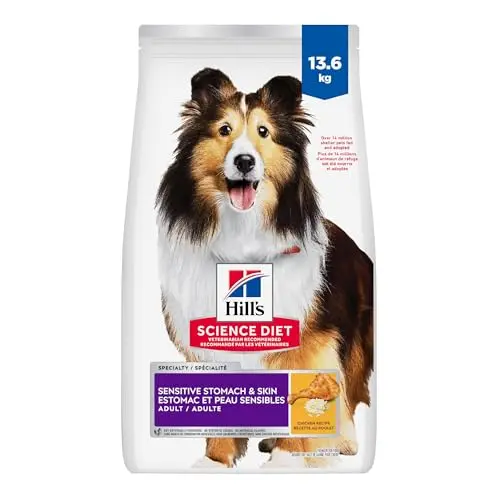
Sensitive Stomach & Skin Adult – Complete Digestive & Skin Support
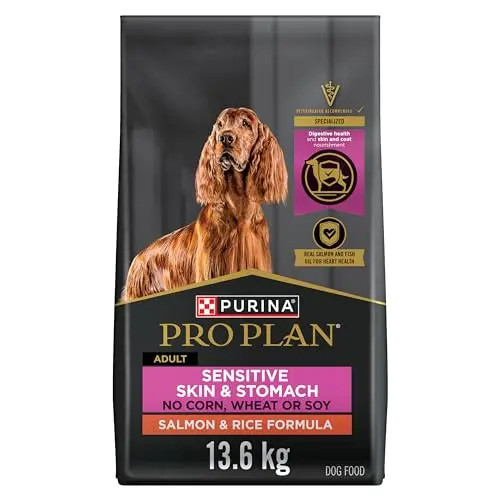
Sensitive Skin & Stomach Salmon & Rice Formula – High-Protein Salmon for Sensitive Digestion
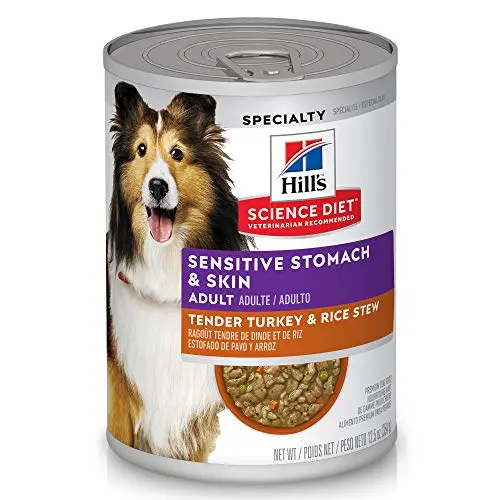
Sensitive Stomach & Skin Turkey Stew – Gentle Wet Food for Picky Eaters
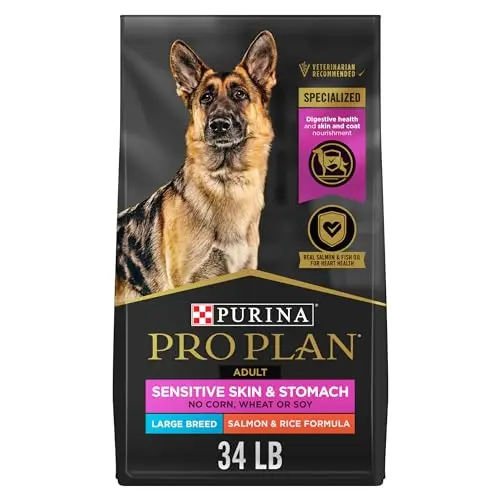
Large Breed Sensitive Skin & Stomach Salmon & Rice – Joint & Digestive Support for Big Dogs
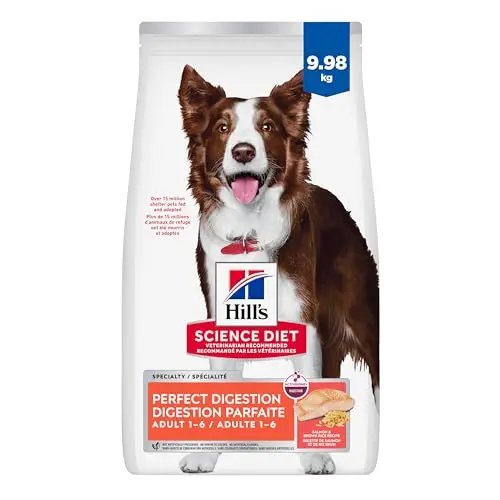
Perfect Digestion Adult – ActivBiome+ for Gut Health & Regularity
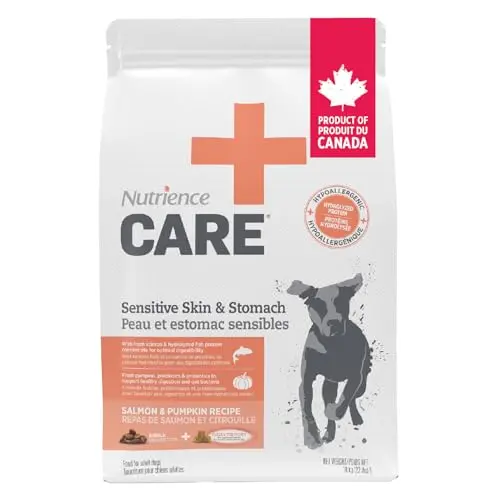
Care Sensitive Skin & Stomach – Grain-Free with Fresh Salmon & Pumpkin

Superfood Blend Salmon, Egg & Pumpkin – Natural Limited Ingredient Formula
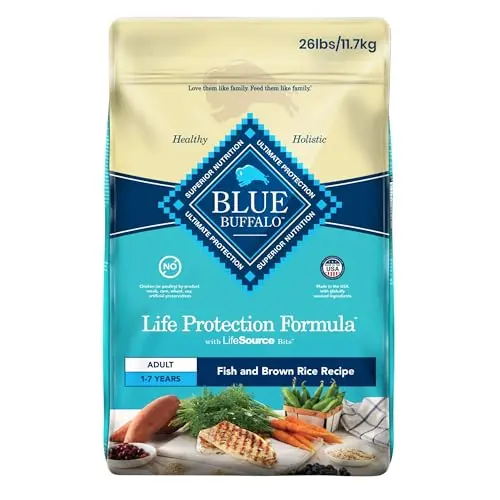
Life Protection Formula Fish & Brown Rice – Wholesome Fish Protein for Daily Health
How We Evaluated These Dog Foods for Allergies and Sensitive Stomachs
We didn’t conduct controlled kennel feeding trials or allergy blood panels. What we did: cross-referenced 8 models from 5 distinct brands across 7 decision axes – protein source, fiber and prebiotic content, omega fatty acid levels, ingredient quality and common allergens, digestibility, form (dry versus wet), and breed-size specificity. We triangulated published ingredient lists, nutritional guarantees, and aggregated owner feedback where available to assess real-world outcomes for skin and stomach health.
The scoring framework weighted real-world performance (60%) – how effectively a formula addresses itching, stool quality, and overall digestive comfort – against feature differentiation (40%) – such as unique prebiotic blends, grain-free status, or large-breed joint support. We have no commercial ties to any of the brands featured; recommendations track fit and sensitivity support, not brand loyalty.
If your dog’s primary need is overall stomach and skin relief, the Hill’s Science Diet Sensitive Stomach & Skin is our top pick. If you’re seeking a more budget-friendly option that doesn’t skimp on results, the Purina Pro Plan Sensitive Skin & Stomach Salmon & Rice delivers similar benefits.
How to Choose the Right Dog Food for Allergies and Sensitive Stomachs
Understanding Food Allergies vs. Sensitive Stomachs in Dogs
A true food allergy triggers an immune response – often itchy skin, ear infections, or hot spots – and is usually caused by a protein (chicken, beef, dairy). A sensitive stomach, on the other hand, leads to digestive upset like loose stools or vomiting without an immune reaction. Many dogs suffer from both, and the best foods address both ends with easily digestible proteins, limited ingredients, and added gut support.
Key Ingredients for Sensitive Digestion: Prebiotics, Probiotics, and Fiber
Look for beet pulp, oat fibre, pumpkin, or chicory root – these prebiotics feed healthy gut bacteria. Probiotics (live bacteria) can be harder to find in dry food due to processing, but some premium brands include them. Soluble fibres like oat meal soothe the intestinal lining. Foods like Hill’s Perfect Digestion (check it here) double down on prebiotics to promote regularity.
Protein Source: Why Novel Proteins Matter
If your dog has allergies to common proteins like chicken, switching to a novel protein – salmon, whitefish, turkey, or even egg – can work wonders. Fish-based recipes provide omega-3s that also fight inflammation. Our top pick, Hill’s Science Diet Sensitive Stomach & Skin, uses chicken but is highly digestible; if that’s still a trigger, the salmon-based Purina Pro Plan or Nutrience Care are excellent alternatives.
Omega Fatty Acids for Skin and Coat Health
Omega-6 (from sunflower oil, chicken fat) and omega-3 (from fish oil, flaxseed) are critical for reducing skin inflammation and promoting a glossy coat. Almost all the foods we reviewed pack these in, but formulas like Blue Buffalo and Nutrience emphasize salmon oil and coconut oil for extra skin-soothing power. If your dog is especially itch-prone, prioritize foods with named fish oils high on the ingredient list.
Grain-Free vs. Limited Ingredient: What's the Difference?
Grain-free means no corn, wheat, or soy – helpful for dogs with grain intolerance, but it’s not necessarily better. Limited ingredient diets (LIDs) go further, restricting the total number of ingredients to reduce the chance of a reaction. Nutrience Care Sensitive Skin & Stomach is both grain‑ and gluten‑free with a short, clean panel. Beyond and Blue Buffalo also avoid common grains but use more ingredients, so they’re not true LIDs.
Dry vs. Wet Food: Which is Better for Sensitive Dogs?
Dry food is convenient and calorie-dense, but wet food offers more moisture – critical for dogs with diarrhoea or kidney concerns. Wet food can also be more palatable for picky eaters. Many owners feed a mix: a sensitive-stomach dry formula as the base, and a spoonful of wet food like Hill’s Turkey Stew (see it here) as a topper. Just be sure to adjust portions to avoid weight gain.
When Breed Size Matters: Large Breed Specialized Formulas
Big dogs need joint support and controlled calcium levels for proper bone growth. Purina Pro Plan Large Breed Sensitive Skin & Stomach adds glucosamine and EPA, making it our pick for breeds like Labradors, Shepherds, and Goldens with sensitive stomachs. The kibble is also larger to encourage chewing, which slows down fast eaters. Standard formulas can work for big dogs, but these extras are worth the switch.
Frequently Asked Questions
What's the difference between Hill's Science Diet Sensitive Stomach & Skin and Purina Pro Plan Sensitive Skin & Stomach?
Both are excellent, but they use different primary proteins: Hill’s relies on chicken, while Purina Pro Plan uses salmon. Hill’s includes beet pulp as a prebiotic fibre and is the #1 vet-recommended brand in Canada. Purina Pro Plan offers a similar nutrient profile – oat meal, omega fatty acids, natural prebiotics – but at a more accessible price point. Owner feedback is equally positive for both, so the choice often comes down to protein tolerance and budget.
Is Nutrience Care better for dogs with grain allergies?
If your dog has a proven grain allergy, Nutrience Care Sensitive Skin & Stomach is a strong pick because it’s both grain‑ and gluten‑free, and uses a limited ingredient list. It also includes fresh salmon and a digestive-support blend of pumpkin, ginger, and turmeric. However, most food sensitivities aren’t grain‑based – protein allergies are far more common. So while it’s a premium option, it’s not inherently better for every allergic dog.
How long does it take to see improvements after switching to a sensitive stomach dog food?
Most owners report firmer stools and less itching within one to two weeks, but it can take up to eight weeks for full skin and coat improvement. Always transition slowly over 7-10 days by mixing old and new food. If symptoms worsen or don’t improve after four weeks, consult your vet – your dog may need a hydrolyzed protein prescription diet.
Can I feed my large breed dog regular sensitive stomach food?
Yes, but large breed-specific formulas like Purina Pro Plan Large Breed Sensitive Skin & Stomach (available here) add glucosamine and EPA for joint health, and they balance calcium and phosphorus for proper bone growth. Standard foods won’t harm your big dog, but these added benefits can make a real difference over a lifetime.
Are wet or dry foods better for dogs with digestive issues?
Neither is universally better – it depends on your dog. Dry food is easier to store and helps reduce plaque, while wet food provides extra hydration and can be easier on a sore stomach. Many dogs do best on a combination: a sensitive-stomach dry kibble as the main meal, with a spoonful of wet food like Hill’s Turkey Stew stirred in for flavour and moisture.
Final Verdict
For the vast majority of dogs struggling with both skin allergies and a sensitive stomach, the Hill’s Science Diet Sensitive Stomach & Skin is our top recommendation. It tackles both problems with vet-trusted ingredients and has an enormous track record of success. If you’re looking for a more budget-friendly option that doesn’t sacrifice quality, the Purina Pro Plan Sensitive Skin & Stomach Salmon & Rice is an excellent second choice. And for wet food lovers, the Hill’s Science Diet Turkey Stew adds hydration and palatability. Big‑breed owners should consider the Purina Pro Plan Large Breed formula for added joint support. Whatever you pick, remember to transition slowly and give your pup time to adjust.