
When your dog gets a diabetes diagnosis, mealtime suddenly feels like a tightrope walk. The wrong kibble can send blood sugar spiking; the right one helps keep things steady. You’re not just shopping for a bag of dog food anymore – you’re looking for a tool to manage a chronic condition. The good news: a growing number of brands are formulating foods that support stable glucose levels without sacrificing taste or nutrition.
The key is a high-protein, low-carbohydrate recipe with quality fibre sources – think sweet potato, pumpkin, and leafy greens. Grain-free and limited-ingredient options often hit these marks, but not all are created equal. We’ve cross-shopped the market to highlight picks that balance diabetic-friendly nutrition with everyday palatability, so you can spend less time worrying about labels and more time enjoying your healthy pup.
Best Dog Foods for Dogs with Diabetes – 2026 Reviews

Superfood Blend – High-Protein Grain-Free Support
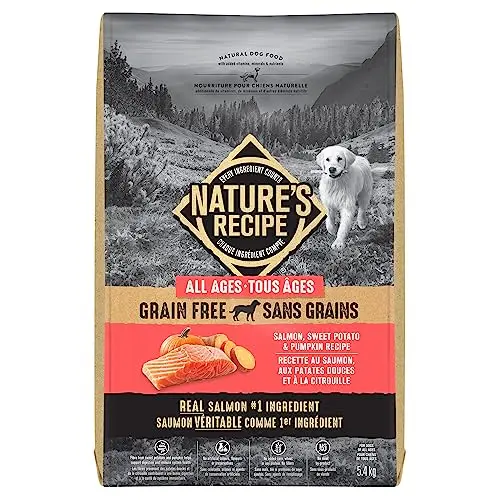
Salmon, Sweet Potato & Pumpkin Recipe – Digestive Health Champion
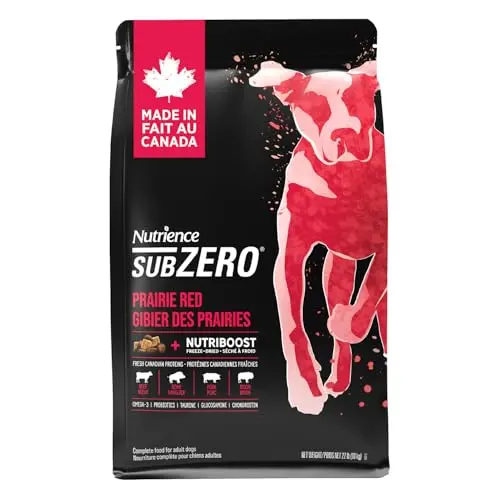
Subzero Prairie Red – Multi-Protein Raw-Infused Kibble
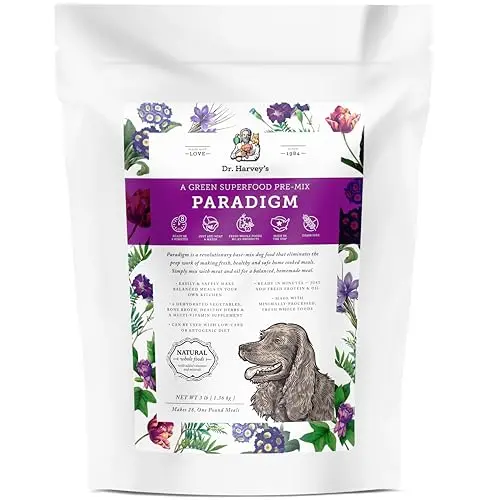
Paradigm Green Superfood – Low-Carb Diabetic Formula
How We Evaluated These Dog Foods for Dogs with Diabetes
We didn’t run veterinary feeding trials or blood glucose curves on these foods. What we did: cross-referenced 4 dog foods from 4 distinct brands across 5 decision axes – carbohydrate profile, protein quality, fibre sources, ingredient transparency, and explicit diabetic suitability. We triangulated published nutritional information, ingredient lists, and where available, aggregated owner feedback on palatability and health outcomes.
The scoring framework weighted real-world diabetic fit (60%) – how well each food supports stable blood sugar through low-glycemic ingredients and high protein – against feature differentiation (40%) – unique advantages like raw infusion, customizability, or added joint support. We have no commercial relationship with any brand; picks follow the evidence, not brand preference. If you’re looking for a solid, grain-free everyday food that most diabetic dogs do well on, the Beyond Superfood Blend is your match; if your dog requires a strict ketogenic approach, the Dr. Harvey’s Paradigm was built for exactly that.
How to Choose the Right Dog Food for Your Diabetic Dog
Understanding Diabetic Dog Food: Why Low-Carb Matters
Diabetes in dogs is all about glucose management. When your dog eats, carbohydrates break down into simple sugars that hit the bloodstream. A diabetic dog’s body can’t handle that surge well, so the goal is to limit carb intake and choose complex carbs that digest slowly. Look for formulas where high-quality animal protein leads the ingredient list and vegetables like sweet potato, pumpkin, or leafy greens provide fibre rather than starchy fillers like corn, wheat, or white rice. Many vets recommend a dry matter basis of less than 30% carbohydrates for diabetic dogs, which often points you toward grain-free or low-carb grain-inclusive recipes.
Why Grain-Free and Limited Ingredients Often Help
Grain-free isn’t just a buzzword; for diabetic dogs, it frequently translates to a lower carbohydrate load because the missing grains are replaced with vegetables and legumes that have a lower glycemic impact. Limited-ingredient recipes also simplify the equation: fewer components mean fewer variables that could spike blood sugar or trigger inflammation. Both Nature’s Recipe Salmon and Beyond Superfood Blend demonstrate this approach, using ingredient decks that even label-savvy owners can decode in seconds. Just be wary of grain-free foods that swap grains for high-glycemic potatoes or tapioca – always check the overall fibre and protein content.
Key Ingredients to Look For – and What to Avoid
You want to see named, whole-food protein sources (salmon, beef, lamb, bison) at the top, followed by low-glycemic veggies and healthy fats. Fibre is your friend: pumpkin, sweet potato, broccoli, and flaxseed all help moderate glucose absorption. Avoid anything with sugar, corn syrup, or unnamed meat by-products, which can stealth-load a food with simple carbs. Dr. Harvey’s Paradigm takes this to the extreme, using only dehydrated vegetables and herbs, letting you add the protein – that’s the ultimate in avoidance. For most people, however, a ready-to-feed kibble like Nutrience’s Subzero that prioritizes diverse proteins and skips grains is a practical middle ground.
Wet vs Dry Food for Diabetic Dogs
There’s no one winner, but dry food often has a higher carbohydrate content simply because starches are needed to bind the kibble. Wet or dehydrated foods, like Dr. Harvey’s Paradigm or a pate-style option, can be lower in carbs per calorie and add hydration – a bonus because diabetic dogs often drink and urinate more. That said, high-quality dry foods can be perfectly appropriate if they’re formulated with diabetic-friendly macros. The key is checking the guaranteed analysis and ingredients, not the format. Many owners mix a small amount of wet or dehydrated topper into a lower-carb kibble for a balanced approach.
Beyond Superfood Blend vs Dr. Harvey's Paradigm: Which for Your Diabetic Dog?
These two couldn’t be more different. Beyond is a shelf-stable, ready-to-pour kibble that fits seamlessly into any routine – it’s the easier choice for busy households and dogs that love crunch. Its salmon and pumpkin recipe provides a moderate, steady energy release without the fuss. Dr. Harvey’s Paradigm demands more effort but delivers precision: you choose the protein and control the carb count. For dogs with advanced diabetes or those not responding to commercial foods, that control can be life-changing. If your dog’s blood sugar is well-managed on a grain-free kibble, Beyond is a smart, budget-conscious pick. If you need a tighter carb leash, Paradigm is the way to go.
Transitioning Your Diabetic Dog to a New Food
Switching foods when your dog has diabetes requires extra care. A sudden change can upset blood sugar and digestion. Mix the new food with the old over 7-10 days, watching for any spikes in thirst, urination, or energy shifts. It’s always smart to monitor blood glucose more closely during the transition and consult your vet – especially if you’re moving to a radically different formula like the raw-infused Nutrience Subzero or the dehydrated Paradigm mix. Patience pays off, and a successful switch can mean better long-term stability.
Frequently Asked Questions
What's the difference between Beyond Superfood and Dr. Harvey's Paradigm for a diabetic dog?
Beyond Superfood Blend is a complete, ready-to-eat kibble with salmon and pumpkin. It’s grain-free and high in protein, making it a solid, everyday option for many diabetic dogs. Dr. Harvey’s Paradigm is a dehydrated base mix you combine with your own protein and oil. It’s explicitly formulated as a ketogenic, low-carb diet – so it offers tighter control over macronutrients. Choose Beyond for convenience; choose Paradigm when your dog needs strictly managed carbs or has plateaued on commercial foods.
Are all grain-free dog foods low-carb enough for diabetes?
Not necessarily. While grain-free foods ditch wheat and corn, some replace them with potatoes, peas, or tapioca, which can still be carb-heavy. Look for a recipe that emphasizes high protein and fibre from vegetables like pumpkin or sweet potato, and avoid foods where starchy fillers dominate the first few ingredients. Both Nature’s Recipe Salmon and Beyond Superfood manage this well, but always check the ingredient deck – if peas or potatoes appear before the third ingredient, keep looking.
Can I feed a weight management dog food to my diabetic dog instead of a diabetic-specific diet?
Weight management foods often overlap with diabetic-friendly formulas because they tend to be lower in fat and calories, with added fibre. But they may not always be low-carb – some simply cut fat and add fillers. If you’re considering a weight management food, scrutinize the carbohydrate and fibre content. The Hill’s Science Diet Perfect Weight works for some diabetic dogs because of its high fibre and muscle-supporting protein, but it contains grains. For most diabetic dogs, a purposely low-carb option from our lineup will give you more targeted support.
How much should I feed my diabetic dog?
Portion control is critical for diabetic dogs to avoid weight gain and blood sugar swings. Start with the feeding guide on your chosen food’s package, adjusting for your dog’s ideal weight – not current weight if overweight. Many vets recommend two or three smaller meals a day to smooth glucose curves. Because each dog’s insulin response is unique, work with your vet to fine-tune portions based on regular blood glucose monitoring.
Final Verdict
For the vast majority of diabetic dogs and their owners, the Beyond Superfood Blend is the smartest starting point. It combines grain-free, high-protein nutrition with everyday affordability and palatability – and that’s a rare trio. If your budget is top of mind but you refuse to compromise on quality, the Nature’s Recipe Salmon gives you the same diabetic-friendly framework for even less. And when your dog’s condition demands the tightest carbohydrate management possible, the Dr. Harvey’s Paradigm is the targeted tool you need – there’s nothing else like it. Whatever you pick, you’re making a powerful move toward steadier blood sugar and a healthier, happier dog.