
Living with a dog that has IBS means you’re on constant alert – loose stools, gurgling tummies, and sudden food refusals are part of the package. Finding a food that doesn’t trigger a flare-up feels like solving a puzzle where the pieces keep changing.
But the right diet makes all the difference. A truly gut-friendly kibble balances highly digestible proteins, gentle fibre sources, and targeted prebiotics to calm inflammation and firm things up. It sidesteps common irritants like artificial additives and low-quality fillers that often send sensitive stomachs into a tailspin.
We surveyed the market across multiple brands to pinpoint the formulas that actually deliver. Whether you’re managing chronic diarrhoea or simply trying to avoid another vet visit, this guide walks you through the top picks – and what makes each one click for dogs with IBS.
Best Dog Food for Dogs with IBS – 2026 Reviews
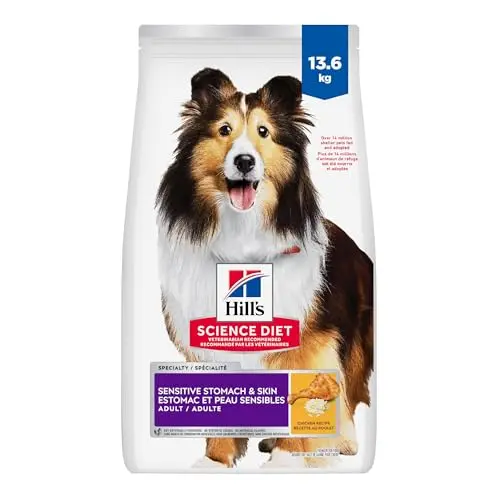
Adult Sensitive Stomach & Skin Chicken Recipe – Gentle, Everyday Gut Support
A vet-favourite formula that pairs a highly digestible chicken base with prebiotic beet pulp fibre. It’s designed to be easy on the stomach while tackling skin irritation – a bonus for IBS pups who often struggle with both.
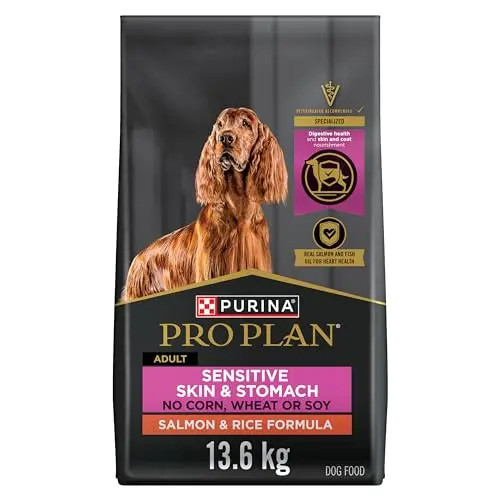
Sensitive Skin & Stomach Salmon & Rice Formula – Dual-Action Relief
Built around real salmon and gentle oatmeal, this formula delivers a powerful one-two punch: soothing omega fatty acids for irritated skin and easily digestible carbs for a calm gut. It’s a standout for dogs whose IBS flares also show up as chronic itching.
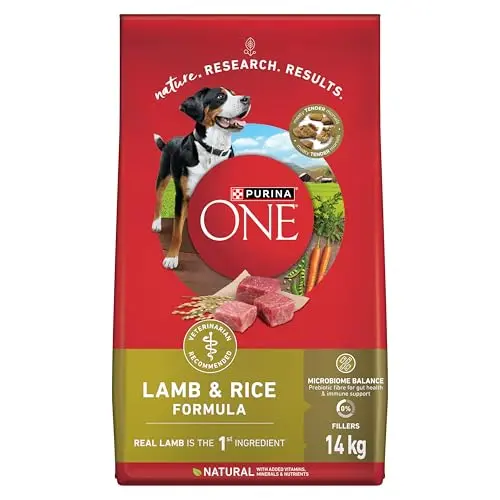
Microbiome Balance Lamb & Rice – Affordable Gut Health Booster
This wallet-friendly option doesn’t skimp on gut science. With real lamb as the first ingredient and a prebiotic fibre blend, it’s engineered to balance your dog’s microbiome – key for reducing IBS episodes without breaking the bank.
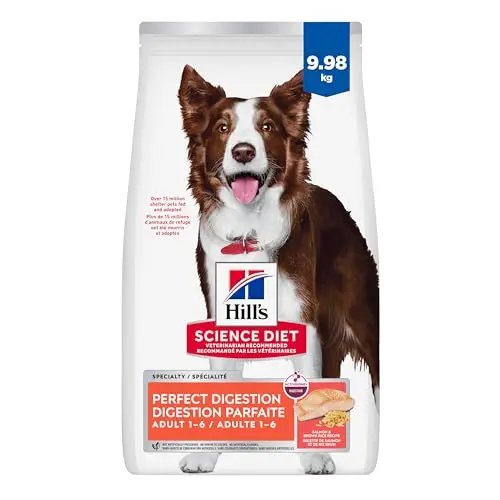
Perfect Digestion Salmon, Whole Oats & Brown Rice – Fast-Acting Formula
Hill’s most advanced digestive formula promises visible results in 7 days – and delivers. Packed with ActivBiome+ prebiotics, pumpkin, and whole oats, it’s built for dogs who need rapid, reliable relief from chronic loose stools.
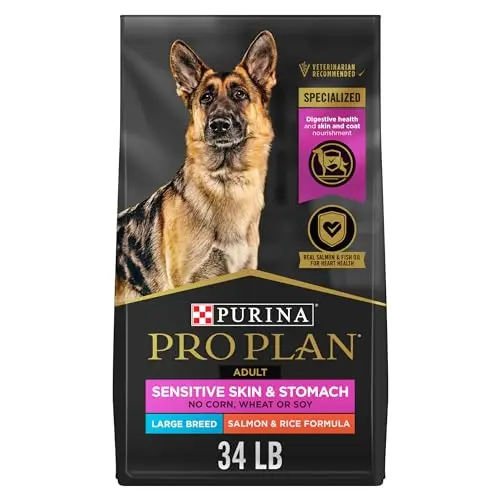
Large Breed Sensitive Skin & Stomach Salmon & Rice – Joint & Gut Care
Scaling the trusted sensitive skin & stomach formula for bigger dogs, this version adds glucosamine and EPA for joint health. It’s the ideal choice for large breeds whose IBS symptoms come with mobility concerns.
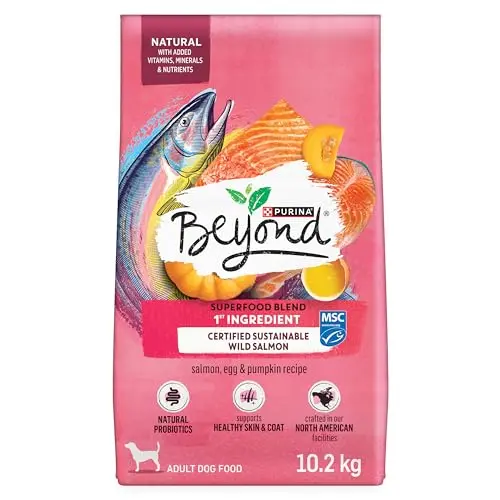
Superfood Blend Salmon, Egg & Pumpkin – Limited-Ingredient Simplicity
With a short, recognizable ingredient list free of corn, wheat, and soy, this recipe leans on wild-caught salmon and pumpkin for a gentle, nutrient-dense meal that’s easy on reactive stomachs.
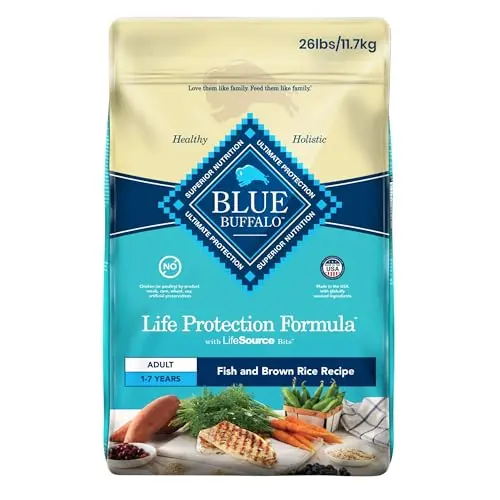
Life Protection Formula Fish & Brown Rice – Alternative Protein Option
Using deboned whitefish as the lead protein, this formula avoids chicken and poultry by-products entirely. It’s a viable pick for IBS dogs who need a novel protein without going grain-free.
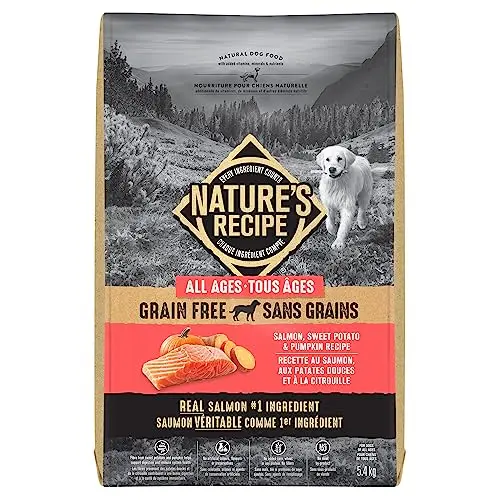
Grain Free Salmon, Sweet Potato & Pumpkin – Grain-Free Gentle Digestion
This grain-free option pairs salmon with sweet potato and pumpkin for a carb base that’s easy to break down. It’s a clean, no-filler recipe for dogs whose IBS is aggravated by grains.
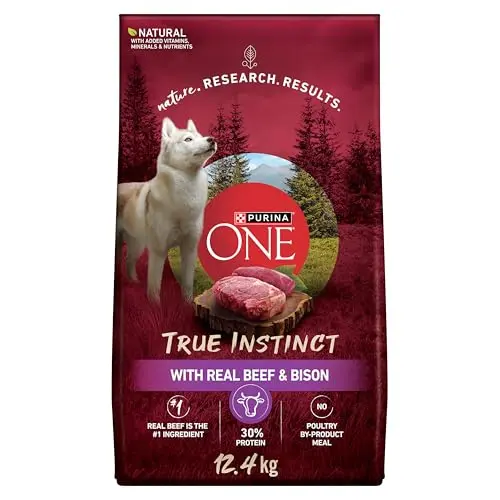
True Instinct Beef & Bison – High-Protein Sensitive Formula
Beef and bison headline this protein-packed kibble, with added glucosamine for joint care. It’s listed for sensitive stomachs, making it a candidate for active IBS dogs who need more muscle fuel.
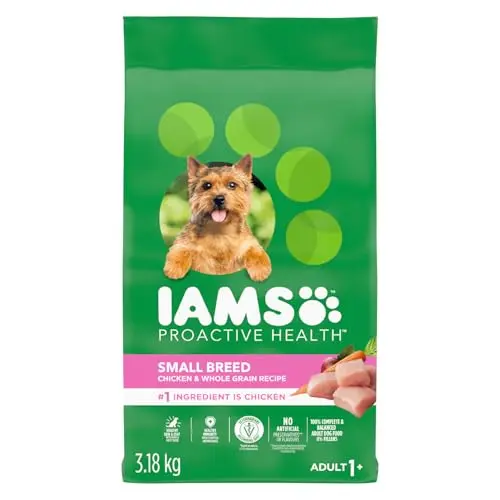
Proactive Health Small Breed Chicken & Whole Grain – Small-Breed Digestive Support
Formulated specifically for small breeds, this chicken-based kibble claims optimal stool quality in 10 days. The small bite size and whole grains make it a practical pick for tiny tummies.
How We Evaluated These Dog Foods for Dogs with IBS
We didn’t run veterinary-supervised feeding trials or lab analyses of stool quality. What we did: cross-referenced 10 dry dog food models from 7 distinct brands against six key decision axes – ingredient digestibility, protein source and novelty, prebiotic and fibre content, omega fatty acid support, the presence of common irritants like artificial additives, and owner-reported digestive outcomes where available. We triangulated published nutritional profiles, ingredient lists, and digestive-health claims with aggregated owner feedback to assess real-world performance for dogs with irritable bowel syndrome.
The scoring framework weighted real-world digestive performance (60%) – how consistently each formula delivered firmer stools and calmer stomachs based on owner reports – against feature differentiation (40%) – unique prebiotic blends, novel protein choices, and targeted digestive technologies. We have no commercial relationship with any of the brands featured; recommendations track fit and differentiation, not brand preference. If you’re managing chronic diarrhoea, the Hill’s Science Diet Sensitive Stomach & Skin is your strongest starting point; if skin issues ride shotgun, the Purina Pro Plan Salmon & Rice delivers dual relief.
How to Choose the Right Dog Food for Dogs with IBS
What to Look for in a Dog Food for IBS
The foundation of managing canine IBS starts with highly digestible ingredients. Proteins like chicken, salmon, or lamb that are listed as the first ingredient and are free from by-product meals put less strain on a sensitive gut. You’ll also want a soluble fibre source – think beet pulp, oatmeal, or pumpkin – to absorb excess water in the colon and firm up stools. Steer clear of artificial colours, flavours, and preservatives; these can inflame an already reactive system. The best options will also include a prebiotic to feed beneficial gut bacteria, helping to stabilise the microbiome long-term.
Protein Sources: Novel Proteins vs. Common Allergens
Many IBS dogs have concurrent food allergies. If your dog scratches constantly alongside digestive signs, a novel protein – one your dog hasn’t eaten before, like salmon, whitefish, or lamb – can break the cycle. Chicken and beef are the most common canine allergens, so even if they’re high-quality, they may not be the right fit. A limited ingredient diet also helps you isolate triggers. Our top picks include a mix: chicken for non-allergic dogs, salmon for those needing omega-3s and a less common protein, and lamb as a gentle alternative.
The Role of Prebiotics and Fibre in Digestive Health
Prebiotic fibres like beet pulp, chicory root, and pumpkin are non-negotiable for IBS dogs. Unlike probiotics (live bacteria), prebiotics serve as food for the existing good bacteria in the gut, strengthening the intestinal barrier and improving stool quality. Fibre also regulates transit time – too fast leads to diarrhoea, too slow causes constipation. Look for a named prebiotic source on the ingredient list. Hill’s Science Diet uses ActivBiome+ technology, while Purina ONE features a microbiome balance blend – both are scientifically backed.
Grain-Free vs. Whole Grains for Sensitive Stomachs
The grain-free trend isn’t automatically safer for IBS. While some dogs do better without grains, whole grains like brown rice and oatmeal can be highly digestible and provide gentle energy. The real culprits are often processed grains like corn or wheat. If your vet hasn’t flagged a grain allergy, a formula with whole oats or brown rice can be a better option – they’re less likely to trigger issues and may lower the risk of diet-associated heart disease that’s linked to some grain-free diets.
How to Transition to a New Food Safely
Switching foods too quickly is the fastest way to undo any progress with an IBS dog. Over 7-10 days, gradually mix the new kibble with the old, starting with 25% new and increasing slowly. Watch for loose stools, vomiting, or refusal to eat – these are signs to slow the transition. A probiotic supplement during the switch can help. And always have your vet on speed dial: if symptoms worsen, an underlying condition beyond diet may be at play.
Hill's Science Diet vs. Purina Pro Plan: Which Is Better for IBS?
These two brands dominate the sensitive stomach space, but they take different approaches. Hill’s leans heavily on veterinary research and prebiotic blends, with formulas like Perfect Digestion that promise rapid results. Purina Pro Plan pairs oatmeal and salmon for a holistic digestive-plus-skin solution. The winner depends on your dog: if skin problems are minimal, Hill’s may work faster; if itching and redness are constant companions, the omega-rich Pro Plan formula often clears both. Many owners rotate between the two successfully.
Understanding Price Tiers: Budget vs. Premium Options
You don’t always need the most expensive bag to manage IBS, but there’s a correlation between price and targeted digestive tech. Budget-friendly picks like Purina ONE Microbiome Balance provide solid prebiotic support at roughly half the cost of premium options. Mid-range formulas often add novel proteins and more sophisticated fibre blends. Premium picks like Hill’s Perfect Digestion invest in rapid-action technologies. Factor in bag size too – a larger bag of a moderately priced food can be cheaper per meal than a small bag of a budget brand.
Frequently Asked Questions
What's the difference between Hill's Science Diet Sensitive Stomach & Skin and Purina Pro Plan Sensitive Skin & Stomach?
The Hill’s formula uses chicken, beet pulp prebiotic fibre, and a focus on vitamin E for skin. It’s a straightforward, vet-recommended option that prioritises digestibility. The Purina Pro Plan uses salmon, oatmeal, and a natural prebiotic fibre, with added omega-3s from fish oil for joint and skin health. It also comes in a large breed version with glucosamine. So Hill’s is often better for dogs with more severe digestive-only issues, while Pro Plan covers skin and joint concerns more comprehensively. Both are excellent, and your dog’s specific symptoms will tip the scale.
Is grain-free dog food better for dogs with IBS?
Not necessarily. While some IBS dogs improve on a grain-free diet – especially if they have a specific grain allergy – many do perfectly well on digestible whole grains like brown rice or oatmeal. In fact, some grain-free recipes swap in legumes and potatoes, which can be harder to digest for some dogs and have been linked to heart health concerns. The key is ingredient quality and simplicity, not the grain status itself. Always work with your vet to determine if a grain-free trial is warranted.
How long does it take to see improvement after switching to an IBS-friendly food?
Most owners report noticeable changes – firmer stools, less gas – within 7-14 days of a consistent switch. Formulas like Hill’s Perfect Digestion claim optimal results in as little as 7 days. However, if your dog has been in a prolonged flare, it may take up to 4 weeks for the gut lining to fully calm down. Stick to the transition schedule and avoid introducing new treats or table scraps during this period.
Can I mix different brands of dog food for my dog with IBS?
Generally, it’s best to stick with one consistent formula for at least 8-12 weeks to truly evaluate its effect. Mixing brands introduces multiple ingredient variables and can make it impossible to identify what’s working or triggering a flare. Once you’ve found a baseline food that works, you might carefully combine it with a complementary wet version of the same brand for variety, but abrupt swaps between brands are risky.
What ingredients should I avoid in dog food for IBS?
Steer clear of artificial colours, flavours, and preservatives (look for BHA, BHT, ethoxyquin). Avoid ambiguous meat meals (like ‘meat meal” or ‘poultry by-product meal”) – they can contain low-quality protein sources. Common allergens like corn, wheat, and soy are frequent offenders, as are high-fat recipes that overwhelm a sensitive pancreas. Simpler is always safer: the shorter and more recognisable the ingredient list, the less chance of a gut rebellion.
Final Verdict
For the majority of dogs struggling with IBS, the Hill’s Science Diet Adult Sensitive Stomach & Skin checks every box: highly digestible, vet-recommended, and gentle enough for daily use while actively firming things up. If skin troubles are a constant sidekick, the Purina Pro Plan Sensitive Skin & Stomach Salmon & Rice is your dual-purpose saviour. On a tighter budget, the Purina ONE Microbiome Balance offers impressive microbiome science without the sticker shock. And when speed is critical, the Hill’s Perfect Digestion formula is purpose-built to deliver results in a week. No matter which you choose, stick with it for a few weeks – a calm gut is worth the patience.