
You know the drill: your German Shepherd is scratching non-stop, dealing with ear infections, or struggling with loose stools, and you’re starting to wonder if their food is the culprit. Food allergies in GSDs aren’t uncommon, and the right diet can make a world of difference – reducing inflammation, calming itchy skin, and firming up digestion. But with so many formulas on the market, finding the one that ticks all the boxes can be overwhelming.
What sets a great allergy-friendly food apart? It often comes down to a novel or hypoallergenic protein source, limited ingredients, and added supports like omega fatty acids and prebiotics. We looked across the market at top recipes from brands like Purina Pro Plan, Hill’s Science Diet, and Nutrience to cut through the noise. Whether your Shepherd needs a salmon-based sensitive stomach solution or a limited ingredient grain-free option, this guide lays out the best choices as of 2026.
Best Dog Food for German Shepherds with Allergies – 2026 Reviews
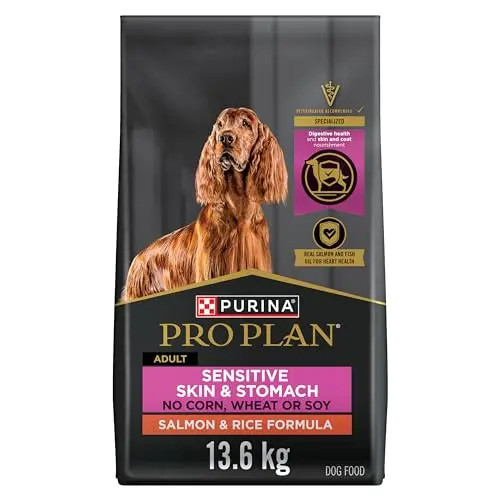
Sensitive Skin & Stomach Salmon & Rice Formula – Allergy-Friendly Nutrition for GSDs
A top pick for allergic German Shepherds, this formula starts with real salmon, a protein less likely to trigger reactions. It’s packed with omega-3s for skin health and easily digestible oatmeal, making it gentle on sensitive stomachs while delivering complete, balanced nutrition.
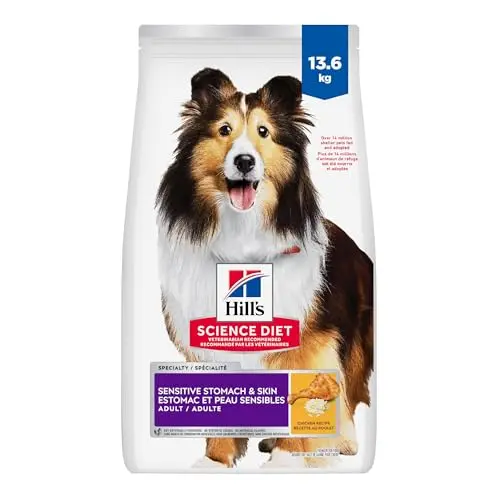
Adult Sensitive Stomach & Skin Chicken Recipe – Vet-Trusted Digestion Support
Backed by Canadian veterinarians, this chicken-based formula focuses on digestive health with prebiotic beet pulp while nourishing the coat with vitamin E and omega-6s. It’s a solid choice for GSDs whose allergies aren’t triggered by poultry.
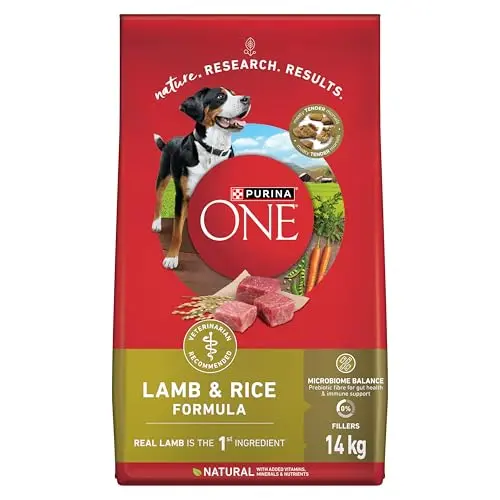
Microbiome Balance Lamb & Rice – Gut-Focused Nutrition Without the Premium Price
A wallet-friendly option that doesn’t skimp on allergy-friendly features: real lamb, a less common protein, leads the ingredient list, paired with prebiotic fibre to support immune and gut health. It’s designed to be easily digestible and help reduce itching.
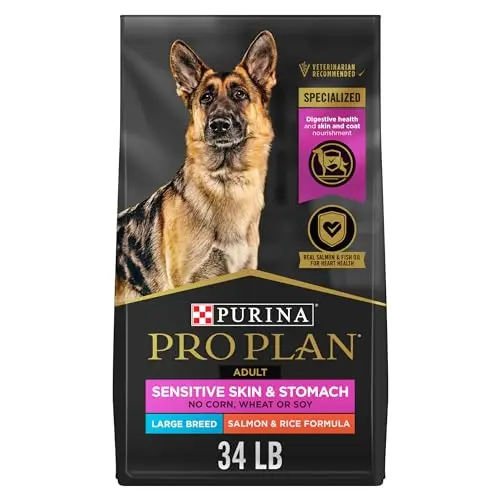
Large Breed Sensitive Skin & Stomach Salmon & Rice – Joint & Skin Support for Big Dogs
Specifically tailored for large breeds like German Shepherds, this salmon-first recipe adds glucosamine for joint health alongside the allergy-friendly sensitive skin and stomach benefits of the Pro Plan line.
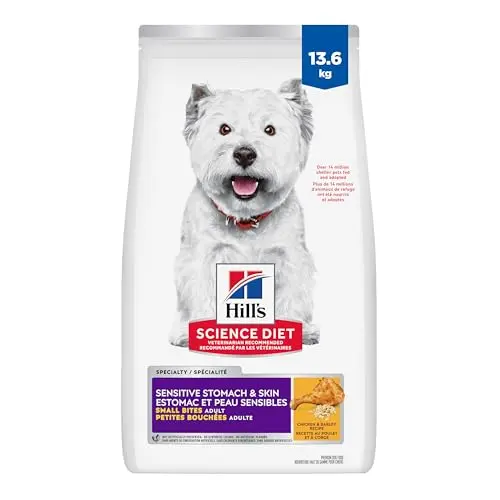
Sensitive Stomach & Skin Small Bites Chicken – Precision Kibble for Gentle Eating
Same trusted sensitive stomach and skin recipe as the classic, but with smaller kibble pieces. Ideal for German Shepherds who prefer a petite bite or have dental sensitivities while still needing digestive and coat support.

Superfood Blend Salmon, Egg & Pumpkin – Limited Ingredient, High Tolerance
A limited ingredient diet centred on wild-caught salmon and pumpkin. It omits corn, wheat, soy, and artificial additives, making it a strong contender for dogs with multiple food sensitivities.
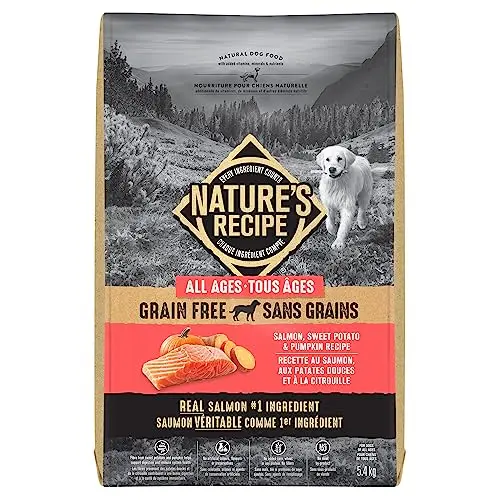
Grain Free Salmon, Sweet Potato & Pumpkin – Simple Proteins, No Fillers
A grain-free option with salmon as the first ingredient and sweet potato for slow-release energy. It’s formulated without artificial additives, making it a gentle choice for dogs with grain sensitivities.
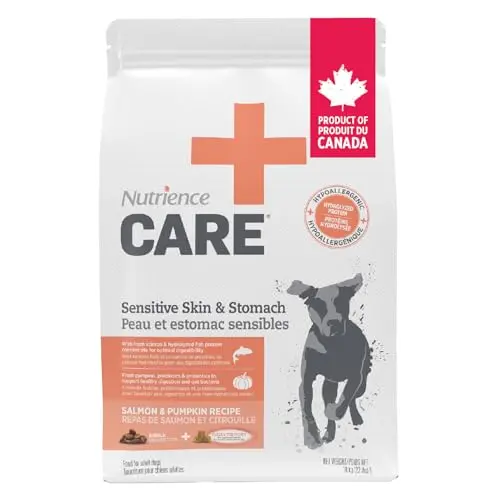
Care Sensitive Skin & Stomach Salmon – Canadian-Made Digestive Precision
Made in Canada with fresh local salmon, this grain-free formula is packed with pumpkin, prebiotics, and probiotics to target digestive health and soothe allergic skin reactions at the source.
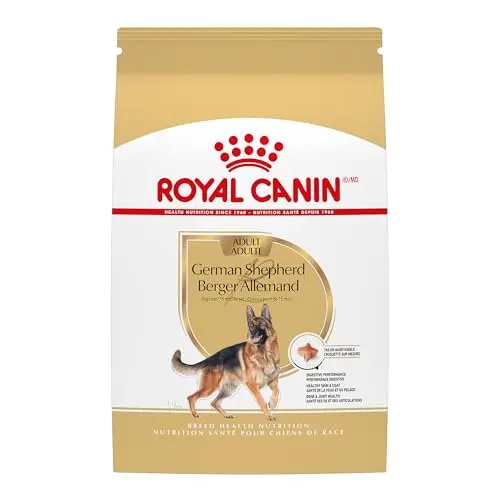
German Shepherd Adult – Breed-Specific Nutrition with Digestive Care
Formulated exclusively for purebred German Shepherds, this recipe emphasises digestive and skin support through highly digestible proteins and omega-rich fish oil, along with a unique kibble designed for their muzzle.

True Instinct High Protein Beef & Salmon – Energy-Dense but Higher Allergen Risk
A high-protein, 32% protein formula featuring real beef and salmon. While nutrient-dense and free of poultry by-product meal, beef is a common allergen, so it’s best suited for dogs with known tolerance.
How We Evaluated These Dog Foods for German Shepherds with Allergies
We didn’t run controlled feeding trials on a herd of allergic Shepherds. Instead, we cross-referenced 10 dog food formulas from 6 distinct brands across 5 decision axes: ingredient quality and allergen risk, digestive support features, omega fatty acid content for skin health, breed-specific nutritional needs, and overall suitability for dogs with sensitivities. We triangulated published specifications, pored over ingredient panels, and absorbed aggregated owner feedback to build a picture of real-world effectiveness.
The scoring framework weighted allergy-specific fit (60%) – how well a food reduces the likelihood or severity of allergic reactions – against feature differentiation (40%) – unique additives like probiotics, novel proteins, or joint care. We have no commercial relationship with any of the brands; recommendations follow the evidence, not brand loyalty. If you’re seeking a reliable baseline for your German Shepherd’s allergies, the Pro Plan Sensitive Skin & Stomach is our top pick; for a budget-friendly alternative, the Purina ONE Microbiome Balance offers excellent value.
How to Choose the Right Dog Food for German Shepherds with Allergies
Identifying Protein Allergens in Dog Food
For many allergic dogs, the culprit is a specific protein – most commonly chicken, beef, or dairy. Novel proteins like salmon, lamb, or duck can bypass existing sensitivities, which is why you’ll notice salmon dominating our top picks. Look for single-protein sources or limited ingredient diets (LIDs) to make elimination trials easier. If your GSD shows immediate improvement on a salmon recipe, you’ve likely pinpointed the issue.
Don’t forget that grains can also be a trigger, though it’s less frequent. Grain-free options simplify the ingredient list and may help dogs with multiple sensitivities. However, recent FDA investigations into grain-free diets and heart disease mean you should weigh this choice with your vet.
Digestive Health: The Foundation of Allergy Management
A distressed gut often underlies allergic symptoms. Prebiotics, probiotics, and easily digestible fibres like beet pulp or oatmeal strengthen the gut lining and reduce systemic inflammation. In our lineup, foods with added prebiotics (like the Pro Plan and Hill’s) consistently receive praise for firming up stools and soothing sensitive stomachs. For Shepherds, whose deep chests make them prone to bloat, a food that supports steady digestion is doubly important.
Omega Fatty Acids for Skin and Coat Repair
Allergies frequently present as dry, flaky, or inflamed skin. Omega-3 fatty acids (EPA/DHA) from fish oil are anti-inflammatory powerhouses that work from the inside out. Combined with omega-6s from sources like sunflower oil, they restore the skin barrier and can reduce itching within weeks. All our recommendations pack a significant omega punch, but the Nutrience Care recipe doubles down with coconut oil, offering an extra layer of moisturisation.
Breed-Specific Considerations: Why Size and Joint Health Matter
German Shepherds are large, active dogs that put stress on their joints, especially as they age. A food that also addresses joint health can be a wise investment. The Pro Plan Large Breed formula includes glucosamine and chondroitin right alongside its allergy-friendly recipe. Kibble size and shape matter too – Royal Canin’s GSD-specific kibble encourages chewing, which aids digestion. While not a deciding factor for allergies, it’s a nice built-in bonus.
Pro Plan vs. Hill's Science Diet for Allergic German Shepherds
The top two contenders in our lineup represent two philosophies. Purina Pro Plan opts for salmon as a novel protein, making it a safer bet for dogs with undiagnosed triggers. Hill’s Science Diet, built on chicken, is a veterinarian favourite that excels at digestive support. If you know your Shepherd handles chicken without issue, Hill’s is a proven performer. But if you’re still in the discovery phase, starting with salmon simply eliminates one of the most common allergens right out of the gate.
Transitioning to a New Food Without Upsetting Sensitive Stomachs
Even the best allergy food can cause diarrhoea if introduced too quickly. Follow a gradual transition over 7-10 days, mixing increasing amounts of the new kibble with the old. Begin with a 25% new / 75% old ratio and adjust every two days. Because these foods are designed to be gentle, most dogs adapt well – but patience pays off. Keep an eye on stool quality and skin condition; true allergy relief may take 4-6 weeks to fully manifest.
Frequently Asked Questions
What's the difference between Pro Plan Sensitive Skin & Stomach and Hill's Science Diet Sensitive Stomach & Skin for a German Shepherd with allergies?
The main differentiator is the primary protein: Pro Plan uses salmon, while Hill’s relies on chicken. For dogs with unknown allergies, salmon is a lower-risk novel protein, making Pro Plan a safer starting point. Both are fortified with prebiotics and omegas, but Hill’s has a stronger veterinary recommendation pedigree. If your Shepherd has confirmed poultry allergies, go with Pro Plan; if not, either can work, but we lean toward the salmon option for its broader safety margin.
Is Royal Canin German Shepherd Adult good for allergies?
It’s an excellent breed-specific diet that supports digestion and skin, but it’s not formulated as an allergy-specific food. It uses chicken and chicken by-product meal, which can be triggers for some dogs. If your Shepherd has mild, non-specific sensitivities, its highly digestible proteins may help, but for confirmed food allergies, a limited ingredient or novel protein diet is usually more effective. Consider it for overall breed health rather than targeted allergy relief.
Can switching to a grain-free diet help my German Shepherd's allergies?
Possibly, but not necessarily. While some dogs do have grain sensitivities, the most common food allergens are animal proteins. A grain-free recipe like Nature’s Recipe can eliminate a variable, but if the protein source (even in grain-free) is one your dog reacts to, it won’t solve the problem. Use grain-free as a tool for elimination trials, but don’t assume grains are the enemy – focus on protein first.
How long does it take to see allergy improvements after changing dog food?
Most owners notice initial digestive improvements within a week, but skin and coat changes often require 4-6 weeks. It takes time for the body to clear old allergens and for omega fatty acids to rebuild the skin barrier. Stay consistent, avoid treats or table food that could undermine the trial, and track symptoms. If you see zero change after 8 weeks, the new food likely isn’t addressing the trigger.
What's the difference between Purina ONE Microbiome Balance and Pro Plan Sensitive Skin & Stomach for allergies?
Both are excellent, but at different investment levels. The Microbiome Balance uses lamb, another novel protein, and focuses heavily on gut health through prebiotics, making it a budget-friendly allergy candidate. Pro Plan Sensitive Skin & Stomach, priced slightly higher, uses salmon and adds a broader omega fatty acid profile for skin repair. If funds are tight, the Purina ONE is a smart entry; if you can stretch, the Pro Plan offers that extra skin-specific support.
Final Verdict
For most German Shepherds with allergies, the Purina Pro Plan Sensitive Skin & Stomach Salmon & Rice is the definitive pick – it solves the two biggest issues (skin and digestion) with a hypoallergenic protein and science-backed additives. If your budget demands smart spending, the Purina ONE Microbiome Balance Lamb & Rice delivers comparable gut-centric allergy relief for less. And if joint health looms as large as itching, the Pro Plan Large Breed formula wraps allergy support and mobility into one. No matter which you choose, give it time to work – your Shepherd’s calmer coat and happier belly are on the horizon.